







Introduction:Although tamping may seem like a simple step, it is a core factor that affects the extraction quality of espresso. This article delves into the correct tamping technique, pressure control, and the difference between tamping and distribution, using practical comparisons to demonstrate how tamping enhances extraction stability and flavor expression. It helps both coffee professionals and enthusiasts refine their skills to produce more professional and consistent coffee.
When crafting a high-quality espresso, tamping is an extremely critical step. If tamped too lightly, water can pass through too quickly, resulting in under-extraction, bland flavors, and a noticeable wateriness. Conversely, if tamped too heavily, it may obstruct water flow, leading to over-extraction with burnt, bitter, and astringent notes. This article will detail the principles of tamping, practical operational techniques, and the differences from distribution, using experimental comparisons to show the specific impact of different tamping methods on extraction, helping you achieve more stable and precise results.
The primary purpose of tamping is to ensure the coffee grounds are evenly compacted, allowing pressurized hot water to penetrate the puck steadily for consistent and thorough extraction. First, tamping effectively reduces channeling. When coffee grounds are unevenly distributed, high-pressure water naturally seeks the path of least resistance, causing some grounds to be under-extracted while others are over-extracted—this is known as "channeling." By applying even pressure, the puck is compacted, minimizing variations in particle spacing and reducing the likelihood of this phenomenon.
Second, tamping helps improve the extraction consistency of each cup. Even when using the same beans and grind size, inconsistent tamping pressure can lead to variations in flow rate and flavor with each extraction. As the final step before extraction, tamping has a decisive impact on the quality of the final product.
To more intuitively understand the importance of tamping, we conducted an experiment. Using 20 grams of coffee grounds, the target was to extract 40 grams of espresso. The coffee blend combined the flavors of sherry cask fermentation and natural processing, featuring layered notes of vanilla, cream, fermented wine, and chocolate. The experiment was divided into two groups: one used only a distribution tool without tamping, and the other followed standard tamping procedures after distribution.
The results showed that the untamped coffee exhibited significant channeling during extraction, with unstable flow and a total extraction time of 22 seconds. Sensory evaluation revealed a sharp acidity and watery body, lacking the richness and complexity expected of espresso. In contrast, the tamped coffee had a uniform and stable flow with no channeling, a total extraction time of 27 seconds, and flavors showcasing rich chocolate tones and abundant fermented wine aromas, with a noticeably more balanced and layered mouthfeel.
Many baristas use various tools to help produce consistent espresso, the most common being distribution tools and tampers. The primary function of a distribution tool is to evenly spread ground coffee in the portafilter basket, ensuring a flat and clump-free puck. The key to distribution lies in "breaking up" and "flattening": breaking up means evenly mixing coffee grounds of varying sizes to avoid localized over-coarse or over-fine areas, while flattening ensures the coffee is evenly spread across the basket, maintaining consistent coffee density everywhere to avoid over-packed or empty spots.
Common distribution methods include finger distribution and using a distribution tool. Finger distribution involves leveling the coffee surface with gentle horizontal strokes, focusing on the basket’s edges and avoiding downward pressure that compresses the puck. Distribution tools can more efficiently mix coffee grounds, break up clumps, and evenly distribute them, but improper use may cause internal cracks or uneven pressure, affecting puck stability.

The role of a tamper is to compact the loose coffee grounds into a dense and even puck after distribution, creating a solid base to withstand the 9-bar high-pressure water flow during extraction. Tamping not only reduces channeling but also ensures more stable and consistent flow rates and flavors with each extraction.
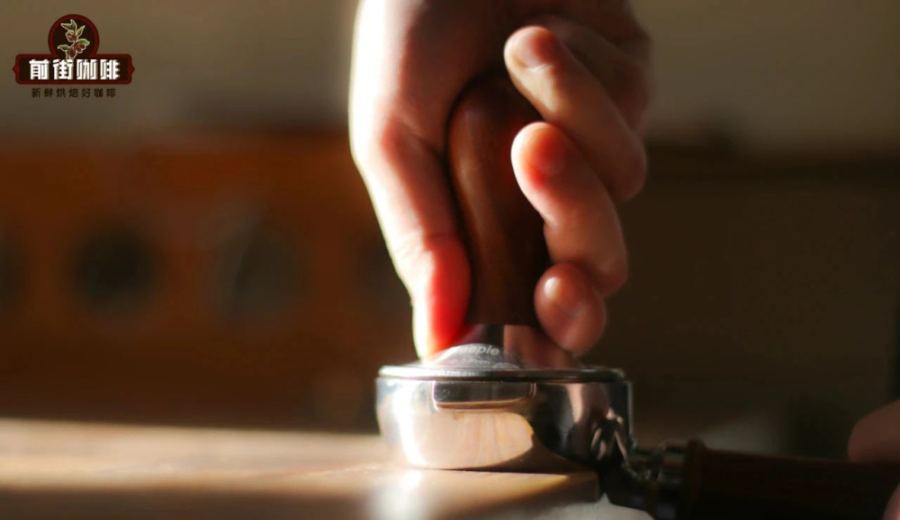
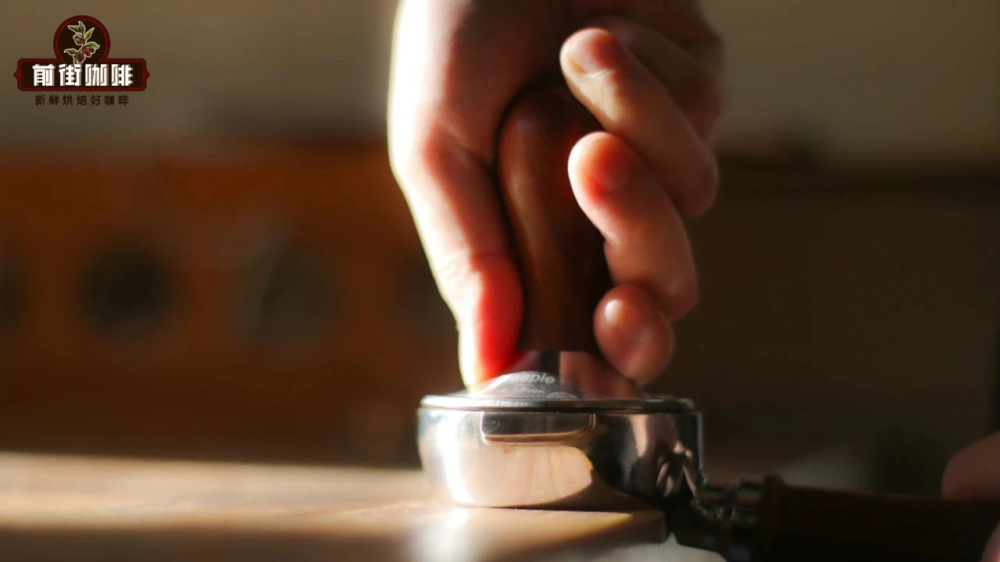
For proper tamping, the first requirement is selecting a tamper that matches the basket diameter of the portafilter. An ill-fitting tamper may fail to tamp evenly or leave edge gaps, compromising extraction uniformity. When tamping, keep the tamper vertical to the basket and apply even downward pressure to ensure a smooth, level puck surface. An incorrect angle or uneven force can cause water to follow the path of least resistance, leading to uneven extraction.
Controlling tamping pressure is equally important. Early research indicates that by the time pressure reaches the bottom of the puck, the actual force is significantly reduced, so excessive pressure doesn’t necessarily improve extraction and may instead create too much resistance, making water penetration difficult and resulting in over-extraction, burnt, and bitter flavors. It’s recommended to apply steady, even pressure to compact the puck, gauging its firmness—over-tamping may negatively affect the final extraction quality.
After tamping, a small amount of fine coffee dust may cling to the tamper or basket edges. Simply rotate the tamper slightly before lifting to avoid disturbing the puck and ensure consistent extraction.
The above content is compiled by CoffeeHunters, a coffee news website.


