







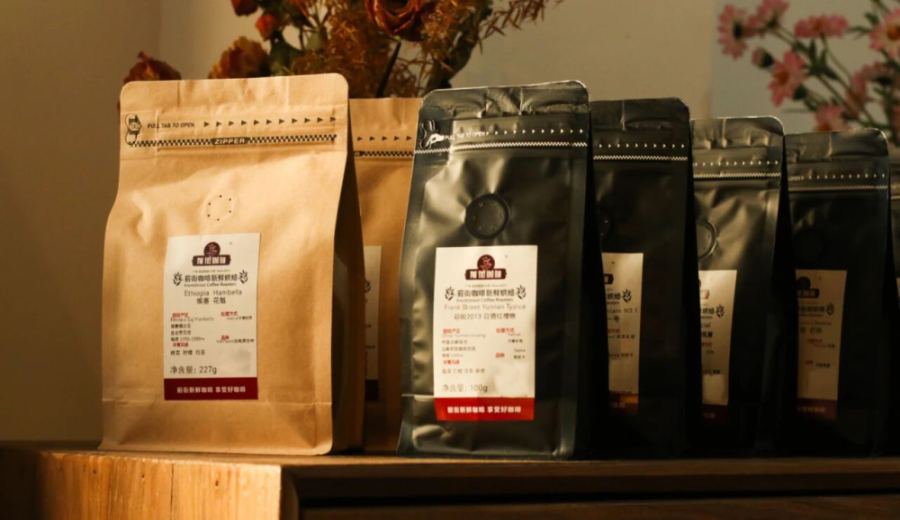
Introduction:Dive deep into the premium Huacai (Hua Kui) coffee beans from Hambella in the Guji region of Ethiopia’s Sidamo, exploring everything from the terroir and processing method to the sun-dried flavors. Paired with practical V60 pour over parameters, this guide helps you fully grasp the characteristics of this highly acclaimed coffee bean — offering useful inspiration for both beginners and advanced enthusiasts.
The Huacai coffee beans originate from the Hambella sub-region within Ethiopia’s Sidamo (Sidamo) and Guji (Guji) regions, one of the highest-altitude coffee-growing areas in the country. It is renowned for producing high-quality Ethiopian heirloom varieties and excelling in sun-dried processing techniques. This article will take you through a comprehensive understanding of the charm of this championship-level coffee bean, covering the geographical features of the Hambella region, the origin of the Huacai name, the detailed sun-drying process, as well as practical light roast V60 pour over operation and flavor analysis.
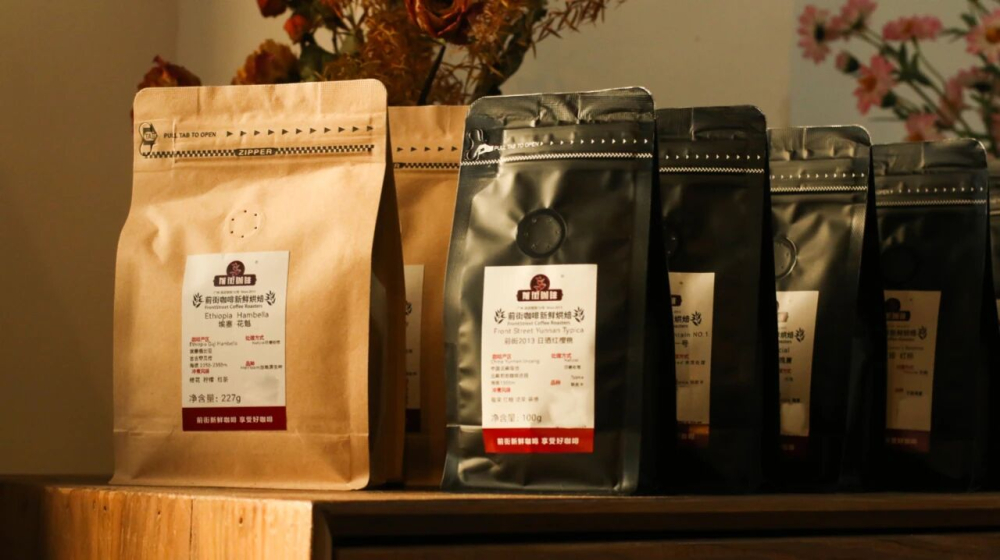
Geographically, Hambella — the origin of Huacai coffee — is located within Guji, Ethiopia’s largest coffee-producing region, and administratively belongs to the Oromia State. To its west, a highland mountain range about 3,200 meters above sea level and roughly 30 kilometers wide separates it from the Kochore district of Yirgacheffe, forming a natural geographical barrier. It borders the Shakiso, Uraga, and Kercha sub-regions within Guji to the east, south, and north, with an overall elevation ranging between 2,250 and 2,350 meters. This makes it one of the highest-altitude coffee-growing sub-regions in Ethiopia, second only to the main Harrar region.
The Hambella Farm, where Huacai coffee is produced, covers a total area of 200 hectares. It usually employs 28 full-time staff, but during the coffee harvest season, the workforce can surge to over 700 people, about 70% of whom are female workers. The farm is committed to fostering collaboration between local farmers, agronomists, and post-harvest processing experts. Through technical exchanges and resource integration, it continuously improves coffee quality and consistency. In addition to its own cultivated coffee, the farm also purchases qualified beans from surrounding smallholder farmers, which are then sorted and resold to ensure a stable and high-standard supply of raw materials.
Regarding the sun-drying process of Huacai coffee, a traditional and meticulous raised-bed drying technique is employed. To prevent the coffee cherries from molding or picking up impurities during drying, farmers evenly spread the harvested coffee cherries on elevated drying beds. The entire sun-drying process lasts approximately 21 days. During this period, the beans are turned multiple times a day to ensure even heat distribution and consistent moisture evaporation. Additionally, every 3 to 5 days, workers carefully inspect and remove any moldy, unripe, or damaged beans to maintain the overall quality of the batch. Once the fruit skin is completely dried and hardened, a hulling machine is used to remove the outer dried husk, yielding the green beans. Finally, a thorough sorting process is carried out to ensure that every coffee bean entering the market meets high standards.
The origin of the name “Huacai” for this highly acclaimed coffee dates back to 2017. That year, the African Coffee Association held the TOH (The Taste of Harvest) green coffee competition. A sun-dried lot submitted by Ethiopia’s DW Coffee Company stood out and defeated several well-known Geisha varieties to win the championship. Later, Beijing-based green coffee trader “Hongshun International” imported this award-winning lot and named it “Huacai,” symbolizing its champion status and exceptional flavor. Since then, the name has gained widespread recognition.
In terms of roasting and extraction, some coffee brands opt for a light roast to fully highlight the natural floral, fruity notes, and delicate layers of Huacai. To ensure these flavor characteristics are fully released during pour over brewing, it is recommended to use a Hario V60 dripper, with water at 91°C, a powder-to-water ratio of 1:15, and a grind size of around 80% through a Chinese standard No. 20 sieve — that is, a medium-fine grind suitable for coffee lovers seeking a clear flavor profile.
The design of the V60 dripper features flow-guiding ribs that connect the top and bottom of the cone, along with a large central hole that accelerates the flow of brew. Its spiral-shaped venting grooves extend the contact time between water and coffee grounds, leading to more thorough extraction and clearer layers. Each stream of water flows along the grooves toward the center, concentrating pressure on the coffee bed to enhance extraction efficiency and flavor expression.
For actual pour over brewing, a three-stage pouring method is recommended: First, wet the coffee grounds evenly with 30 grams of hot water to form a “hamburger” shape, then let it bloom for 30 seconds. Second, at the 1-minute mark, pour 125 grams of water, and when the water level drops to two-thirds of the coffee bed, proceed to the third pour. Third, at 1 minute and 40 seconds, pour the final 90 grams of water to reach a total of 225 grams. The overall extraction time should be controlled within 1 minute and 59 seconds, with the whole process taking about 2 minutes. After brewing, gently swirl the coffee to ensure even flavor distribution before enjoying.
In the end, this sun-dried Huacai coffee delivers a rich and captivating flavor profile: subtle fermented wine notes, prominent floral tones, accompanied by sweet aromas of mango, citrus, and honey. On the palate, the honey-like sweetness stands out, with a finish that carries hints of cocoa and mild spices. It has a full body and a long-lasting aftertaste, making it a top-tier Ethiopian heirloom sun-dried coffee with both complexity and warmth.
The above content is compiled by CoffeeHunters, a coffee news website.


