







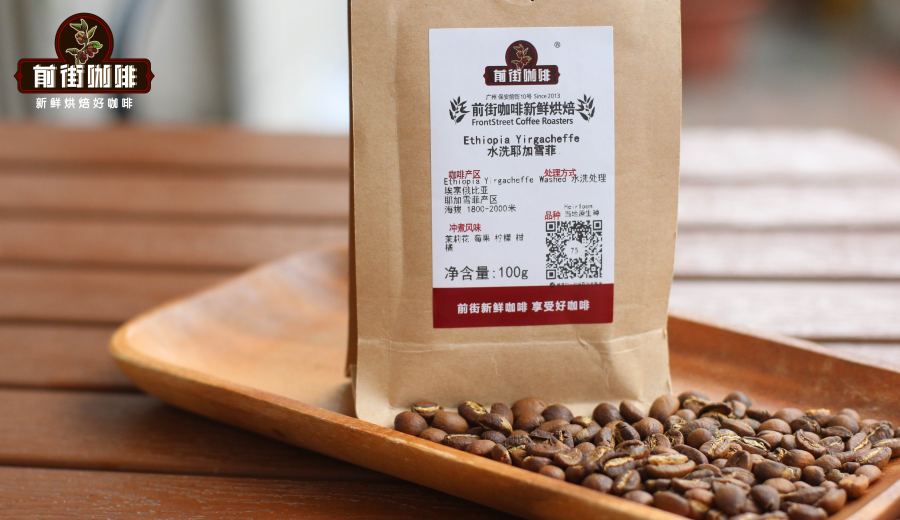
Introduction:Ethiopian Yirgacheffe coffee is world-renowned for its unique citrus aroma and bright acidity, but do you know why its beans are often irregular in shape? And how is it graded and processed? This article delves into the origins of Yirgacheffe’s varieties, the characteristics of its heirloom beans, the ECX grading standards, and provides practical pour over parameters and techniques to help you scientifically extract the classic Yirgacheffe flavors that blend floral and citrus notes.
Many specialty coffee enthusiasts have noticed that coffee beans from Ethiopia’s Yirgacheffe region often appear less round and uniform compared to those from other regions. The beans vary in size, with some even looking slightly broken — this irregularity often leads people to wonder if it signifies lower quality.
In fact, this phenomenon is related to the long-standing use of local heirloom (Heirloom) varieties in the Yirgacheffe area. Due to the lack of strict artificial selection and classification of coffee varieties in the region, coupled with widespread natural hybridization, the size differences among coffee cherries are significant, which in turn affects the appearance of the dried green beans.
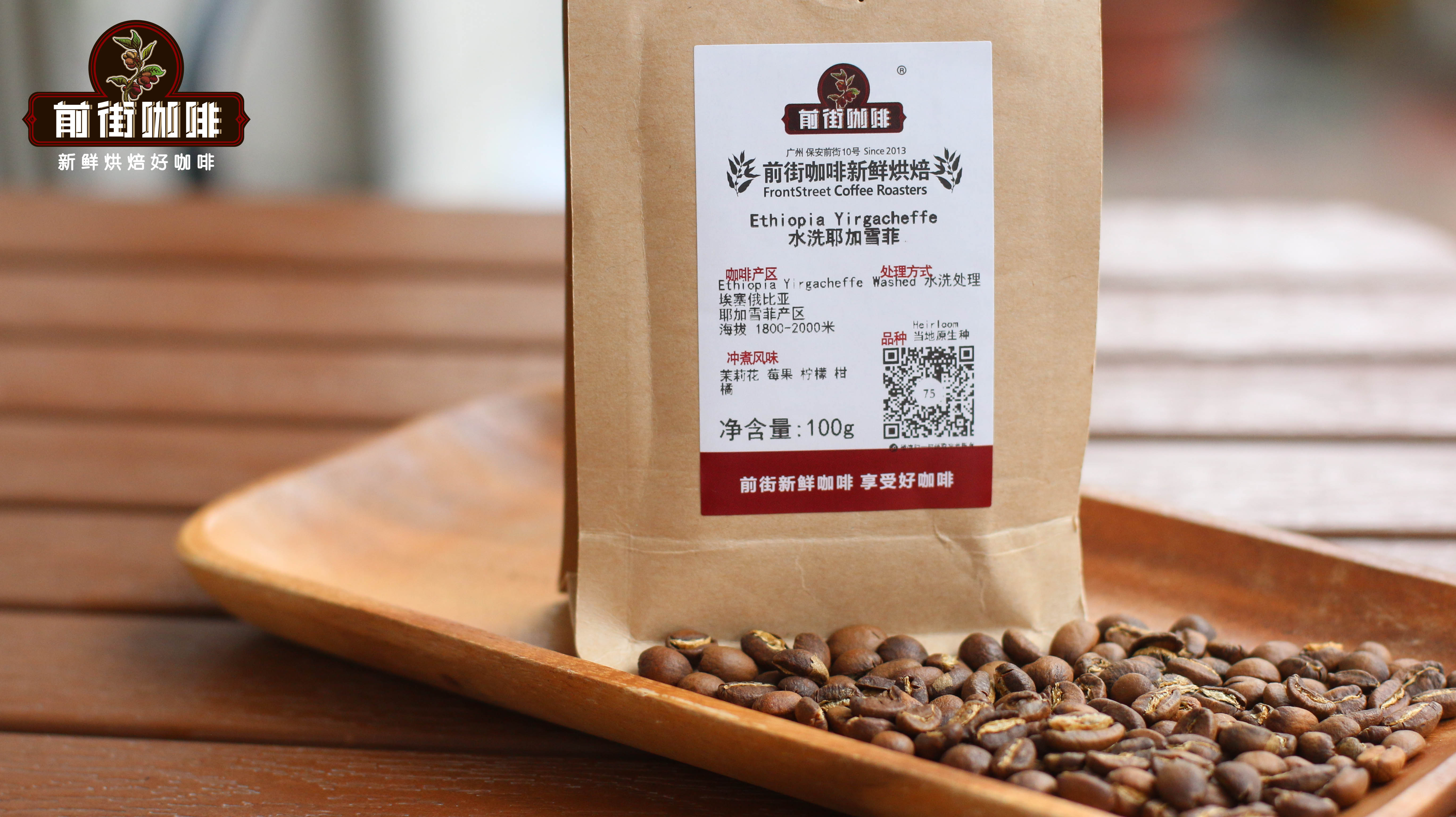
The term Heirloom, in the coffee industry, refers to those ancient Arabica varieties that have not undergone extensive commercial modification, translated in Chinese as “传家宝” or “原生种”. As the birthplace of coffee, Ethiopia boasts an extremely rich coffee gene pool, with an estimated 10,000 to 15,000 wild or semi-wild varieties that remain officially unnamed. These heirloom varieties can be broadly divided into two categories: one consists of JARC varieties cultivated by the Jimma Agricultural Research Center, which possess specific disease resistance or high-yield traits; the other includes local landrace varieties that grow entirely in natural environments, usually cultivated by local farmers in mixed planting settings, making it difficult to distinguish them by single variety.
Due to differences in growing environment, microclimate, and soil, these varieties may exhibit distinctly different flavor profiles even when they come from the same region. This also contributes to the diversity and unpredictability of Yirgacheffe’s flavor characteristics.
So, what is the key behind Yirgacheffe becoming the “citrus-floral holy land” in the hearts of global specialty coffee lovers? The answer is inseparable from its unique geographical conditions and the washed processing method.
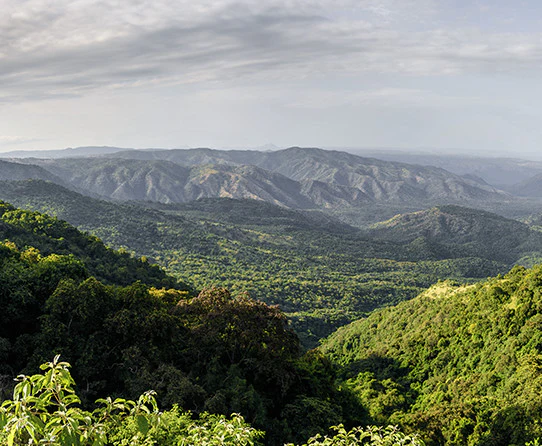
The Yirgacheffe region is located on the southern plateau of Ethiopia, with an average altitude between 1700 and 2100 meters. The high-altitude environment slows down the ripening process of coffee cherries, which is beneficial for the accumulation of flavor compounds. Coupled with large diurnal temperature variations and volcanic soil rich in minerals, it collectively nurtures coffee beans with bright acidity and delicate aromas.
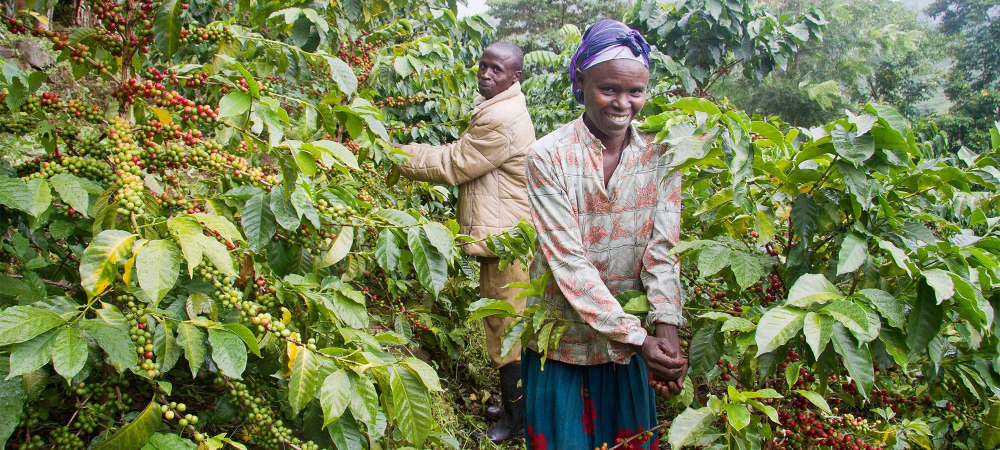
Among these, the washed processing method plays an extremely critical role. After harvesting, the coffee cherries first undergo flotation to remove unripe fruits, then the pulp and flesh are mechanically removed. They are then placed in fermentation tanks for 18 to 36 hours of fermentation to break down the sticky mucilage layer. Next, they are rinsed with clean water to remove residual mucilage, and then sorted by density through channels to select high-quality parchment beans. Finally, they are evenly spread on African raised beds for natural drying. This series of precise processing steps effectively reduces impurity interference, allowing the coffee’s inherent citrus, floral, and tea-like qualities to be fully presented.
It is precisely for this reason that Yirgacheffe coffee is often described as having white floral notes, lemon or grapefruit-like acidity, along with a light tea sensation and a clean aftertaste. Its flavor profile is fresh yet layered, making it the “go-to specialty coffee for beginners” in the eyes of many baristas around the world.
According to the grading system of the Ethiopian Commodity Exchange (ECX), since 2009, the country has implemented a scientific quality classification for coffee beans, primarily based on two key indicators: defect rate and cupping score. In terms of processing methods, they are divided into natural (sun-dried) and washed categories, with Yirgacheffe typically employing the washed process.
First is the defect rate assessment. Inspectors take a 300-gram sample from each batch of export green beans. If the number of defective beans does not exceed 3, it falls under the G1 highest grade; if the defect count is between 4 and 12, it is classified as G2. Next, for the cupping score, samples of G1 and G2 are further evaluated according to the SCAA (Specialty Coffee Association of America) standard cupping protocol. Those scoring above 85 points are classified as Q1 grade, while scores between 80 and 84.75 points are classified as Q2 grade. Common market offerings such as the washed Yirgacheffe from the Kochere region or the Guji cooperative often belong to the G1 grade, indicating that their flavor purity and quality meet international specialty standards.
After understanding the varietal background and grading system of Yirgacheffe, if you want to brew at home and also achieve representative floral and fruity tones, mastering the correct pour over parameters is essential. Below, taking washed Yirgacheffe beans as an example, we provide practical brewing suggestions.
First is the water temperature. Since Yirgacheffe is mostly medium to light roasted, to fully highlight its bright lemon acidity and berry notes, it is recommended to control the water temperature at 91 to 92°C . Avoid excessively high temperatures that may result in sharp acidity or over-extraction.
In terms of grind size, because this variety generally has a compact bean structure and is grown at high altitudes, it is recommended to use a medium-fine grind, approximately equivalent to an 80% sieving rate through a Chinese Standard No. 20 sieve. If using a grinder such as the EK43s, you can set the grind setting to 10 to achieve a moderate extraction rate.
For the coffee-to-water ratio, according to the SCAA Golden Cup standard, if you prefer a fresh and delicate “light and clean” flavor profile, it is recommended to use a 1:15 ratio(for example, 15 grams of coffee to 225 milliliters of water), which allows for a balanced and layered acidity and sweetness.
As for the pouring technique, if you wish to achieve a tea-like smooth texture, you can choose a flat-bottomed filter and use the “three-stage extraction” method: the first stage involves pouring 30 grams of water for a 30-second bloom, circling from the center outward with a small stream; the second stage uses a straight small stream to pour 120 grams, expanding the circle to help release gases; the third stage then uses a small stream to pour 90 grams, circling narrowly to avoid disturbing the coffee bed. The total water volume can be adjusted to 240 grams, with the total brew time controlled around 2 minutes and 20 seconds . This will fully bring out the combined expression of white floral notes, citrus, nectarine, and a subtle tea undertone.
The above content is compiled by CoffeeHunters, a coffee news website.


