







Introduction:Understand the critical role of the tamper in espresso brewing—from size, material to price differences—to help you choose the right tool and improve extraction stability. Also learn about grind size recommendations and steeping time for French press brewing to master the trick of balancing flavors. Whether you're a beginner or an advanced enthusiast, you'll gain practical tips and reference parameters.
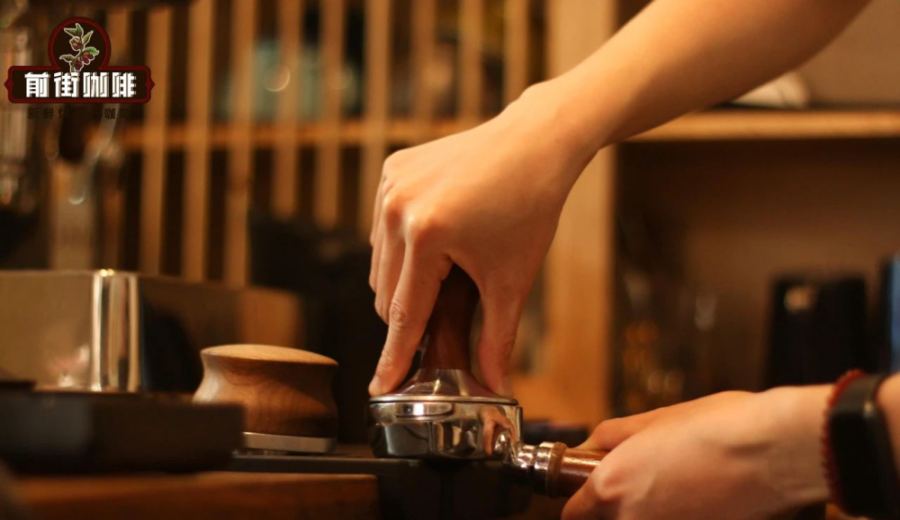
During the espresso extraction process, the tamper plays a pivotal role. This seemingly simple metal tool is not only responsible for compressing the coffee grounds but also directly affects the uniformity of extraction and the final flavor profile. From professional baristas to home enthusiasts, using the tamper correctly can significantly enhance coffee quality, and understanding its underlying design principles and selection criteria can help you make the right choice based on your needs.
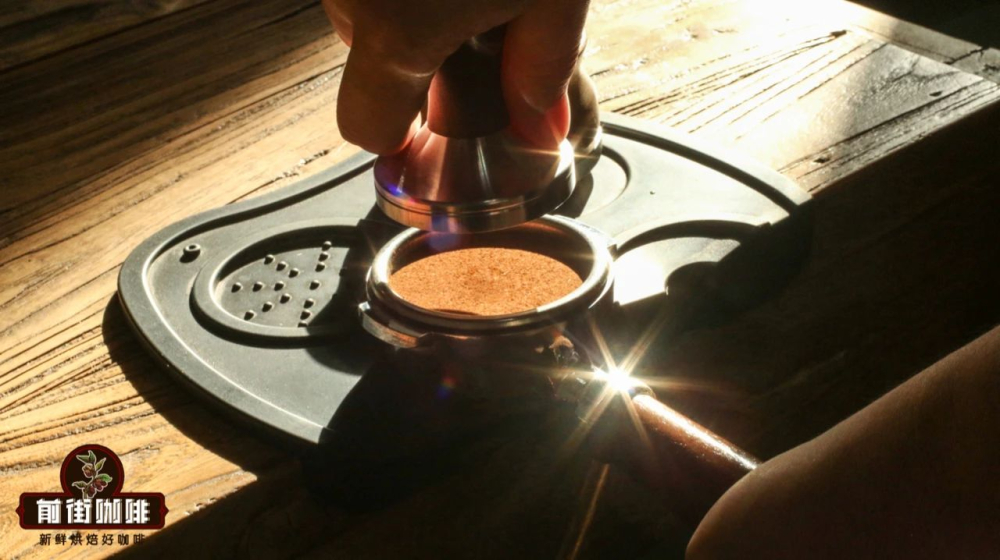
The main functions of the tamper include three aspects: first, it evenly compresses the ground coffee to ensure that hot water can smoothly penetrate the coffee puck, improving extraction efficiency; second, it maintains consistent porosity between coffee particles, preventing uneven expansion that could lead to over-extraction or under-extraction in certain areas; and third, it presses the coffee bed into a flat surface so the puck can withstand the intense pressure during high-pressure extraction by the machine, preventing structural collapse that might affect taste. These details are directly related to whether you can consistently extract the captivating flavors of coffee.
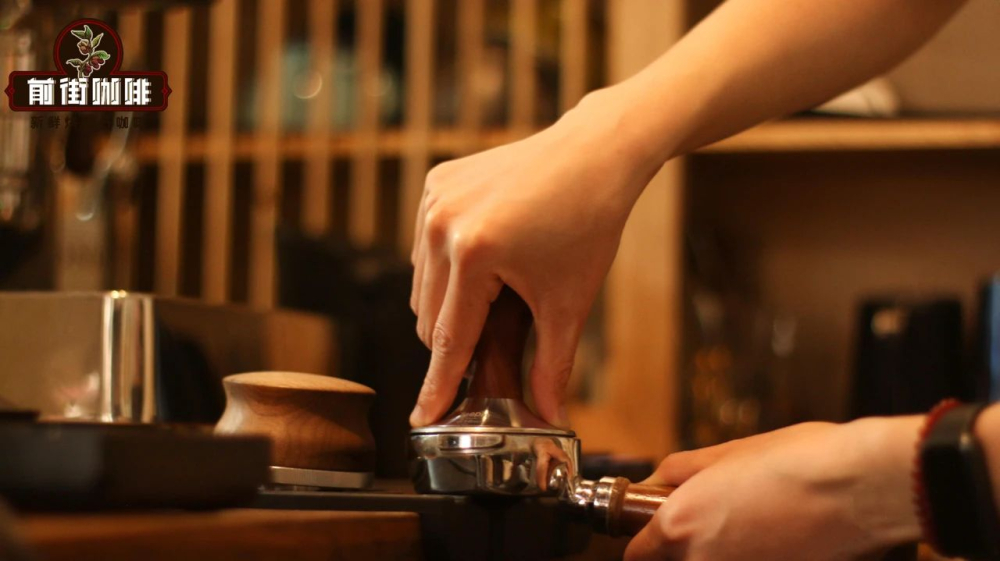
The differences in tamper sizes mainly come from the varying designs of commercial and home espresso machines. Common small-sized tampers range from approximately 49mm to 53mm, while larger ones fall within the 57.5mm to 58.5mm range, with 58mm being the most common standard on the market, as it balances production convenience and compatibility with most commercial portafilter baskets. However, because the basket designs of different brands of espresso machines vary slightly, certain situations may require specific tamper sizes to achieve the best tamping effect. Additionally, tamper prices can vary widely, ranging from just a few dozen yuan to over 300 yuan, depending on their material, weight, design, brand, and even whether they are limited editions.
Tampers can generally be divided into one-piece and two-piece types, and their bases also come in various designs such as flat, slightly concave, or with special textures—all aimed at helping users apply force more stably and evenly. No matter which type you choose, the key is that it matches the size of your portafilter basket and provides stable and consistent tamping performance. Some professional baristas prefer tampers of a specific weight or with a particular grip feel, which is also a consideration when making a purchase.
Although both tampers and French presses involve the action of "pressing," they actually follow completely different brewing logics. The French press is an immersion brewing tool, and its operation is very simple: just add coarsely ground coffee to the pot, pour in hot water, let it steep for a few minutes, and then press down the filter. However, precisely because it's an immersion method, if the coffee is ground too finely, it can easily lead to over-extraction and produce bitter, off-flavors. Therefore,it is recommended to use a coarser grind than pour over, roughly the size of coarse sugar.
Taking berry-toned coffee beans as an example, when using a French press, it’s suggested to steep for about 4 minutes. This duration usually allows the coffee flavors to fully develop, including bright rose-like floral notes, citrus, grapes, and strawberry fruit characteristics. If you prefer a stronger expression, you can slightly extend the steeping time, but be mindful of flavor balance to avoid excessive tannin release leading to a harsh mouthfeel.
In summary, whether it’s the tamper used in espresso or the coarser grind for the French press, both demonstrate the principle that "details determine flavor" in coffee brewing. Understanding how to use these tools and set the right parameters can help you more precisely control brewing conditions each time, whether you’re pursuing bold espresso or elegant French press coffee—you’ll find your own optimal results.
The above content is compiled by CoffeeHunters, a coffee news website.


