







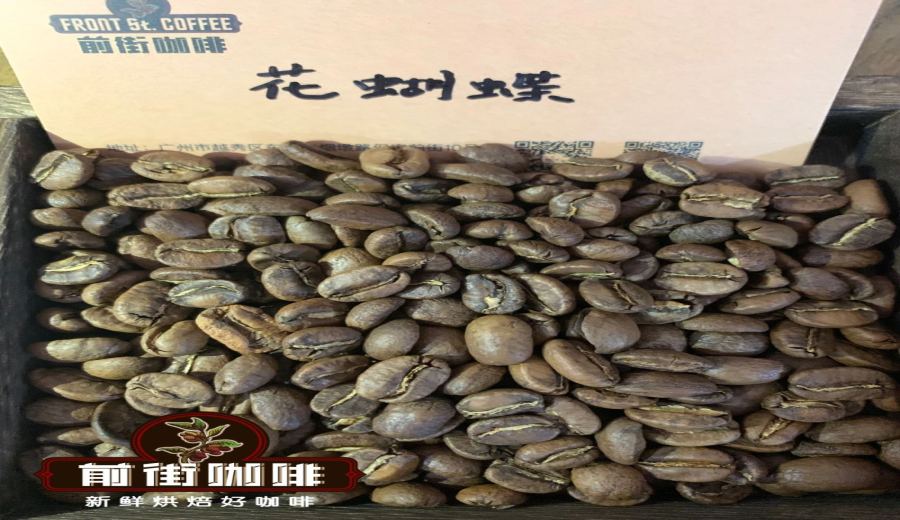
Introduction:The Geisha-influenced and affordably priced Flower Dance coffee beans from Panama’s Boquete region boast a rich and layered flavor profile that’s easy to access. This washed blend of Geisha, Caturra, and Catuai is a common feature on pour over enthusiasts’ recommendation lists. This article delves into the region’s characteristics, variety composition, and roasting strategy, while also providing practical pour over parameters and cupping insights to help you master the brewing techniques for this high-value Panamanian bean.
In the highlands of Boquete, Panama, there is a highly regarded washed coffee bean—Flower Dance—that has become a top choice for many coffee lovers due to its Geisha-like flavors and reasonable price. This blend from the Barú Volcano region combines three varieties: Geisha, Caturra, and Catuai. After undergoing washed processing, it reveals layers of peach, nuts, honey, and green tea. Is it technically a single-origin bean? And how does it maintain Geisha characteristics while offering great value? The following will fully break down its regional background, processing details, and brewing essentials.
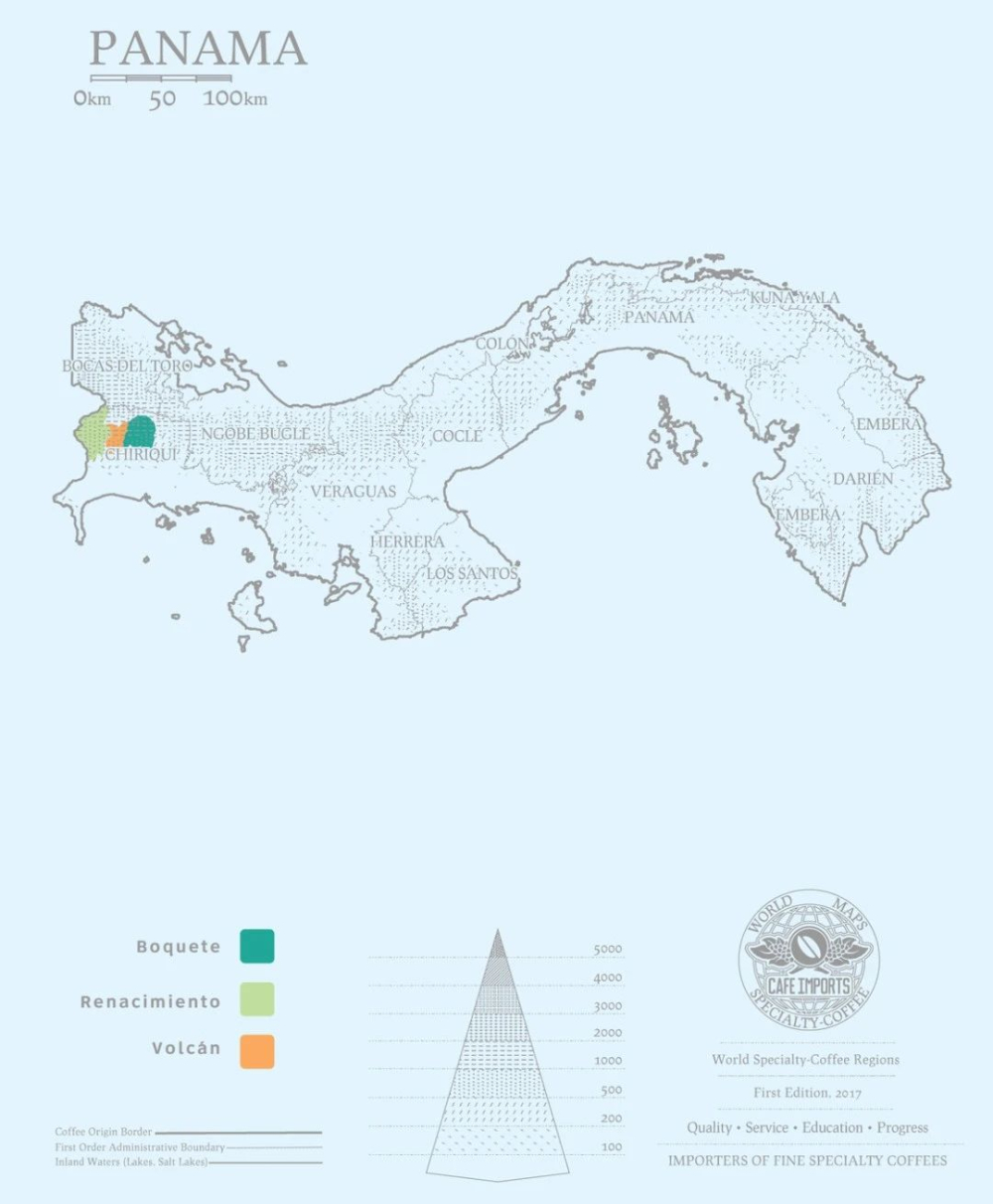
Boquete is located in Chiriquí Province, Panama, bordering Costa Rica and the Barú Volcano. Situated in a microclimate zone at an altitude of about 1,600 meters, it features fertile volcanic ash soil and significant day-night temperature variations. This unique environment has given rise to several renowned specialty coffees. In addition to Hacienda La Esmeralda, Elida Estate and Duncan Estate in Caturra Valley also belong to this region. The cultivation base of Flower Dance is right here, leveraging the area’s abundant rainfall and meticulous harvesting techniques, paired with washed processing, to impart the coffee with a rich acidity and clear floral notes.
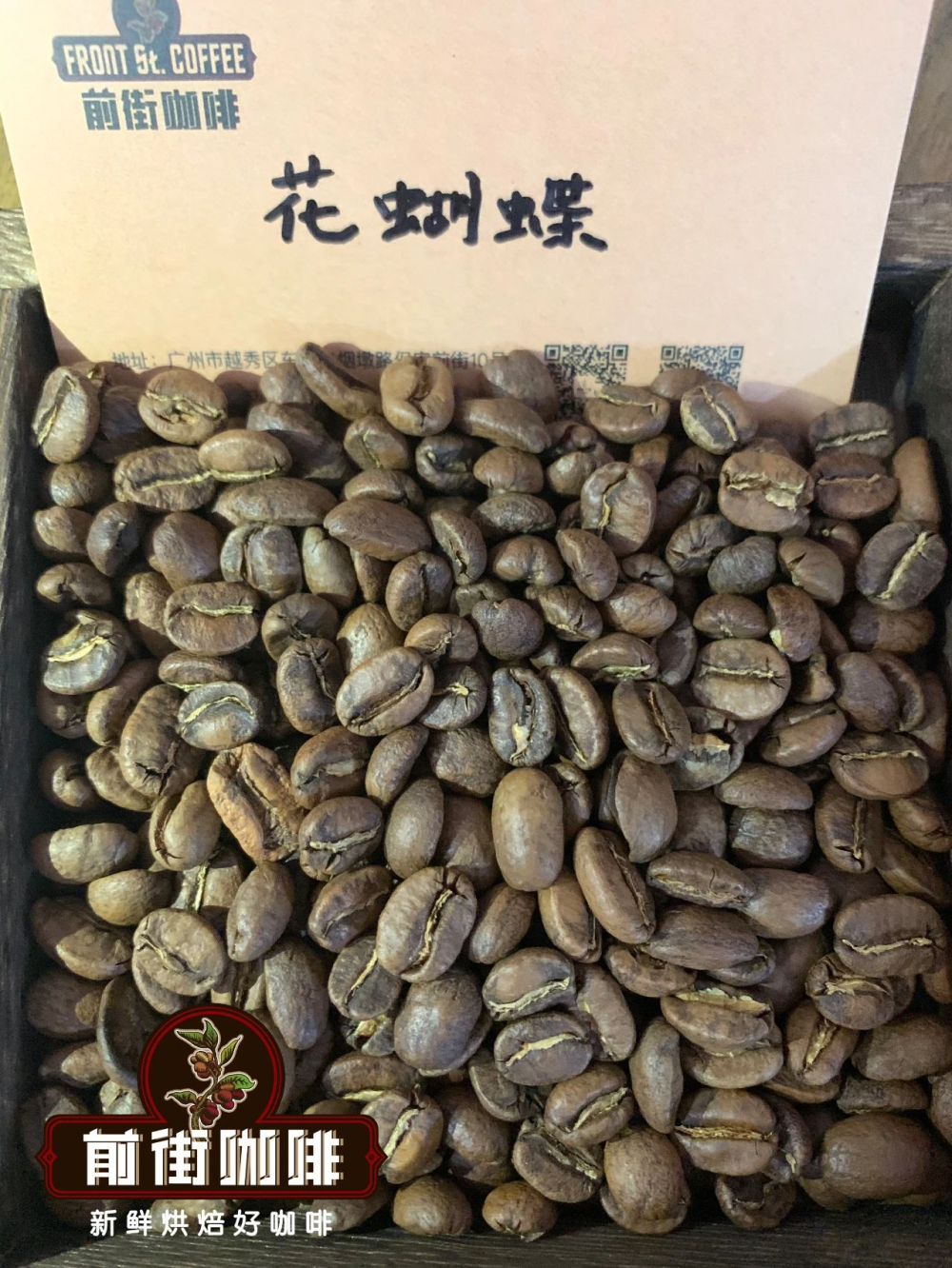
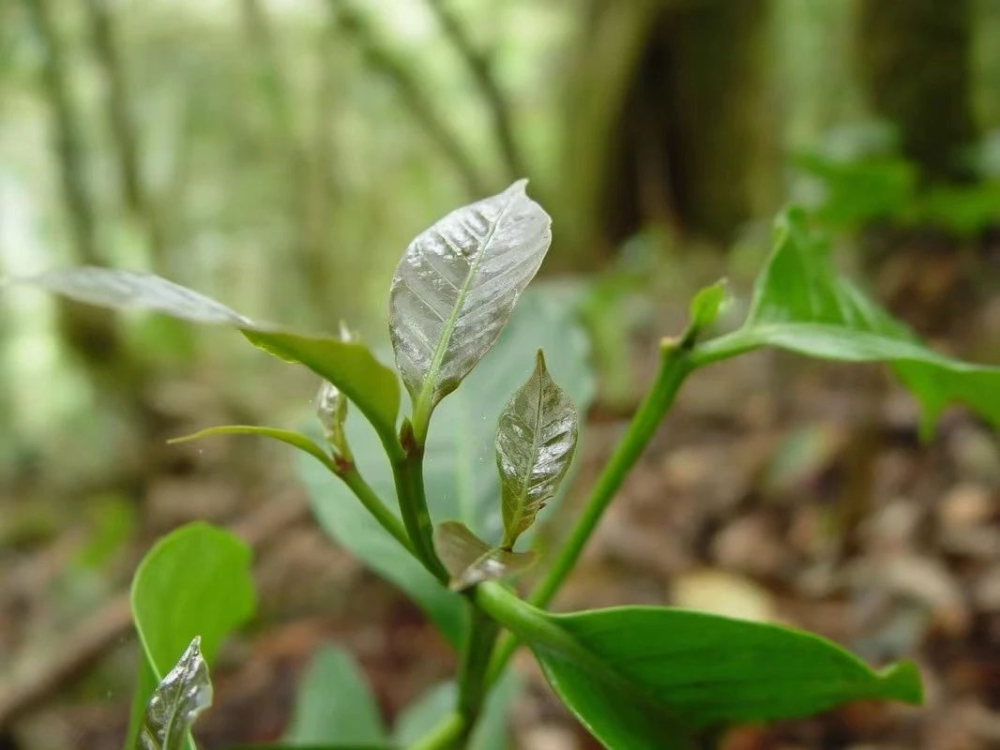
Regarding the variety composition of Flower Dance, there is actually a historical backstory. In the early days, the estate mixed Geisha with Caturra and Catuai to increase yield. Although they later implemented zoned management, the three varieties remained blended upon export. Since they all come from the same region and altitude, they are technically still categorized as a single-origin bean. More importantly, the Geisha content exceeds 50%, allowing it to deliver the distinctive white grape, caramel, and high-mountain black tea notes of Geisha, without the premium price tag.

In terms of processing, Flower Dance follows a standard washed process, with the green beans having a moisture content of only 9.9%. It requires low-temperature bean loading combined with high heat for rapid dehydration to avoid over-fermentation. Roasters recommend a medium-light roast to shorten the Maillard reaction time and preserve small-molecule aromatic compounds. Specific parameters can be set as follows: bean inlet temperature at 200°C, first crack around 184.5°C (±0.5°C), total duration controlled at approximately 8 minutes and 31 seconds, and dropping the beans at the beginning of first crack densification to lock in floral and honey aftertastes.
Cupping results show that Flower Dance has a wet aroma hinting at citrus and jasmine, with a flavor profile centered around peach, grapes, caramel, and honey, and a finish that brings out the soft notes of high-mountain black tea. The overall body is clean and transparent, with medium acidity and prominent sweetness, making it suitable for drinkers who prefer balanced flavors. To further explore its potential, you can try adjusting grind size and water temperature—for example, lowering the temperature by 0.5°C or using a medium-fine grind to enhance fruity acidity.
In terms of brewing suggestions, Flower Dance is compatible with a variety of brewing methods, including pour over drip, siphon, and French press. Taking the V60 pour over as an example, it is recommended to use 15 grams of coffee, water at 89–90°C, and a 1:15 coffee-to-water ratio. The first step is to pour 30 grams of water for a 28–30 second bloom, observing the expansion of the coffee grounds; the second pour is up to 110 grams, then pause until the water level drops halfway before continuing to a total of 225 grams. The final 5 grams can be omitted, with a total extraction time of about 2 minutes. Pay attention to water flow stability and stirring techniques to avoid over-extraction that could lead to bitterness.
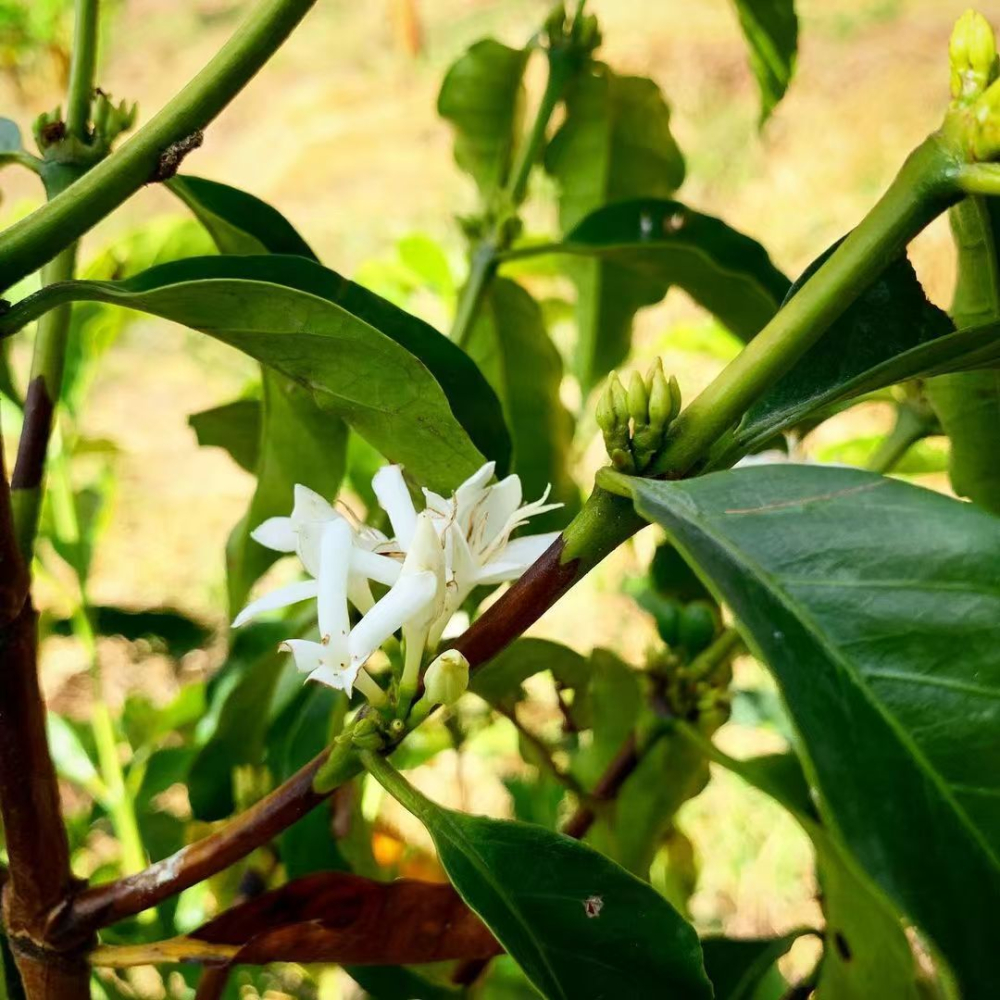
In practice, Flower Dance is highly adaptable—even slight adjustments to parameters can bring out different profiles. For example, increasing the water temperature can enhance caramel aromas, while reducing the grind size helps release fruity acidity. Additionally, its high sweetness makes it suitable for pairing with cold drip or cold brew methods, further extending flavor longevity. Whether as a daily drinker or for tasting practice, this Boquete washed bean offers a stable and layered experience.
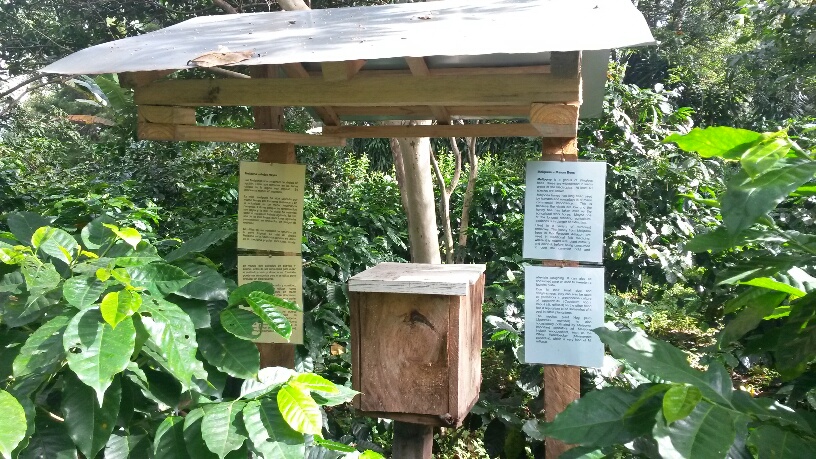
In summary, Flower Dance coffee beans occupy a unique position within the Panamanian region thanks to their Geisha heritage, clarity from washed processing, and affordable pricing. From the region’s microclimate to the design of the roast curve, every element lays the foundation for its flavor. Through the analysis in this article, readers can not only understand the story behind the beans but also master practical brewing techniques to explore the diverse possibilities of this high-value bean.
The above content is compiled by CoffeeHunters, a coffee news website.


