







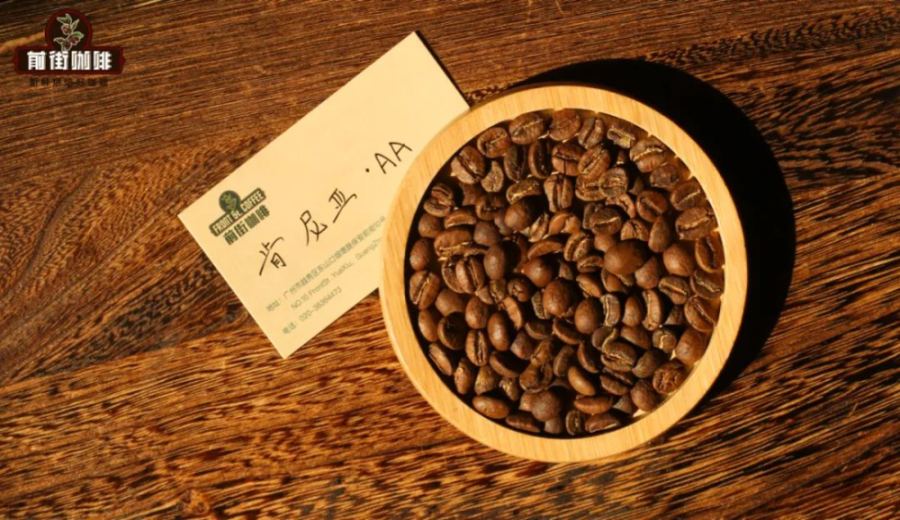
Introduction:When purchasing coffee beans from origins such as Kenya, you often come across grading labels like AA, AAA, etc. Behind these letters lie key criteria such as bean size and defect rate. This article delves into the grading systems of major coffee-producing regions, explaining everything from basic rules to the meanings of secondary gradings like TOP and Plus. It will help you decipher the quality codes behind bean names and provide practical selection tips to assist you in picking high-flavor beans suitable for pour over or extraction.
When choosing coffee beans, have you noticed the common AA or AAA markings after the names? These seemingly simple letters are actually a refined grading system for coffee quality by origin. Regions like Kenya use strict standards to differentiate bean grades, with clear specifications on factors such as bean fullness and defect ratio. Understanding these grading logics can help you more accurately assess a coffee’s potential.
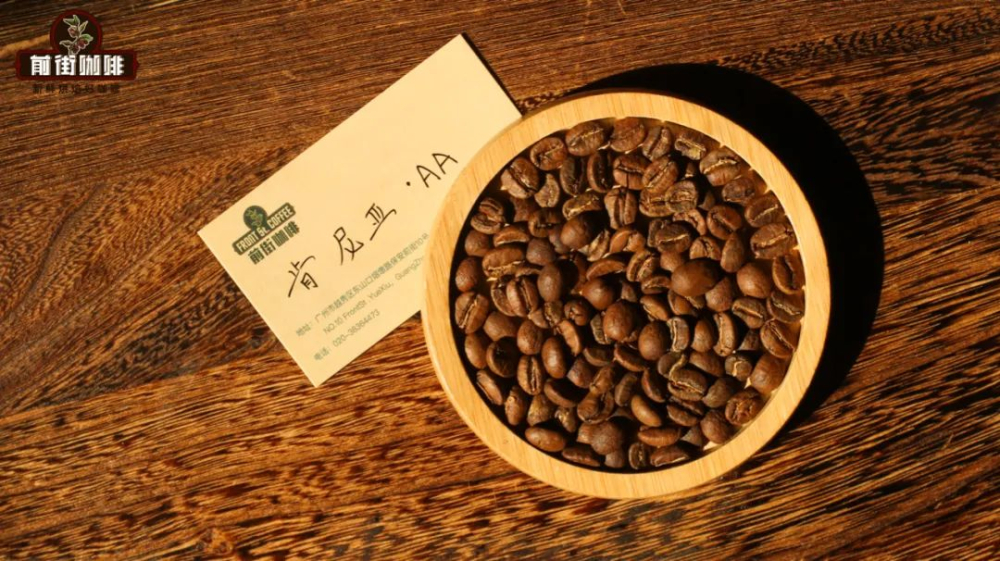
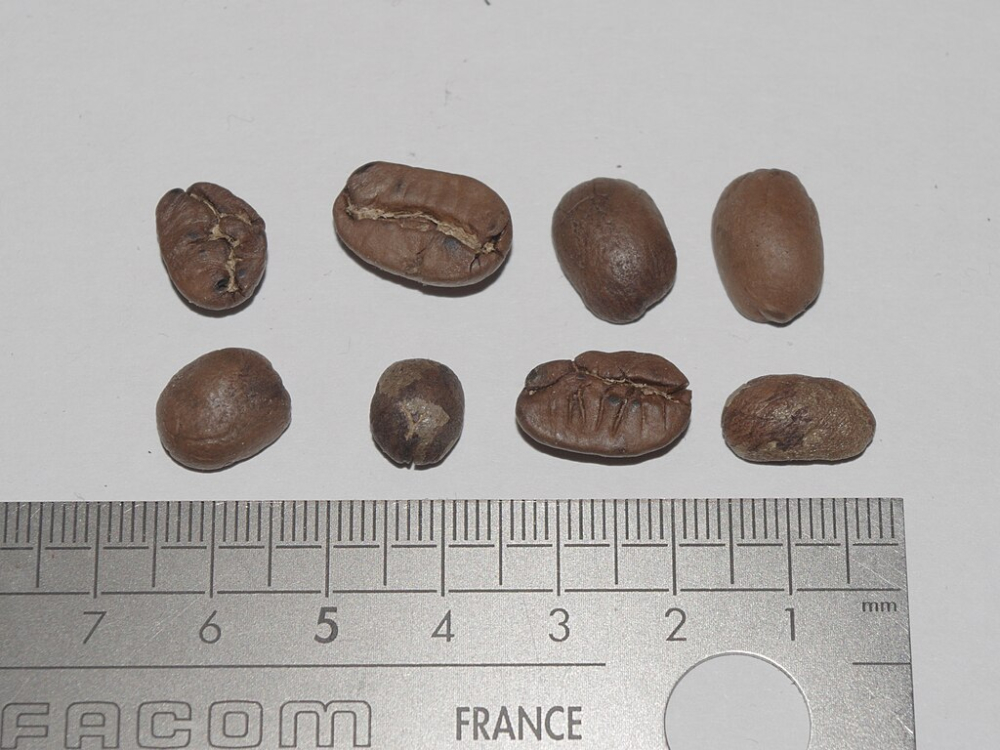
The grading of coffee beans is not arbitrary but primarily based on two core indicators: bean size and defect rate. Larger and more intact beans are usually more fully developed and better able to retain flavor compounds; lower defect rates mean fewer unripe, insect-damaged, or otherwise defective beans, resulting in higher purity after brewing. For example, in Kenya, coffee beans are divided into multiple grades such as AA and AB, where the AA grade often represents a selected premium batch.
It’s worth noting that in addition to the basic grades, there are also secondary grading labels such as TOP, Plus (+), and FAQ. When a batch of beans performs exceptionally well within a given grade (such as AA or AB), these symbols are added—for instance, Kenya AA Top or Kenya AA+, indicating that the batch has achieved a higher standard in terms of flavor, cleanliness, or body. FAQ, on the other hand, means that a small number of defective beans are allowed, as long as their proportion is within a certain range and they have minimal impact on overall flavor.
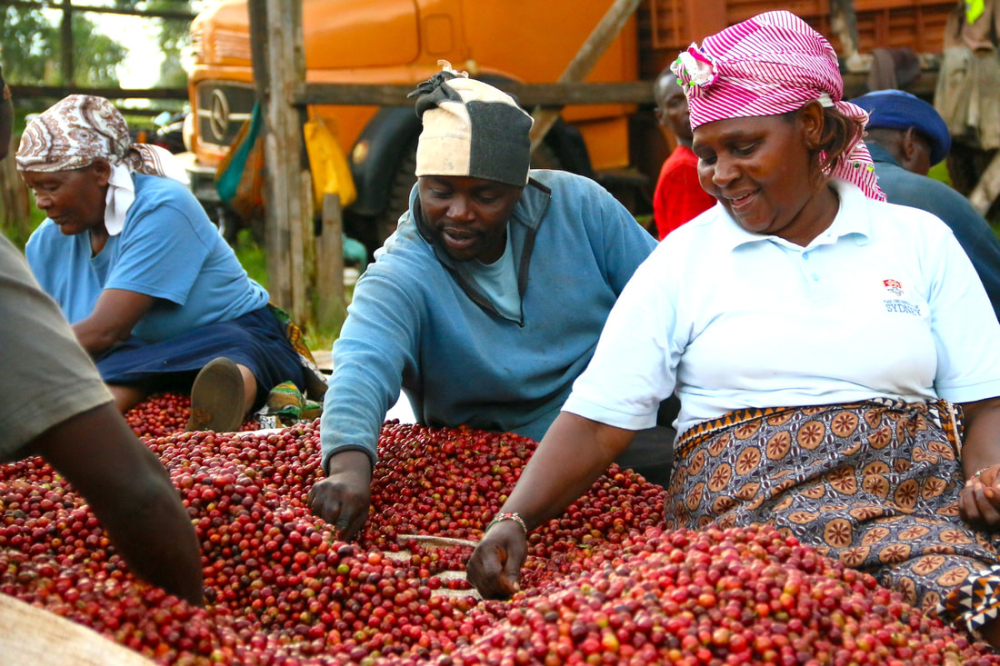
A glance at the market reveals that many coffee product names end with the suffix AA, with the Kenyan region being the most typical. Examples include Kenya·Nyeri AA and Kenya·Keruguya AA. These names not only indicate the origin but also imply the bean selection criteria through the AA grade.Kenya’s grading system is mainly based on screen mesh aperture.Grade AA typically corresponds to beans screened through larger mesh sizes, which theoretically develop more uniformly.
For the average consumer, understanding these grades can help make more informed purchasing decisions. If you’re aiming for high flavor performance, prioritize batches labeled with AA or AAA and additional TOP or Plus markers; if you’re focused on value, FAQ-grade beans are also worth trying—as long as they are roasted properly, they can still deliver a satisfying taste.But it’s important to note that grade is just one reference factor.The final flavor is also influenced by processing method, roast level, and brewing technique.
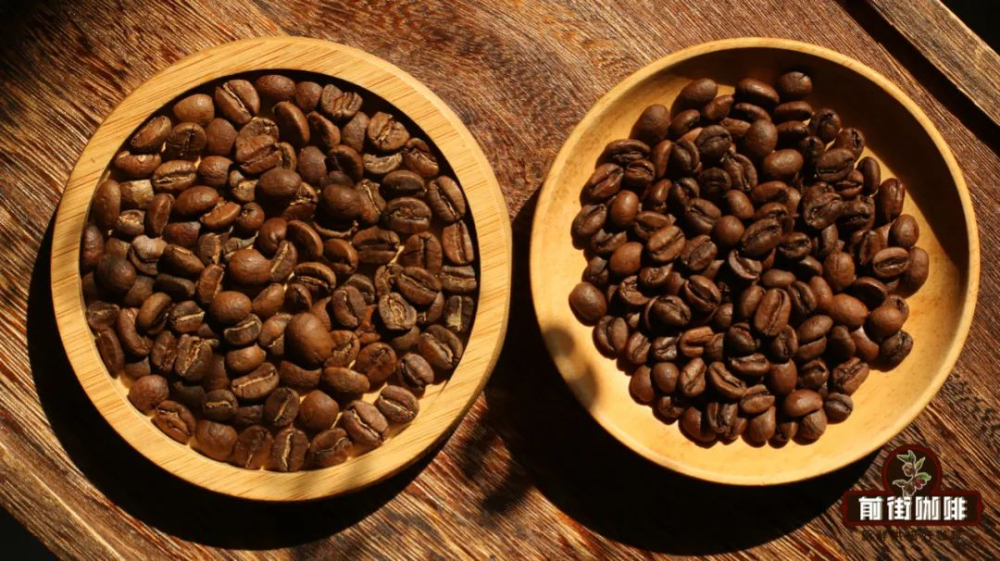
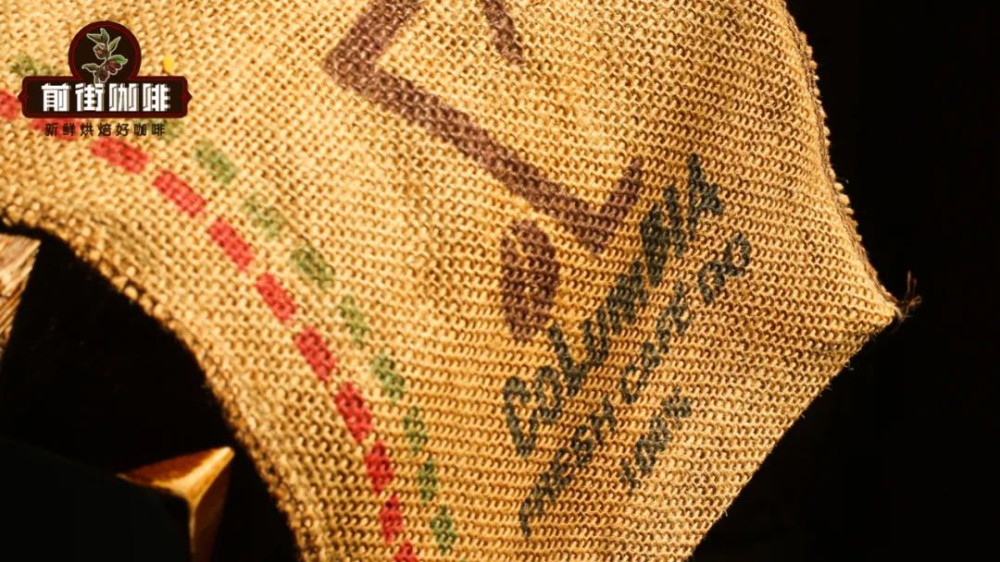
Beyond Kenya, other origins have their own grading rules. For example, Ethiopia commonly uses G1 and G2 distinctions, while Colombia grades beans based on screen numbers. But no matter the system, the focus remains on bean quality and defect control. The next time you purchase coffee beans, pay closer attention to the grade labels after the names and choose a grade that better suits your taste preferences (such as a preference for fruity acidity or body).
Here’s a helpful tip: pour over coffee is generally more suited to medium-light roasted premium-grade beans (like AA or AAA), which better highlight floral and fruity notes; whereas with dark roasts, FAQ-grade beans can also deliver rich nutty and chocolatey flavors through extended development time.Before actual brewing,it’s recommended to first understand the bean’s processing method (washed, natural, etc.) and the microclimate of its origin. These factors, together with the grade, determine the final cup profile.
In summary, grading labels like AA and AAA on coffee beans are not just marketing gimmicks, but results of quality screening based on objective standards. From bean size and defect rate to secondary grading markers like TOP and Plus, every detail influences the final flavor of the coffee. Mastering these basics not only helps you make more directed choices when buying beans, but also deepens your understanding of the value in the cup you’re holding.

The above content is compiled by CoffeeHunters, a coffee news website.


