








Introduction:Panama’s Geisha coffee from Hacienda La Esmeralda is world-renowned for its unique floral and fruity characteristics and high-level aromatic complexity. This article delves into the differences among the three major grades—Red Label, Green Label, and Blue Label—including their growing regions, altitude, processing methods, and auction mechanisms. It also provides detailed cupping notes, roasting suggestions, and pour over parameters to help coffee enthusiasts fully appreciate the diverse charm of Geisha, whether you’re a beginner or an advanced enthusiast.
Geisha coffee from Panama’s Hacienda La Esmeralda (La Esmeralda) has secured a legendary status in the specialty coffee world with its vibrant floral and fruity aromas and remarkable clarity. Since it first won the Best of Panama (BOP) competition in 2004, it has consistently led the rankings, establishing itself as an undisputed symbol of premium coffee. This article will comprehensively break down the background, grading logic, processing features, actual flavor profiles, and brewing recommendations of La Esmeralda’s three classic grades—Red Label, Green Label, and Blue Label—to help you understand the diverse expressions of Geisha from the ground up.
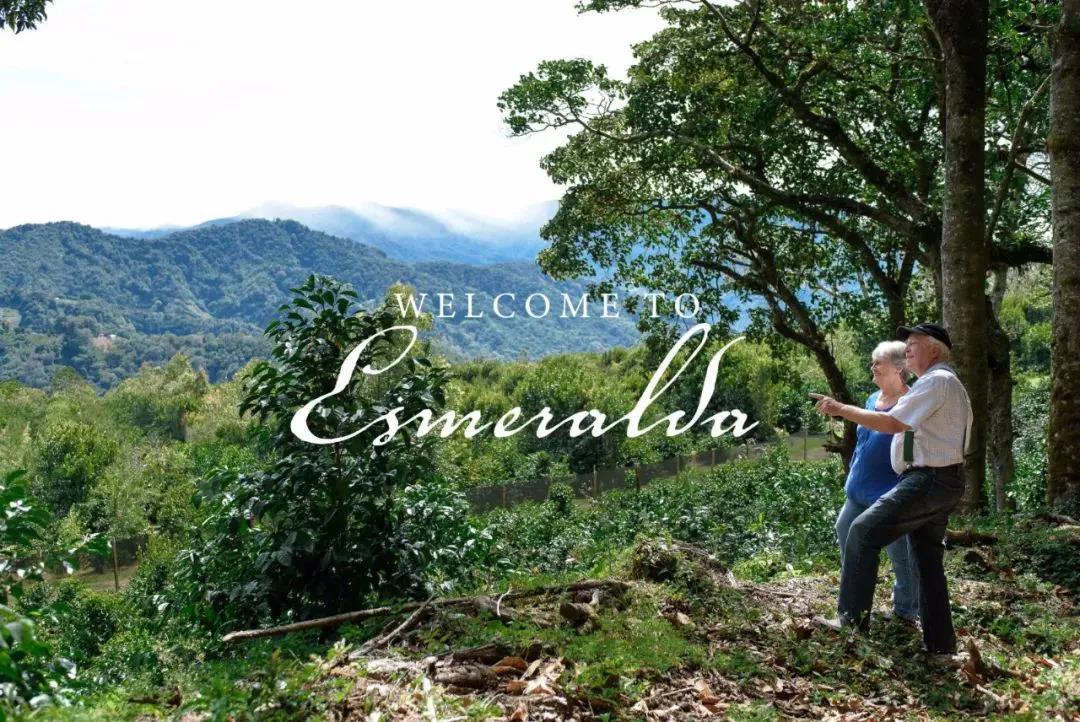
When it comes to the rise of Geisha, one must mention the foresight of Hacienda La Esmeralda’s owner, Daniel Peterson. On his newly acquired Jaramillo Estate, he discovered a group of coffee trees with distinct morphology in the lower-altitude area. After expert identification, these were found to be the Geisha variety, which had been introduced from Costa Rica years earlier but was largely abandoned by farmers due to its low yield. Daniel decided to transplant these Geisha trees to higher-altitude sections, which unexpectedly brought out intense citrus and floral aromas. In 2004, these beans made their competition debut and instantly became famous, subsequently topping the BOP rankings year after year and becoming the focus of global auctions.
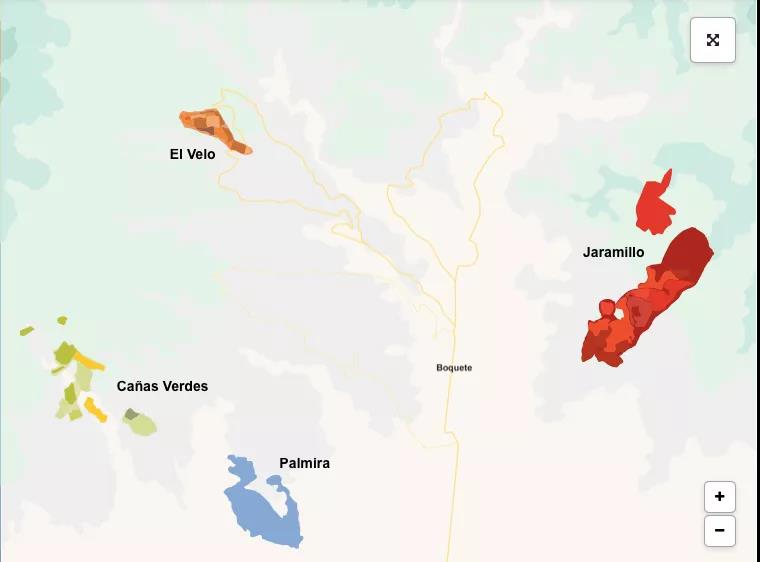
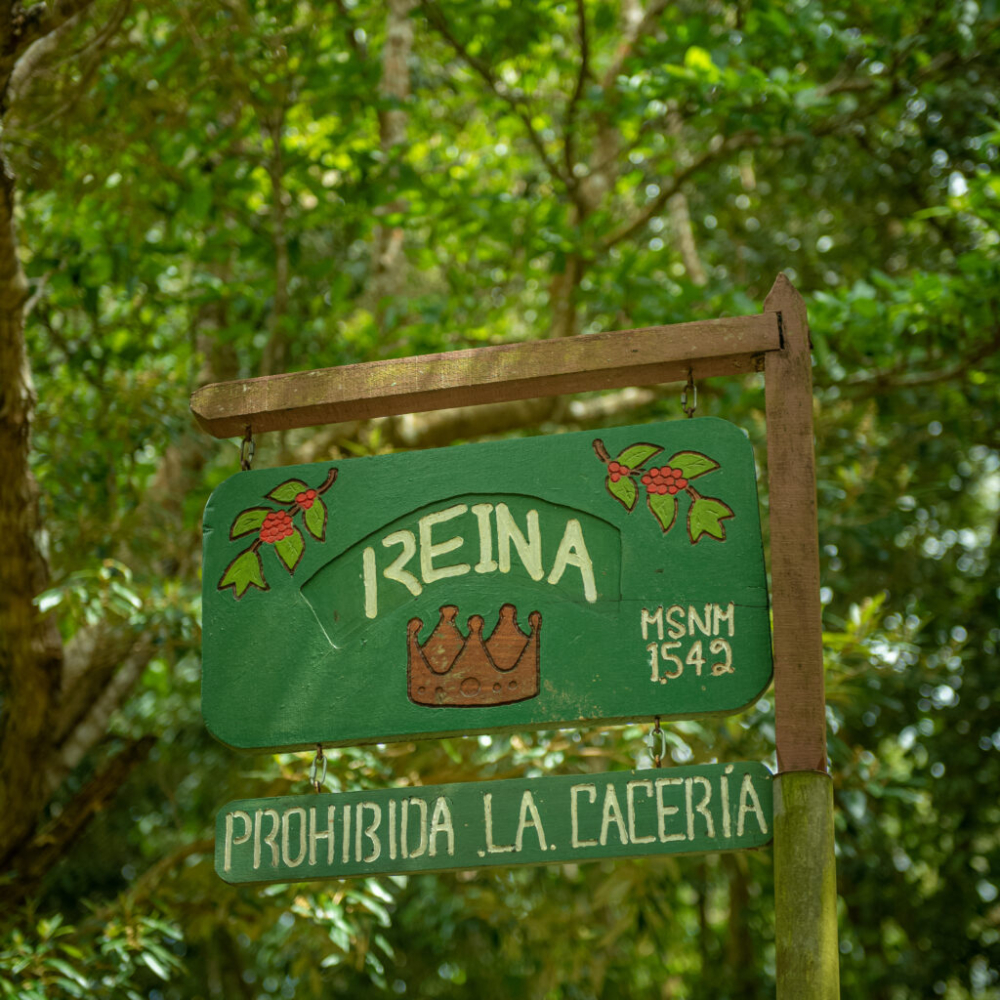
Geisha cultivation at Hacienda La Esmeralda is concentrated in two core plots—Jaramillo and Canas Verdes. The former receives an average annual rainfall of 4,000 mm, with significant day-night temperature differences (daytime 19–25°C, nighttime 11–15°C) and an altitude of 1,600–1,700 meters, divided into five sub-sections: Mario, Noria, Reina, Bosque, and Buenos Aires. The latter sees about 3,500 mm of rainfall annually, with slightly lower temperatures (daytime 16–23°C, nighttime 10–15°C) and an altitude of 1,600–1,800 meters, comprising nine micro-plots including Lino, Coronado, and Fundador. Additionally, the newly acquired high-altitude area “El Velo” (altitude 1,700–1,900 meters) also grows Geisha, divided into seven smaller blocks, where varieties such as Laurina and Pacamara are experimentally cultivated.
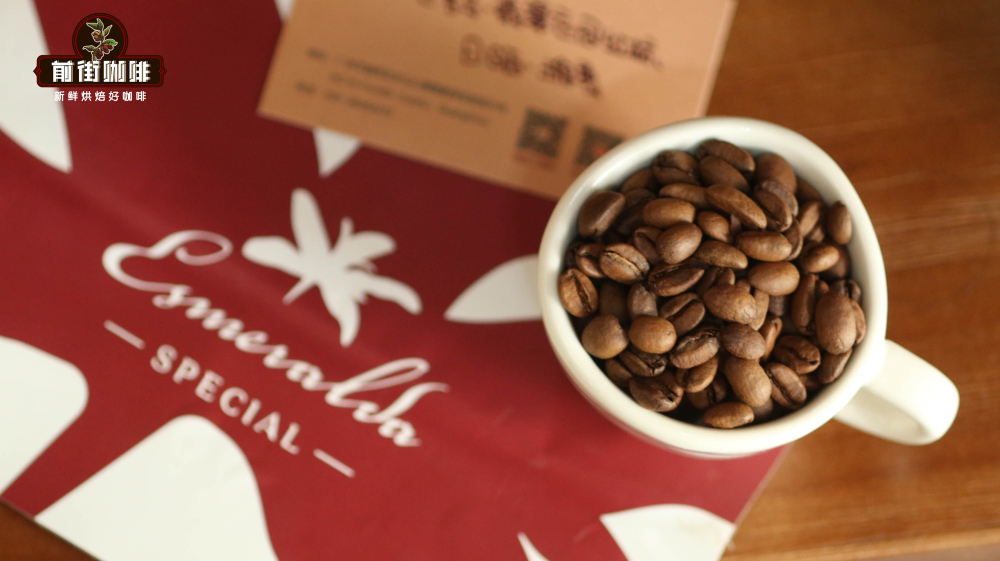
Hacienda La Esmeralda classifies Geisha into three major grades based on altitude and cupping scores: Red Label, Green Label, and Blue Label. The Red Label (Esmeralda Special) is sourced from Jaramillo and Canas Verdes at altitudes of 1,600–1,800 meters, with cupping scores exceeding 90 points, often from specific auction plots (such as Mario), making it top-tier, collectible-grade Geisha. The Green Label (Private Collection) also comes from high-altitude regions (1,600–1,800 meters) but consists of non-auction micro-lot blends without traceable single-plot origin. Its flavors are often similar to those of the Red Label, yet it offers better value. The Blue Label (formerly Geisha1500, now renamed Los Rocas) uses blended beans from altitudes of 1,400–1,500 meters, including sections from Jaramillo, Canas Verdes, and the El Velo area. Until 2022, it was exclusively washed processed, offering a brighter, more refreshing profile with noticeable sweetness but slightly lower body.
The Red Label Geisha, represented by auction lots (non-auction lots also fall under this grade), such as the commonly cited Mario plot, is processed with slow sun drying to enhance floral, citrus, and honey layers. For roasting, it is recommended to start at 150°C, steadily increase the temperature until just before first crack, adjust the air intake and heat during the pre-first-crack phase, continue for 1 minute and 28 seconds after first crack, and drop the beans at 189.5°C to highlight bright acidity and fruity notes. Cupping notes include a complex profile of lemon, honey, berries, and citrus, with a clear tea-like mouthfeel and a long aftertaste.
The Green Label Geisha is mostly washed or sun-dried processed. Taking the washed version as an example, its flavors showcase delicate aromas of jasmine and ginger flower, paired with citrus acidity and a rich juice-like body, balanced with sweet notes. Recommended roasting parameters are to start at 190°C, with first crack beginning at 8’30”, and drop the beans after 1 minute and 30 seconds of development post-first crack (193.5°C). It suits drinkers who prefer a fresher profile.
The Blue Label Geisha (now mostly referred to as Los Rocas) is exclusively washed processed (sun-dried versions are listed separately), using blended beans from altitudes of 1,400–1,500 meters. Its flavors are dominated by subtle floral notes, fruity acidity, and sweetness, with a lighter but brighter body. For the washed version, it is recommended to start at 180°C, develop for 1 minute and 28 seconds after first crack, and drop at 190°C, yielding notes of lemon, honey, and nuts. The sun-dried version, on the other hand, exhibits a pronounced fermentation character, with standout berry-juice flavors and high sweetness.
For brewing, it is recommended to use a V60 #01 filter, with 15 grams of coffee, a 1:16 coffee-to-water ratio, and a grind size of approximately 80% through a #20 sieve, with water temperature controlled at 90–91°C. A step extraction method (30g bloom for 30 seconds, then slow pouring to 125g, followed by pouring to 225g) helps clearly highlight the layered complexity of Geisha. The Red Label is ideal for experiencing the richness of mixed fruits and honey, the Green Label emphasizes the balance of citrus and floral notes, the washed Blue Label showcases citrus acidity and tea-like qualities, while the sun-dried Blue Label shines with its sweet juice flavors.
The above content is compiled by CoffeeHunters, a coffee news website.


