







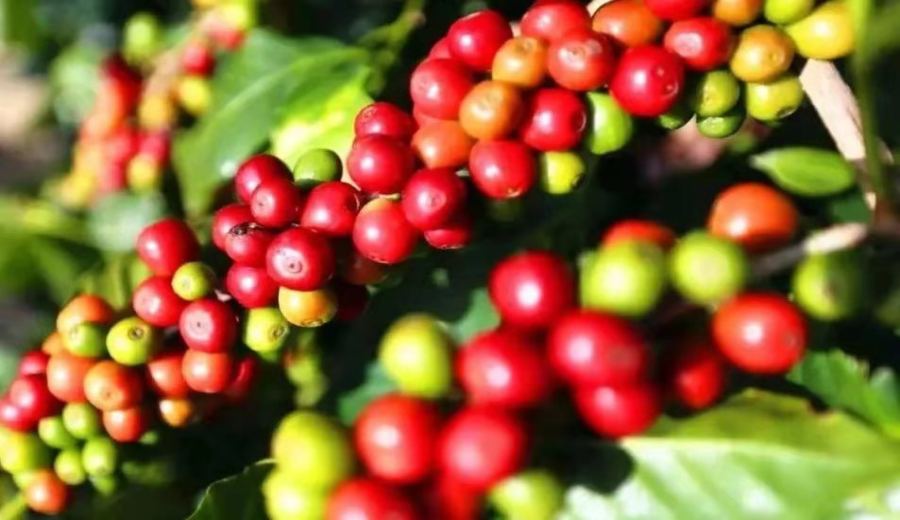
Introduction:The global coffee market is primarily dominated by three main species—Arabica, Robusta, and Liberica—each occupying distinct market positions and catering to different consumer preferences. Understanding their origin characteristics, flavor profiles, and growing conditions can help you choose beans suited to specific brewing methods. This article delves into the origins, evolution, major producing countries, processing traits, and cupping profiles of these three species, along with practical brewing and storage tips, to help both beginners and advanced coffee enthusiasts establish a foundational understanding of variety identification.
The diversity of coffee varieties creates a rich spectrum of drinking experiences, with Arabica, Robusta, and Liberica being the three most prominent species. Together, they account for approximately 75%, 20%, and 2% of total coffee production worldwide. Not only do they differ greatly in growing environments, but they also each offer unique flavor expressions. Whether you’re just starting your pour over journey or searching for beans ideal for espresso, understanding the characteristics of these three species will help you grasp the fundamental differences in coffee flavor.
Arabica: The Refined Flavor Born at High Altitudes
Arabica, also known as small coffee, originates from Ethiopia and is currently the most widely cultivated and highly regarded coffee species. Around three-quarters of the world’s coffee production comes from Arabica. Its well-known subspecies, such as Typica and Bourbon, originated in Ethiopia and Yemen before being transplanted to Central and South America, Africa, and Asia, where they gradually evolved. This species thrives in high-altitude mountainous environments ranging from 1,000 to 2,000 meters, with an optimal temperature range of 15 to 24°C. It requires ample rainfall (at least 1,500 mm annually) and has relatively low resistance to pests and diseases, especially being susceptible to leaf rust.
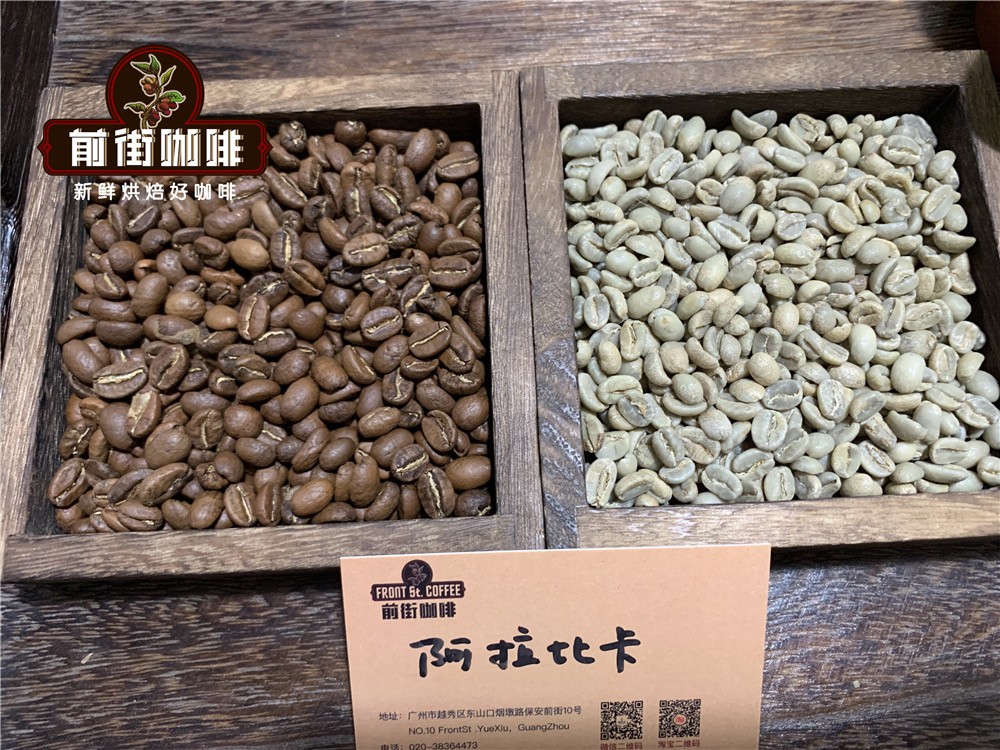
Arabica coffee trees are shrub-like in form, with dark green oval leaves and elliptical fruits that typically contain two flat beans. In appearance, raw beans have a slender, curved S-shaped center cut, with uniformly sized beans and a noticeably glossy color.Its flavors are dominated by fruity, floral, caramel, and chocolate notes, with bright acidity. Caffeine content is only about 0.8%–1.5%, making it suitable for single-origin brewing or specialty blends.With moderate roasting, light to medium roasts can highlight fruity notes, while darker roasts bring out rich caramel and nutty flavors. It is the mainstream choice for pour over coffee and specialty coffee.
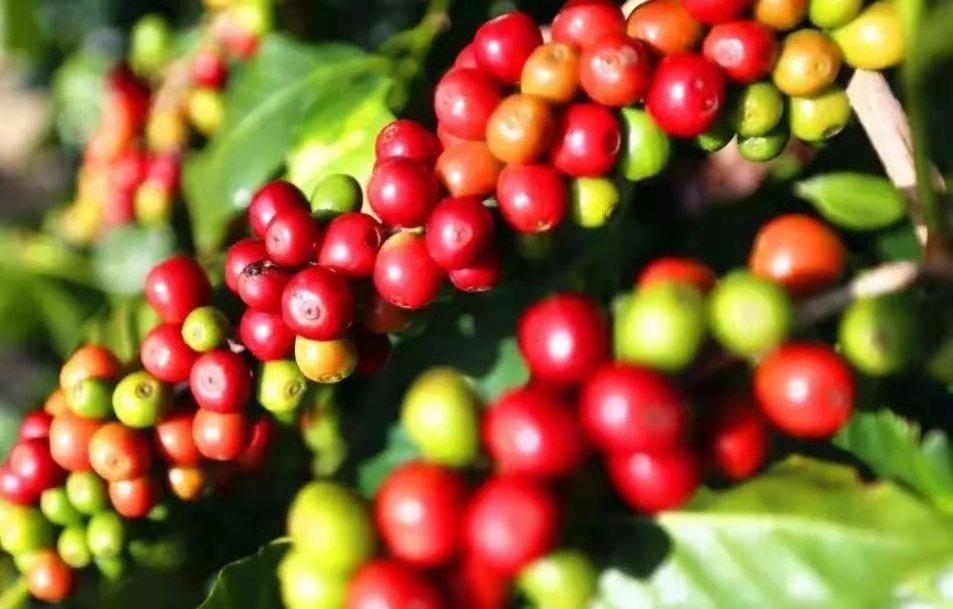
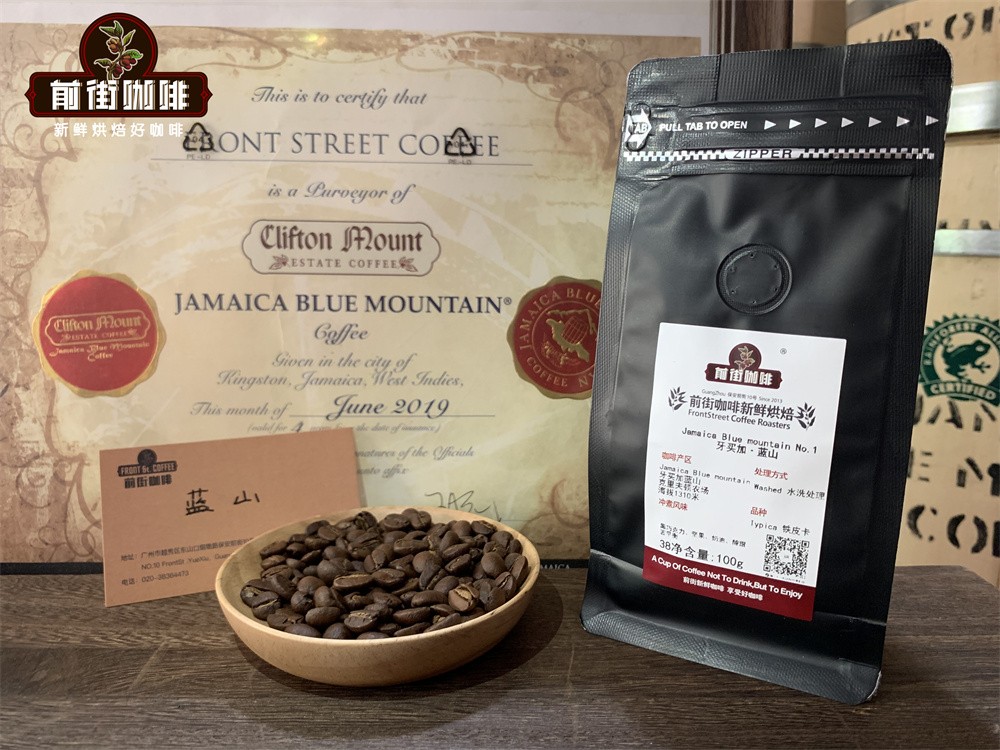
Typica is one of the most original Arabica varieties, featuring bronze-tipped leaves and slender beans, with delicate flavors but lower yield and higher susceptibility to disease. Bourbon, a mutation of Typica, has rounder beans and includes common variations such as Red Bourbon, Yellow Bourbon, and Pink Bourbon. Among them, Red Bourbon is noted for its outstanding aroma and lively acidity, making it ideal for drinkers who enjoy a wine-like fermented profile. Classic examples often found in some cafés include Blue Mountain, Mocha, and Sumatra Mandheling, all of which are iconic representatives within the Arabica category.
Robusta: The Bold and Intense Commercial Staple
Robusta, also known as medium coffee, originates from the Congo region of Africa and accounts for approximately 20% of global production. It is mostly cultivated at low altitudes between 200 and 800 meters, thriving in high temperatures (24–29°C) and low rainfall environments. It exhibits strong resistance to pests and diseases, but its flavor profile is generally inferior to that of Arabica. Robusta coffee trees can grow up to 10 meters tall, with plump fruits, a straight central crack, rounder and harder beans, and visibly straight and pronounced fissures.
Robusta contains up to 2.26% caffeine, far exceeding Arabica’s 1.5% or less, resulting in a flavor that is more bitter, woody, and earthy, often accompanied by notes of nuts, peanuts, and grains.Although it is commonly used in instant coffee or commercial blends, it plays a key role in espresso—adding no more than 10% Robusta can significantly enhance crema thickness and overall body, making milk-based coffee more robust.
This species requires lower cultivation techniques, yields are stable, and it is commonly grown in Vietnam, Indonesia, and parts of Africa. Though its flavor is often considered more “rough,” under specific extraction methods and blend ratios, it can still showcase unique layers and structural support.Robusta has a rich crema, making it a staple base bean for many café daily offerings.
Liberica: The Niche, Bold Large Bean Variety
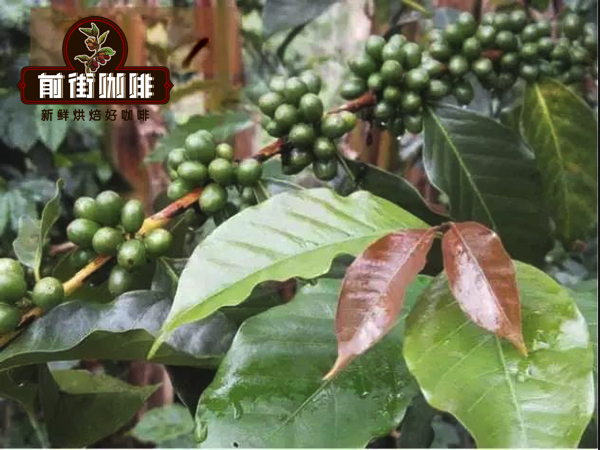
Liberica is the least cultivated among the three main species, accounting for only 2% of global production. It originates from regions such as Liberia in Africa and Malaysia. This species grows into very tall trees, reaching up to 18 meters, with broad and tough leaves. Both its fruits and beans are noticeably larger than the other two, hence it is also called the large bean or large fruit variety. Liberica contains about 1.23% caffeine, the lowest of the three, but its flavor is distinctive, often characterized by intense woody, smoky, and chocolatey notes, with some batches even exhibiting earthy and rough sensations.
Liberica beans are large and oval in shape, with a reddish-orange seed coat when ripe. After processing, the raw beans have a smooth center cut and are very hard.Its flavor profile leans heavily toward boldness and depth, appealing to advanced drinkers who prefer intense tastes. However, due to challenges in cultivation and limited demand, it is mostly used for research or niche markets.
Practical Advice and Storage Tips
Regardless of which coffee variety you choose, the freshness of the beans greatly impacts the final flavor. It is recommended to select beans shipped within 5 days of roasting and allow them to rest for 4–7 days upon arrival to degas and develop optimal flavor. If purchasing coffee powder, which lacks the degassing process, it is best to use it immediately to avoid oxidation and aroma loss. For those seeking the best flavor experience, it is advised to buy whole beans and grind them yourself, especially for high-quality Arabica and Bourbon series, where you can better appreciate the nuanced changes in detail.
Understanding the differences among these three species not only helps you choose the right brewing method and beans but also allows you to more deeply appreciate the unique characteristics brought by different origins and processing methods as you taste your coffee.From pour over to espresso, from fruity to smoky—every type of coffee has its own story and expression.
The above content is compiled by CoffeeHunters, a coffee news website.


