







Introduction:Indonesian Mandheling coffee is renowned for its full body, low acidity, and distinctive herbal and spicy flavors, all of which are inseparable from its unique wet-hulling processing method. This article delves into the origins, steps, and principles of wet hulling, compares it with the washed process, and details the variety characteristics and flavor profiles of two classic regions—Lintong Mandheling and Golden Mandheling. Additionally, practical pour over parameters are provided to help you more fully experience the representative flavors of this Asian coffee.
The reason Indonesian Mandheling coffee boasts a full body, low acidity, and unique herbal-spicy notes lies in the region’s distinctive wet-hulling processing method. This technique not only shapes the sensory traits of Mandheling but has also become a unique hallmark of Indonesian coffee on the global market. This article will provide a detailed introduction to the historical background and practical workflow of wet hulling, compare it with the traditional washed process, and guide readers through the characteristics of two classic regional beans—Lintong Mandheling and Golden Mandheling—as well as their differences in variety, growing environment, and flavor expression. Finally, we’ll also share practical pour over recommendations, including coffee-to-water ratio, water temperature, grind size, and extraction techniques, so you can brew a richly layered Mandheling at home.
What is Wet Hulling?This is a unique coffee bean processing method developed by Indonesian coffee-growing regions to adapt to the rainy climate and economic constraints. Indonesia experiences high temperatures and humidity year-round, especially Sumatra, which is particularly rainy and receives limited sunlight, making traditional sun-drying methods difficult to implement. Meanwhile, the washed process requires several consecutive sunny days for drying. As a result, wet hulling emerged as a solution. This processing method combines elements of both washed and partial sun-drying: it removes the outer parchment layer of the coffee bean at a semi-dry stage before continuing the drying process. This creates the bold, low-acid, and full-bodied taste characteristic of Mandheling. Wet hulling is not just a technical hallmark of Indonesian coffee—it directly influences the final flavor profile, giving this Asian coffee a complex array of notes such as dark chocolate, herbs, nuts, and pine.
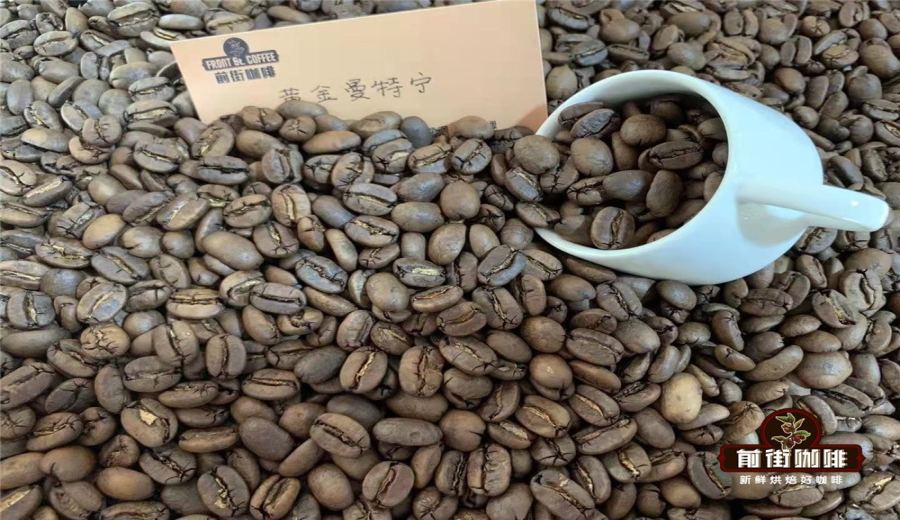
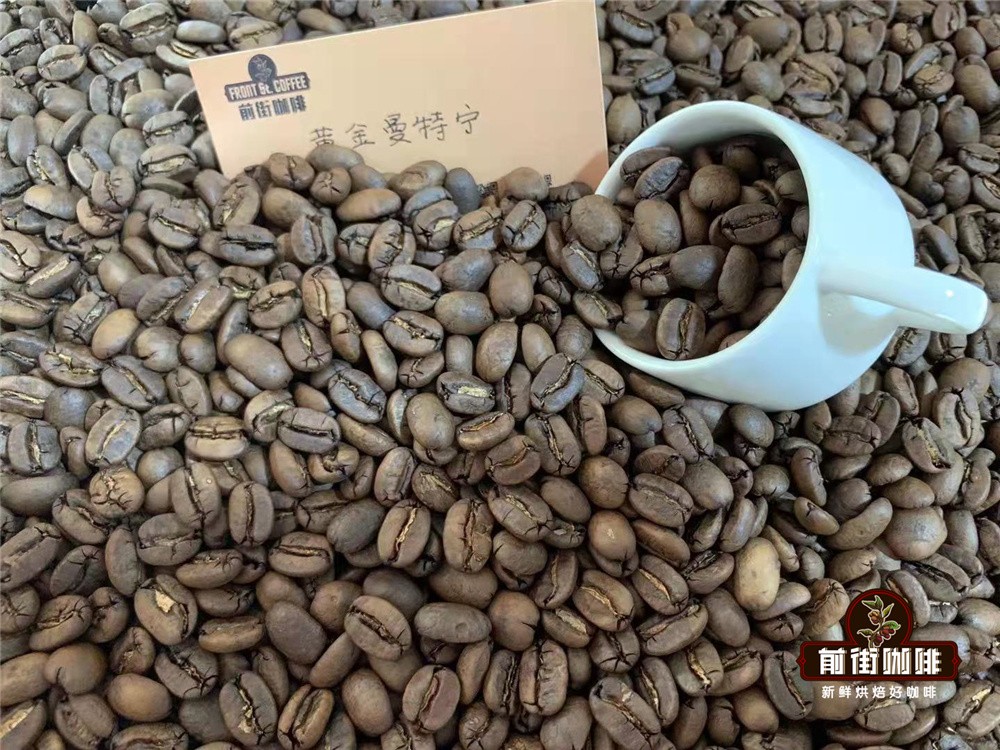
To experience the classic flavors of wet hulling, Lintong Mandheling is the ideal entry point. This regularly processed Mandheling is medium-dark roasted, featuring low acidity and a full body, along with distinct flavors typical of Asian beans—making it suitable for everyday drinking. For those seeking higher quality,Golden Mandhelingis an option not to be missed. Selected and trademarked by the well-known Indonesian exporter Pawani Coffee Company, only beans produced by this company can be called “Golden Mandheling.” Its green beans must meet a specification of size 18 or above, with fewer than three defects per 300-gram sample, placing it in the top-tier G1 grade. The beans are dark green in color with a uniform shape. After rigorous screening, Golden Mandheling not only reduces the common earthy off-flavors but also showcases a cleaner, brighter taste with elegant sweetness.
Lintong Mandheling is grown in the mountainous Lintong region in north-central Sumatra, near Lake Toba, and is a representative origin of the regular version of Mandheling. Processed using standard wet hulling, its flavor profile is dominated by low acidity and a full body, commonly expressing notes of herbs, chocolate, and caramel, with an overall balanced character.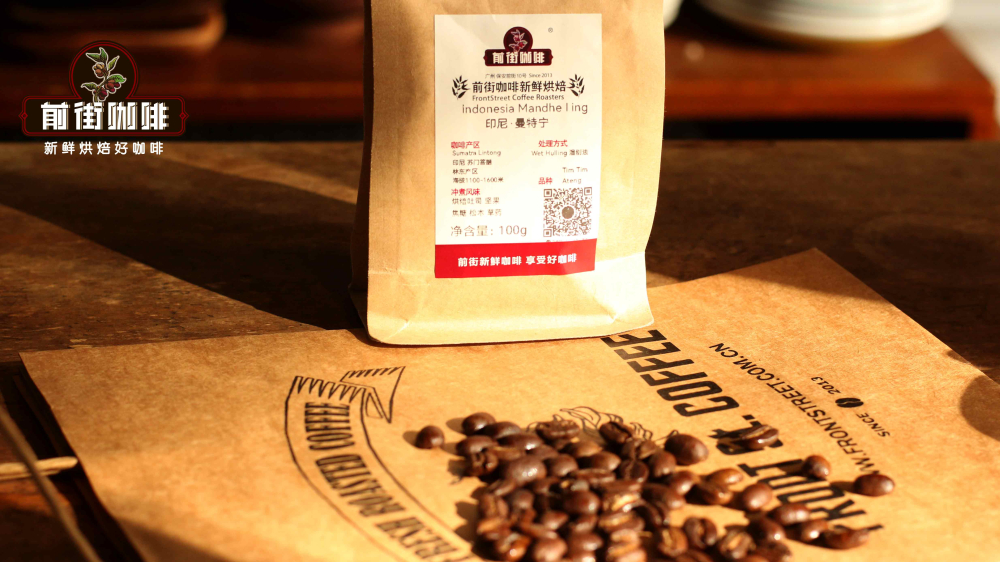
When it comes to a high-quality representative, none other thanGolden Mandhelingcan claim the title. Compared to regular Mandheling, it offers more pronounced sweetness, a cleaner taste, and more distinct spicy flavor notes, along with a richer flavor complexity. For coffee enthusiasts with discerning palates, the difference between Golden Mandheling and regular Mandheling is very noticeable in cupping, which is also one reason for its relatively higher price.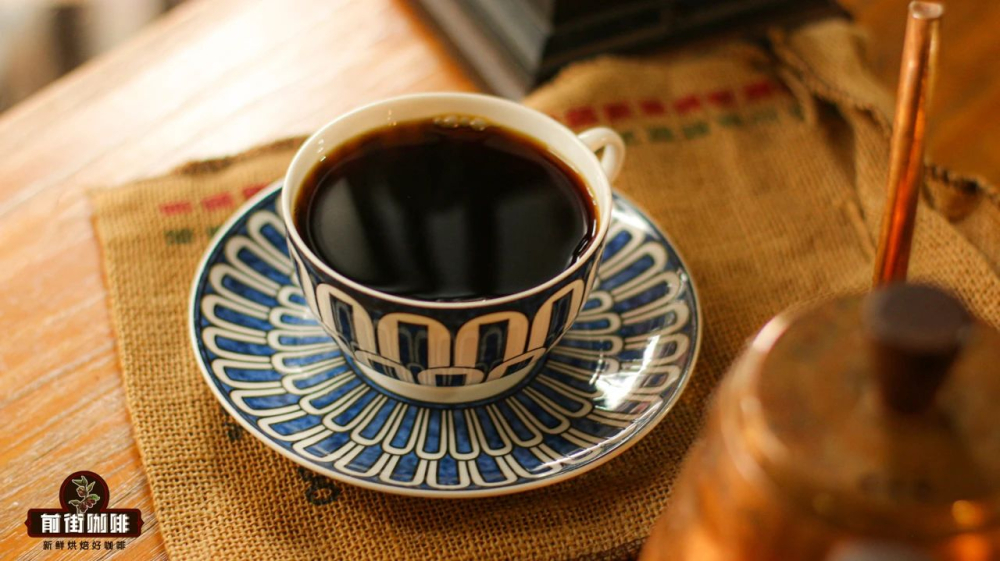
So,how does the wet hulling process of Mandheling differ from the washed process?The washed process first retains the mucilage for fermentation, then uses clean water to remove the mucilage, and finally dries the beans together with the parchment in the sun—the beans remain wrapped in parchment during storage. In contrast, wet hulling involves a brief semi-drying period after the washed fermentation, after which a machine removes the parchment and inner parchment layers, followed by a final drying phase. This processing method causes the coffee beans to lose their outer protective layer before they are fully dry. While this creates a bold and full-bodied taste, it also means the beans are still soft and susceptible to damage during the hulling process—resulting in what is known as “elephant ear beans,” where the beans crack under pressure and resemble elephant hooves. This is a common physical trait of Mandheling beans but is not considered a defect.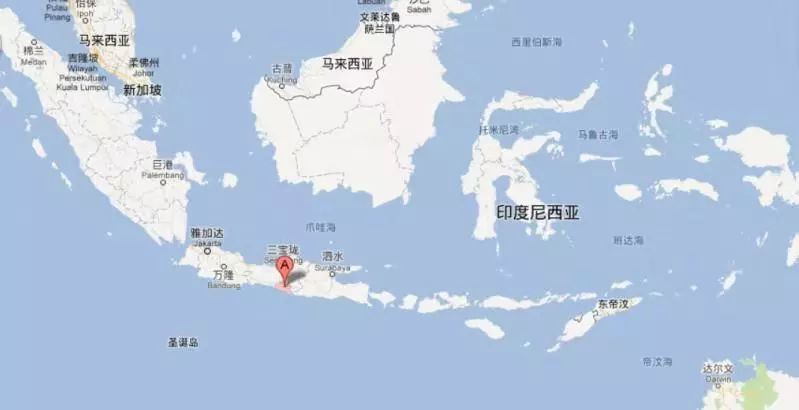
The specific steps of wet hulling are as follows: First, farmers harvest ripe coffee cherries and use floatation to remove unripe cherries and impurities; next, the flesh and skin are removed, leaving the inner parchment and mucilage, which undergo a short fermentation to break down the mucilage; then, the beans with parchment are sun-dried for 1 to 2 days until their moisture content drops to 30%–50%; afterward, a machine removes the parchment layer and inner parchment, followed by a second drying phase until the moisture content is reduced to 12%–13%, at which point the process is complete. This technique results in the distinctive low-acid, full-bodied, and complex flavor profile of Mandheling, with sweet aftertastes of dark chocolate and caramel.
Mandheling is primarily grown on the island of Sumatra in Indonesia, with varieties mostly being TimTim (Timor hybrid) or Ateng (Catimor). Both of these varieties carry some Robusta genetics—though predominantly Arabica, the influence of Robusta gives Mandheling its typical herbal, spicy, and cocoa-rich characteristics. Coupled with the wet hulling process, these traits are further accentuated. It’s worth noting that because semi-hard and semi-soft coffee beans are prone to damage during wet hulling, forming cracks resembling elephant hooves, this “elephant ear” appearance is a common feature of Mandheling beans and should not be regarded as a defect.
Practical Pour Over Parameter Suggestions for Mandheling:It is recommended to use a KONO filter, whose rib design effectively restricts airflow, prolongs the water absorption time of the coffee grounds, and enhances extraction evenness and a full-bodied taste. Specific parameter suggestions are: water temperature 88°C, coffee-to-water ratio 1:15 (15 grams of coffee grounds to 225 milliliters of water), grind size passing 75% through a #20 sieve. Use a three-stage pouring method: start with a 30-second bloom using 30 grams of water, then pour to 125 grams and 225 grams in separate steps, keeping the total extraction time around 2 minutes. These parameters fully highlight the layered flavors of Mandheling, including spices, chocolate, and caramel.
The flavor profile of Lintong Mandheling typically includes herbs, chocolate, and caramel, with an overall balanced character; whereas Golden Mandheling exhibits more pronounced notes of nuts, spices, licorice, and dark chocolate, with greater sweetness and clarity.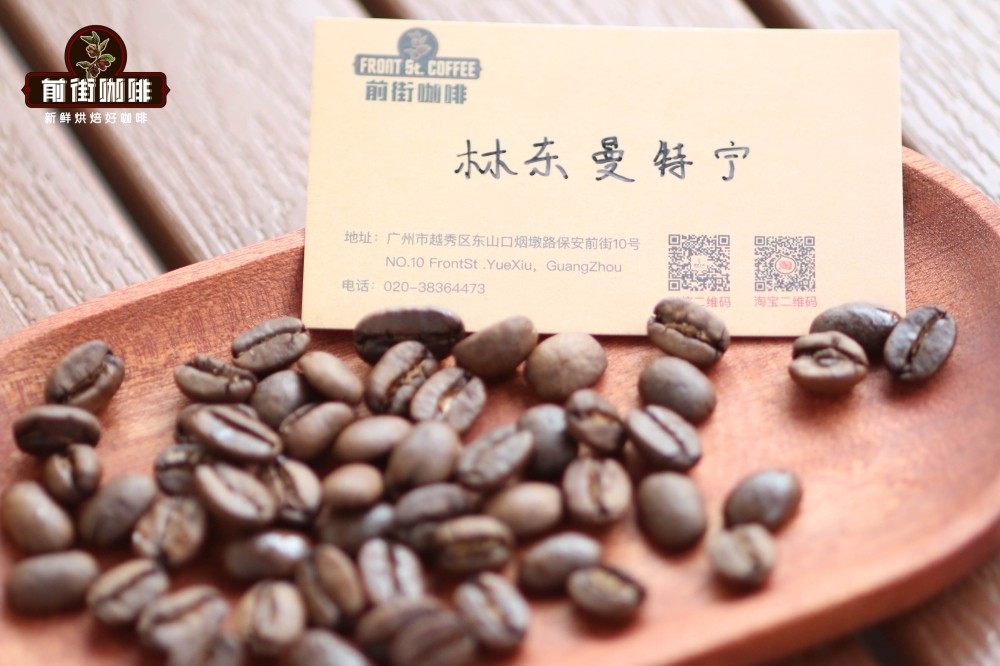
Finally, a reminder: to fully experience the delicate flavors of Mandheling,the freshness of the coffee beans is crucial. It is recommended to choose beans roasted within 5 days prior and consumed within 4 to 7 days post-roast—this period is known as the degassing (resting) phase, when the coffee’s flavor performance is at its best. If choosing pre-ground coffee, it is advised to consume it as soon as possible to avoid oxidation affecting the flavor. For the optimal tasting experience, it is recommended to buy whole beans and grind them fresh before brewing—only then can you fully appreciate the layers and charm of Mandheling.
The above content is compiled by CoffeeHunters, a coffee news website.


