







Introduction:Jamaica Blue Mountain coffee is hailed as one of the world’s top-tier coffees. Its unique flavor profile and stringent origin regulations make it a dream choice for many coffee enthusiasts. This article delves into the official grading system of Blue Mountain coffee, the characteristics of its core growing regions, and the flavor profile of Blue Mountain No. 1. It also provides practical steps and key techniques for brewing pour-over coffee using filter bags, helping you master the essentials from bean selection to brewing.
The reason Jamaica Blue Mountain coffee maintains such a prestigious status in the global coffee market lies not only in its delicate and layered flavors but also in the strict control exercised by the Jamaican government over its production regions and quality. This coffee has relatively low caffeine content, making it suitable for consumers who seek not only great taste but also health and balance. This article will detail the definition of authentic Blue Mountain coffee, the environmental features of its growing regions, as well as the grading standards set by the Jamaica Coffee Industry Board (CIB). It will also introduce you to the uniqueness of Blue Mountain No. 1 and how barrel packaging helps preserve its flavor, along with a complete hands-on guide to brewing filter bag coffee to help you gain an in-depth understanding of this legendary brew.
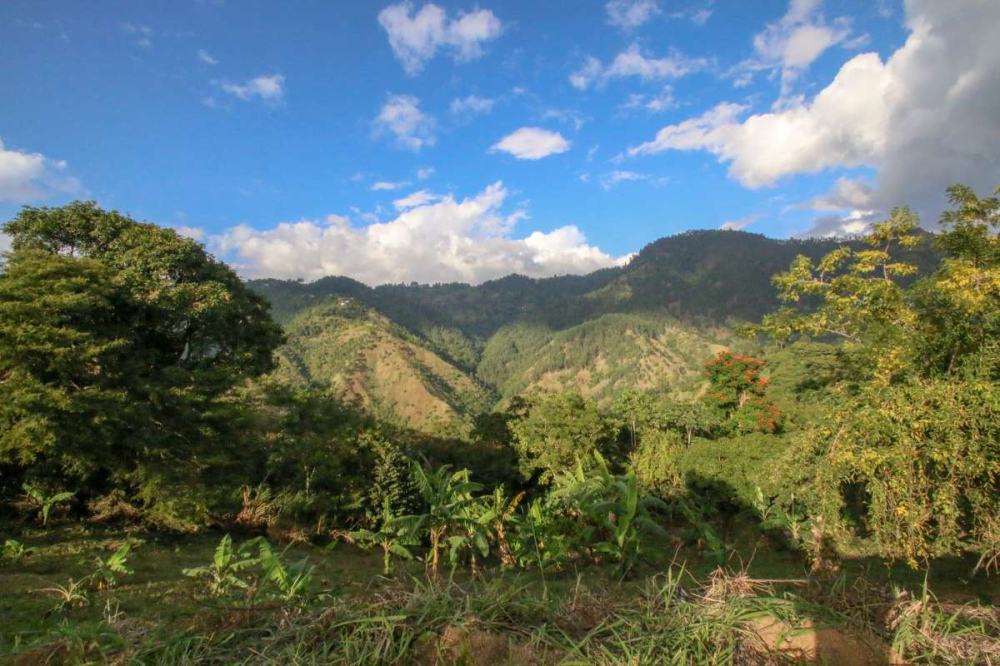
So-called Blue Mountain coffee refers to Typica variety coffee beans grown at specific altitudes and within designated areas of the Blue Mountains in Jamaica. This mountain range is located in the eastern part of Jamaica. Due to its unique geographical and climatic conditions, when sunlight shines over the mountains and the surrounding Caribbean Sea, the peaks glisten with a captivating blue hue against the backdrop of blue skies and seas—hence the name “Blue Mountain.” The highest point in the mountain range reaches 2,256 meters, making it the tallest peak in the entire Caribbean region. It is not only a famous tourist destination but also a golden zone for cultivating top-quality coffee.
The growing environment of Blue Mountain coffee is exceptionally favorable, situated within the coffee belt, featuring mineral-rich volcanic soil, consistently tempered air, an average annual temperature of about 27°C, and rainfall reaching up to 1,980 millimeters. The year-round foggy and rainy climate provides ideal growth conditions. All of this contributes to the delicate, balanced, and layered flavor expression of Blue Mountain coffee. Not only is its aroma rich, but its elements of acidity, sweetness, and bitterness are also masterfully blended. Bitterness is barely perceptible, giving way instead to a soft yet distinct acidity—making it a prized choice among many coffee connoisseurs.
However, it’s important to note,that products that can truly be called “Blue Mountain coffee” are very limited. According to Jamaica’s Coffee Industry Regulation Act, only Typica coffee grown between elevations of 910 to 1,700 meters in the four administrative regions of Saint Andrew, Saint Thomas, Portland, and Saint Mary qualifies to be labeled as “Jamaica Blue Mountain coffee.” These four regions account for only one-third of the total Blue Mountain cultivation area, with the remaining land mostly used for producing high mountain coffee and prime washed coffee. Less than 15% of the coffee beans produced annually can be sold under the Blue Mountain name.
To ensure the quality of Blue Mountain coffee, the Jamaica Coffee Industry Board (CIB) has established a detailed grading system, primarily based on the size, shape, and defect rate of green beans. Blue Mountain coffee is divided into four grades: NO.1, NO.2, NO.3, and Peaberry (pea berry). Among them, NO.1 is the highest grade, requiring each bean to be between 17 and 18 mesh in size, with a defect rate below 3%, and the beans being plump and uniform. Such strict selection criteria mean that many so-called “Blue Mountain flavor coffees” or “Blue Mountain blends” on the market are often just commercial terms, with no actual relation to authentic Blue Mountain coffee.
Additionally,the wooden barrel packaging of Jamaica Blue Mountain coffee is also one of its distinctive features. Unlike the common jute or paper sacks used in other regions, Blue Mountain coffee is stored in original wooden barrels before export. This practice effectively maintains the moisture content and aroma of the green beans, preventing them from becoming damp or oxidized during transportation. This packaging method is not only one of the identifying marks of Blue Mountain coffee but also helps preserve the most original flavor characteristics of the beans. Many physical stores even display authentic wooden barrels and origin certificates for consumers to verify. When you have the chance to visit in person, it’s worth taking a closer look.
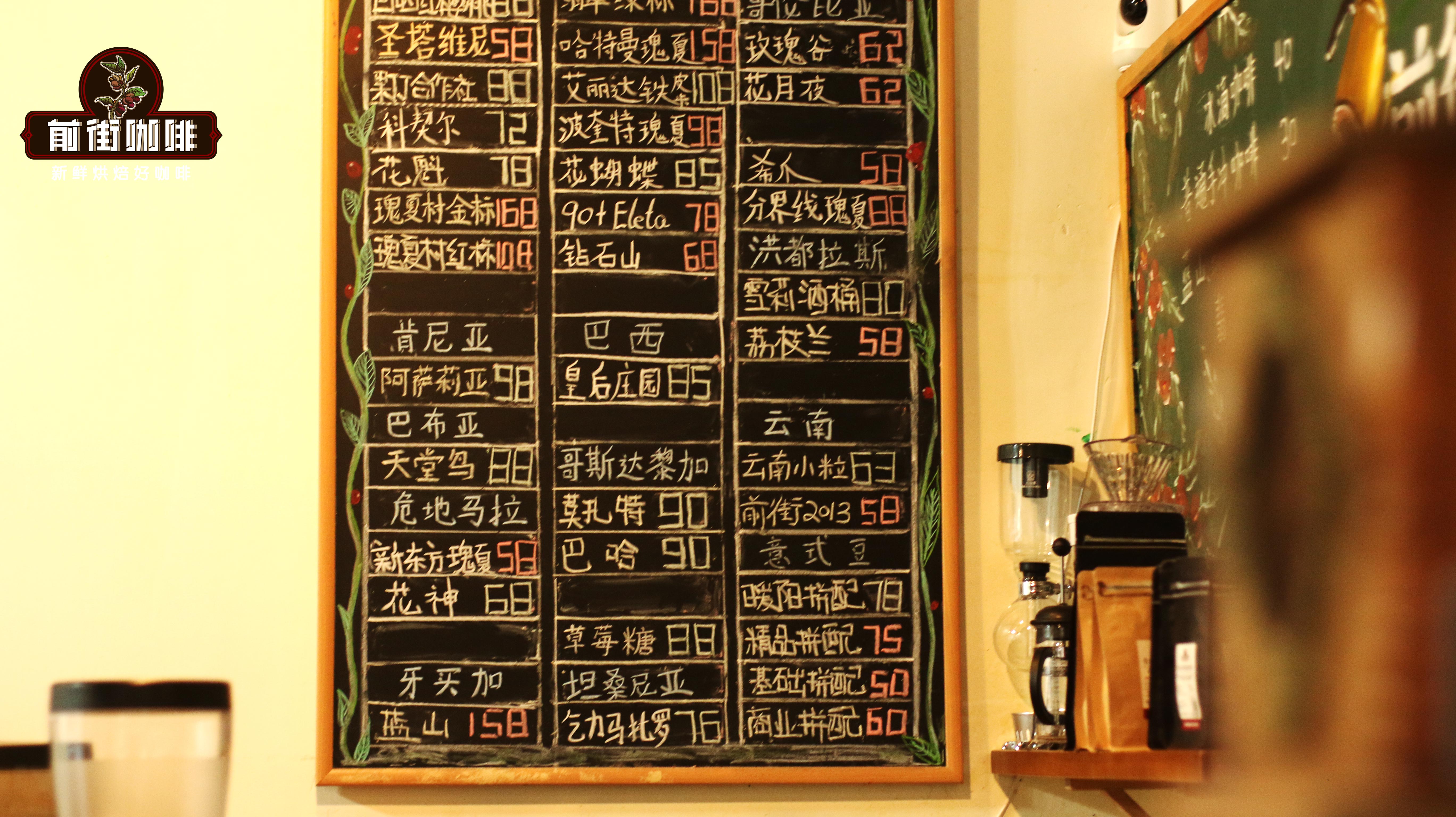
When it comes to actual tasting, Blue Mountain No. 1 coffee (i.e., NO.1 grade) is widely praised for its delicate and elegant flavor profile. On the market, some vendors offer Blue Mountain No. 1 coffee beans at a price of 158 yuan per 100 grams. If you choose to have it made into filter bag coffee, an additional processing fee of 20 yuan for every 10 bags applies, bringing the total price to around 178 yuan. Since filter bag coffee requires pre-grinding, which increases the surface area of the coffee powder exposed to air, the aroma is more prone to volatilization. Therefore, it is recommended to use freshly roasted beans within five days of roasting for the best flavor performance. If you need grinding or filter bag preparation services, you may contact the supplier in advance to arrange.
Below is a simple and practical step-by-step guide for brewing pour-over coffee using Blue Mountain No. 1 filter bags, helping you easily extract its captivating flavors:
Prepare tools including: a cup or sharing pot for the coffee, a water kettle suitable for pouring, and hot water just boiled and slightly cooled to 90–94°C. First, carefully open the outer packaging of the filter bag, tear along the dotted line on the non-woven fabric bag, unfold the two “ears” on the sides, and hang them on the rim of the cup or pot. The first step is to perform a 10 to 20-second bloom to awaken the coffee grounds and release initial aromas. Then, pour water steadily and finely in a small stream, allowing the water level to gradually rise close to the rim. Once the coffee begins to drip, wait briefly until the liquid level visibly drops, then pour the final portion of water until full. After all the coffee has dripped through, gently stir before enjoying.
The brewed Blue Mountain No. 1 filter bag coffee typically exudes enticing aromas of dark chocolate, roasted hazelnuts, and caramel. Its texture is silky smooth, accompanied by a soft yet clear acidity, and a long-lasting, layered aftertaste. Whether you’re trying Blue Mountain coffee for the first time or are already familiar with its flavors, this classic brew offers an unforgettable taste experience.
The above content is compiled by CoffeeHunters, a coffee news website.


