







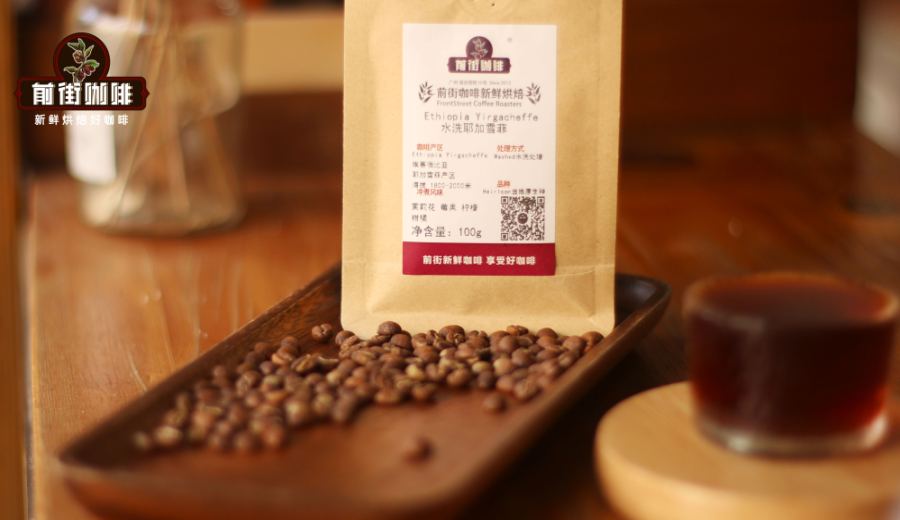
Introduction:The washed coffee from the Kochere micro-region in Yirgacheffe is renowned for its bright, vibrant acidity and fruity flavor profile. This article delves into the altitude, washed processing method, and roasting influence of this region, helping you understand the origins of its citrus, honey, and tea-like flavors. It also provides practical pour over parameters to help you perfectly showcase the layers and complexity of this specialty coffee.
For coffee enthusiasts who love the flavor profile of Yirgacheffe, the Kochere micro-region is certainly no stranger. As one of the premium areas within the Yirgacheffe region, Kochere is listed separately in the Ethiopia Commodity Exchange (ECX) regional classification, with an altitude ranging between 1650 and 1800 meters, making it a typical high-altitude coffee growing area. This region excels in washed processing, and the resulting coffee beans often exhibit lively citrus acidity, smooth sweetness, and rich fruit notes, making it especially suitable for consumers who prefer bright acidity and clear flavor profiles.
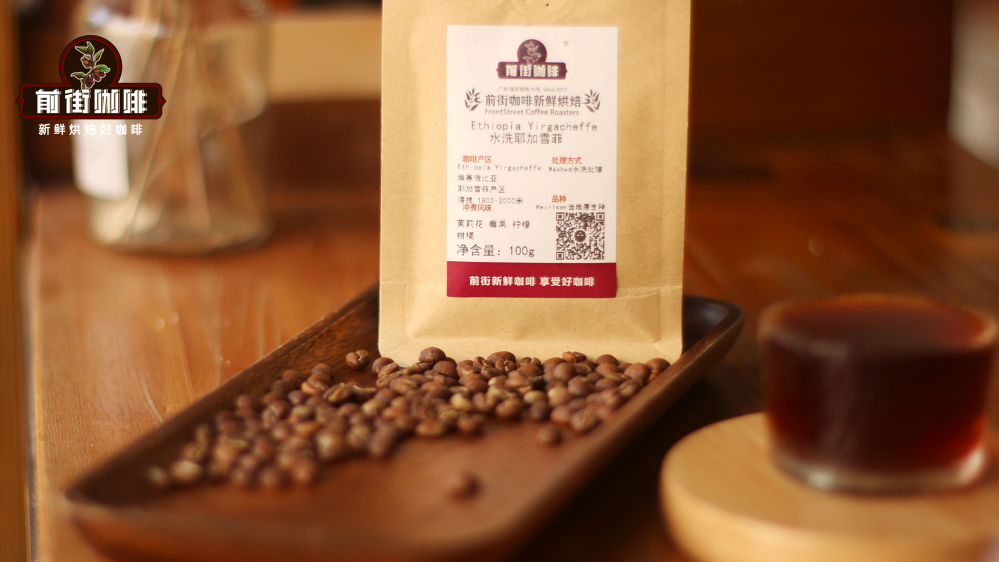
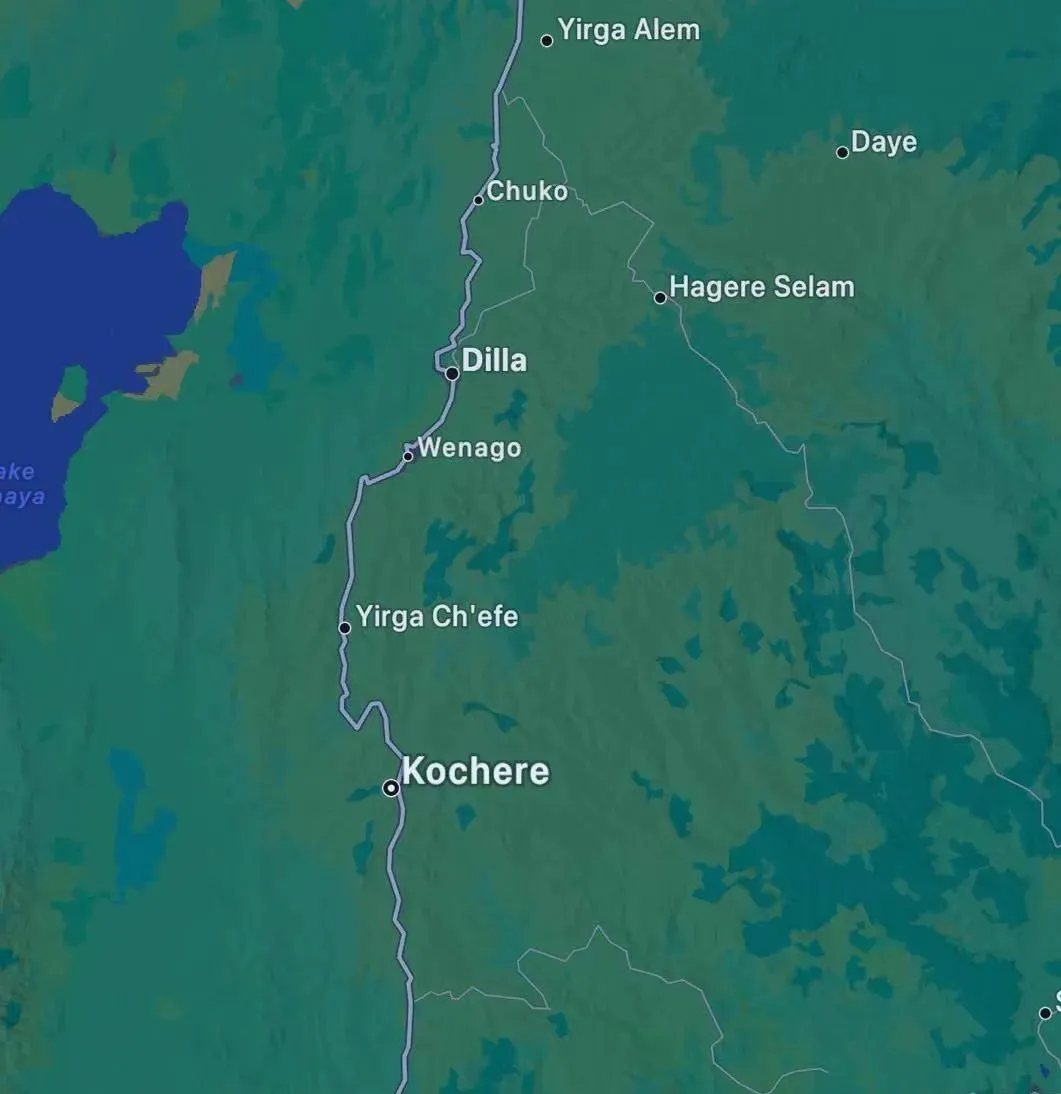
Located about 25 kilometers southeast of Yirgacheffe town, although part of the larger Yirgacheffe region, Kochere’s unique microclimate and soil conditions give it a character that slightly differs from typical Yirgacheffe lots. The area has a population of around 100,000, with many families relying on coffee farming as their primary source of income. The coffee industry here is relatively well-developed, with more advanced processing facilities. Notably, Kochere washed beans have received a prestigious score of 94 from the well-known review website Coffee Review, highlighting the outstanding quality of its flavors.
Within the ECX classification system, Kochere is recognized as an important micro-region under Yirgacheffe, standing alongside nearby areas such as Wenago and Gelena Abaya. Kochere itself can be further divided into multiple micro-regions or villages, and some coffee beans are also named after processing factories (such as the Alim Processing Factory), villages (like Chelelektu or Teklu Dembel), or even more specific micro-region names (such as Banko Gutiti). This naming approach aligns with today’s market demand for “traceability” and helps ensure a certain level of consistency and stability in flavor. Generally, the higher the traceability of a lot, the more stable its annual flavor performance and the higher its price.
Coffee production in the Kochere region mainly relies on local smallholder farmers delivering their harvests to cooperatives for unified processing. Take Chalalacktu village as an example, where approximately 100,000 residents make a living from the coffee industry. Coffee is not only the main economic driver but has also contributed to improvements in local infrastructure, including healthcare and education resources. Thanks to mature processing techniques and the high-altitude growing environment, Kochere’s washed coffee generally exhibits clean, sweet, and layered characteristics, with common flavor profiles including molasses, citrus, and delicate floral notes.

Cupping records from a certain coffee brand show that G1 grade coffee beans from the Kochere region demonstrate exceptionally outstanding aroma and taste. With its clean and fresh lemon aroma, elegant jasmine floral notes, and accompanying complex flavors such as cantaloupe, citrus, ginger, and spiced tea, this coffee offers a highly distinctive profile upon tasting. This flavor combination is the result of the Kochere washed processing method combined with high-altitude cultivation.
When it comes to the processing methods of Kochere coffee, washed processing (Washed Process) is the predominant technique. Washed processing is a traditional method that uses water flow control to gradually remove the outer fruit pulp and mucilage layer of the coffee cherry, followed by fermentation, washing, and drying. The steps generally include: flotation to remove unripe cherries, pulp removal, fermentation to remove mucilage, re-washing, and finally drying and hulling. The advantage of this method is that it effectively reduces the defect rate of green beans, improves overall quality stability, shortens drying time, and allows the coffee beans to retain brighter acidity and the “washed” clean character. However, washed processing requires a stable water supply and well-established facilities, so it is commonly found in regions like Colombia, Costa Rica, and Kenya that have the necessary infrastructure.
During the drying process, the moisture content of the coffee beans needs to be controlled to around 12%, after which the parchment layer surrounding the beans is removed to complete the entire washed processing procedure. Thanks to proper processing, Kochere’s washed coffee often presents complex aromas of molasses and citrus, with a clean and layered mouthfeel.
Taking the commonly available Yirgacheffe Kochere washed beans on the market as an example, their varieties are mostly native Ethiopian cultivars, grown at altitudes of about 1650 to 1800 meters, processed using the washed method, and graded as the highest-quality G1. To fully highlight the bright acidity and clean mouthfeel of these beans, many roasters opt for medium-light roasting to preserve their lively citrus notes and delicate floral aromas.
In terms of roast curve design, to emphasize the bright acidity and layered profile of Kochere beans, a medium-light roast is recommended. Using the Yangjia 800N roaster as an example, the charge weight is about 550 grams, with the drum temperature set to 200°C upon dropping the beans. The initial air damper setting is 3, and adjustments are made based on bean surface changes. Key stages include: the turning point at 1 minute 32 seconds, first crack starting at around 8 minutes 53 seconds, with first crack development continuing for about 1 minute 45 seconds, and finally dropping the beans at 195°C. This roast curve helps bring out the lemon, black tea, and fruity acidic-sweet notes of the beans while maintaining overall flavor balance.
For cupping, it is recommended to perform the evaluation within 8 to 24 hours post-roast, using a 200ml ceramic cupping bowl, with water temperature controlled at 94°C. The grind size is best set to 70%-75% passing through a #20 sieve, with a recommended powder-to-water ratio of 1:18.18 (approximately 11 grams of coffee to 200 ml of water). Under these parameters, the extraction concentration will fall within the Golden Cup range of 1.15%-1.35%, fully showcasing the citrus, floral, and tea-like qualities of the Kochere beans.
For actual pour over brewing, it is recommended to use a V60 #01 filter cone, with water temperature controlled at 90-91°C, a coffee dose of about 15 grams, and a powder-to-water ratio of 1:15. The grind size can refer to EK43s setting 10 (or roughly the size of granulated sugar, with about 80% passing through a sieve). The brewing steps are suggested as follows: preheat the equipment by wetting the filter paper, then pour 30 grams of water for a 30-second bloom. Next, add 95 grams of water (total around 125 grams), wait about 1 minute, then add the final 100 grams of water (total around 225 grams), with a total brew time of about 2 minutes and 5 seconds. This method highlights the lemon, floral, cane sugar, and honey-like sweetness of the Kochere washed beans, resulting in a refreshing overall flavor with a long-lasting aftertaste and a delicate oolong tea-like finish.
The above content is compiled by CoffeeHunters, a coffee news website.


