







Introduction:Want to explore the unique charm of Yirgacheffe Wolkite coffee beans? This article starts with an overview of Ethiopia’s nine major coffee-growing regions, analyzing Yirgacheffe’s geographical and flavor significance as a hub of specialty coffee. It delves into the founding background of the Wolkite Cooperative and the role of the YCFCU alliance. It also breaks down the scientific principles behind anaerobic natural processing, from the inspiration drawn from wine-making techniques to how sealed fermentation impacts flavor. Finally, it guides you through the enticing aromas of strawberry, magnolia, and small Taiwanese mango—making this a flavor exploration guide for both coffee beginners and advanced enthusiasts.
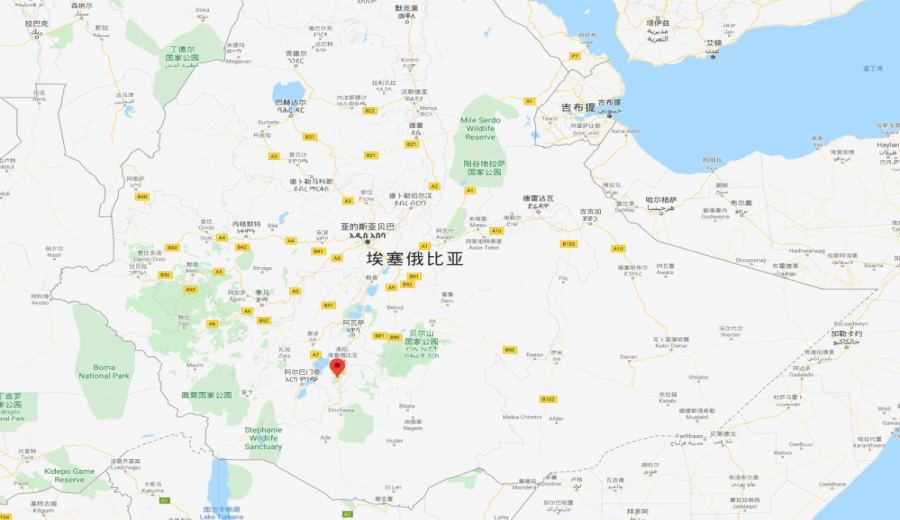
As the birthplace of coffee, Ethiopia has nine major coffee-growing regions, which can generally be divided into two categories based on quality and market positioning: specialty-grade and commercial-grade. The specialty-grade regions include Sidamo, Yirgacheffe, Harrar, Limu, and Gimbi—known for producing beans with distinctive and highly complex flavors. Among them, Yirgacheffe is not only one of the most representative regions but also a holy grail for global specialty coffee lovers.
When it comes to Yirgacheffe, many people immediately think of its bright acidity and floral aromas, which can vary subtly between different villages and cooperatives within the region. Although named after a small town, Yirgacheffe actually refers to a broader region that includes surrounding areas such as Wankaniso, Kochere, and Geleracha Ambaya. These areas collectively shape what we recognize as the “Yirgacheffe flavor profile.” The coffee beans produced here typically exhibit citrus, floral, and tea-like notes, making them a top recommendation for baristas guiding beginners.
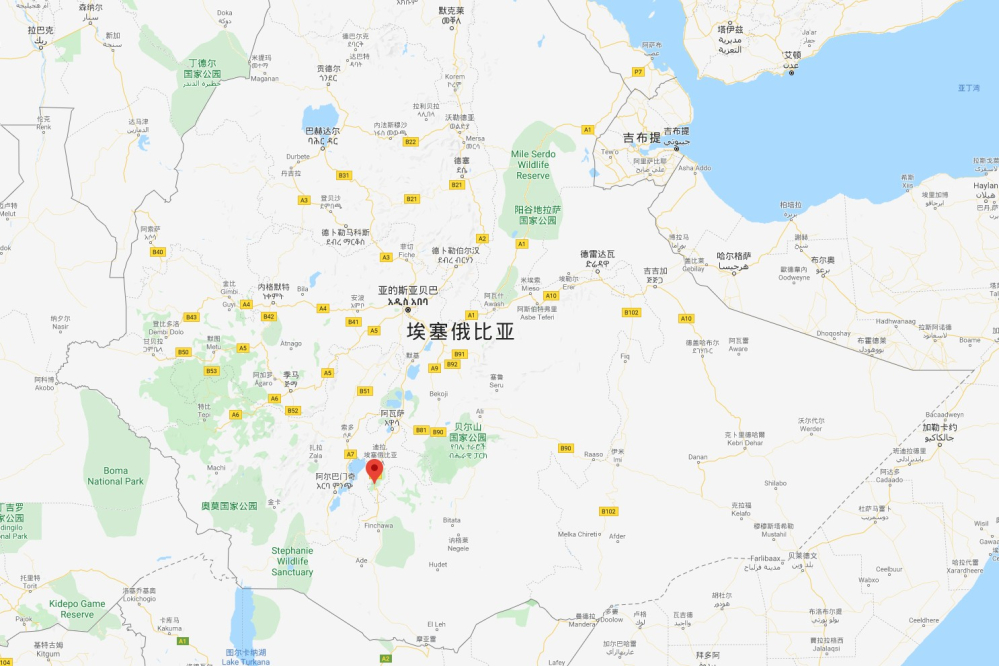
The star of this article—the Wolkite Cooperative—stands out as an exemplary producer within this terroir. Established in 2005, the cooperative joined the Yirgacheffe Coffee Farmers Cooperative Union (YCFCU) in the same year. As a key member of the union, Wolkite focuses on producing high-quality sun-dried coffee beans and has earned international acclaim for its consistent flavor performance over the years. Currently, the Wolkite Cooperative comprises around 300 coffee farmers who are jointly committed to maintaining the region’s sustainable development and supplying premium green beans.
When discussing “Yirgacheffe Wolkite coffee beans,” you’ll often hear the term “anaerobic natural” processing. This is an innovative technique that combines modern science with traditional fermentation methods—and it’s the key to creating its distinctive flavors, such as the aromas of strawberry, magnolia, and small Taiwanese mango.
Anaerobic natural processing, also commonly referred to as carbonic maceration, draws inspiration from the wine-making process. In winemaking, grapes undergo anaerobic fermentation in an environment filled with carbon dioxide. Even without added yeast, the natural sugars in the fruit pulp can convert into alcohol, resulting in a smooth and layered taste. This principle has been cleverly adapted to coffee processing: harvested coffee cherries are placed whole into sealed metal fermentation tanks, and carbon dioxide is injected to displace oxygen, creating a completely anaerobic environment.
Under such anaerobic conditions, the breakdown of sugars in the coffee mucilage slows down, and pH changes become more stable. This allows the coffee beans to retain more sweet compounds and aromatic substances during fermentation. Compared to traditional sun-drying methods, anaerobic natural processing enhances fruity notes while imparting greater complexity and smoother acidity to the beans.
This processing method demands extremely high technical precision and environmental control. Fermentation time, temperature, and pressure must all be meticulously managed; otherwise, over-fermentation or off-flavors may occur. Therefore, the ability to consistently produce high-quality anaerobic natural beans is often a direct reflection of a cooperative’s technical expertise and management standards.
In summary, Yirgacheffe Wolkite coffee beans not only inherit the region’s signature bright acidity and fruity-floral notes but also elevate delicate aromas like strawberry, magnolia, and small Taiwanese mango to their fullest potential through anaerobic natural processing. Whether you’re a beginner pour-over enthusiast or an advanced coffee explorer seeking new flavor challenges, this Ethiopian specialty coffee bean is definitely worth trying.
The above content is compiled by CoffeeHunters, a coffee news website.


