







Introduction:Delve into the origins and allure of Panamanian Geisha coffee by exploring the geographical conditions of the Boquete and Volcán regions, and discover how the Geisha variety produces its distinctive floral-fruity aromas and delicate flavors. This article also shares the actual roasting performance of washed Boquete Geisha and V60 pour over parameters, guiding you from origin to cup to fully master the brewing essentials of this premium coffee.
In the global landscape of specialty coffee, Panamanian Geisha is undoubtedly one of the most iconic high-end varieties. Its subtle floral notes, multi-layered fruit acidity, and rich aftertaste make it a dream coffee for many enthusiasts. To truly understand the charm of Geisha, we must first start with the land that nurtures it—Panama.
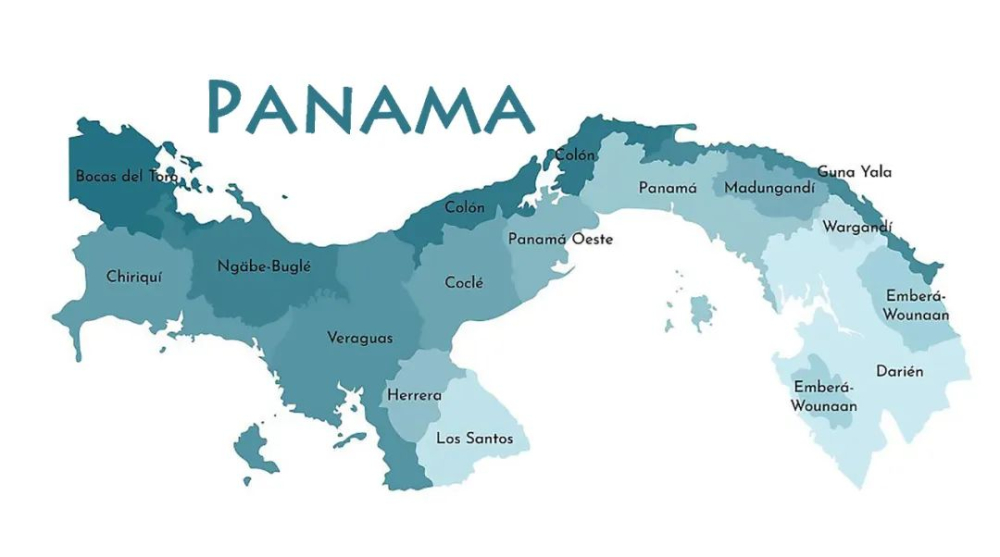
Coffee cultivation in Panama is primarily concentrated in the western mountainous regions, among which the Boquete and Volcán regions are the most renowned. Both areas are located in Chiriquí Province, within the optimal altitude range of the coffee belt. They boast not only fertile volcanic soils but also diverse microclimates fostered by surrounding virgin forests, providing an ideal environment for Geisha to thrive.
Boquete lies at the border between Panama and Costa Rica, adjacent to the majestic Barú Volcano. The terrain is rugged with significant elevation variations, and the area is often shrouded in clouds, offering a cool and humid climate. Coffee farms here are mostly scattered across foothills and highlands, enjoying ample rainfall and notable day-night temperature differences. These factors contribute to Geisha’s complex flavor layers and bright acidity. Well-known estates such as La Esmeralda, Elida, and Duncan are located here, making it one of the key regions for Geisha production.
In contrast, the Volcán region sits at even higher altitudes, typically between 2000 to 3000 meters. The climate is cooler, and the annual rainfall is slightly lower than in Boquete. Due to intercropping with various tropical fruits, Geisha from this area often exhibits intense tropical fruit aromas and high sweetness, with a more expressive and bold flavor profile. It’s a must-try for coffee aficionados seeking fruity explosions and aromatic intensity.
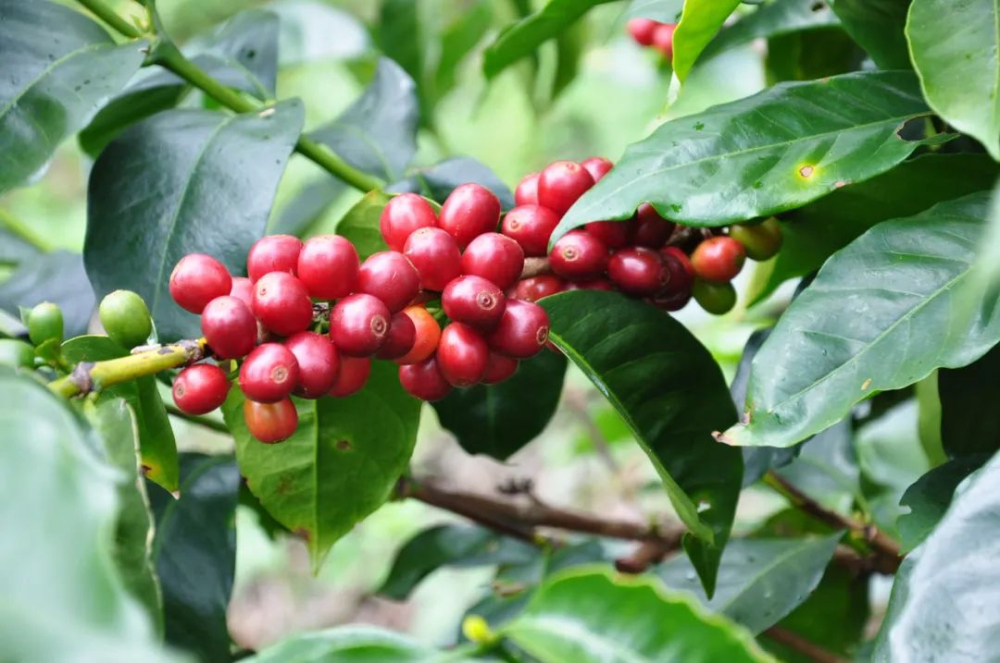
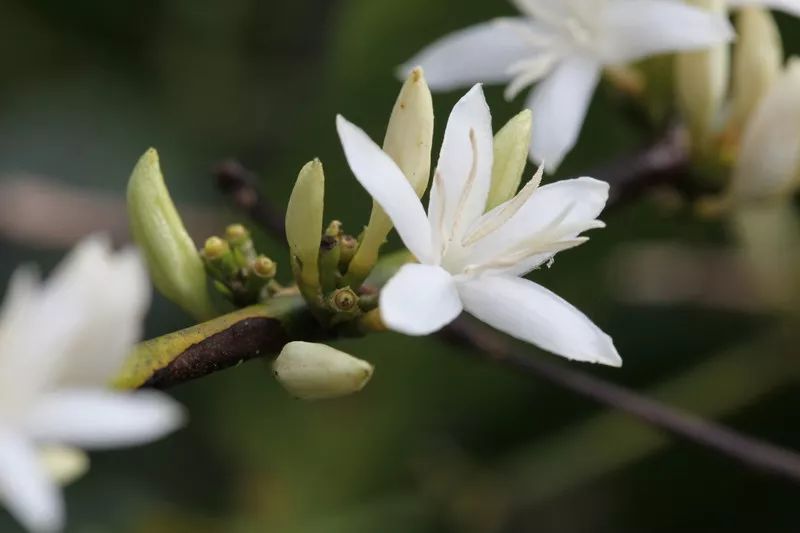
So, what makes Panamanian-grown Geisha so special? The answer lies in the unique characteristics of the Geisha variety itself and the demanding growing conditions of the region. Compared to other common Arabica varieties, Geisha not only yields less but also has extremely strict environmental requirements. It thrives at high altitudes and in nutrient-rich volcanic soils, and benefits from partial shading or tree cover to protect its delicate leaves from intense sunlight.
Geisha has thinner leaves with lower photosynthetic efficiency, and its root system is less developed, resulting in slow overall growth. The yield per plant is only about half that of the Caturra variety. Additionally, the fruit ripening period is relatively delayed, requiring more time to accumulate flavor compounds. This also makes the timing of harvest crucial. Any premature or late picking may lead to flavor loss, posing a significant challenge in terms of farm management and harvesting techniques.
For these reasons, the cultivation and harvesting of Geisha are fraught with challenges. Yet, it is precisely the accumulation of these exacting conditions that gives rise to the delicate floral notes, bright citrus and peach acidity, silky smooth mouthfeel, and long-lasting oolong tea-like aftertaste that Geisha is known for in the cup. As some coffee brands have repeatedly emphasized in previous articles, coffee flavor is the result of a synergy between variety, terroir, and processing method—and Geisha is a prime example of their perfect harmony.
As Geisha’s fame has spread, many regions have begun planting it. However, even with the same variety, different terroirs impart distinct personalities to the coffee. A certain coffee brand’s washed Boquete Geisha aims to showcase the most original, refreshing, and layered flavor profile of Geisha through Panama’s classic processing method.
Washed processing is one of the commonly used post-harvest methods for Geisha. The steps include: first removing the outer skin and pulp of the coffee cherry, then soaking the seeds with mucilage in water for approximately 24 hours of fermentation to break down the sticky mucilage layer. After fermentation, clean water is used to thoroughly wash away residual mucilage, and the parchment-covered green beans are then dried in a well-ventilated environment or using machines until the moisture content drops to around 12%. Finally, the parchment is removed to complete the process.
This processing method not only enhances the stability of the coffee but also helps highlight Geisha’s fresh and bright floral-fruit tonalities. After roasting, a certain brand’s washed Boquete Geisha displays elegant white floral notes, lively citrus and lemon acidity, accompanied by a hint of green tea freshness in the aftertaste—akin to sipping a refined Tieguanyin oolong.
With such a rich flavor profile, how to fully present it through brewing is a concern for every coffee enthusiast. A certain coffee brand recommends selecting a medium-light roast to fully express Geisha’s delicate acidity and layered complexity, while adjusting grind size and water temperature to enhance extraction efficiency. It is suggested to use a 1:16 coffee-to-water ratio, along with a relatively high water temperature (around 91–92°C) and fine grind (close to 80% passing through a #20 sieve), to bring out more aromatic compounds.
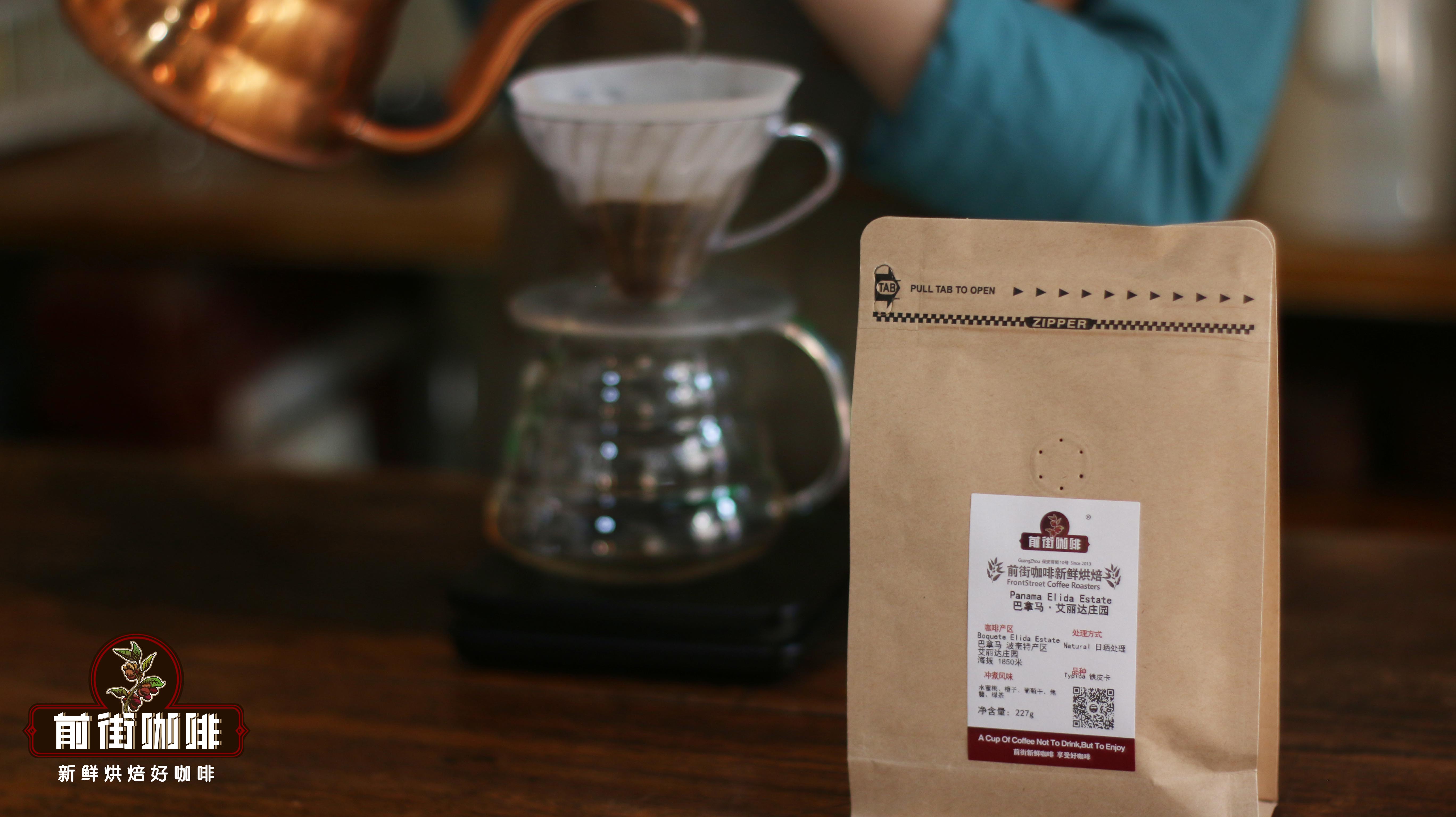
When it comes to equipment, the V60 is an excellent tool for showcasing Geisha’s flavors. Its unique spiral channel grooves and large central hole design effectively extend the contact time between water and coffee grounds, while focusing the water flow through the coffee bed, thereby enhancing the clarity and layering of extraction. Below are the actual pour over parameters and steps used by a certain brand, for your reference and practice:
Brewing Parameters:Filter: V60 | Water Temperature: 91–92°C | Coffee Dose: 15g | Coffee-to-Water Ratio: 1:16 | Grind Size: Fine sugar-like (sifted through a #20 sieve to 80%)
Steps:
1. Place 15 grams of coffee grounds into the V60 filter. Start with a 30-gram bloom pour for 30 seconds. It is recommended to pour gently in circular motions from the center outward to ensure even saturation of the coffee bed.
2. Then, pour with a slightly larger stream to add 120 grams of water, aiming for a total of 150 grams. This stage should be completed around the 55-second mark. Maintain a vertical and even water stream, allowing it to evenly rise through the coffee bed.
3. Once the liquid level drops to about halfway, switch to a finer stream and pour in small circles for the final 90 grams of water, totaling 240 grams. The pouring should be completed around 2 minutes and 10 seconds, followed by letting it drip through to completion.
The brewed Panamanian washed Boquete Geisha offers a bright entrance of citrus, lemon, and bergamot acidity, a creamy-smooth mouthfeel, and a lingering aftertaste of green tea and honey sweetness. It is a classic example that fully showcases the potential of high-altitude Panamanian Geisha.
The above content is compiled by CoffeeHunters, a coffee news website.


