







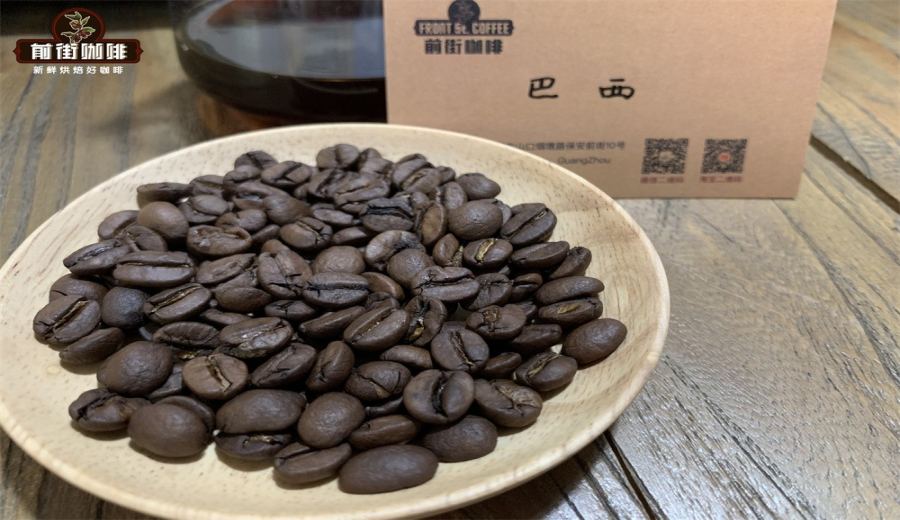
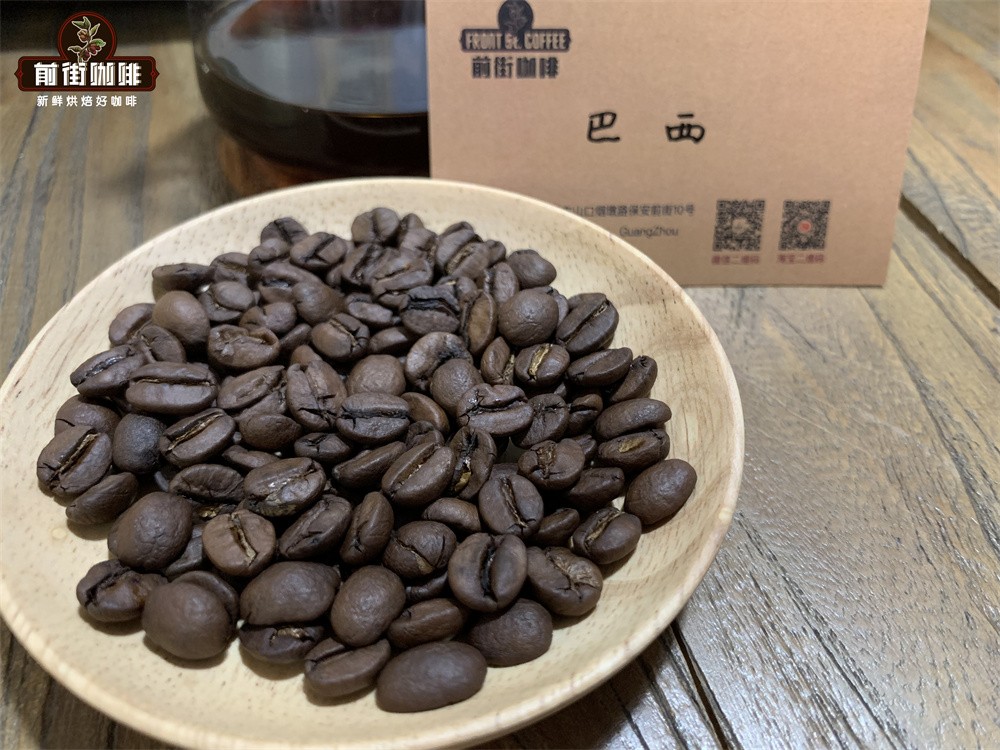
Introduction:Dive into the diverse profile of Brazilian coffee—from the cultivation environment of the world’s largest coffee-producing country, the characteristics of its key regions, to the unique flavors of specialty varieties such as Yellow Bourbon. This article breaks down the differences between Cerrado and Fazenda Rainha, explains how the pulped natural process enhances the fruity sweetness of Brazilian beans, and provides expert pour over and espresso brewing parameters to help you master the brewing techniques of this classic base bean.
As the world’s leading coffee producer, Brazil not only supplies a large volume of commercial beans but also cultivates many specialty coffees. Its low-altitude and sun-exposed growing conditions result in Brazilian beans with distinctive low acidity, high sweetness, and rich nutty and chocolatey notes—traits that make them an ideal base for espresso blends. Two of its single-origin Brazilian beans—everyday-grade Cerrado and Fazenda Rainha Yellow Bourbon—are prime representatives showcasing the diversity of Brazilian coffee.
The growing environment of Brazilian coffee differs significantly from other regions. Due to the lack of high mountains and shade trees, farmers cultivated improved Arabica varieties adapted to flatlands and abundant sunlight decades ago. These coffee trees are mostly planted at altitudes of a few hundred meters or even on plains. While sun exposure accelerates fruit ripening, it also leads to lower bean density and relatively simpler flavor development. Some coastal regions, such as Rio, may even exhibit unique iodine and salty notes due to special microbial activity.
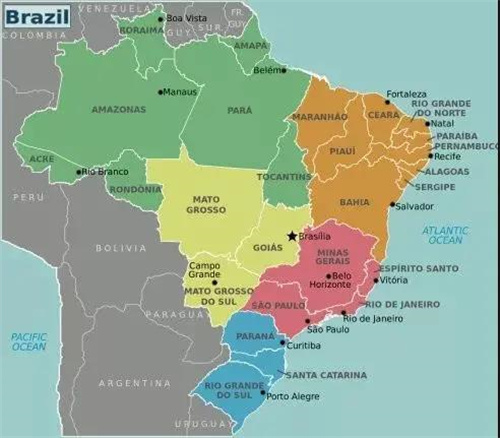
Brazil’s coffee regions are primarily concentrated in the central and southern parts, covering seven states with fourteen well-known areas. Among them, the Cerrado region is located on the Brazilian central plateau, characterized by a savanna climate with elevations ranging between 850 and 1200 meters. This area has distinct wet and dry seasons, and its flat terrain is conducive to large-scale farm management. The coffee produced here is known for its rich and clean profile, making it one of the few Brazilian specialty beans that can showcase highland flavors. On the other hand, the Mogiana region is famed for Fazenda Rainha, which is located in northern São Paulo state. Combining traditional and modern management approaches, the estate achieves sweet and outstanding Yellow Bourbon coffee through hand-picking and low-yield cultivation.
Fazenda Rainha belongs to the Carvalho Dias family, who have accumulated over 12 awards since the first Brazilian COE competition in 1999, even claiming the championship in 2004. The estate employs small-batch, meticulously executed natural processing, paired with African-style raised beds and strict moisture management to ensure the quality of every coffee bean. The Yellow Bourbon variety is inherently known for its sweetness and cleanliness, and with pulped natural processing, it gains additional tropical fruit aromas, making it a top choice for specialty coffee enthusiasts.
The varietal diversity of Brazilian coffee is also noteworthy. All 17 states in the country grow coffee, with main varieties including Red Bourbon, Yellow Bourbon, Mundo Novo, and Catuaí. Among them, Red Bourbon is the most common, with bright red fruits when ripe; Yellow Bourbon has lower yield but higher quality, and Fazenda Rainha focuses specifically on cultivating this variety. It’s worth noting that the Bourbon variety originated from Réunion Island (formerly known as Bourbon Island), a mutation of Typica, where green fruits turn red upon ripening, laying the genetic foundation of Brazilian coffee.
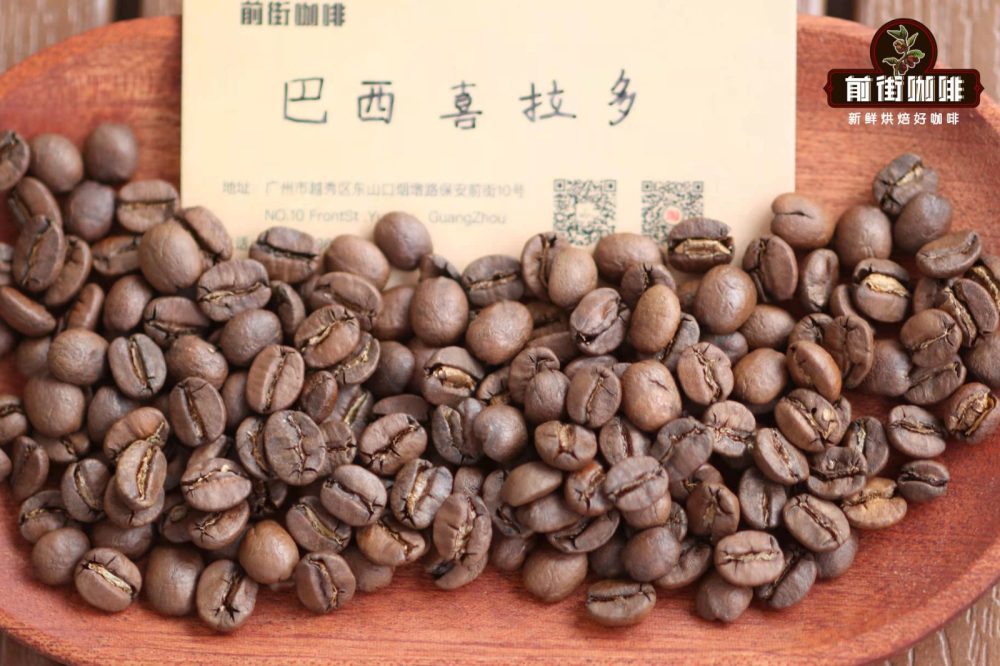
In terms of processing methods, Brazil mainly used traditional natural processing before the 1990s, but it was prone to earthy flavors due to weather influence. To solve this issue, locals developed the pulped natural technique, which reduces processing time to lower the risk of moldy tastes while enhancing fruitiness and sweetness. This method is especially suitable for Brazil’s dry climate and has become a staple in specialty coffee. Fazenda Rainha further adopts manual depulping to ensure uniform fermentation for each bean, elevating the final flavor expression.
For brewing enthusiasts, Brazilian coffee is highly adaptable. It is recommended to use medium-dark roasting to highlight a rich mouthfeel. For pour over, the Kono filter cone paired with 88°C water temperature and medium-fine grind (75% through a #20 sieve) for step brewing works well. Specific parameters: 15g coffee, 1:15 coffee-to-water ratio, initial 30g bloom for 30 seconds, followed by additions to 125g and 225g in two steps, with a total brew time of about 2 minutes. This method balances sweetness and body, highlighting the core flavors of nuts and chocolate.
The pulped natural Cerrado coffee offers an evident sweetness on the palate, accompanied by lemon aroma and a strong nutty character, transitioning into a black chocolate finish. Meanwhile, Fazenda Rainha’s natural Yellow Bourbon presents an almond-cocoa dominant profile, paired with prominent cane sugar sweetness, delivering an exceptionally full-bodied cup. Whether as an everyday brew or for single-origin appreciation, these two beans showcase the unique charm of Brazilian coffee.
The above content is compiled by CoffeeHunters, a coffee news website.


