







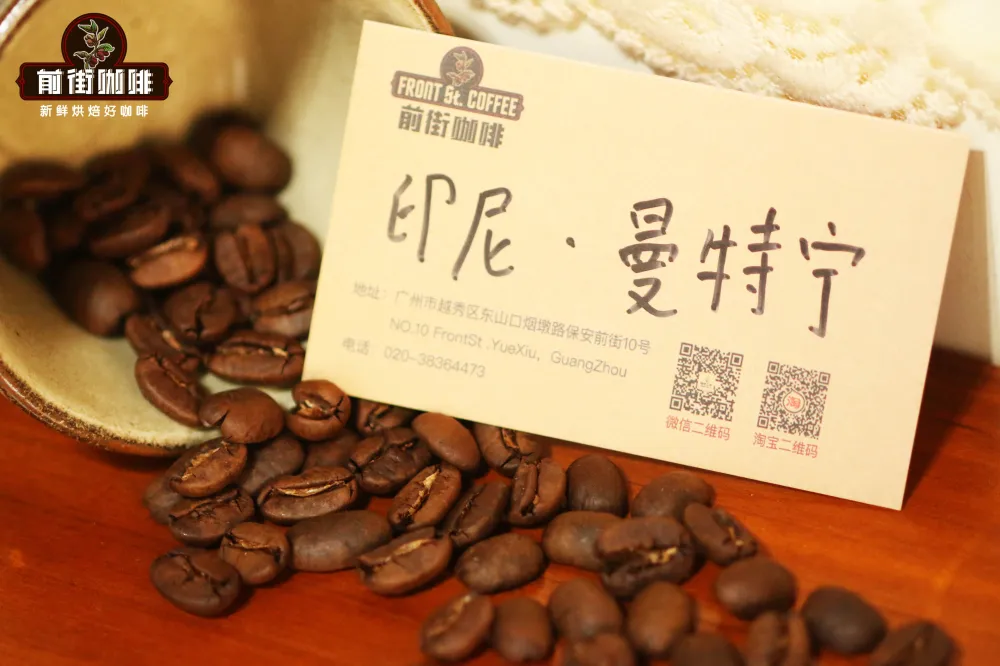
Introduction:Sumatra Mandheling coffee is renowned for its rich, low-acid flavor profile and is often the starting point for many coffee beginners exploring Indonesian coffee regions. This article delves into the history of coffee cultivation in Sumatra, the distribution of its main producing areas, and the origins of the Mandheling flavor, offering an in-depth analysis of the characteristics of this classic coffee. It also details the differences between Lintong Mandheling and PWN Golden Mandheling, and provides practical pour over recommendations and parameters to help you fully master this dark-roasted classic.
When it comes to Indonesian coffee, most people think of Mandheling first. However, "Mandheling" is not actually a place name or a specific coffee variety, but rather stems from a linguistic misunderstanding during World War II. It is said that a Japanese soldier in Indonesia once tasted a fragrant cup of coffee and asked the shop owner what kind of coffee it was. The shop owner misunderstood the question as being about where he was from and answered "Mandailing." After the war, the soldier tried to find this coffee based on his memory, eventually making the name "Mandheling" known worldwide.
Sumatra is the world’s sixth-largest island and Indonesia’s second-largest, covering a vast area with a population of over 55 million. It is also Indonesia’s primary coffee-producing region, accounting for approximately 74.2% of the country’s total coffee output. Although Indonesia is not the native home of Arabica coffee, the crop gradually developed a unique coffee culture after being introduced during the Dutch colonial period. However, during World War II, many coffee plantations were forced to switch to food crops, leading to a significant drop in production, which only gradually recovered after the 1950s.
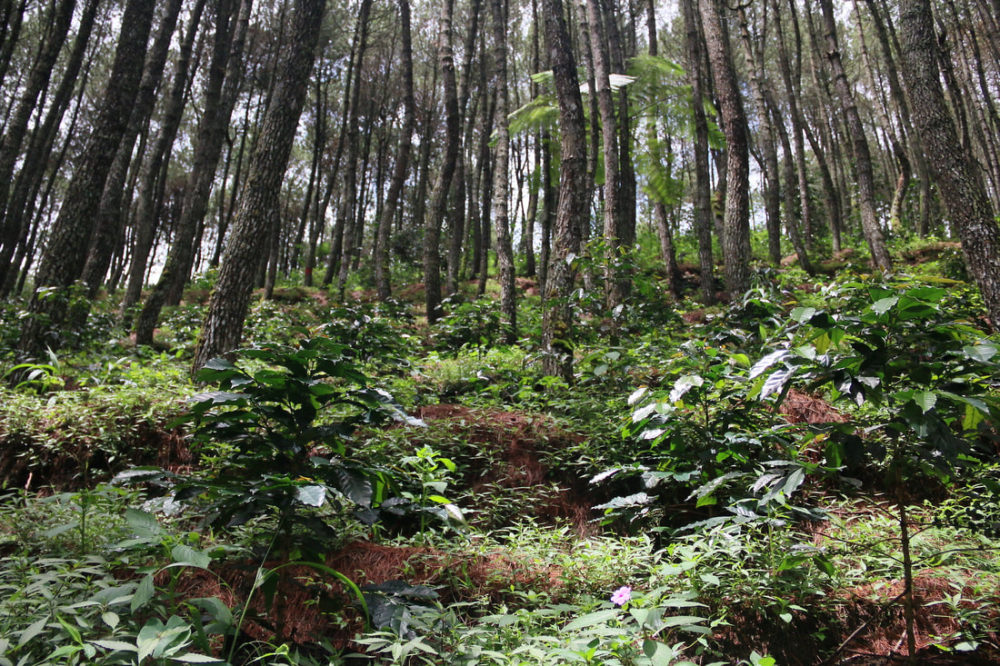
Sumatra’s topography is high in the northwest and low in the southeast. The northwest is home to the Barisan Mountain Range, where high-altitude Arabica coffee is predominantly grown, making it the core producing area for Mandheling coffee. In contrast, the southeast consists mostly of plains and swamps, where Robusta is mainly cultivated. The island has numerous volcanoes and fertile soil, and with the equator running through its center, Sumatra enjoys Indonesia’s earliest coffee harvest season, which lasts from November to March of the following year.
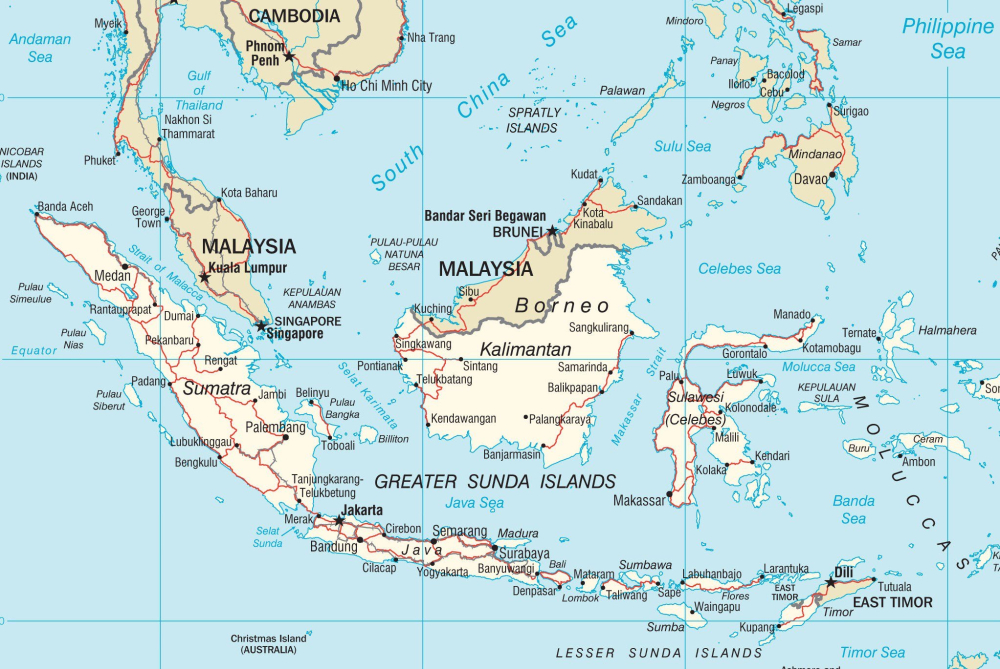
Sumatra’s Mandheling coffee is primarily produced in the central-northern highlands, especially around Lake Toba in the Lintong area. Lintong refers to a small cultivation zone located in the mountainous region south of Lake Toba. The coffee here is typically grown by small private farms without shade trees or chemical fertilizers, resulting in a rich flavor with distinctive regional characteristics. The broader term "Mandheling" includes Lintong as well as similar coffees grown in nearby areas such as Diari and the northern part of Lake Toba under comparable conditions.
It’s worth mentioning that northern Sumatra is also home to premium Arabica coffee from the famous Gayo Highlands. Mount Gayo is located in Aceh Province, at an altitude of about 1,500 to 2,500 meters. With a cool climate, fertile soil, and local farmers often practicing organic farming without chemical fertilizers, the coffee from this region is often labeled as green or organic. Gayo coffee, thanks to its high altitude and quality processing, generally offers a balanced flavor with strong floral and spicy notes.
The so-called "Golden Mandheling" is a higher-grade specialty Mandheling bean, usually produced by PWN. This type of coffee is meticulously selected, using only G1 grade beans that are 19 mesh size or larger and plump in appearance. They undergo multiple hand-sorting processes with an extremely low defect rate—no more than three defective beans per 300-gram sample. These beans are typically flat beans with a darker green color, offering stable quality and even more outstanding flavor performance.
When it comes to the varieties of Mandheling, the most common is Typica, which was one of the earliest varieties introduced by the Dutch from Java. However, due to the outbreak of coffee leaf rust in the late 19th century, many Typica plants were replaced by more disease-resistant varieties, including Ateng (the local Indonesian term, referring to a strain of Catimor). A well-known coffee brand labels its Lintong Mandheling variety as "Tim Tim Ateng," while Golden Mandheling is labeled as "Ateng." These are actually variations or local names of the same strain, known for their adaptability and suitability to Sumatra’s environment.
The unique flavor profile of Mandheling—low acidity, full body, and earthy, spicy notes—is also closely related to its processing method. Indonesia’s tropical rainforest climate, with frequent rainfall, is not conducive to traditional sun-drying methods. Coupled with economic constraints, farmers developed what is known as the "wet hulling" or "semi-washed" method. This involves removing the coffee cherry’s pulp, fermenting it briefly to remove some of the mucilage, then removing part of the outer layer before the parchment is fully dry. This special process results in Mandheling’s signature bold taste, low acidity, full body, as well as its unique muted aroma and herbal undertones.
So, how can you brew Mandheling coffee to bring out its best flavors? Since Golden Mandheling is usually dark roasted, it is recommended to use slightly lower water temperature (around 87–88°C) and choose a filter like the Kono dripper, which extends the contact time between water and coffee grounds. This helps fully extract the rich body while avoiding over-extraction and unwanted off-flavors. Use medium-coarse grind (e.g., about 70% passing through a 20-mesh sieve in China), with a coffee-to-water ratio of 1:15. Use about 15 grams of coffee grounds and 225 grams of total brewing water. A three-stage pouring method is recommended: start with a small amount of water for a 30-second bloom, then pour in stages up to 125 grams and 225 grams. The total extraction time should be controlled to around two minutes.
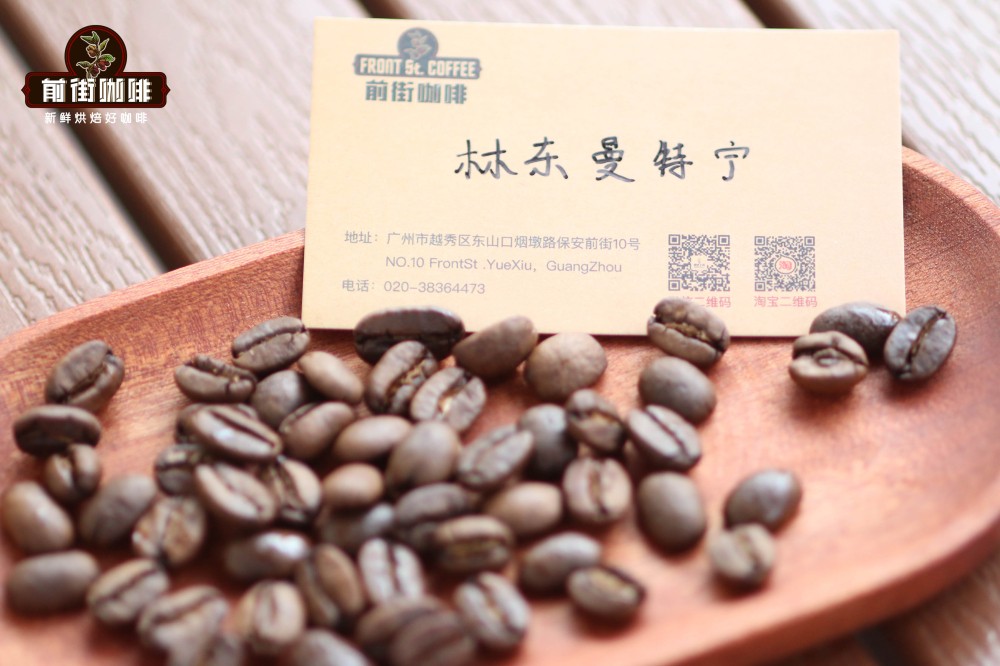
PWN Golden Mandheling performs excellently in the cup. After proper resting (generally 7–10 days for medium-dark roasts), its flavor profile is dominated by dark chocolate, caramel, and nuts, along with spicy and herbal aromas. The acidity is gentle, and the aftertaste is sweet and lingering. This coffee is ideal for drinking black and can showcase its characteristics via pour over, French press, siphon, or AeroPress, with pour over being the method that best highlights its layers and full body.
In summary, Sumatra Mandheling is not only a representative of Indonesian coffee but also an important gateway for global coffee enthusiasts to explore dark-roasted Arabica. From the traditional flavors of Lintong to the highland specialties of Gayo, and on to the carefully selected Golden Mandheling, each has its own unique charm. By mastering the right processing, roasting, and brewing methods, you can deeply appreciate the profound allure of this classic coffee.
The above content is compiled by CoffeeHunters, a coffee news website.


