








Introduction:Colombian coffee is renowned for its consistent quality and smooth, balanced flavor, making it a long-time favorite among global coffee drinkers and often the first choice for those new to specialty coffee. This article delves into Colombia’s major coffee-growing regions, its rigorous grading system, diverse processing methods, and distinctive flavor profiles, along with practical pour-over brewing parameters, helping you gain a more comprehensive understanding of the allure of this important South American coffee-producing nation.
Colombian coffee is celebrated for its delicate, smooth mouthfeel and well-balanced nutty tones, and it stands as one of the few specialty coffees in the world that directly uses a country name to symbolize a single origin. The country’s Andean mountainous terrain features high altitudes and a varied climate, complemented by significant day-night temperature differences, creating an ideal environment for coffee cultivation. Furthermore, strict oversight across the entire industry chain by the national organization FNC (Colombian Coffee Growers Federation) has established Colombian coffee’s reputation for stable, high quality. This article will comprehensively analyze Colombia’s coffee production regions, variety characteristics, processing techniques, grading standards, and offer practical pour-over recommendations, allowing you to gain deeper insight into this highly acclaimed origin.
 The widespread popularity of Colombian coffee stems not only from its consistent flavor profile but also from its stringent quality control. Upon tasting, one often encounters gentle nutty aromas and a well-balanced acidity and sweetness, making it suitable for those new to specialty coffee. Moreover, Colombia is one of the few coffee origins in the world directly named after its country, reflecting the high consistency between its industry scale and quality certification.
The excellent quality of Colombian coffee first comes from its unique geographical environment. Coffee, being a tropical crop, requires high altitudes, ample sunlight, and frost-free conditions to fully develop its flavors. Generally, the higher the altitude, the lower the temperature, and the slower the ripening process of the coffee cherries, which aids in nutrient accumulation and flavor concentration. Colombia’s Andes Mountains span the country with towering peaks, and typical planting elevations range between 800 to 2,300 meters — the ideal growing zone for Arabica coffee.
Colombia’s main coffee-growing regions can be divided into three major zones: northern, central, and southern.Among them, the southern regions feature higher altitudes and particularly outstanding quality, including Huila, Cauca, Nariño, and Tolima. These areas benefit from diverse climates, allowing harvests year-round and the production of specialty-grade coffees with pronounced fruit acidity, berry notes, and caramel sweetness.
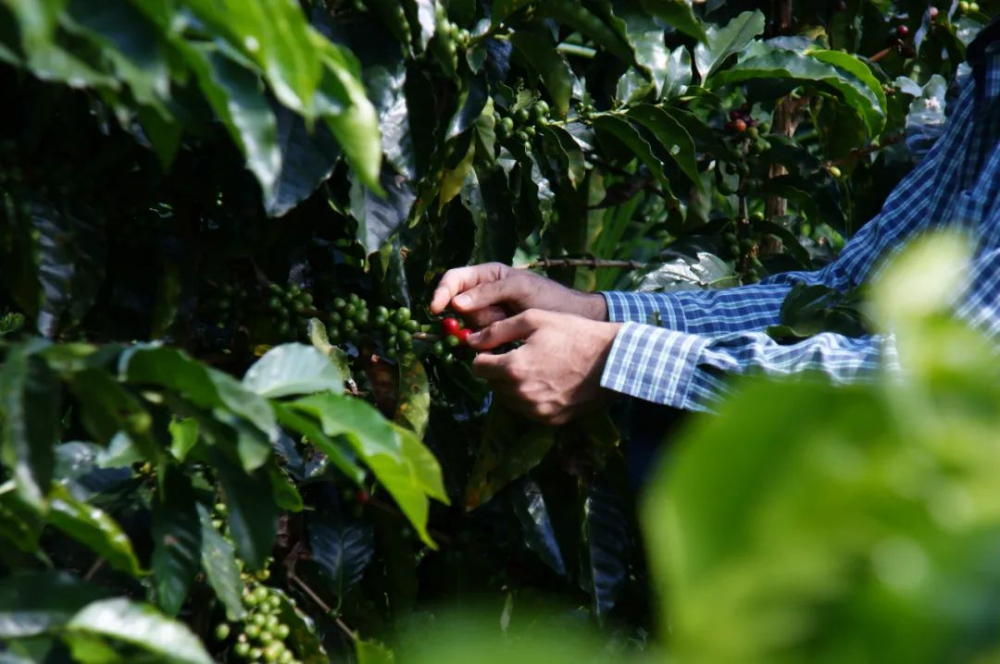
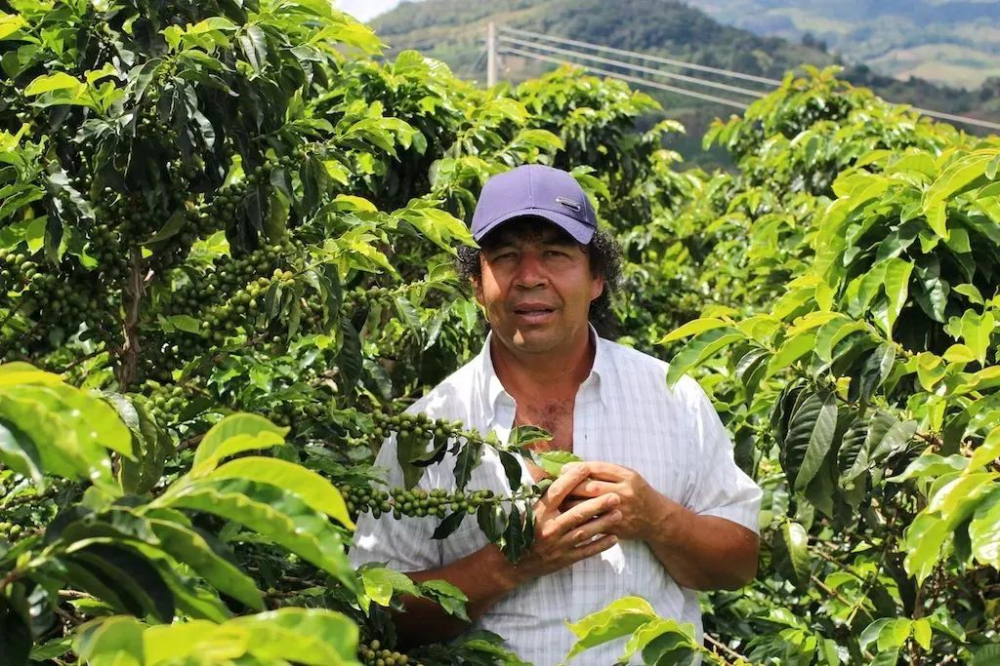
Coffee farming in Colombia is predominantly carried out by smallholders, with average cultivation areas of only about 2 to 3 mu (approximately 0.13–0.2 hectares). These farmers typically grow coffee under shade trees such as banana or native hardwoods to reduce direct sunlight exposure and maintain stable humidity and temperature differences, which helps coffee ripen slowly and accumulate more aromatic compounds and caffeine. Smallholders send their harvested coffee to community processing stations for washed processing or perform preliminary processing using their own simple setups before sending it to official inspection units for grading.
The primary processing method for Colombian coffee is traditional washed processing, which involves removing the skin and pulp of the coffee cherry, then using minimal water to remove the mucilage layer before proceeding with fermentation and drying. Many farms use locally designed Ecomill or Eco-Pulper equipment, which not only improves efficiency but also supports environmental protection and water conservation. After fermentation, the parchment beans are left to rest overnight before being rinsed clean with fresh water and finally spread out on raised beds or concrete surfaces for sun drying until the desired moisture content — generally controlled between 11% and 12% — is achieved.
With the rise of the specialty coffee trend, some producers have also experimented with special processing methods such as natural (sun-dried) and honey processes, resulting in richer fruity and wine-like flavor profiles. However, if you wish to experience the purest and cleanest essence of Colombian coffee’s flavor, washed processing remains the top choice. For instance, the well-known Huila everyday coffee bean uses the washed Caturra variety, showcasing a classic flavor balance of sweet acidity and smooth body.
Colombia’s export grading standards are very rigorous, primarily classifying beans based on size, defect rate, moisture content, and appearance. Common grades include UGQ, EP (European Preparation), Supremo, and the most widely used Excelso grade. Excelso is the main export standard adopted by FNC,requiring that at least 50% of the coffee beans in 500 grams of green coffee must be larger than screen size 15, with no more than 5% of beans falling between screen sizes 12 and 14.All exported Colombian green coffee beans must meet basic criteria such as being free from pests, off-odors, having uniform color, and clean flavors, with a moisture content not exceeding 12.5% and total defect points not surpassing 24.
Each batch of exported green coffee clearly indicates the origin, processing method, screen size, and grade — for example, a common label format might read “Colombia Huila Supremo SC17/18 FNC,” facilitating traceability and quality source identification. This standardized system is also key to why Colombian coffee has maintained long-term high trust in the international market.
To brew a cup of Colombian coffee with outstanding flavor, it is recommended to choose beans with a medium-dark roast level, such as everyday beans from Huila, whose flavors center around nuts, chocolate, and caramel, with a smooth and mellow mouthfeel. For pour-over, you can use a KONO filter cone, paired with a medium-low water temperature of 90°C. The grind size is recommended to be 75% through a #20 sieve (approximately medium-fine), with a coffee-to-water ratio set at 1:15 — using 15 grams of coffee and a total brew water volume of 225 grams, brewed in three pours to effectively bring out the coffee’s sweetness and rich body.
Specifically, start by pouring a small amount of hot water (about twice the weight of the coffee grounds) for a bloom phase of approximately 30 seconds. Then, slowly pour water in a circular motion from the center outward up to 125 grams. Once the water level slightly drops, continue pouring until you reach 225 grams to complete extraction, with the total brew time controlled to around 2 minutes. These parameters fully showcase the balanced character of Colombian coffee, and when the temperature slightly cools, you can better appreciate its gentle fruit acidity and delicate aromas.

In summary, Colombian coffee not only delivers consistently stable quality but also presents a rich spectrum of flavor profiles due to its diverse regions and processing methods. From classic nutty and chocolatey notes to the berry and floral characteristics brought out by special processing methods, you can find it all here. If you’re looking for a specialty coffee suitable for daily drinking with a certain level of complexity, Colombia is definitely an origin worth exploring in depth.
The above content is compiled by CoffeeHunters, a coffee news website.


