







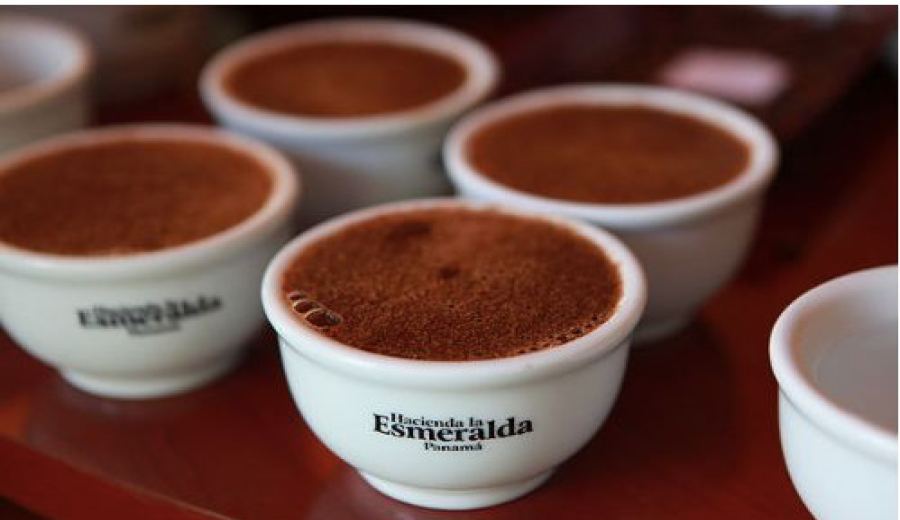
Introduction:Explore how Panamanian Geisha coffee rose to fame after winning a competition in 2004, becoming a legendary variety in the specialty coffee world. This article delves into the grading system of renowned estates—Red Label, Green Label, and Blue Label—analyzes the microclimate differences and flavor characteristics of the Boquete and Volcán regions, and provides practical pour over recommendations and a tasting guide for featured beans to help you find your own Geisha experience.
Panamanian Geisha coffee gained international acclaim after a well-known estate won an award at the BOP (Best of Panama) competition in 2004. Renowned for its vibrant floral and fruity aromas and distinctively layered sweetness, it quickly became a flagship variety in specialty coffee. Many coffee enthusiasts are curious about the multiple Geisha offerings from a certain coffee shop: why does one variety come in so many variations? In fact, each Geisha bean undergoes rigorous research on origin, roast adjustments, and cupping evaluations—preserving the classic traits of Geisha while showcasing diverse personalities and potentials.
Located at the southern tip of Central America, Panama boasts exceptional microclimates and high-altitude terrain, making it particularly suited for growing high-quality Arabica coffee. Since the 19th century, influenced by European immigrants and American technology, the coffee industry has gradually taken shape. Especially with the rise of the specialty coffee movement in recent years, Panamanian coffee has stood out for its bright acidity, delicate layers, and rich fruitiness, with the Geisha variety being the star representative.
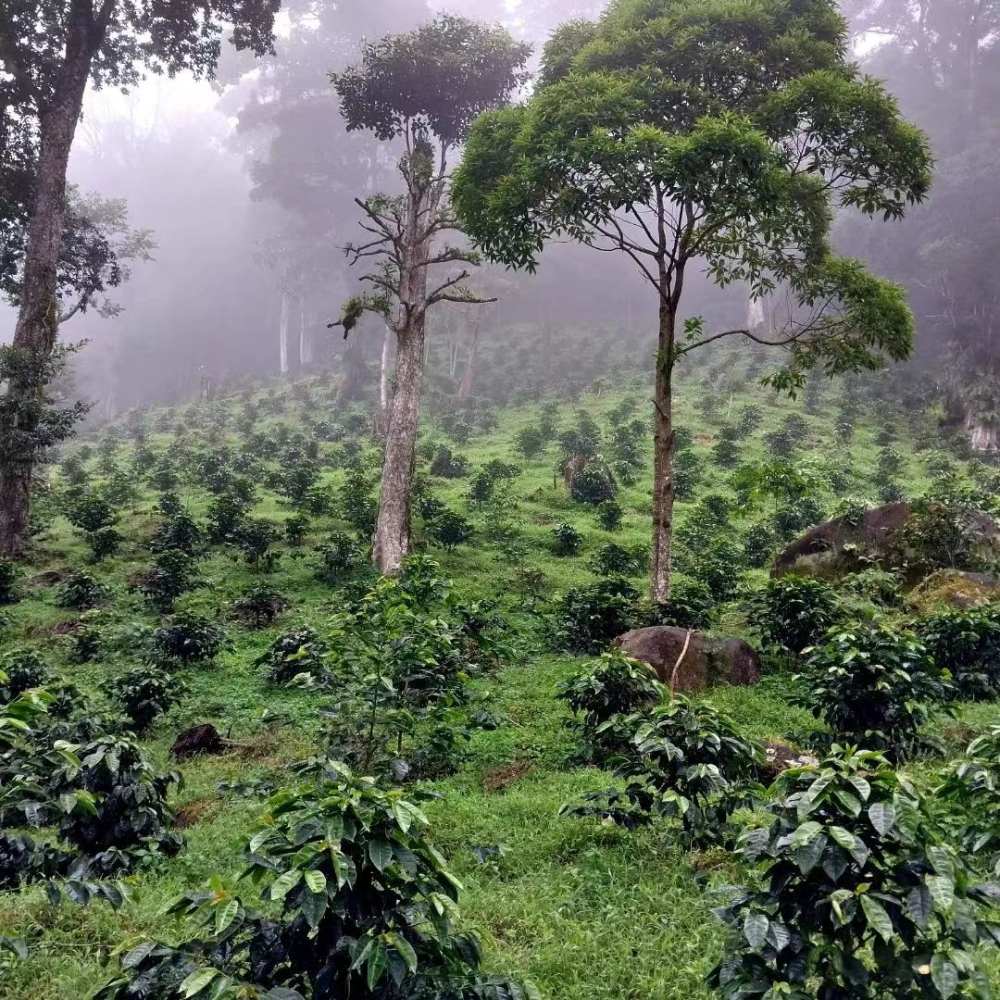
The mountainous terrain and tropical maritime climate across the country contribute to the unique flavor profile of Panamanian coffee. The Boquete region in Chiriquí Province in the north is known for its high altitude (1400–1900 meters), fertile volcanic soil, and diverse microclimates, and is home to many renowned estates, including La Esmeralda, Elida, and Catuaí Duncan. Coffees from this area generally feature high acidity, sweetness, and clear floral and fruity notes.
Compared to Boquete, the Volcán region is characterized by even higher altitudes (2000–3000 meters) and a relatively drier climate. Located on the western side of the Barú Volcano, it experiences greater day-night temperature variations, resulting in Geisha beans with often richer dried fruit aromas and sweet aftertastes. In recent years, coffees from this region have gradually made their mark in the specialty market—not only frequently selected for BOP competitions but also earning top awards at numerous estates.
Although the Renacimiento region borders Costa Rica and lies at altitudes of 1100–1500 meters, its smaller size and limited production have not yet made it a major representative area for Panamanian specialty coffee.
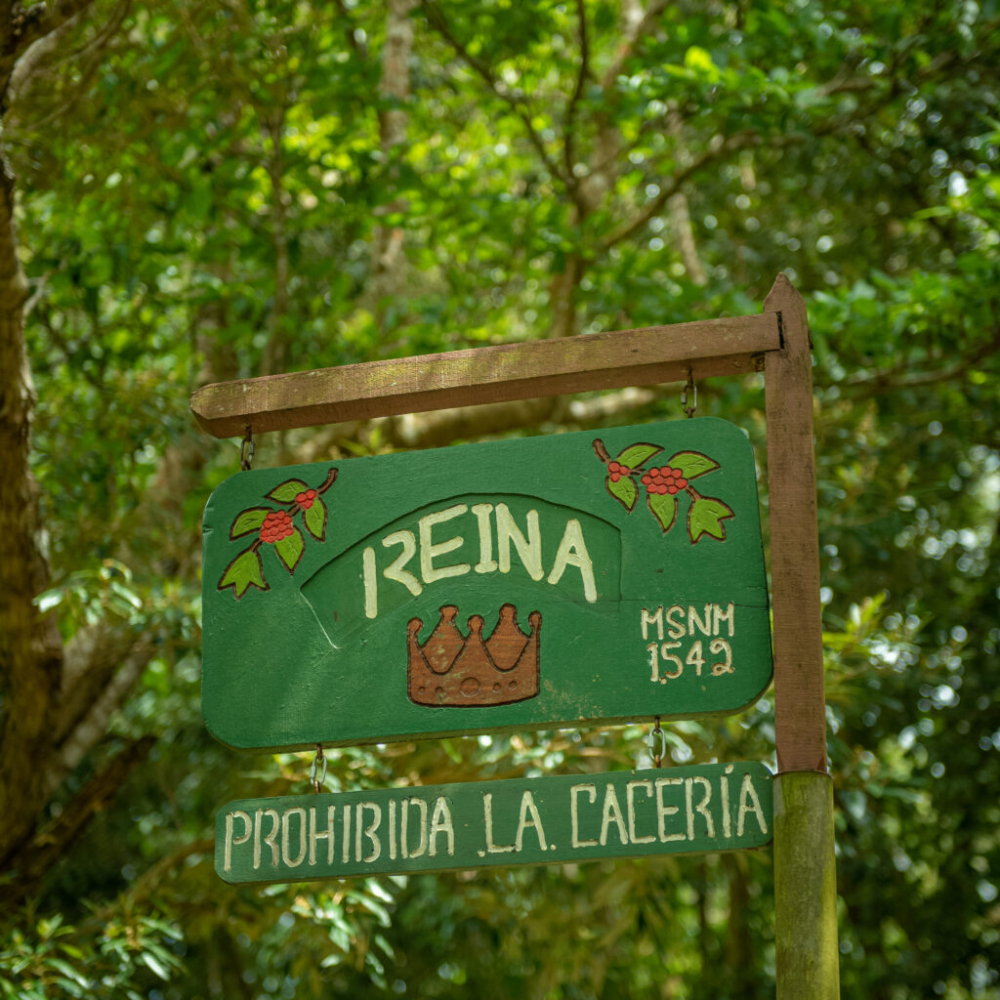
When discussing Panamanian Geisha, one cannot overlook the La Esmeralda Estate. Nestled at the foot of the Barú Volcano, this estate has been managed by two generations of the same family since it was purchased by American banker Rudolph Peterson in 1964. It has since developed into an iconic destination for specialty coffee. After merging with the Jaramillo Estate in 1996, La Esmeralda began planting the Geisha variety and gradually established a strict plot division and brand grading system.
La Esmeralda Estate divides its Geisha plantings into three renowned plots: Jaramillo, Cañas Verdes, and El Velo. The Jaramillo plot receives up to 4000 mm of annual rainfall, experiences significant day-night temperature differences (19–25°C during the day, 11–15°C at night), and sits at elevations of 1600–1700 meters. It is subdivided into five smaller plots, among which the Mario plot is the source of the 2004 BOP championship-winning beans. Cañas Verdes has nine smaller plots, at elevations of 1600–1800 meters, with similarly exceptional climate conditions and average annual rainfall of 3500 mm. The newly acquired El Velo plot is at an even higher elevation (1700–1900 meters), features a diverse planting environment, and besides Geisha, also experiments with rare varieties such as Laurina and Pacamara.
La Esmeralda’s Geisha beans are categorized into three main grades based on origin, processing method, and auction status:
Red Label (Esmeralda Special): Selected from Geisha beans grown at elevations of 1600–1800 meters in Jaramillo and Cañas Verdes, scoring 90 or above in cupping. These are usually auction lots, processed using natural or washed methods, showcasing bright floral notes, citrus tones, and honey-like sweetness. A certain coffee shop often chooses the natural Red Label Geisha from the Mario plot, as that plot is the source of the 2004 champion.
A renowned Geisha bean from somewhere
Region: Boquete
Estate: La Esmeralda Estate
Altitude: 1700 meters
Variety: Geisha
Process: Natural process
Flavor: Citrus, complex fruits, rose tea, honey
Green Label (Private Collection): A blend of micro-lots from different plots, not entered into auctions but still of excellent quality. Its flavors are similar to the Red Label but more varied, with both washed and natural options available.
A certain coffee brand · Panamanian La Esmeralda Estate Green Label Geisha Coffee Beans
Region: Boquete
Estate: La Esmeralda Estate
Altitude: 1600–1800 meters
Variety: Geisha
Process: Washed process
Flavor: Jasmine, citrus, cantaloupe, berries
Blue Label (Geisha 1500): Composed of blended beans from three plots at elevations of 1400–1500 meters, offering a more refreshing profile, primarily washed processed, showcasing subtle floral and fruity acidity. However, this series was discontinued by the estate in 2021.
A renowned Geisha bean from somewhere
Region: Boquete
Estate: La Esmeralda Estate
Altitude: 1500 meters
Variety: Geisha
Process: Washed process
Flavor: Lemon, oolong tea, cane sugar, peach
Additionally, a certain coffee shop also offers a highly cost-effective Geisha blend from the Boquete region—A renowned mixed-variety Geisha bean from somewhere. This bean combines 70% Geisha lineage with Catuía and Catuái varieties, grown in volcanic soil at 1600 meters, and is finely washed to highlight a full body and delicate acidity, delivering balanced and layered flavors.
A renowned mixed-variety Geisha bean from somewhere
Region: Boquete
Altitude: 1600 meters
Variety: Geisha, Catuía, Catuái
Process: Washed process
Flavor: Floral, citrus, black tea, classic Geisha
Another estate not to be missed isElida Estate, located in the high-altitude mountains of Boquete at 1900 meters, with a history of over a hundred years. Last year, this estate won the BOP championship in the Geisha processing category. Its anaerobic fermentation and slow low-temperature natural drying process imparts complex layers to the coffee, with flavors featuring pronounced fermentation notes, berries, and a creamy texture.
A renowned Geisha estate bean from somewhere
Region: Boquete
Estate: Elida Estate
Altitude: 1900 meters
Variety: Geisha
Process: Anaerobic fermentation, slow low-temperature natural drying
Flavor: Fermentation notes, rose, berries, citrus, green tea, cream, nuts
As forHartmann Estate, situated between 1300–2000 meters in the Volcán region, it is known for respecting nature and preserving pristine forest environments, collaborating with several international conservation organizations. Its Geisha coffee is processed using anaerobic natural drying, presenting bright tropical fruit aromas such as pineapple juice, passionfruit, and bergamot, with a sweet finish of blueberry and apricot.
A certain coffee brand · Panamanian Hartmann Estate Geisha Coffee Beans
Region: Volcán
Estate: Hartmann Estate
Altitude: 1300–2000 meters
Variety: Geisha
Process: Anaerobic natural drying
Flavor: Bergamot, pineapple juice, passionfruit, Earl Grey, blueberry, apricot
In summary, the charm of Panamanian Geisha lies not only in its dazzling aroma and layered complexity, but also in the diverse flavor expressions brought by different estates, regions, and processing methods. Whether you’re a pour over beginner or an advanced enthusiast, you can find your ideal Geisha experience—from the classic brightness of the Red Label, the approachable versatility of the Green Label, to the bold fruitiness of the high-altitude Volcán region. For pour over, it is recommended to use a medium-fine grind (such as BG 6M or EK 4F), with water temperature controlled at 90–93°C, and employ a multi-pour extraction method to highlight its subtlety and complexity.
The above content is compiled by CoffeeHunters, a coffee news website.


