







Introduction:A deep dive into the two major coffee varieties—Arabica and Robusta—comparing their growing environments, flavor profiles, and caffeine content to help you grasp their fundamental differences. Not only will we debunk common myths, but we’ll also provide practical bean selection and brewing advice. Whether you’re a pour over beginner or an espresso enthusiast, you’ll find the coffee bean type that suits you best.
Among the many coffee varieties, Arabica and Robusta are undoubtedly the two most well-known types. One is famed for its elegant and delicate flavors, becoming synonymous with specialty coffee; the other is known for its bold bitterness and high yield, forming the backbone of the global commercial coffee supply. What are the significant differences between them in terms of botany, growing conditions, flavor characteristics, and caffeine content? And is the common belief that Robusta is “unhealthy” really true? This article will fully break down the core traits of these two varieties, explore their optimal applications in different brewing methods, and share useful selection and brewing tips to help you drink with clarity and choose wisely.
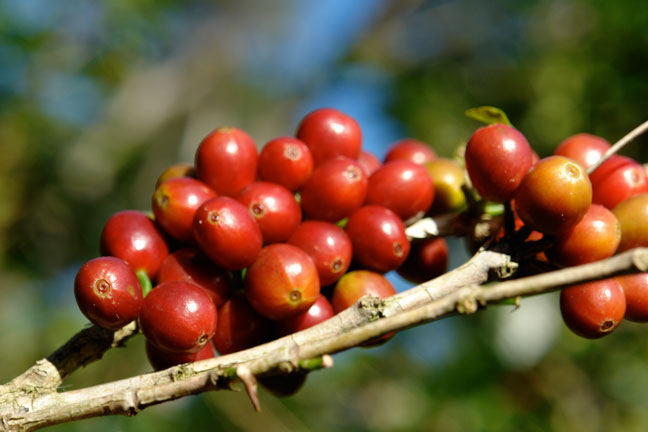 Coffee, at its essence, is a tropical crop from the Rubiaceae family, and its fruit, commonly known as the “coffee cherry,” contains two seeds—the familiar coffee beans. Although there are hundreds of coffee varieties worldwide, the ones that have achieved large-scale commercial cultivation are primarily Arabica and Robusta, with Arabica accounting for about 70% of global production. These two varieties not only differ markedly in appearance, flavor, and adaptability to the environment, but also excel in terms of caffeine content, planting difficulty, and market positioning.
Arabica: The Specialty Flavor Born at High Altitudes
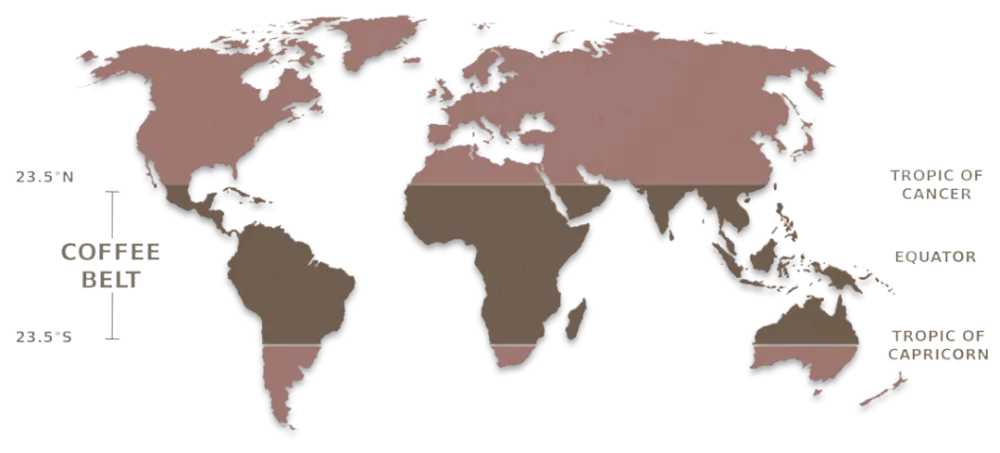
Arabica, also known as the small-seed coffee, originates from Ethiopia in Africa and is one of the most esteemed coffee types today. Its ideal growing altitude is between 1,000 and 2,000 meters, favoring cool climates of 15 to 24°C, and requiring at least 1,500 mm of annual rainfall, along with meticulous management techniques, all of which contribute to its diverse and refined flavor potential. Compared to Robusta, Arabica is more susceptible to pests, diseases, and harsh weather, particularly vulnerable to leaf rust, thus requiring more care and attention.
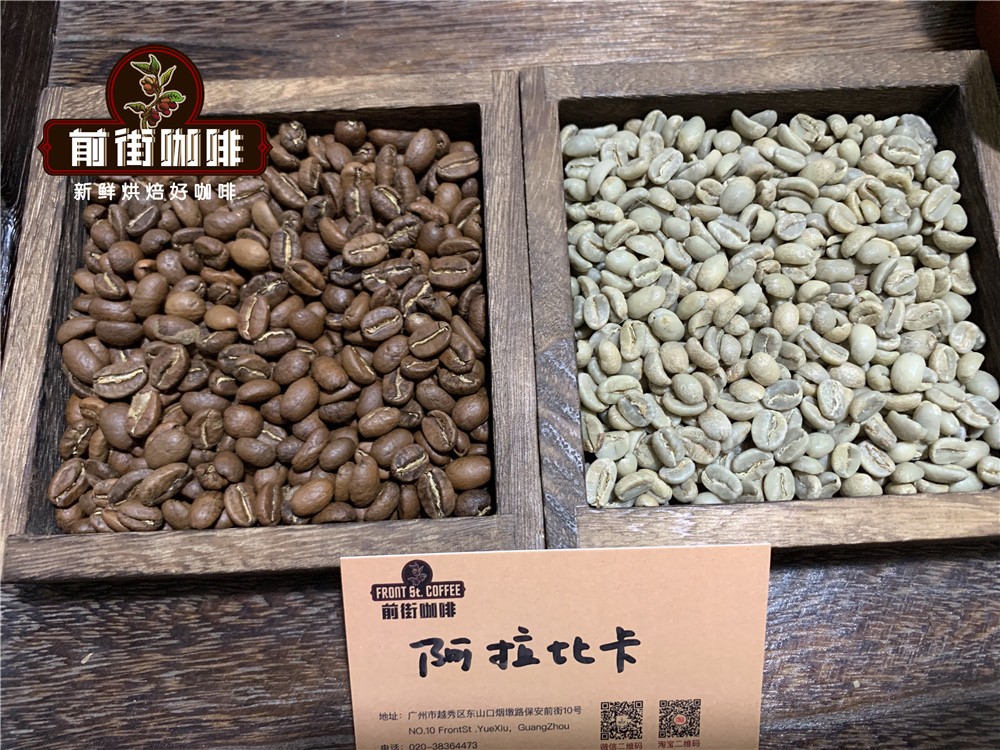
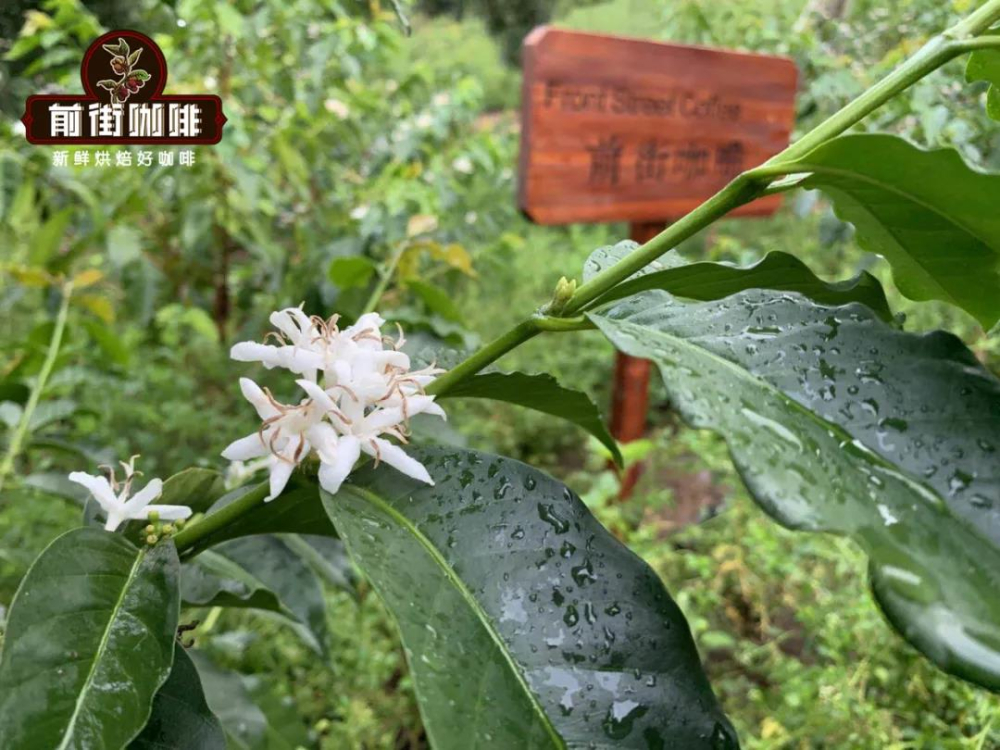
This type of coffee tree is a medium-sized shrub with dark green, oval-shaped leaves, and bears oval fruits containing two slightly flattened seeds. Arabica green beans have a distinct center crack that forms a slender S-shaped curve, while the back is relatively smooth. Its caffeine content usually ranges between0.8% and 1.5%, significantly lower than Robusta. In addition, Arabica has roughly twice the sucrose content of Robusta, which can be converted into a wealth of aromatic compounds during roasting, giving the coffee layered notes of fruit, flowers, and even caramel and honey.
From bright and lively medium-light roast fruit notes to the rich caramel and chocolate aromas of dark roasts, Arabica flexibly adapts to both single-origin enjoyment and diverse blend needs. It is also the top choice for brewing methods such as pour over and drip filtration. Beans from Ethiopia’s Yirgacheffe or those from South and Central America, like Brazil and Colombia, showcase the unique characteristics of Arabica under different regional microclimates, making them essential selections for specialty coffee lovers.
Robusta: The Representative of Robust Adaptability and Bold Flavor
Robusta, also known as the medium-seed coffee, originates from the Congo region in Africa. Its growing requirements are relatively lenient, suitable for lowland altitudes between 200 and 800 meters, favoring higher temperatures of 24 to 29°C and less rainfall. Although its flowering and fruiting cycle is longer (about 9 to 11 months), its strong adaptability, disease resistance, and high yield make it a crucial pillar of commercial coffee.
Robusta plants are taller, reaching up to 10 meters, with bright green, long-oval leaves. The fruits are plump, hard, with small and round beans, and the center crack is nearly vertical, feeling as hard as small pebbles. Its caffeine content reaches as high as2.7% to 4%, almost double that of Arabica, which also gives it a natural stronger resistance to pests. However, because it generally undergoes more rudimentary processing methods, its flavor often presents noticeable bitterness, woody notes, and even earthy or rubbery undertones, so it is mostly not recommended for single-origin drinking.
Robusta is mainly used in instant coffee, canned coffee, and industrial coffee liquids, and also plays a role in some espresso blends by enhancing body and Crema (coffee foam). Once often seen as “low-grade coffee,” it can actually show unique value when sourced and roasted correctly.
How to Drink Robusta? Correct Consumption Methods and Blending Applications
Many people mistakenly believe that Robusta is harmful to health. In fact, it is just as much coffee as Arabica, with the main differences lying in flavor characteristics and caffeine concentration. Due to its high caffeine content, it may cause insomnia or palpitations in sensitive individuals, but for those needing a quick energy boost or who enjoy a strong taste, it is an ideal choice. Especially in espresso blends, a small amount of Robusta can significantly increase crema thickness and body, making the coffee richer and smoother when paired with milk.
Many professional roasters incorporate carefully selected Robusta into blends, typically controlling the proportion within a certain range to balance the overall flavor layers. For example, classic Italian blends often use stable-origin Arabicas like those from Brazil or Indonesia as the base, complemented by small amounts of high-quality Robusta, creating espresso that is rich, smooth, and textured.
Selection and Brewing Tips: How to Savor the Essence of Both Varieties
No matter which coffee beans you choose, freshness is key to flavor performance. It is recommended to prioritize beans roasted within five days, and let the beans rest for 4 to 7 days after opening to complete degassing, when the flavor is most balanced and rich. If purchasing coffee powder, it is advisable to brew it as soon as possible to avoid aroma loss due to oxidation.
For pour over beginners, Arabica medium-light roast beans such as Ethiopia Yirgacheffe or Colombia Huila are excellent entry choices, offering bright acidity and floral-fruity notes. For those who prefer a bold flavor or are trying espresso for the first time, consider selecting espresso blends with a small amount of high-quality Robusta to experience the interaction of rich crema and deep aftertaste.
In summary, Arabica and Robusta each have their strengths—there is no absolute good or bad, the key lies in understanding their characteristics and choosing the option that best matches your taste and brewing method. From specialty pour over to bold espresso, these two varieties together build a rich and diverse coffee world, waiting for you to savor in detail.
The above content is compiled by CoffeeHunters, a coffee news website.


