







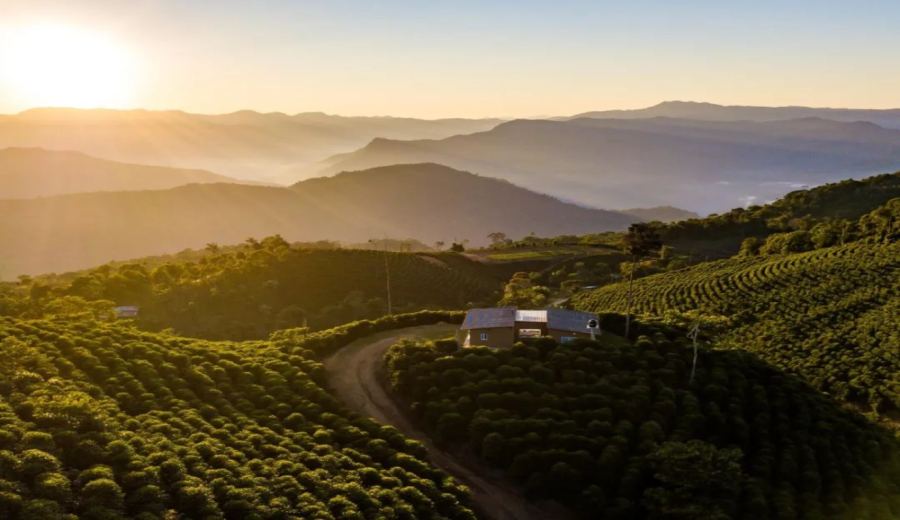
Introduction:Delving into Bolivia’s coffee industry, an inland South American nation, this exploration covers its high-altitude growing environments, historical development, and the unique flavors of the Java variety. It also examines the challenges faced—steep mountain roads, competition from coca cultivation, and leaf rust disease—as well as how the Rodríguez family is revitalizing specialty coffee through their “Sun of Tomorrow” initiative. This article provides a comprehensive look at the essence of Bolivian coffee, from regional distribution and variety characteristics to processing techniques.
Although Bolivia is considered an ideal place for coffee cultivation, its production has always been limited. The country’s high altitudes and diverse terrain produce coffees often rich in sweetness and gentle acidity. In the 2017 World Barista Championship (WBC), Japanese barista Miki Suzuki secured second place with a Bolivian Geisha, showcasing its profound potential. However, challenging roads, the economic appeal of coca cultivation, and the impact of the 2013 leaf rust outbreak have made the coffee industry in this landlocked South American nation fraught with difficulties. From the glory of COE competitions to the export struggles under political instability, the revival of Bolivia’s specialty coffee owes much to quality-focused advocates like the Rodríguez family. They have championed the Sun of Tomorrow initiative and successfully cultivated distinctive varieties such as cocoa natural Java.
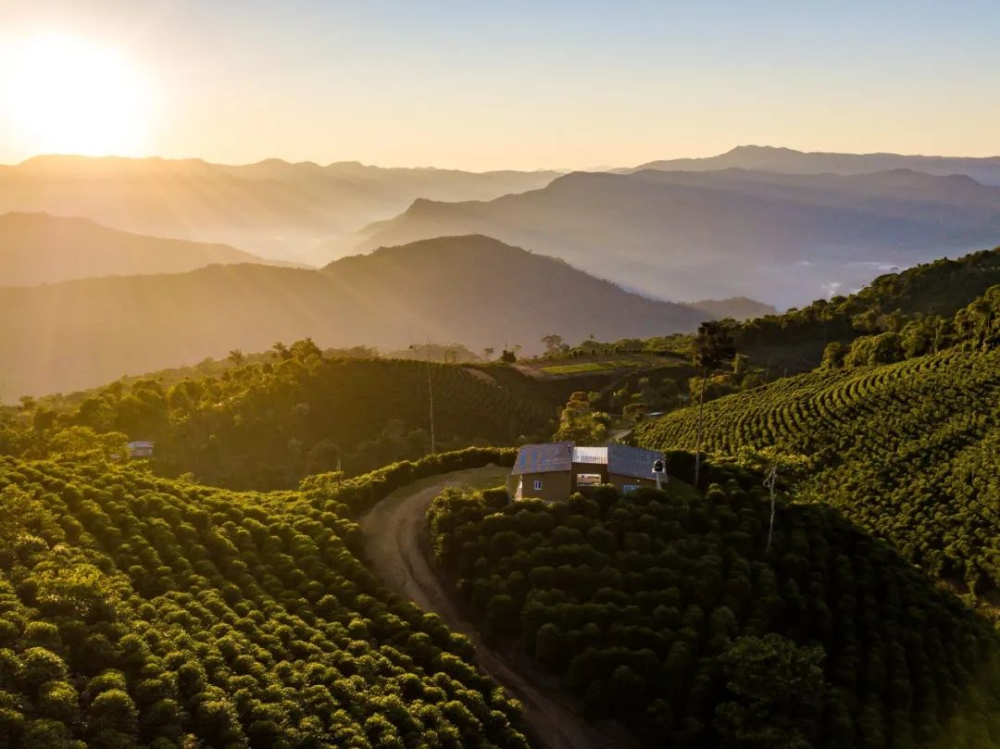
Bolivia is the only landlocked country in South America, bordering Brazil, with terrain ranging from the towering peaks of the Andes to vast salt flats. The entire country has an average elevation exceeding 3,000 meters. Its constitutional capital is Sucre, but the actual administrative center is La Paz, which sits over 3,600 meters above sea level, making it the highest capital city in the world. The high-altitude environment offers significant advantages for coffee cultivation, resulting in pronounced sweetness and mild acidity. However, the country’s annual coffee production is only about 223,000 sacks (each sack weighing 60 kilograms), placing it among the lower-yielding nations.
There are multiple reasons for the low output, with the foremost challenge being harsh transportation conditions. Many coffee-growing regions are located in remote mountainous areas with rugged and dangerous roads. Among them, the North Yungas Road is dubbed the “Death Road,” featuring narrow paths without guardrails and often shrouded in thick fog, resulting in hundreds of traffic-related deaths each year and severely hampering coffee transport efficiency. Although the government has increased investment in road infrastructure in recent years, improvements take time. Secondly, Bolivia has a population of only about 10.5 million, with many living in poverty. The income from growing coca leaves (used for drug production) far exceeds that from coffee, leading many farmers to abandon coffee cultivation or even leave their fields fallow. Notably, coca cultivation requires heavy use of chemical pesticides and fertilizers, causing severe soil degradation. Additionally, the 2013 leaf rust outbreak caused Bolivia’s coffee production to plummet by 50% within just one year, marking a pivotal turning point that relegated the country to minor coffee producer status.
Looking back at the history of Bolivian coffee, in the 1880s, large farms north of La Paz produced significant quantities. In 1991, the government launched an indigenous coffee cultivation program, but it failed to prioritize quality improvement. Coupled with incentives for coca leaf cultivation—which offered four times the profit of coffee—many farmers shifted to higher-yield crops or abandoned farming altogether. In the early 2000s, the United States actively supported Bolivian agriculture, but relations soured due to the Bolivian government’s support for coca cultivation, adversely affecting coffee farmers. It wasn’t until Bolivia reinstated limited anti-drug policies that some USAID-supported coffee development programs, such as the COE competition, were restarted.
In 2004, the Cup of Excellence (COE) was held in Bolivia for the first time. That year, 13 specialty lots scored over 84 points, with the winning lot achieving an impressive 90.44 points, driving a significant rise in green bean prices. However, after 2009, due to political factors, Bolivia withdrew from the COE competition and has yet to return. The 2013 leaf rust outbreak, combined with the government’s long-standing coca policy, led to a 70% drop in Bolivia’s coffee production over the past decade, solidifying its status as a small-scale producer. In 2018, Bolivia signed a coffee export quality inspection agreement with China in an attempt to tap into new markets. But the political upheaval in 2019, including a coup that paralyzed cities, once again introduced uncertainty into coffee exports.
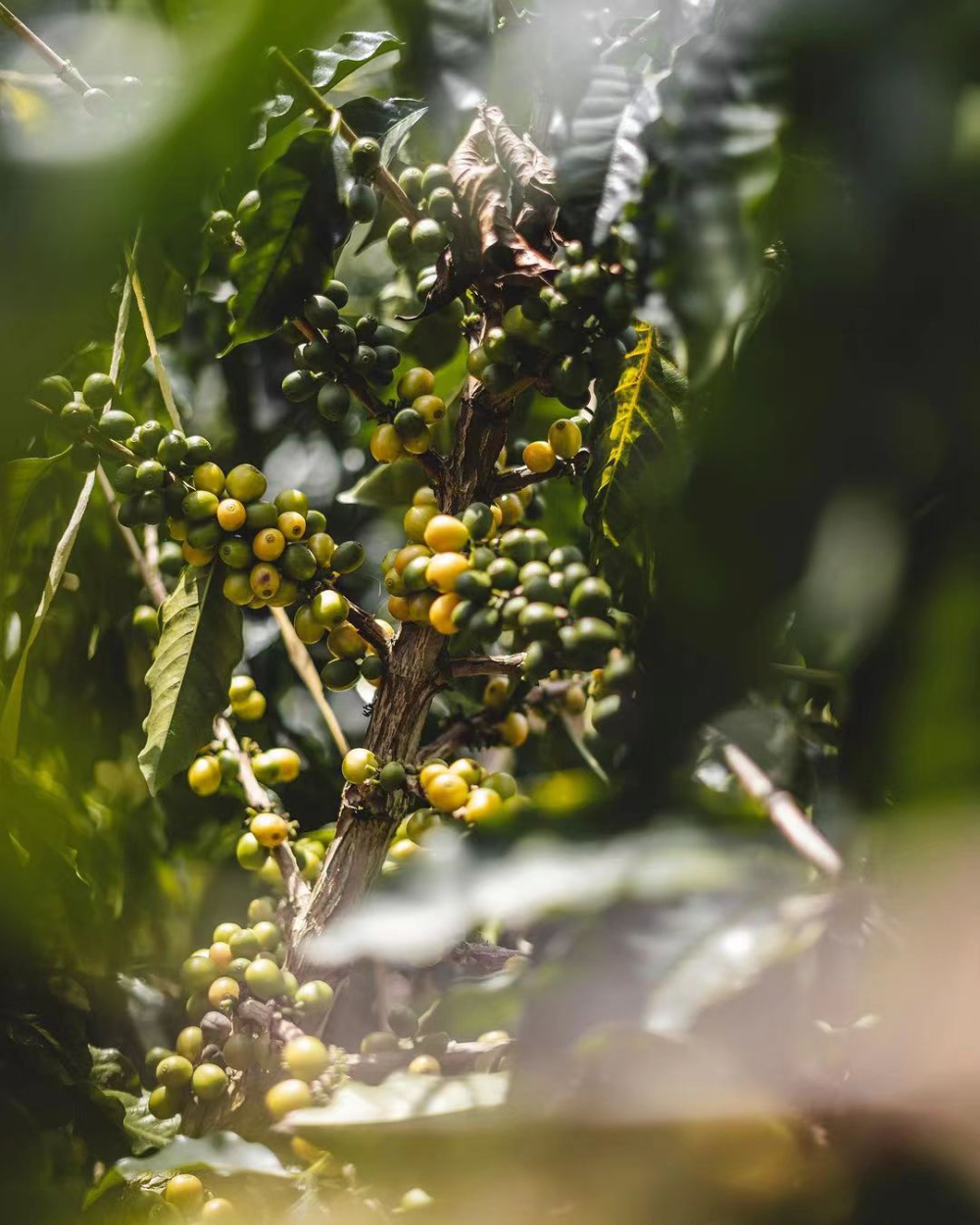
Coffee production in Bolivia is mostly carried out by small farms or cooperatives, a result of the land reforms in 1991 that drastically reduced the number of large landowners. Currently, there are approximately 23,000 coffee-producing families nationwide, with an average farming area of just 1.2 to 8 hectares. The main producing region is Yungas, accounting for 95% of national output, with planting altitudes between 800 and 2,300 meters and the main harvest season from July to November. Located on the eastern side of the Andes, Yungas encompasses vast forests and boasts some of the world’s highest-altitude coffee farms. It is also Bolivia’s oldest coffee-producing region, with the capital La Paz situated to its west. Additionally, small amounts of coffee are grown in Santa Cruz and Beni, but Santa Cruz’s lower elevation makes high-quality coffee rare, contributing about 3% of national production.
In advancing Bolivia’s specialty coffee development, the Rodríguez family has played a pivotal role. Since 1986, the family has been dedicated to coffee cultivation. Facing policy restrictions and natural disasters, they gradually acquired land and established new farms, focusing on cultivating high-quality specialty coffees such as Bolivian Geisha. The Rodríguez family manages a total of 12 farms, four located in Santa Cruz and eight in the Caranavi region of La Paz, achieving full integration from harvesting, processing, packaging to exporting.
In 2016, the Rodríguez family launched the “Sun of Tomorrow Initiative (El Sol de Mañana)” to support smallholder farmers in growing high-quality coffee. The program provides vocational training, discounts on the latest coffee seeds, professional consulting services, and fairer trade prices to encourage farmers to improve cultivation techniques. It also includes incentive mechanisms, offering additional rewards to farmers who achieve specific cupping scores, creating a positive cycle of quality and income to ensure the sustainable development of the coffee industry.
A coffee brand once cupped a washed Java Typica coffee bean from this program, revealing a rich flavor profile: the entry featured a gentle strawberry acidity, the mid-palate delivered caramel sweetness, and the finish hinted at delicate cocoa and almond aromas.
Traditionally, Bolivia’s coffee plantings mainly consisted of varieties like Typica, Catuai, and Red/Yellow Caturra. With the rise of the specialty coffee trend, many farms have introduced varieties such as Bolivian Geisha, Pacamara, and SL28 over the past two decades. Among them, the Rodríguez family’s Bolivian Geisha originates from the world-renowned El Injerto Estate. Java (Java Nica), on the other hand, is an ancient variety from the Abyssinia (Abisinia) lineage of Ethiopia, sharing the same origin as Geisha and also celebrated for its exceptional floral and fruity notes, often regarded as a “cousin” of Geisha.
It’s important to clarify that the Java mentioned here refers to a coffee variety, distinctly different from Indonesia’s Java coffee region. Indonesian Java, after centuries of cultivation, has lost some of its original premium genetic traits, belonging to a different lineage. The Java variety was first introduced to Timor Island, then spread to Cameroon in East Africa, and was first promoted for cultivation there in the 1980s. In 1991, to offer smallholder farmers more low-fertility-demand varieties, CIRAD (the International Center for Agricultural Research and Development) introduced Java to Costa Rica, from where it spread to Central and South America. Practice has proven that this variety can deliver outstanding flavor performance in high-altitude environments.
The Mierisch family of Nicaragua was the first to promote the Java variety in the specialty coffee market. To distinguish it from the Indonesian variety, they named the Central American counterpart JAVA NICA (referring to Java from Nicaragua). This variety has gradually gained recognition in Central and South America in recent years and has been meticulously cultivated by the Rodríguez family in Bolivia.
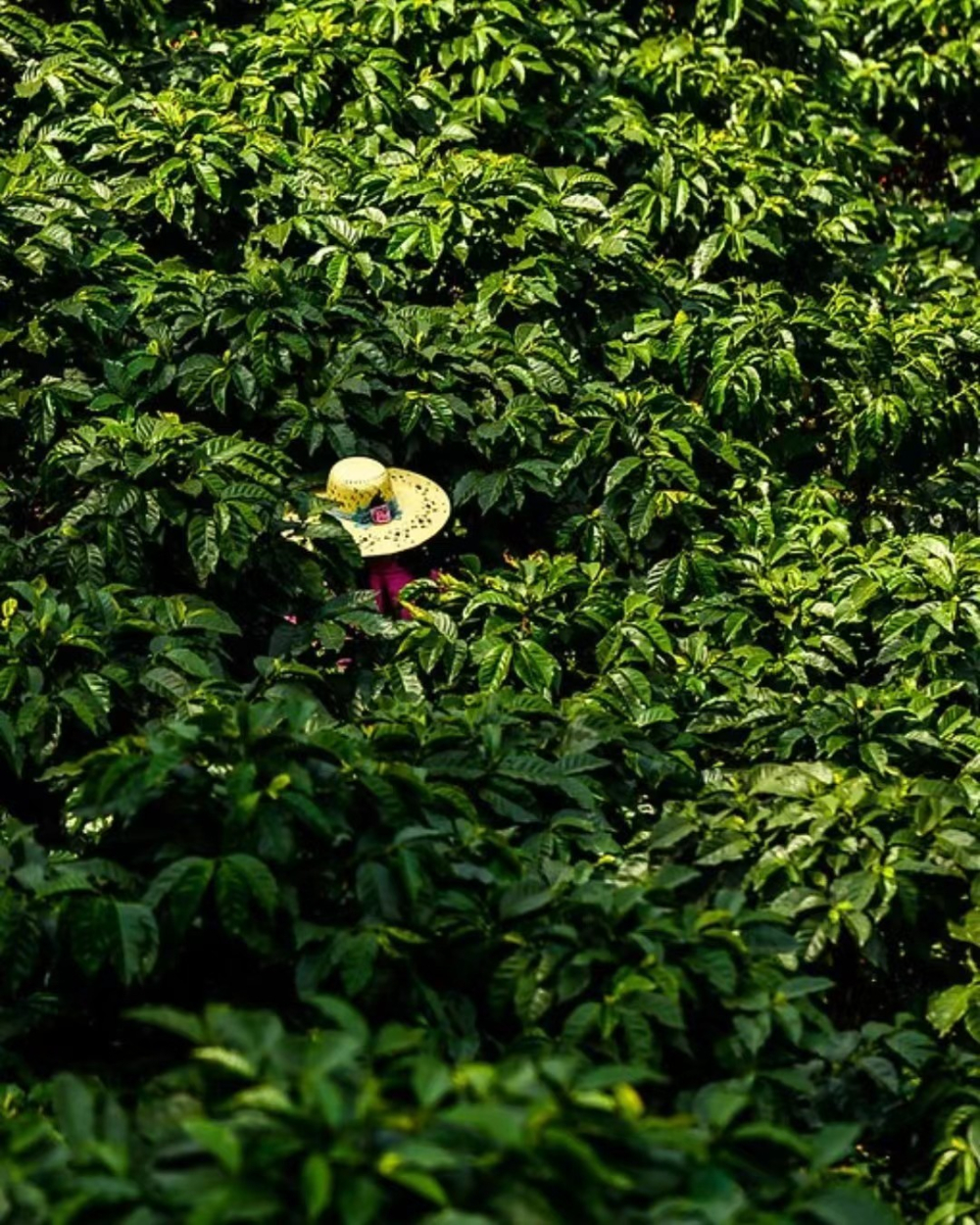
Recently, a coffee brand cupped a Bolivian cocoa natural Java coffee bean from the Rodríguez family’s small Waliki farm. The farm is located in the Bolinda community, about 10 kilometers outside the town of Caranavi in La Paz, nestled in a dense, steep valley at over 1,600 meters above sea level. The cold climate results in a longer coffee growth cycle. Below is a detailed breakdown of the bean’s processing techniques.
From the late 20th century to the early 21st century, through foreign-funded development projects, many smallholder farmers in Bolivia established traditional washed processing facilities, which became the mainstream method. Some larger farms further experimented with classic techniques like natural and honey processing, even introducing specialized methods such as anaerobic fermentation and yeast. The Rodríguez family was among the pioneers.
A Bolivian cocoa natural Java coffee bean once cupped by a coffee brand was processed using a special method developed by the Rodríguez family. After harvest, the coffee cherries underwent strict selection and weighing, were thoroughly washed, and then placed on raised African beds for drying, with hourly turning to ensure evenness. After about a week, the cherries were moved into a cocoa dryer for low-temperature slow roasting. This innovative technique utilized a cocoa dryer to slowly dry the coffee beans at temperatures below 40°C for approximately 35 hours, flipping them every 30 minutes to effectively mitigate the impact of weather fluctuations on the drying process.
After drying, the coffee beans were transported to La Paz for resting, followed by hulling and sorting at a specialized drying facility. The facility combined mechanical precision hulling with manual ultraviolet and natural light sorting to ensure consistent final product quality. This Bolivian Waliki Farm Cocoa Natural Java (Bolivia Waliki Coco Natural Java), grown at a high-altitude mountain environment of 1,600 meters, showcases the unique flavor potential of this variety through its distinctive processing craftsmanship.
The above content is compiled by CoffeeHunters, a coffee news website.


