







Introduction:From the optimal tasting window after roasting to the myth of fridge storage, this guide helps you master the three major flavor killers—light, temperature, and oxygen. We detail the preservation principles of one-way degassing valves and vacuum canisters, and provide a horizontal comparison of the flavor profiles of 12 popular pour over beans—from the bold spice notes of Indonesian Mandheling to the passion fruit and grape flavors of Sidama, helping you choose beans precisely and extend their best drinking period.
Freshness is the soul of coffee flavor, and how you store your beans directly affects their lifespan. Whether you're a beginner practicing pour over or a coffee enthusiast chasing regional characteristics, understanding the storage differences between green and roasted beans, and recognizing the damaging effects of light, temperature, and oxygen, can help every cup of extraction get closer to the true terroir flavor.
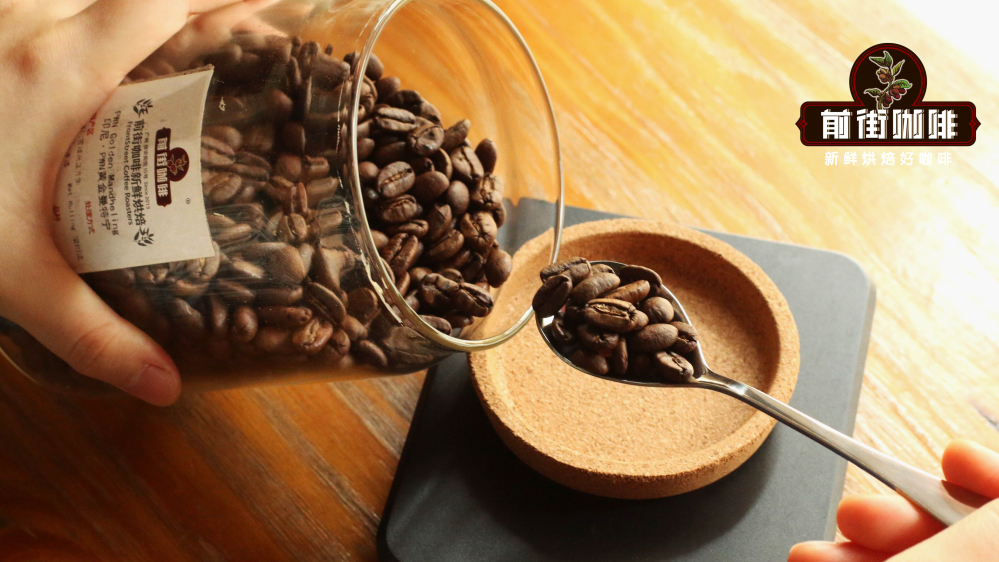
Freshly roasted coffee beans continue to release carbon dioxide, and improper sealing during this period can cause the packaging to swell or even burst. Professional roasters useone-way degassing valve packagingspecifically designed to solve this issue—it automatically releases gas when internal pressure exceeds a threshold while preventing outside air from flowing back in. If you don’t have a dedicated coffee storage canister at hand, keeping the original packaging sealed tightly by pressing the seal flap down can also achieve basic freshness preservation.
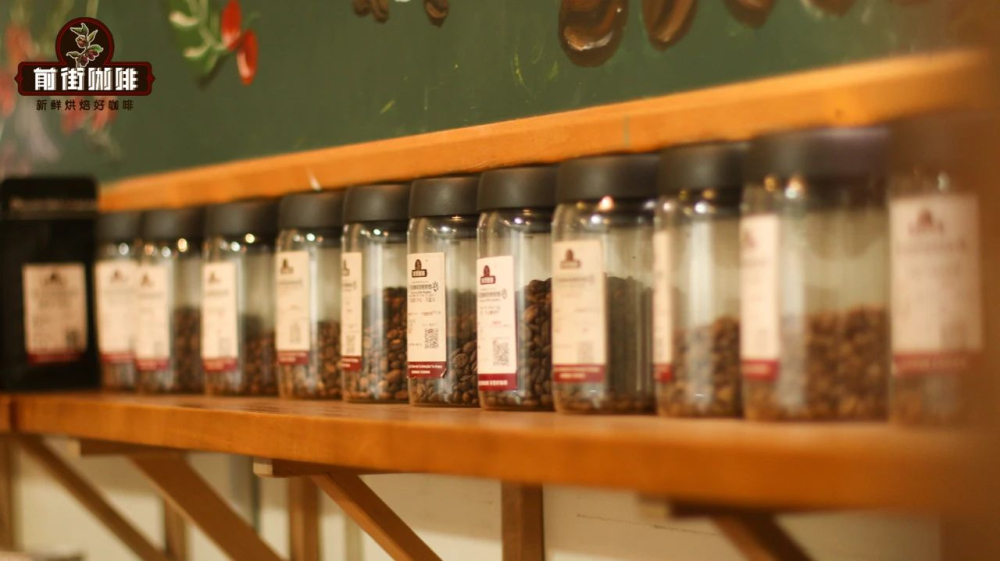
For advanced users, we recommend usingvacuum-sealed canisters. To operate, press the exhaust button to remove oxygen inside the canister, creating a low-pressure environment where the carbon dioxide naturally released by the beans forms a protective layer. This design delays oxidation more effectively than regular airtight containers. Experiments show that under the same storage conditions, beans kept in a vacuum canister retain about 30% more aroma than those in regular sealed bags after two weeks.
There’s a common misconception about storage duration: the so-called 'best-before date of 365 days' only ensures food safety—the truly criticaloptimal tasting period is concentrated between the 4th and 30th day after roasting. During this time, beans go through an 'outgassing phase' (about 1–3 days), a 'flavor development phase' (4–14 days), and a 'decline phase' (15–30 days). After thirty days, even with proper storage, acidity brightness and aroma complexity will noticeably weaken. Especially note: never put roasted beans in the fridge, as condensation can cause moisture absorption and spoilage, and freezing can damage cell structures.
For pour over beginners, we suggest starting with the following classic single-origin beans representing key regions:Indonesian Mandhelingfeatures herbal and earthy tones, suitable for practicing medium-coarse grind;Ethiopian Yirgacheffeis known for its citrus acidity and jasmine floral notes;Brazilian Cerradodisplays a balanced profile of nutty chocolate and low acidity. These beans are not only budget-friendly but also serve as foundational options for practicing pour techniques and flavor recognition.
Advanced users can challenge themselves with vibrant single-origin beans:Fruitti Dingdingshowcases tropical fruits and white floral notes;Huakuipresents distinct layers of berry and cream;Little Tomatooffers a transparent, fresh-juice-like mouthfeel;Strawberry Candycombines fermented wine notes with sweet fruity tones;Sidamahas highly recognizable passion fruit and black grape profiles;Little Blue Mountain Bird of Paradiseperfectly balances acidity, sweetness, and bitterness. These specialty beans are recommended to be purchased within one week of roast date to fully experience the unique characteristics bestowed by their microclimates.
The above content is compiled by CoffeeHunters, a coffee news website.


