







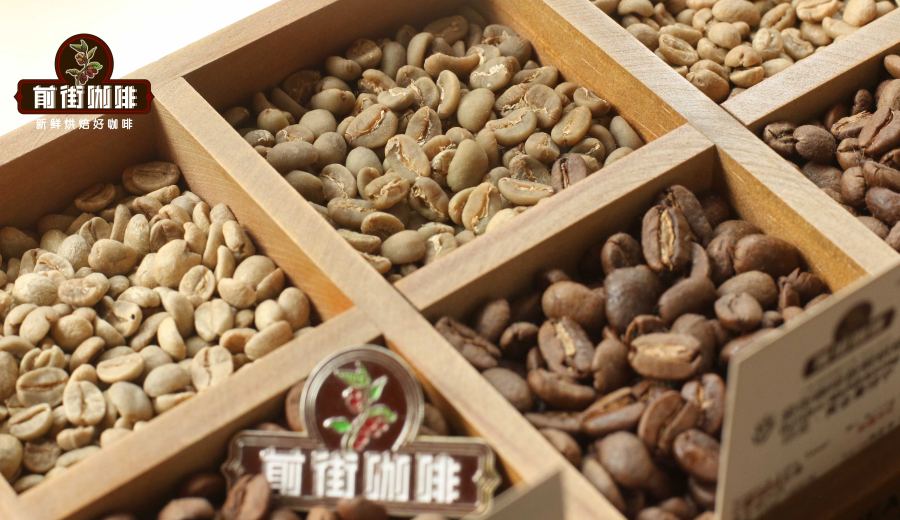
Introduction:Indonesia is one of the world’s major coffee-producing countries, most famously known for Mandheling from Sumatra. This article delves into Indonesia’s key coffee-growing regions, the evolution of the Mandheling variety, and how the wet-hulling process contributes to its distinctive flavor profile. We also highlight three classic beans—Lintong Mandheling, Golden Mandheling, and Tiger Mandheling—covering their origin, grade, processing method, and pour over recommendations to help you grasp the essence of Sumatran coffee.
Asia’s coffee production ranks second only to Central and South America, characterized by rich, full-bodied flavors with low acidity, often accompanied by complex notes of wood, spice, and earth. This contrasts with the bright fruit acidity typical of African or Central and South American coffees. While such flavors may not appeal to everyone, for coffee enthusiasts seeking depth and complexity, Indonesian Mandheling is definitely worth exploring.
Mandheling is not a place name but originated from a misunderstanding during World War II. At that time, Japanese soldiers tasted a good cup of coffee in an Indonesian café and asked the owner for its name, to which they were told “Mandheling” (actually a transliteration of the Mandailing ethnic group in Indonesia). After the war, the soldier introduced this coffee to Japan, making the name “Mandheling” widely known.
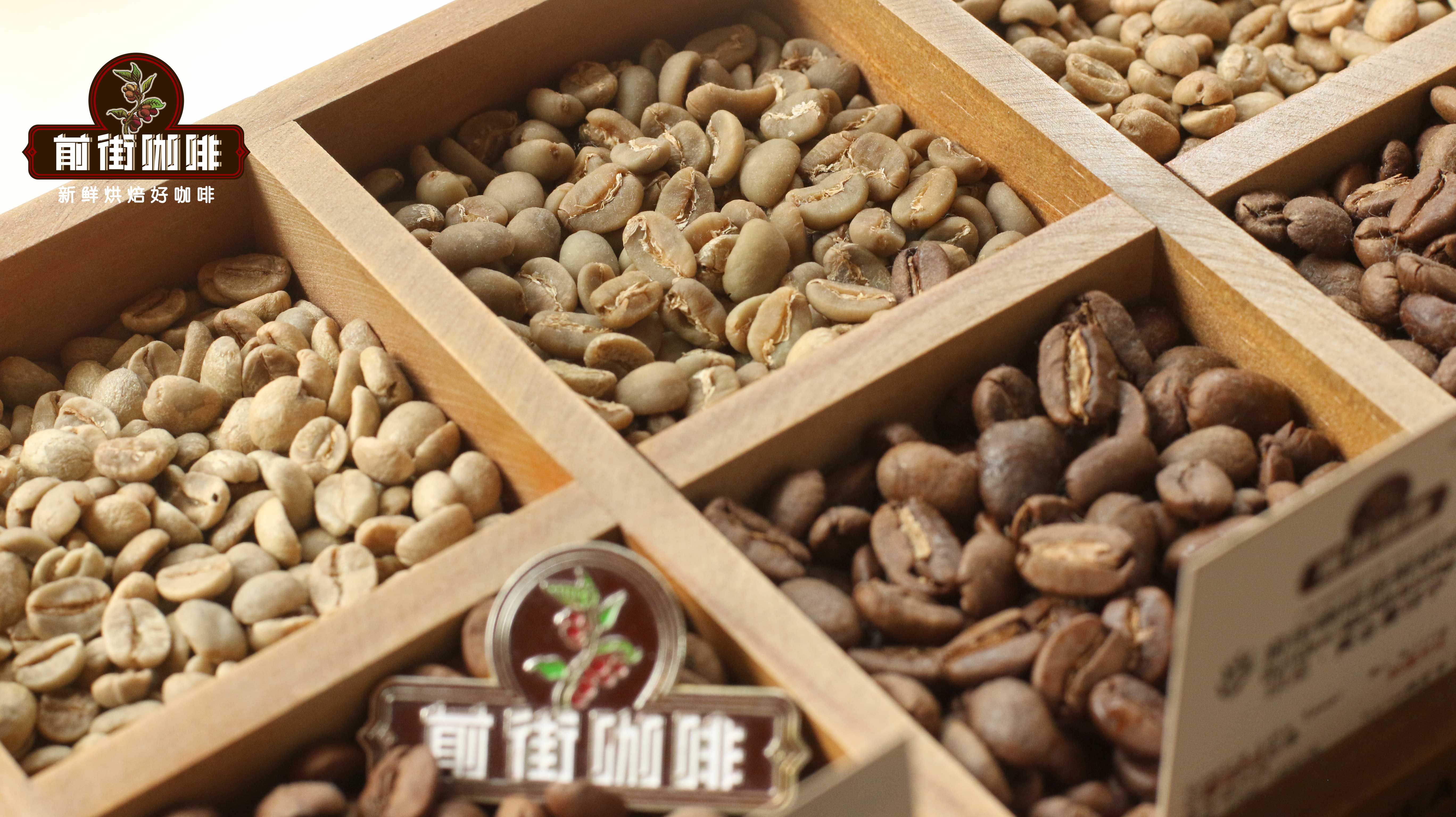
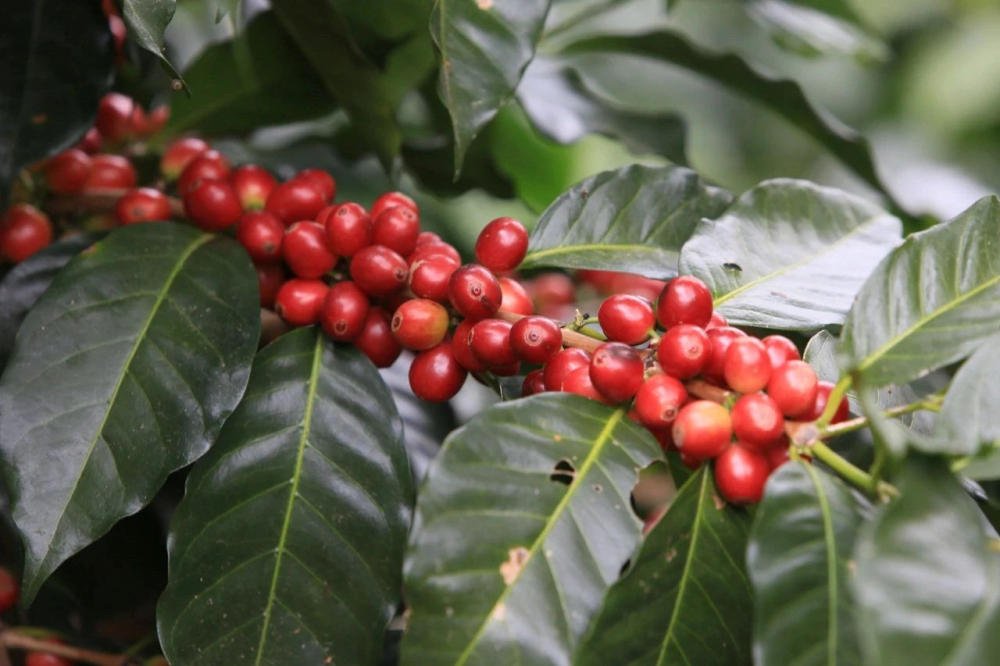
Indonesian coffee is primarily produced on the island of Sumatra, which has a tropical rainforest climate with high temperatures, humidity, and abundant rainfall—ideal conditions for coffee cultivation. However, due to altitude limitations, only 25% of the coffee grown is Arabica, with the rest mostly being Robusta, which thrives at lower altitudes. The northern part of Sumatra, with higher elevations, is the golden region for Mandheling production, especially the “Two Lakes, Two Mandhelings”—Lake Tawar (near the Gayo Mountains in Aceh) and Lake Toba (in the Lintong area)—which are the most renowned.
There is a variety of coffee varieties grown in Indonesia, with common ones including Tim Tim (i.e., the Timor variety) and Ateng (a branch of Catimor). A well-known coffee brand labels its Lintong Mandheling as Tim Tim Ateng, while its Golden Mandheling is labeled as Ateng. Ateng is the local term for the Catimor family of varieties, suitable for cultivation in Aceh and capable of developing unique flavor profiles.
Indonesian coffee is distinguished by its unique processing method—wet hulling. Due to long rainy seasons, limited sun exposure, and economic considerations, farmers adopt a semi-washed approach: immediately after harvest, the coffee cherries are depulped, fermented for three hours, then dried to a moisture content of 30%-50% (half-dry), followed by the removal of part of the outer layer (such as mucilage and parchment), and finally sun-dried to reach a final moisture content of 12%-13%. This method shortens the drying time and creates the classic “regional taste” of Mandheling—low acidity, full body, and herbal, woody aromas.
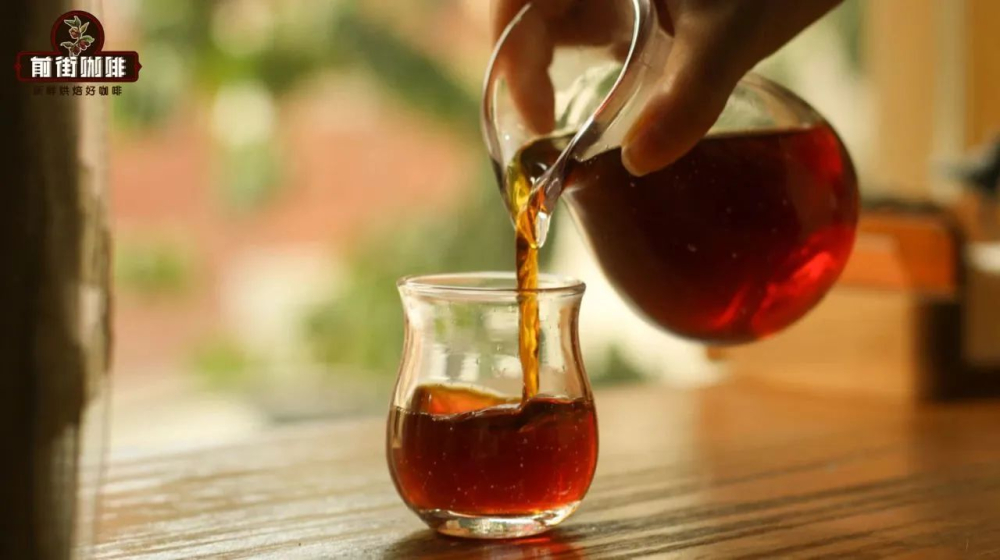
There are several classic Indonesian Mandheling beans, among which a well-known coffee brand has carefully selected Lintong Mandheling, Golden Mandheling, and Tiger Mandheling, each with its own characteristics:
Golden Mandheling: This is not a grade but a trademark registered by P.T. Perkebunan Nusantara (PWN), an Indonesian company. Established in 1957, PWN was the first enterprise to export coffee from North Sumatra and played a key role in popularizing Mandheling in Japan. Since 1977, the company has focused on exporting high-quality Mandheling (Grade 1 Arabica and Grade 2 Robusta), with main markets in Japan, Taiwan (China), and the United States. Golden Mandheling is a patented trademark of PWN, and authentic products must come with a PWN certificate. The Golden Mandheling used by a well-known coffee brand is produced by PWN, with green bean size of 18 mesh or above, no more than 3 defects per 300 grams (G1 grade), and goes through three rounds of manual selection. It offers a clean taste, noticeable sweetness, and strong aroma.
Tiger Mandheling: Refers to Mandheling beans with a screen size of 17 or above and a defect rate below 4%. The green beans are round, greenish-yellow in color, with high uniformity and good moisture content. The main varieties are Caturra and Typica—the former brings citrus and lemon acidity, while the latter offers a long-lasting sweet aftertaste. The overall taste is balanced with high cleanliness. Suitable for medium to dark roasting to enhance body and complexity. Production regions include Sumatra, Java, and Sulawesi, with northern Sumatra (such as Aceh’s Lake Tawar and Lake Toba) at higher altitudes, primarily cultivated using traditional shade-grown, pesticide-free organic methods.
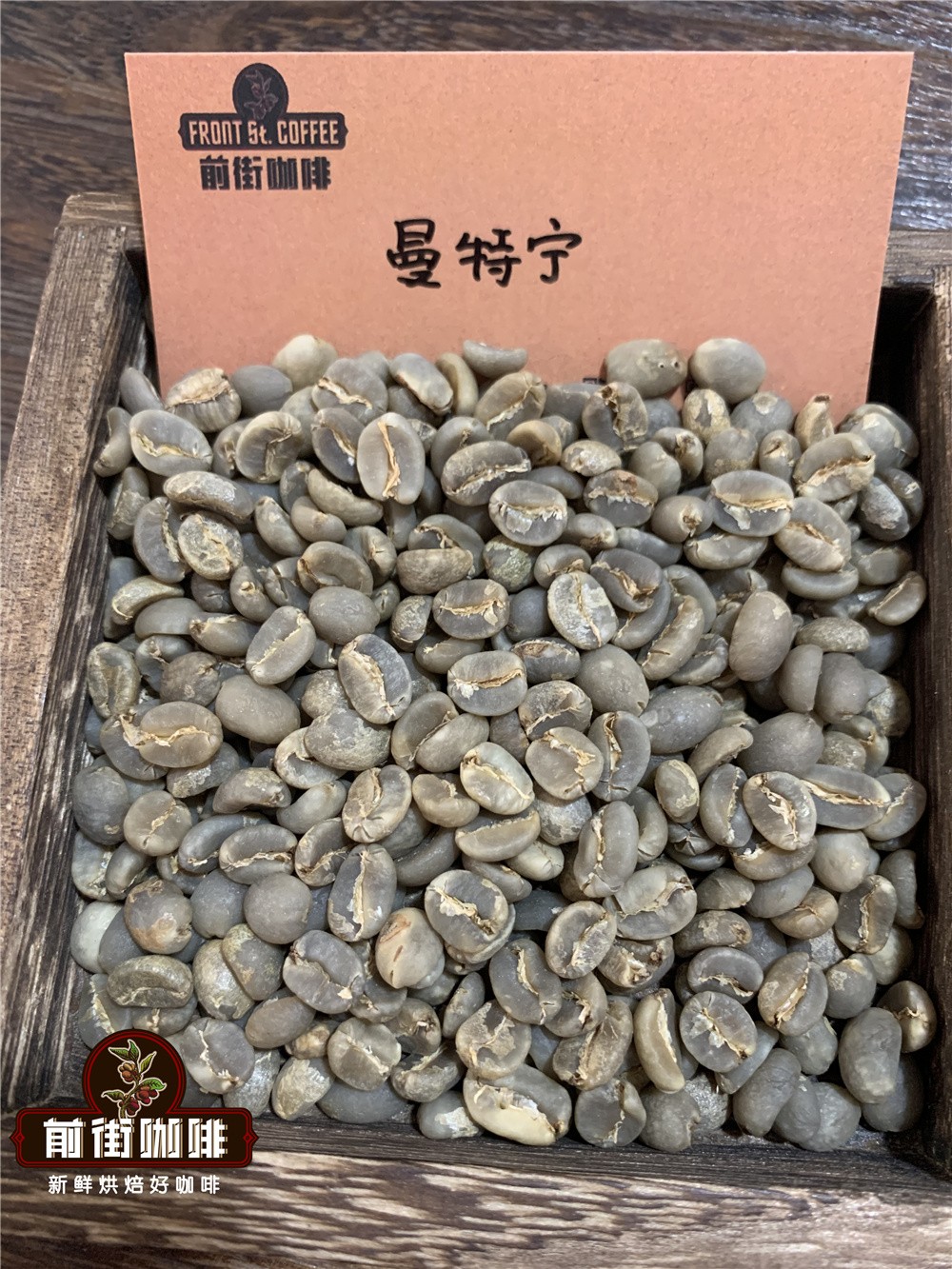
Lintong Mandheling: Produced in the Lintong area of Sumatra, it presents a full-bodied flavor when deeply roasted, featuring intense nutty tones, with a hint of melon aroma in the aftertaste. As it cools, herbal notes become more pronounced, offering a rich and layered taste experience.
Brewing Recommendation (suitable for all three types of Mandheling): For dark roasted beans, it is recommended to use a Kono filter, with water temperature around 88°C and a coffee-to-water ratio of 1:15 (15g coffee). Grind size is 11 on the EK43s grinder (75% passing rate on a 20-mesh sieve in China). Use a pulsed pouring method: start with a bloom using twice the coffee weight in water (30g) for 30 seconds, then pour in a circular motion until reaching 125g for the first pour, continue pouring until 225g, then let the dripping finish before removing the filter (total brew time around 2 minutes). Finally, swirl the coffee before pouring into your cup.
[Lintong Mandheling] Flavor Description: Rich nutty tones, with a hint of melon aroma in the later stages. As the temperature drops, herbal notes emerge, delivering a full-bodied and layered taste.
[A Well-Known Coffee PWN Golden Mandheling] Flavor Description: Intense nutty flavors, with melon, herbal, and spicy notes emerging as the temperature slightly cools. The aftertaste features a dark chocolate tone with a distinct caramel sweetness. The taste is clean and smooth.
[Tiger Mandheling] Flavor Description: The taste is relatively balanced with high cleanliness, showcasing prominent notes of cream, dark chocolate, and nuts.
The above content is compiled by CoffeeHunters, a coffee news website.


