







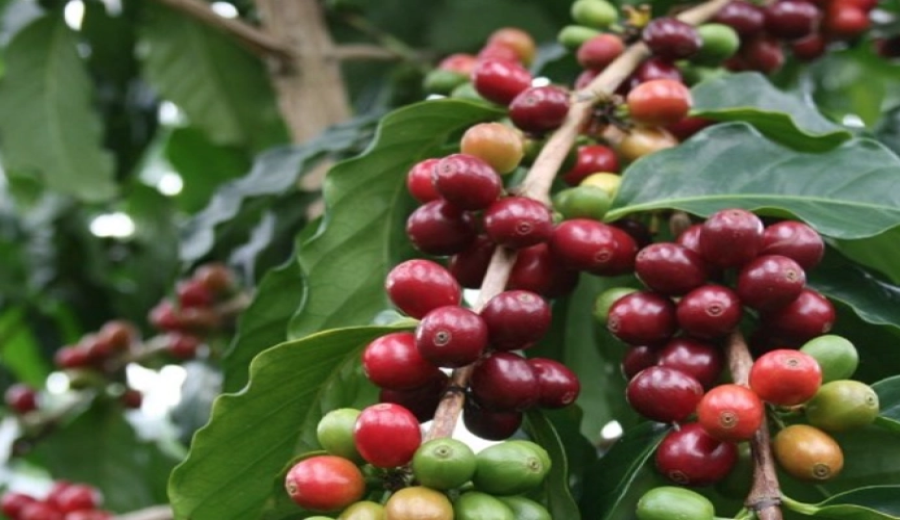
Introduction:Delve into the story of specialty coffee from Bolivia, a high-altitude nation, exploring its historical background, terroir, and processing techniques to understand why this land can produce uniquely flavored Java variety beans. This article will provide a detailed introduction to a cocoa natural Java coffee bean from the La Paz region — covering its growing altitude, climate conditions, processing methods, and flavor profile — to give you a comprehensive understanding of this premium coffee with notes of grape, nut, and honey.
Although located in the heart of South America and neighboring major coffee-producing countries like Brazil and Colombia, Bolivia has long been overlooked as a key coffee origin. However, the small amount of specialty coffee produced in this country — especially the Bolivia Java variety introduced by a certain coffee brand — has won the favor of many coffee enthusiasts with its complex floral and fruity aromas and honey-like sweetness. This coffee showcases intense notes of grape, nut, subtle floral tones, and layers of honey, making it truly remarkable.
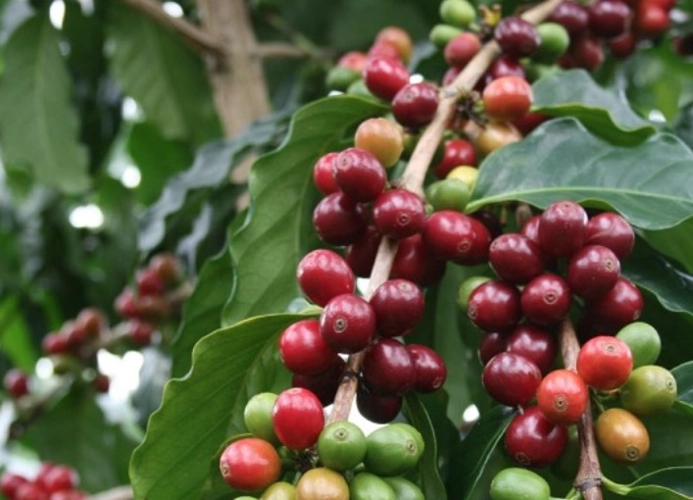
Bolivia’s terrain is predominantly highland, with an average elevation exceeding 3,000 meters, making it one of the highest-altitude countries in the world. Its geography can be roughly divided into three main regions: the eastern and northeastern parts consist of Amazon Basin alluvial plains, covering about 60% of the country’s area; the central region comprises valleys on the eastern foothills of the Andes Mountains, which is the main hub for agricultural activity; while the western part features even higher-altitude plateaus with variable climates and significant day-night temperature differences — an ideal environment for growing high-quality coffee. Especially at high altitudes, coffee tends to accumulate richer flavor compounds, resulting in pronounced sweetness and complex acidity.
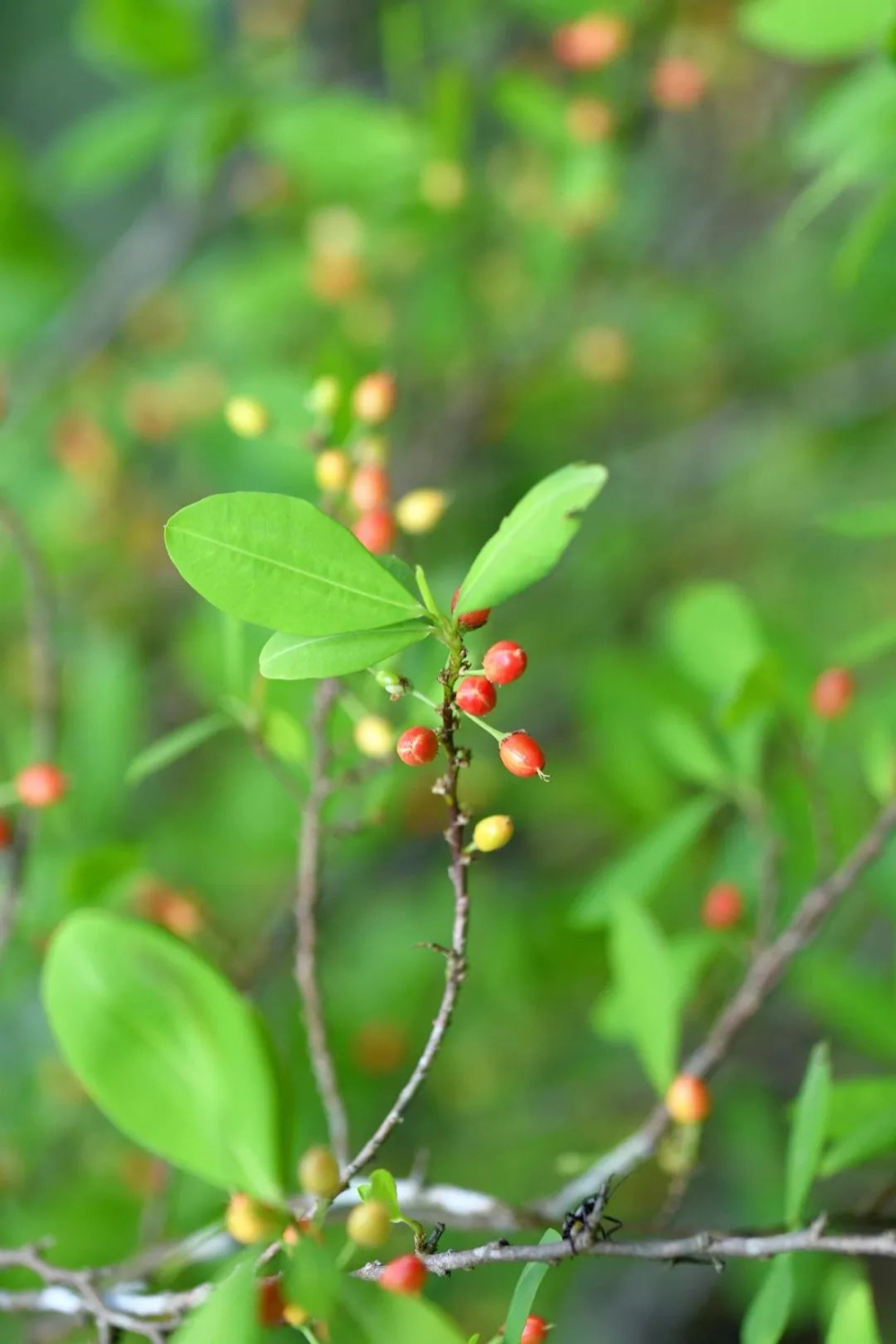
Looking back at history, coffee cultivation in Bolivia dates back to the 1880s, when production was primarily led by large-scale farms north of the capital, La Paz. However, by the 1990s, due to economic and policy factors, many farmers opted to grow more profitable coca leaves instead of coffee. Coca leaves not only fetched higher prices but were also easier to manage than coffee, leading to vast areas of once-coffee-suitable land being repurposed. Even though the United States provided agricultural aid around the year 2000, it failed to reverse this trend. More severely, the leaf rust epidemic in 2013 caused over half of the local coffee trees to die, further weakening Bolivia’s coffee production capacity and reducing it to a niche origin.
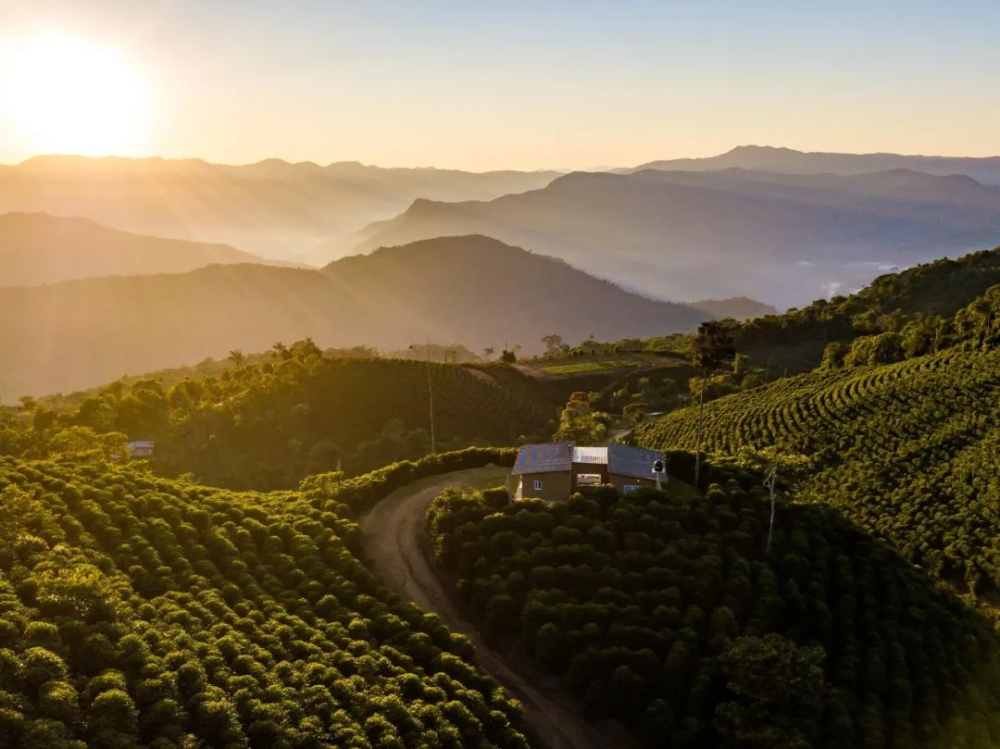
Amid such challenges, the “Sun of Tomorrow” initiative led by the Rodríguez family became a key driver in revitalizing Bolivia’s specialty coffee sector. This program not only offered technical support but also established large-scale processing facilities to assist smallholder farmers with post-harvest processing and sales, effectively stabilizing the supply chain and improving coffee quality. These efforts have enabled Bolivia’s specialty coffee — particularly unique varieties like Java — to maintain a distinctive presence in the international market.
When it comes to Bolivia’s coffee-growing regions, areas such as La Paz, Caranavi, Yungas, and Inquisivi all show potential, but the Yungas region stands out due to its extremely high altitude and unique microclimate. For example, one of the world’s highest-altitude coffee farms, Finca Takesi, is located here at an elevation of 2,500 meters. The high altitude imparts brighter acidity, intense sweetness, and complex fruit notes to the coffee, while slightly lower-altitude areas often feature balanced flavors of chocolate, malt, and dried fruit.
In terms of varieties, Bolivia mainly grows Typica along with small amounts of Caturra, but the most distinctive is the Java variety. This variety actually originates from Ethiopia, later traveled to Indonesia via Yemen, and is not directly genetically related to Indonesia as the name might suggest. It’s worth noting that the Java variety is referred to as “long berry” in Bolivia, known for its unique bean shape and flavor profile. A certain coffee brand, after multiple cuppings and comparisons, selected a Java variety from the Vallecito Estate in La Paz, which performed exceptionally well.
This coffee comes from the Polindara Colony, located about 10 kilometers outside the town of Caranavi in La Paz, and is part of the Agricafe enterprise under the Rodríguez family. The estate combines its own production with supply from surrounding smallholder farmers, ensuring high coffee quality through mature techniques and rigorous post-processing. Notably, this coffee employs a uniquecocoa natural processing method, involving slow drying at low temperatures to maximize flavor retention and minimize weather impact.
The processing procedure is quite meticulous: only fully ripe coffee cherries are handpicked and transported in crates to avoid damage. After washing, the cherries are placed on African raised beds and turned hourly to ensure even drying — a process that lasts about a week. The beans are then transferred to a specially designed cocoa dryer, where they are dried at no more than 40°C, turned every 30 minutes, for approximately 35 hours. This method allows stable control of temperature and humidity, avoiding over-fermentation or flavor loss. Once dried, the beans undergo hulling, sorting, and manual selection to ensure each one meets premium-grade standards.
The final result is this Bolivia Java coffee, which delivers pronouncednotes of grape, nut, subtle floral tones, honey, and creamy sweetness, along with a hint of unique fermentation character — perfect for pour over enthusiasts who enjoy complex flavors and fruit profiles. It is recommended to brew using a medium-light roast, with water at 90–93°C, a medium-coarse grind, and a 2:15 coffee-to-water ratio, to fully showcase its layered sweetness and aromatic qualities.
In summary, although Bolivia is a country with relatively small coffee output, its high-altitude environment, unique microclimates, special varieties like Java, and innovative post-harvest processing techniques allow its coffee to carve out a place in the specialty market. Through the efforts of estates like Vallecito and methods like cocoa natural processing, we are able to taste coffee that embodies regional character and craftsmanship, and we look forward even more to Bolivia’s future performance in the specialty coffee scene.
The above content is compiled by CoffeeHunters, a coffee news website.


