







Introduction:Delve into Yunnan, China’s largest coffee-growing region, spanning from Lincang and Baoshan to Pu’er. Explore the terroir and varietal characteristics of its four core production areas. This article details the differences between Typica and Catimor, the impact of washed and natural processing on flavor, and includes a hands-on cupping report and pour over recommendations for the "2013" Natural Typica. Discover the unique charm of Yunnan coffee.
As the province with the largest coffee cultivation scale in China, Yunnan produces approximately 26,000 metric tons annually, accounting for 90% of the national output. The “small-bean coffee” grown here is renowned for its rich yet refreshing profile and delicate fruity notes, earning it the title “aromatic coffee.” The western and southern parts of Yunnan lie in low-latitude, high-altitude regions with natural conditions similar to Colombia, giving rise to distinctive producing areas such as Lincang, Baoshan, Dehong, and Pu’er. This article systematically analyzes the evolution of coffee cultivation in Yunnan, the terroir of its main producing regions, the characteristics of the Typica and Catimor varieties, and the flavor differences between washed and natural processing methods. Through real-world examples, it also explores the origins and cupping performance of the "2013" Natural Typica, while providing practical pour over parameters to create a comprehensive Yunnan coffee tasting guide for enthusiasts.
Although both Hainan and Yunnan grow coffee domestically, Yunnan is the heart of China’s coffee industry. The “small-bean coffee” produced here is often referred to as “aromatic coffee” due to the unique characteristics of its producing regions. In recent years, production has remained stable at around 26,000 metric tons, with over 90% of the country’s coffee beans originating from this area. As one of the world’s three major beverages, coffee leads in both production and consumption, rich in protein, fat, caffeine, and other components that deliver a complex and aromatic brew. Botanically, commercial cultivation primarily focuses on small-bean, medium-bean, and large-bean varieties, with Yunnan mainly growing Arabica, which falls under the small-bean category.
The development of Yunnan’s coffee industry has experienced ups and downs. In its early stages, most coffee was exported as raw material. Around 2006, exports reached approximately 15,000 metric tons, primarily supplying international brands such as Nestlé and Maxwell, and later attracting procurement by companies like Starbucks. In fact, Yunnan’s coffee cultivation history dates back to 1904, when missionary Tian Deneng introduced coffee seedlings to Zhugula Village in Binchuan, Dali, laying the foundation for the industry. Due to various limiting factors, the industry developed slowly for a long time until the rise of the specialty coffee movement brought attention to Yunnan coffee, making it a common choice in cafes across the country.
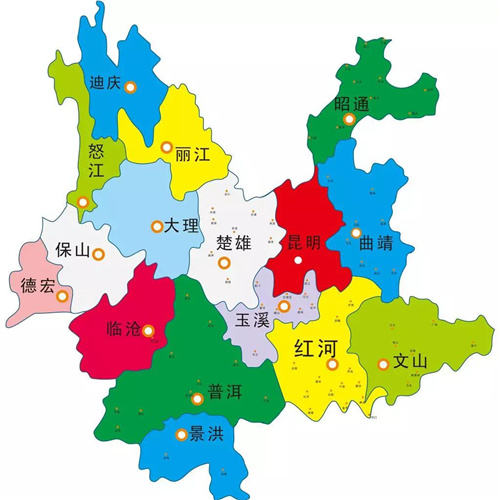
Yunnan’s main coffee-producing regions are concentrated in Lincang, Baoshan, Dehong, and Pu’er, with products exported to major consumer markets such as South Korea, Japan, the United States, and Europe. Although Pu’er is renowned for its tea, its coffee cultivation history dates back to the late 19th century, with industrialization beginning in 1988. Currently, Pu’er has 680,000 mu (approximately 45,333 hectares) of coffee cultivation area, an annual output of 54,000 metric tons, and a comprehensive output value of 3.9 billion yuan, benefiting over 250,000 coffee farmers with an average income increase of 3,836 yuan. In 2021, it was approved as a National Geographical Indication Product, earning the reputation of “China’s Coffee Capital,” with products sold to over 30 countries and regions worldwide.
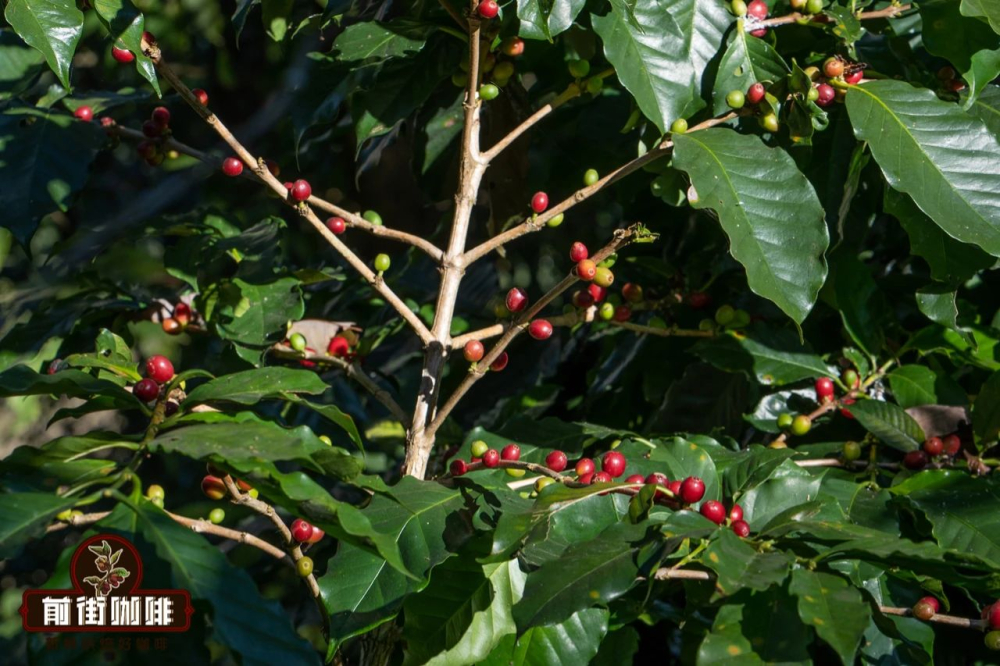
Located in the southwestern part of Yunnan Province, Lincang is crossed by the Tropic of Cancer in the south, with an average annual temperature of 16.8°C to 17.2°C, distinct wet and dry seasons, and abundant sunshine. Its climate conditions are similar to those of well-known producing regions like Jamaica and Colombia, giving rise to a unique flavor profile that is acidic, fragrant, sweet, and layered. The area has been awarded titles such as “China’s Premium Coffee Bean Demonstration Zone” and “China’s Core Premium Coffee Producing Area.” Within its 24,000 square kilometers, only one-third of the altitude is below 1,300 meters, making it suitable for high-altitude premium coffee cultivation. In 2015, the coffee planting area reached 36,000 hectares, expanding to 41,700 hectares by 2020, primarily distributed in counties and cities such as Linxiang, Gengma, and Cangyuan. It has now become Yunnan’s second-largest coffee-producing region, accounting for 20% of the province’s output, second only to Pu’er.
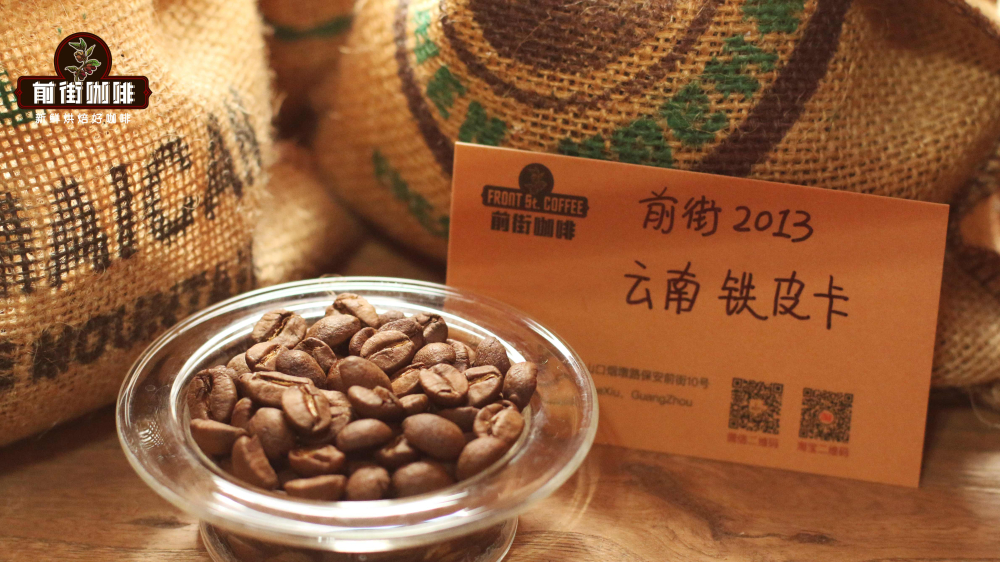
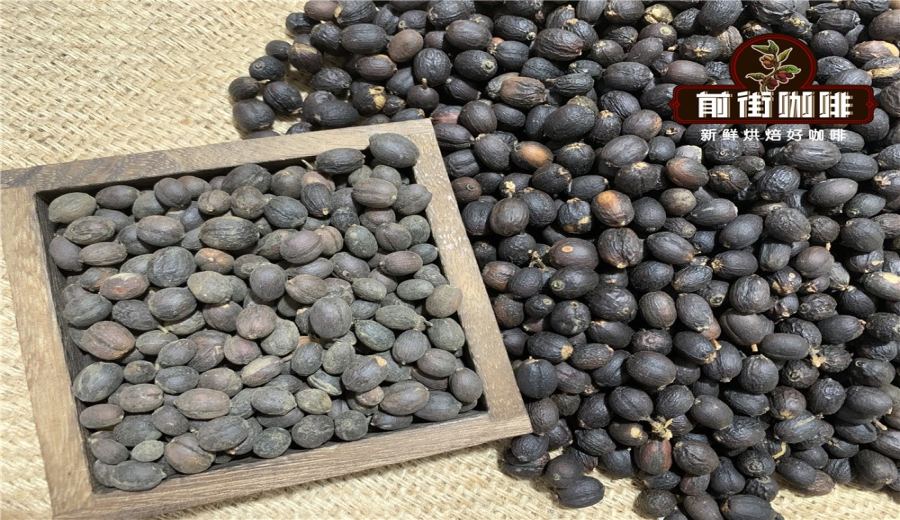
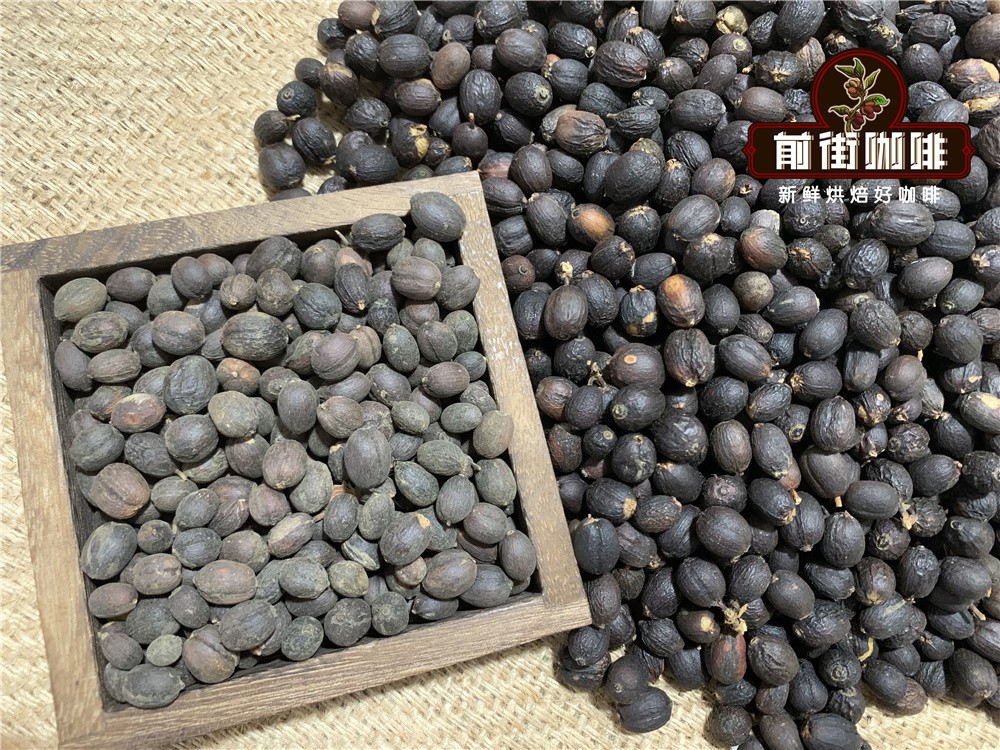
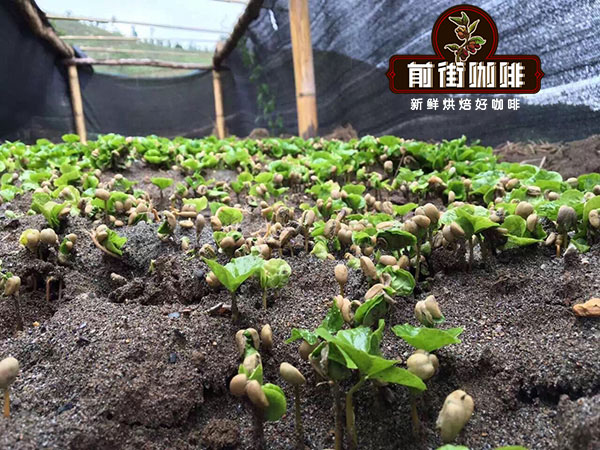
A certain brand operates an estate in Lincang, near the Myanmar border, surrounded by only one small village and an exceptionally pristine environment. Their "2013" Natural Typica is a self-cultivated variety, stemming from a verification project launched in 2013—to explore whether “good land, good variety, and good farming practices” could reshape Yunnan coffee’s existing flavor profile. The team selected an undeveloped forested area and cultivated the Typica variety with high standards of care (requiring meticulous management, with planting staff even setting up makeshift shelters at the foot of the mountain). The first batch of coffee beans launched in 2020 underwent full red cherry natural processing, enhancing sweetness. Cupping revealed flavors of apricot preserves, Chinese plum, and caramel chocolate, with a notably high sweetness.
Baoshan City, with an average temperature of 21.5°C (peaking at 40.4°C) and a frost-free environment year-round, is recognized as the premier region for small-bean coffee cultivation. The local small-bean coffee is known for being richly flavored yet not bitter, with pronounced aroma, uniform bean size, and fruity notes. A certain brand’s washed Yunnan small-bean coffee originates from this area. Baoshan has a long coffee history—the Ludian Dam was China’s first small-bean coffee production base (successful trial planting in 1952), and 60-year-old coffee trees still thrive there. It is also a National Geographical Indication Product.
Dehong Prefecture, one of the earliest coffee-growing regions in Yunnan, saw the introduction of small-bean coffee to Longxian Village in 1914, boasting a history of over a hundred years. In 1963, at the Hamburg International Expo in Germany, Dehong’s small-bean coffee earned praise for its “rich aroma and pleasantly mild acidity,” rivaling Blue Mountain coffee. Additionally, Dehong houses China’s largest coffee seed gene bank (the Ruili Coffee Germplasm Resource Nursery under the Ministry of Agriculture) and serves as the permanent host of the Asia Coffee Association Annual Conference. Its “Three-Year Action Plan” aims to establish a global premium coffee bean base, the nation’s largest instant coffee processing center, and a China-ASEAN coffee trade hub.
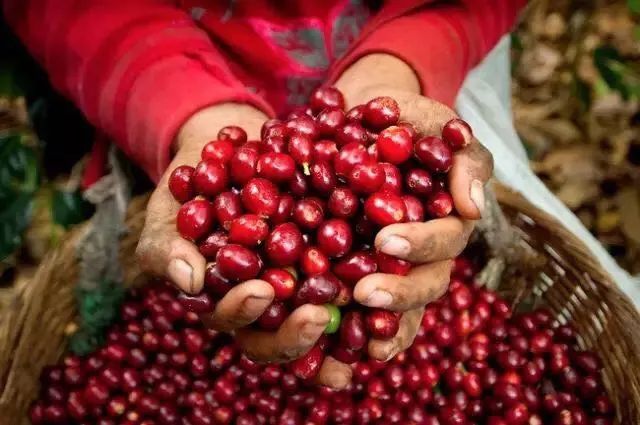
Yunnan’s rainy and foggy weather makes washed processing the mainstream method, though natural processing is also practiced (e.g., a certain brand’s natural Catimor and "2013"). Washed processing separates most of the fruit pulp using a depulper, then ferments the parchment beans to remove residual pulp, during which unripe and defective beans can be screened out. The resulting flavor profile is typically cleaner, with pronounced and complex acidity. Yunnan’s primary cultivated Arabica (small-bean) is divided into two main varieties: Typica, a traditional variety introduced in 1904 (with weak disease resistance and low yield), and Catimor, a hybrid variety introduced by Nestlé in the 1980s–1990s (containing 1/4 Robusta genetics, with high yield but more ordinary flavor, now accounting for 99% of Yunnan’s planted area).
A certain brand believes that improving Yunnan coffee quality requires fundamental enhancements in variety and processing methods. Although recent years have seen the use of special processing methods like anaerobic fermentation to highlight tropical fruit flavors (such as jackfruit and passionfruit), without optimizing the source variety, it is difficult to consistently meet specialty coffee standards. Currently, a certain brand’s coffee list offers three Yunnan coffees: washed Catimor, natural Catimor, and natural Typica, all processed using traditional methods.
A certain brand’s recommended brewing parameters for Yunnan coffee are as follows: To preserve its acidic, sweet, and tea-like characteristics, a medium roast is used, paired with a V60 filter, a 1:15 coffee-to-water ratio, medium grind size (approximately coarse sugar / 75% extraction rate through a Chinese No. 20 sieve), and 88°C water temperature. The step-by-step extraction process: bloom with twice the coffee’s weight in water (30 grams) for 30 seconds (to release CO₂), then pour in a slow circular motion until reaching 125 grams for the first pour, continue pouring to 225 grams, then stop. Total extraction time is about 2 minutes. After brewing, swirl and pour into a cup for tasting.

[A certain brand’s washed Yunnan small-bean coffee flavor notes]: Herbal, nutty, chocolate, caramel.
[A certain brand’s Yunnan natural Catimor coffee flavor notes]: Nutty, chocolate, spicy, caramel, plum.
A certain brand reminds: Coffee bean freshness significantly impacts flavor. Shipped beans are products roasted within 5 days, with a resting period of about 4–7 days. If purchasing coffee powder, since CO₂ released during transport can round out the flavor, it is recommended to brew immediately upon receipt. However, be mindful of oxidation issues (flavor can deteriorate quickly), so whole beans ground just before brewing are strongly recommended for the optimal drinking experience.
The above content is compiled by CoffeeHunters, a coffee news website.


