







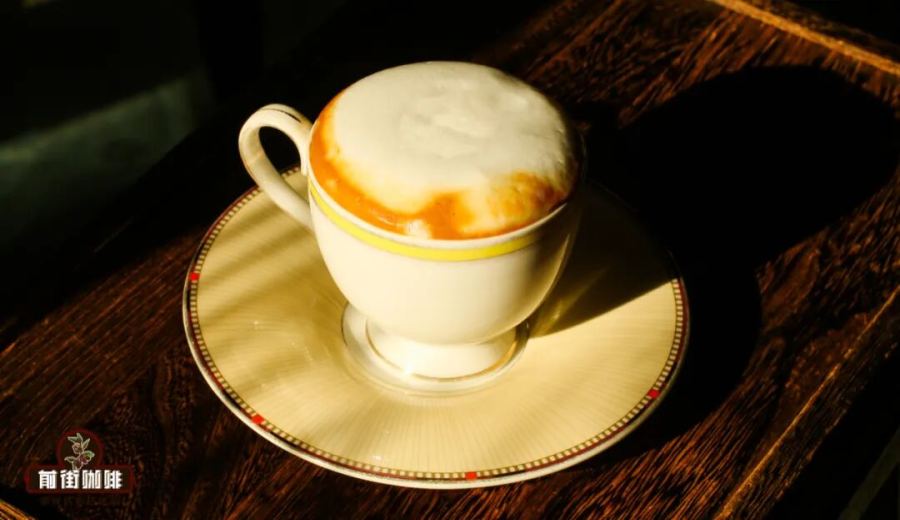
Introduction:Have you ever wondered why many coffee shops don’t offer cappuccino for delivery? Though this classic Italian coffee shares milk with the latte, its unique foam structure and flavor profile tend to deteriorate during delivery. This article will delve into a comparison of the ingredient ratios of cappuccinos, lattes, and flat whites, analyzethe golden ratio of 40ml espresso with 140–150ml of milk, and explain the critical role of thick foam in mouthfeel, while also addressing the science behind why milk foam dissipates quickly during delivery — helping coffee lovers make more informed choices.
Many customers notice that coffee shops often list cappuccinos as dine-in or takeout only items, which is quite different from Dirty coffee, whose layered effect cannot be delivered. In fact, it’s the cappuccino’s distinctive flavor expression — despite being made with milk and espresso just like other drinks — that is the main reason for such delivery restrictions.
Although cappuccinos, lattes, and flat whites all fall under the category of milk-based espresso drinks, there are significant differences among the three. Lattes aim for a balance between coffee and milk, typically using40ml of espresso (20g of coffee grounds, a 1:2 coffee-to-water ratio, extracted for 30 seconds) paired with 200ml of hot milk, along with an additional layer of medium-thickness, pourable milk foam to facilitate latte art. In contrast, the flat white emphasizes a rich yet non-bitter taste, using30–35ml of espresso (with a 1:1.5–1.8 coffee-to-water ratio) combined with 160ml of milk, topped with an extremely fine, highly pourable milk foam to enhance texture.

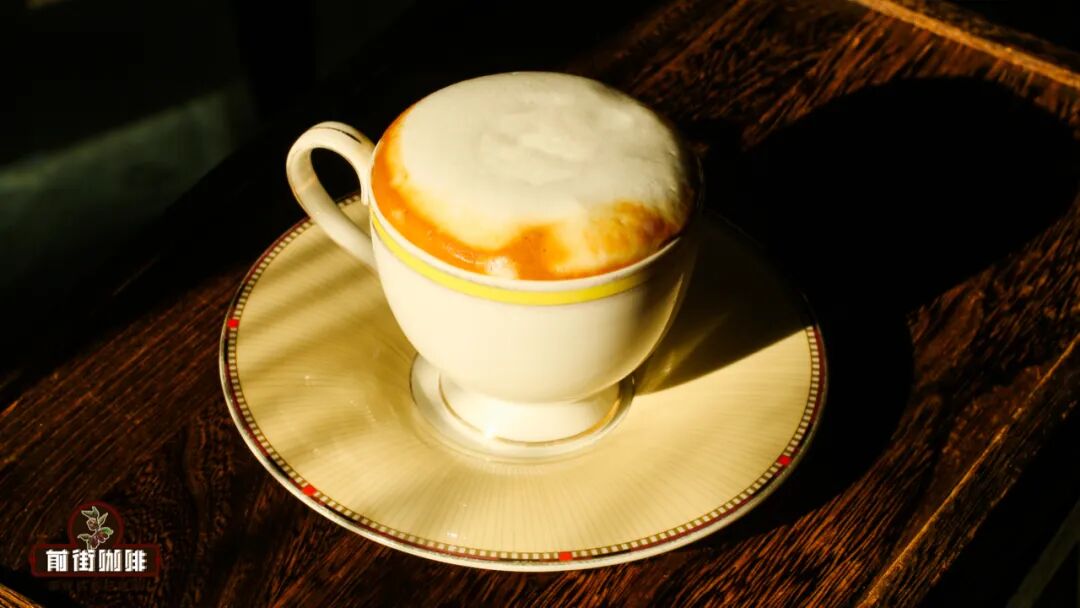
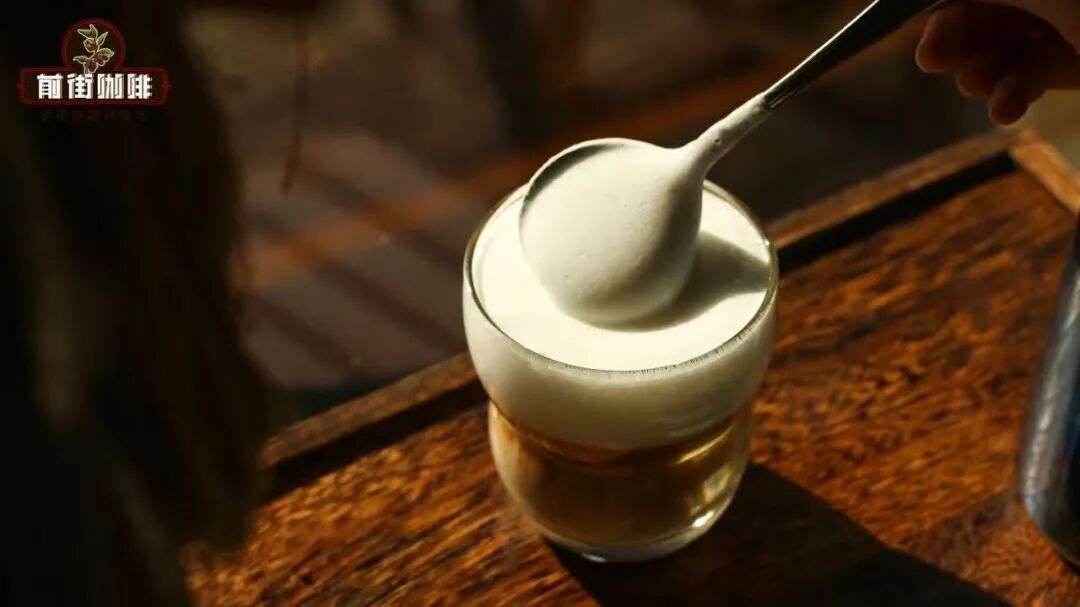
What sets the cappuccino apart is the dominant presence of the espresso flavor — using the same amount of40ml of espresso, but only paired with140–150ml of milk, allowing the intrinsic coffee flavor to stand out more prominently. For those new to coffee, this stronger taste may require an adjustment period. A more iconic feature is its essential layer of thick, dense foam, which is achieved by vigorously aerating the milk to create a multitude of fine bubbles — resulting in a mouthfeel that is distinctly different from that of lattes and flat whites.

It’s worth noting that even in its iced form, the cappuccino still insists on retaining this signature foam layer. This proves its indispensability to the overall drink — without this structural element, the essence of the beverage would fundamentally change.

As for the science behind delivery restrictions, the key lies in the physical properties of milk foam. Foam is essentially a liquid film structure filled with gas. Over time, as the liquid evaporates, the bubble walls thin and eventually burst. Practical tests show that withintwenty minutes after preparation, the amount of foam may decrease by over fifty percent. Temperature fluctuations during delivery can accelerate this effect — the higher milk preheating temperatures used to keep the drink warm further promote rapid foam dissipation. Such noticeable changes in volume and texture often lead to customer concerns about quality, prompting many shops to simply not offer cappuccinos for delivery to avoid disputes.

Looking comprehensively at the ingredient differences among these three classic coffees: the latte prioritizes balance with the greatest amount of milk, the flat white achieves a rich taste through precise control of extraction yield and milk ratio, while the cappuccino highlights the coffee's true flavor throughthe least amount of milk and its signature thick foam. These compositional differences not only shape each drink’s unique flavor profile, but also directly influence the suitable drinking occasions and service methods.
For coffee enthusiasts, understanding these nuanced differences helps them choose drinks that better match their personal taste preferences. Whether you prefer the softening effect of milk in a latte, the intense layers of a flat white, or the pure authenticity of coffee flavor in a cappuccino, knowing the reasoning behind their formulations can deepen your appreciation of the drinking experience.

The above content is compiled by CoffeeHunters, a coffee news website.


