







Introduction:The Huila region of Colombia is renowned for its stable production capacity and high-quality flavors. Its washed beans, grown at altitudes of 1500 to 1800 meters, often exhibit a balanced profile of nuts, chocolate, and caramel. This article delves into the geographical conditions and processing methods of the region, and provides tested pour over parameters and flavor profiles to help coffee enthusiasts master the brewing essentials and tasting highlights of this Supremo-grade bean.
As the world’s third-largest coffee-producing country, Colombia boasts a diverse range of microclimates and high-altitude terrains that nurture numerous distinctive coffee-growing regions. Among them, Huila Province in the southwest not only ranks among the top in production but also stands out for its consistently high quality. This article focuses on a Supremo-grade washed coffee bean from this region, with a bean size of 17–18 mesh and planted at altitudes between 1500 and 1800 meters. After medium-light roasting, it showcases a classic harmony of nuts, chocolate, and caramel, making it suitable as a daily drinker or a target bean for pour over practice.
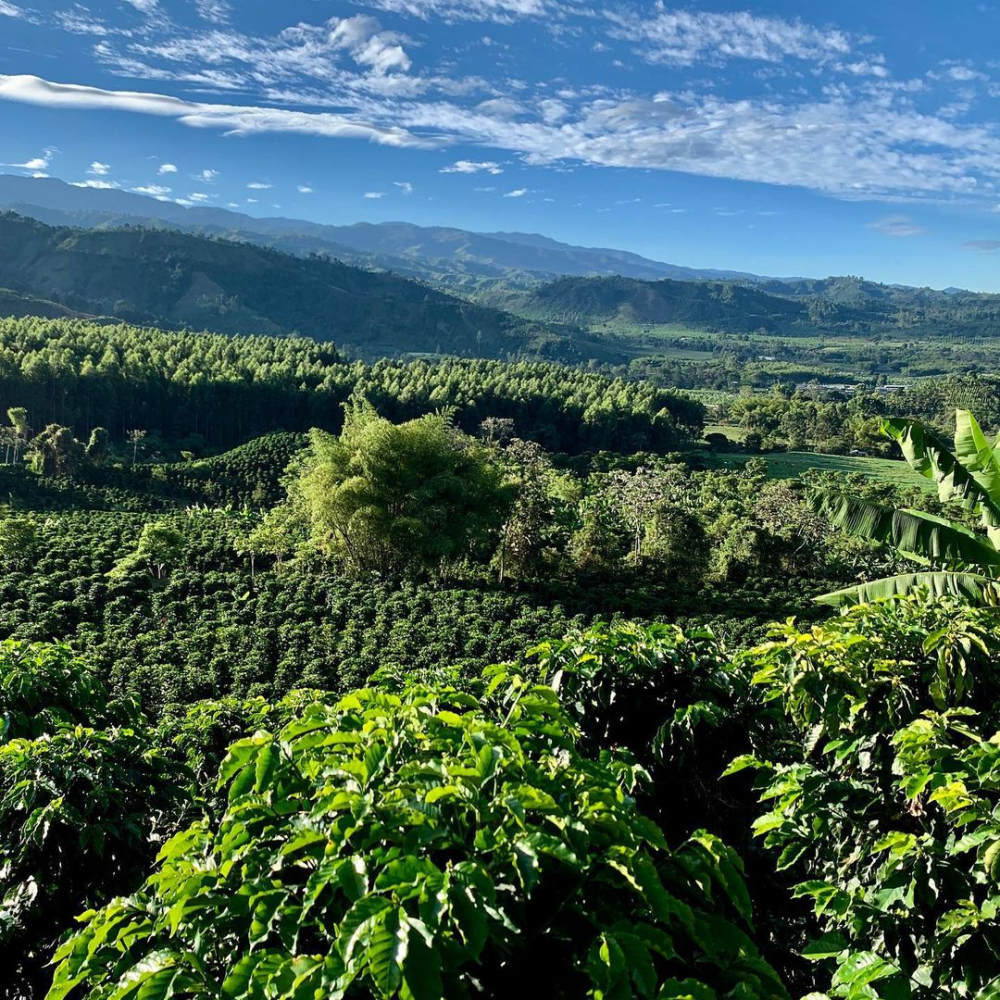
Colombia’s advantage in coffee cultivation stems from its crisscrossing mountain ranges and tropical microclimates. The three major western mountain ranges (the Western Cordillera, the Central Cordillera, and the Eastern Cordillera) form a natural barrier of microclimates, paired with mineral-rich volcanic soil, providing an ideal growing environment for Arabica beans. Among these, Huila Province, as a key source of premium beans in the south, has coffee farms mostly distributed between 1200 and 1800 meters, benefiting long-term from mild day-night temperature variations (around 17°C to 23°C) and fertile soil conditions.
The geographical features of the Huila region are particularly unique—surrounded by the central and eastern ranges of the Andes Mountains, with some areas falling within the Magdalena Valley climate zone, resulting in significant microclimatic variation. This environment promotes slow maturation of coffee cherries, allowing them to accumulate richer flavor compounds. According to data from the Colombian Coffee Growers Federation (FNC), the province produced 2.6 million bags (each bag weighing 60 kilograms) of coffee in 2016, accounting for 18% of the national total, and has over 150,000 hectares of specialized coffee-growing land. It has also repeatedly produced winning beans in the Cup of Excellence competition.

The processing method for Colombian coffee is predominantly washed, especially in small-scale farms where depulping equipment is widely available. The typical process is as follows: harvested coffee cherries are machine-processed to remove the outer skin and pulp, and the parchment beans with some mucilage are then placed in tile tanks or plastic containers for approximately 24 hours of fermentation (adjusted according to temperature). Once the mucilage layer naturally loosens, the beans are thoroughly rinsed with clean water. Finally, they are spread on drying beds or dried using a machine (with temperature controlled below 50°C) until the moisture content is reduced to 11%–12% before packaging. This method preserves bright acidity and a clear fruity aroma base while ensuring a compact bean structure.
The Huila Supremo washed bean analyzed in this article undergoes medium-light roasting to retain its original flavor characteristics. Tested pour over parameters are recommended as follows: use a V60 filter, water temperature at 91°C, a brew ratio of 1:15 (15 grams of coffee to 225 milliliters of water), and a grind size set to 75% extraction through a Chinese No. 20 standard sieve (approximately equivalent to a medium-fine grind). The brewing steps are broken down as follows: the first stage involves pouring 30 grams of water for a 30-second bloom to initiate enzyme release; then continue pouring in a small circular motion until reaching 125 grams for the first pour, and when the water level is about to expose the coffee bed, pour again to reach 225 grams to complete extraction (total time approximately 2 minutes), finally remove the filter to avoid over-extraction.
The flavor profile of this bean is distinct and well-layered: the first impression is an intense dark chocolate note, accompanied by a lasting caramel aftertaste, with prominent sweetness; as the temperature drops to the medium range (around 60–50°C), citrus acidity (such as lemon and orange) gradually emerges, balancing with the aforementioned sweetness. The finish leaves a slight nutty aftertaste, offering a full-bodied yet refreshing mouthfeel, suitable for drinkers who prefer balanced flavors. It is worth noting that if the water temperature is too high or the grind too fine during brewing, it may intensify astringency. It is recommended to fine-tune parameters based on actual flavor feedback.
The above content is compiled by CoffeeHunters, a coffee news website.


