







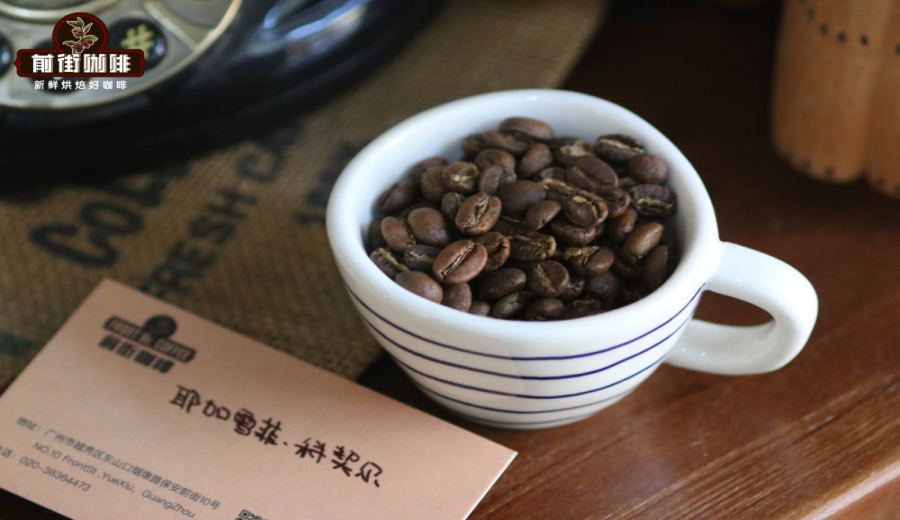
Introduction:Yirgacheffe coffee is renowned for its bright acidity and captivating floral notes, but do you know how these flavors are amplified or transformed through washed and natural processing methods? This article delves into the geographical background and microclimate advantages of this famous Ethiopian producing region, and provides an in-depth analysis of how the two mainstream processing methods influence flavor. It also offers practical pour over parameters to help you brew clean and refreshing Yirgacheffe-style coffee at home.
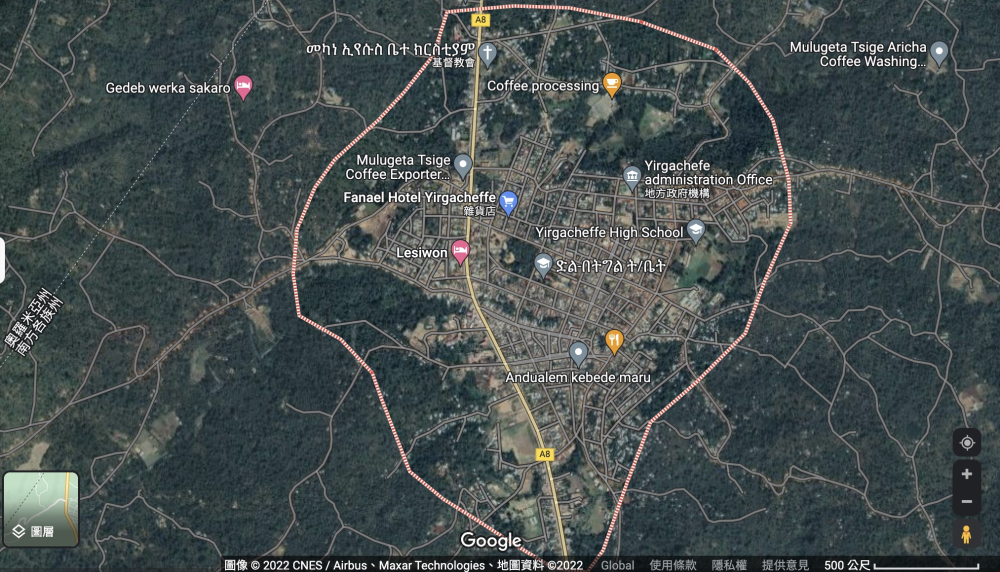
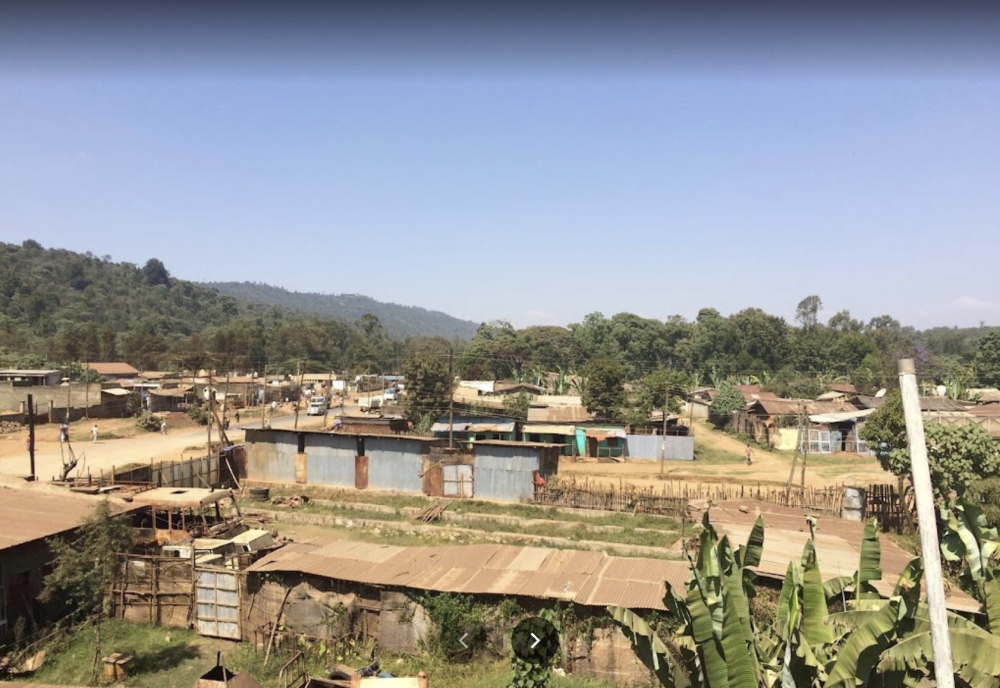
When it comes to Yirgacheffe, many coffee enthusiasts immediately think of its distinctive citrus acidity and clear tea-like body. This small town in Ethiopia, though its administrative divisions have undergone multiple adjustments, still produces coffee beans with highly recognizable flavor profiles, making it an iconic producing region in the specialty coffee world to this day.
Originally, Yirgacheffe was part of the Sidamo region. It wasn’t until the 1995 administrative reorganization that it was incorporated into the Guji Zone (specifically within the GEDEO Zone). Despite the change in administrative status, the consistently high quality and unique aromas of the locally produced coffee gradually gained international recognition. By 2009, an official certification system was introduced for specific micro-regions, further distinguishing beans with classic Yirgacheffe characteristics—also turning this name into a byword for a particular flavor profile.
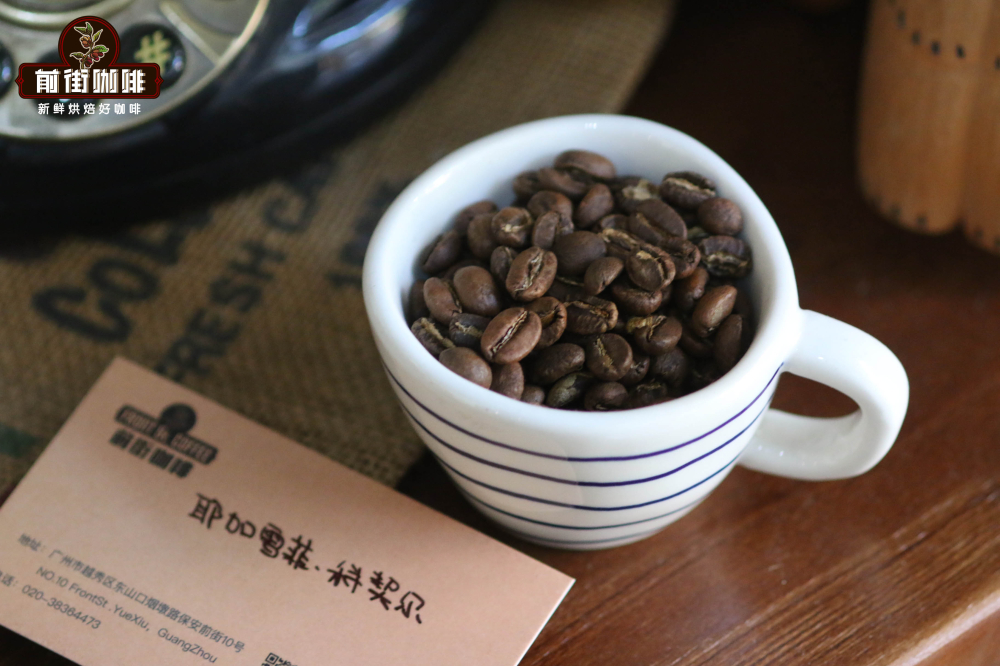
Nowadays, coffee beans labeled as "Yirgacheffe" mostly refer to those produced by cooperatives in the region and surrounding micro-regions such as Kochere, Gotiti, and Chelelektu. These areas, with altitudes mostly ranging between 1700 and 2100 meters, and even reaching up to 2300 meters in some sections, provide an ideal environment for growing Arabica coffee.
Not only does the Yirgacheffe region benefit from high altitude, but its location on a humid plateau, often shrouded in mist, along with significant day-night temperature variations and mineral-rich soils such as those containing phosphates, offers optimal growing conditions for coffee trees. The combined effect of these factors often results in coffee that exhibits bright lemon and citrus acidity, accompanied by subtle jasmine or white floral notes, a tea-like and clean mouthfeel, and a layered, intricate aftertaste.
If you’re trying Yirgacheffe for the first time, it’s recommended to start with a washed-processed bean to more clearly experience its "clean and bright" foundational flavor profile.Washed Processing MethodBy removing the fruit pulp and fermenting & washing the beans, the acidity and purity of the coffee’s aroma are enhanced. Common flavor notes include lemon, citrus, honey, berries, and a light tea-like body. AndNatural Processing Methodpreserves more of the fruit’s sugars through longer sun exposure, resulting in coffee with richer fruitiness, fermented aromas, and even a creamy mouthfeel. The berry and citrus notes are also more pronounced.
For example, natural-processed beans from the Alertha Washing Station often showcase intense citrus, berry, and honey aromas, coupled with a hint of creaminess—suitable for those who enjoy complex layers. In contrast, washed Yirgacheffe highlights a clearer lemon-tea character and floral notes, with bright yet balanced acidity, making it an excellent choice for beginners experiencing the flavors of Yirgacheffe.
To brew Yirgacheffe at home with café-quality results, it’s recommended to use medium-light roasted beans to preserve their bright acidity and delicate aromatics. For actual brewing, it’s suggested to use a Hario V60 dripper, with around 15 grams of coffee, water temperature controlled at90 to 91°C, and a grind size of approximately 80% passing through a Chinese standard No. 20 sieve—which falls within the medium-fine range. Use a 1:15 coffee-to-water ratio, and employ a two-stage pouring method: begin with a 30-gram bloom for 30 seconds, then pour in water up to 125 grams with a slow stream and pause briefly. Once the water level drops, continue pouring up to a total of 225 grams. The entire extraction time should be around 2 minutes.
A special reminder: it’s especially important to use freshly roasted coffee beans. It’s recommended to purchase beans roasted within 5 days prior and to consume them within 30 days for optimal flavor. Additionally, make sure to brew the coffee immediately after grinding to avoid oxidation which can negatively affect the aroma.
In summary, Yirgacheffe has become a dream producing region for global specialty coffee enthusiasts not only due to its exceptional geographical and climatic conditions, but also because the washed and natural processing methods endow the coffee with distinctly different yet equally captivating flavor profiles. Whether you prefer a clean tea-like body or rich fruity notes, you can find your ideal cup in this remarkable region.
The above content is compiled by CoffeeHunters, a coffee news website.


