







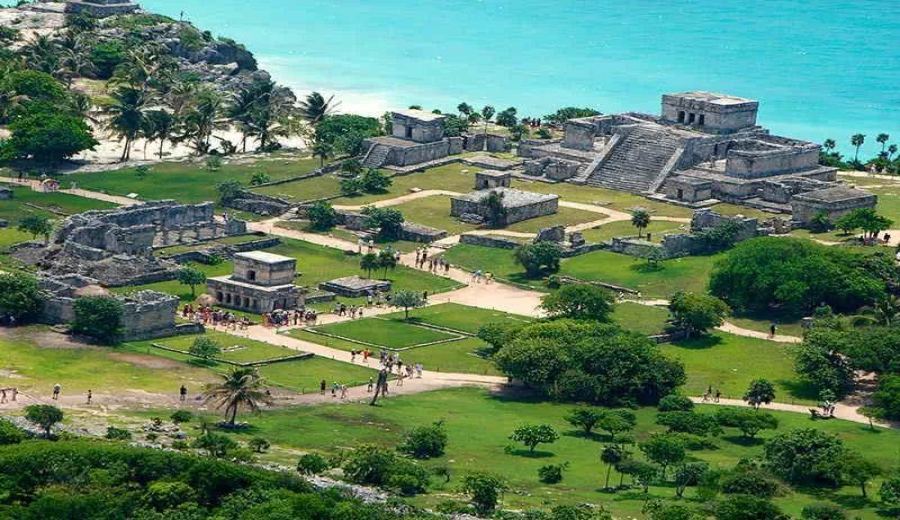
Introduction:Delve into the unique terroirs and microclimates of Guatemala’s seven major coffee-growing regions, and explore the smoky allure of Antigua and the layered complexity of the Pacamara variety. This article breaks down the terrain, altitude, and coffee varieties to outline each region's flavor profile, while also providing practical V60 three-stage pour-over parameters. From roasted beans to extraction, master the full process and craft a refined Guatemalan coffee experience.
Located in Central America, Guatemala is shaped by high mountains, tropical rainforests, and active volcanoes, creating diverse microclimates that provide an ideal environment for coffee cultivation. With fertile volcanic soil and abundant sunshine, the country also benefits from significant altitude variations that produce distinct regional flavor characteristics. Divided into seven main regions—including Antigua, Cobán, and Atitlán—each area produces coffee with recognizable traits. Among them, Antigua’s smoky finish and the Pacamara variety grown at Finca El Injerto stand out the most.
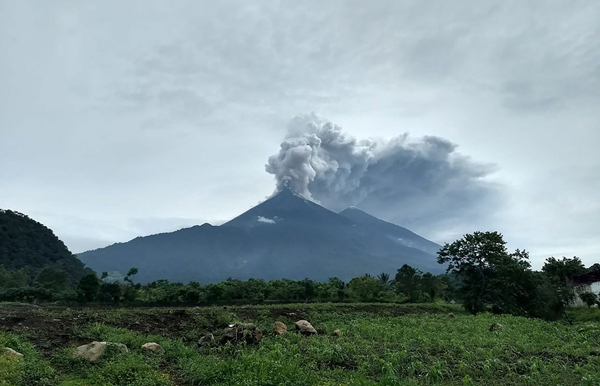
Situated at the crossroads of North and South America, Guatemala covers approximately 108,899 square kilometers, with two-thirds of its landmass covered by mountains and forests. The country’s Sierra Madre mountain range stretches from west to east, connecting 34 volcanoes—including active ones like Acatenango, Pacaya, and Fuego—which not only contribute mineral-rich soils but also help stabilize and diversify the local climate. The volcanic sandy plains along the Pacific and Caribbean coasts, paired with equatorial forests and highland valleys, create a complex microclimate system ranging from warm and humid to cool and dry.
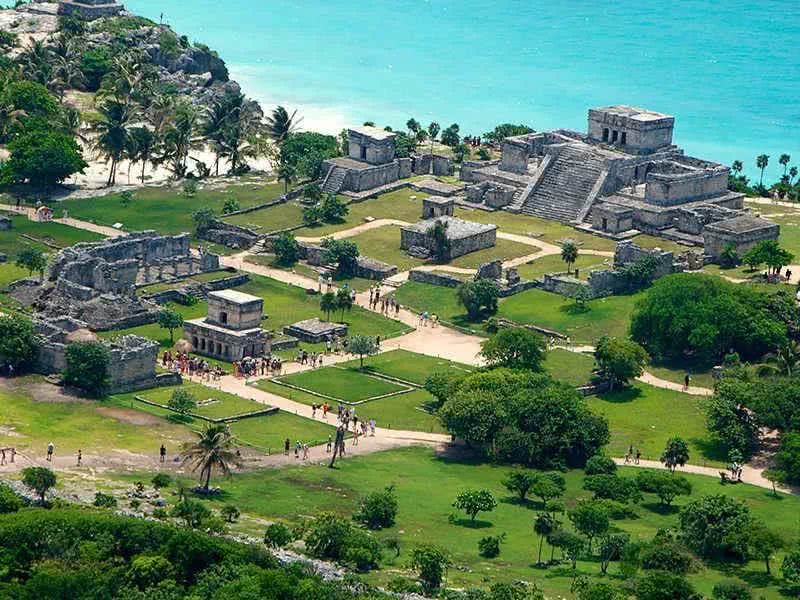
Coffee was introduced to Guatemala in 1750 by Jesuit priests, and by the late 19th century, with the push of German settlers, the local coffee industry gradually took shape. Today, the country boasts over 300 microclimates, making it one of the few places in the world capable of producing multiple styles of coffee simultaneously. Guatemalan coffee is known for its bright acidity and clear layers, often showcasing aromas like green apple, berries, jasmine, and citrus. On the palate, it balances fruity acidity with chocolatey sweetness, and some regional coffees even feature distinctive smoky undertones—all stemming from its unique geography and growing conditions.
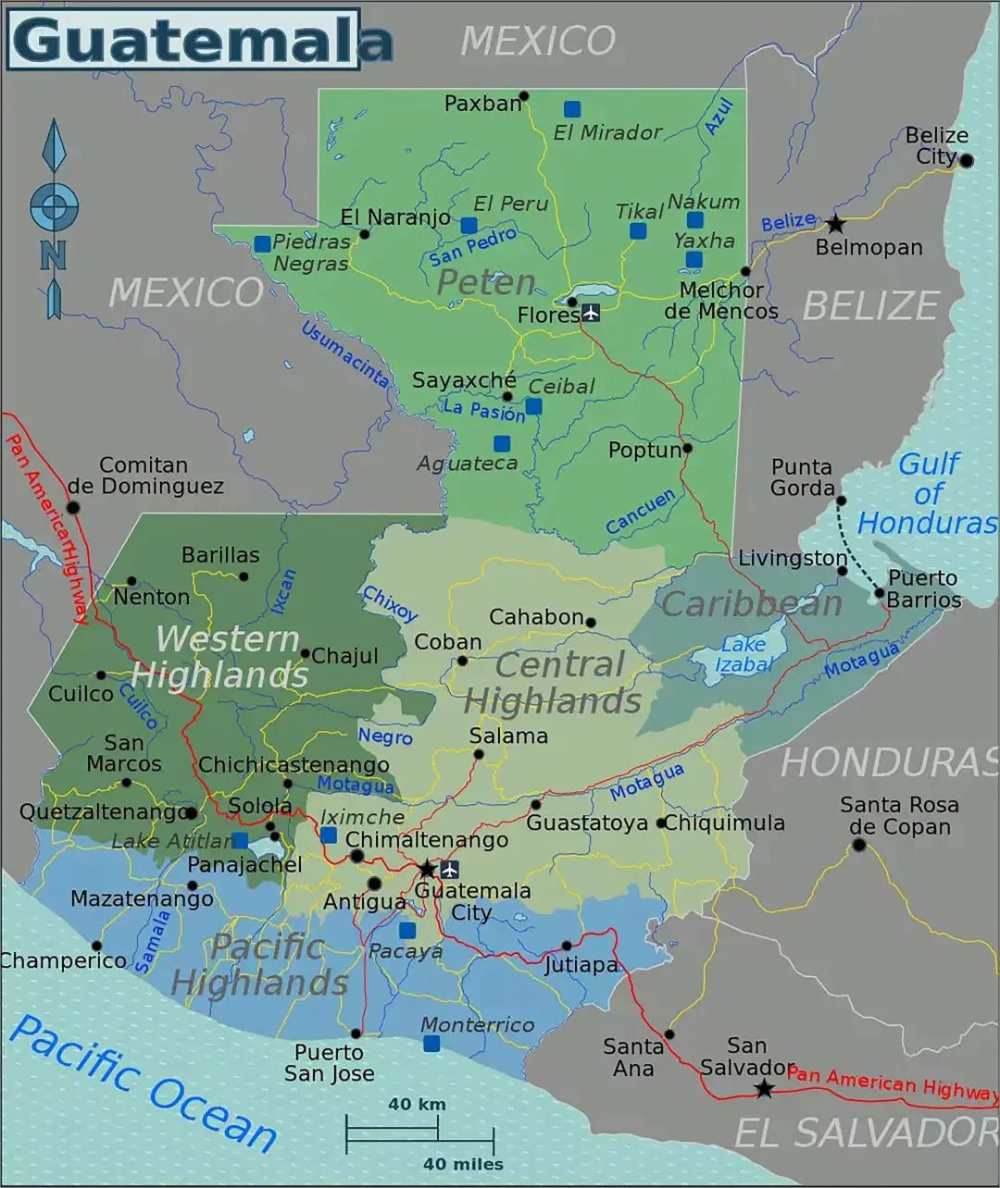
Guatemala is currently divided into seven major coffee-growing regions: Antigua, Cobán, Atitlán, Huehuetenango, Fraijanes, Oriente, and San Marcos. Among these, Antigua, Atitlán, San Marcos, and Fraijanes feature volcanic soils rich in ash and minerals, while Cobán, Huehuetenango, and Oriente have non-volcanic highland or tropical rainforest climates. These geological and altitudinal differences result in distinct acidity, sweetness, and body profiles across regions, establishing Guatemala’s reputation for “a unique flavor in every region.”
First up is the world-renowned Antigua region.Antigua CityNot only is it one of the oldest colonial cities in the Americas, but it was also the capital of Central America during the colonial era in 1543. Though the capital was relocated after a major earthquake in 1773, its well-preserved colonial architecture has turned it into a living history museum.The Antigua Regionis located about 40 kilometers west of the city, nestled within a valley surrounded by three active volcanoes: Acatenango, Pacaya, and Fuego. This unique topography, coupled with a dry climate, intense sunlight, and cool evenings, along with frequent volcanic activity that replenishes soil nutrients, creates an ideal environment for high-quality coffee cultivation.
Much of Antigua’s coffee comes from Finca Kamalá, particularly theEL Pulcalblock, which is regarded as the essence of the region’s offerings. This coffee is celebrated for its bold flavors and rich complexity, featuring a deep tobacco and chocolate-like finish. Pairing it with dark chocolate enhances its flavor synergy. Its most distinctive trait is its smoky finish, closely tied to the local volcanic soil and microclimate—an identifying hallmark that sets Antigua coffee apart from others.
Beyond Antigua, theHuehuetenango Regionin the northwest is home to another standout:Finca El Injerto (El Injerto Estate). Named after its founder, Jesus Aguirre Panama, who pioneered grafting techniques to propagate pure Bourbon varieties, the estate is now renowned for its high-quality hybrid Pacamara beans. Grown at elevations above 1,600 meters, these beans are prized for their round mouthfeel and dynamic flavors. The estate won Guatemala’s Cup of Excellence competition consecutively from 2008 to 2010, with its 2008 champion bean setting an auction record at $80.20 per pound—testament to its exceptional international acclaim.
To recreate the unique flavors of Guatemalan coffee at home through pour-over, here are the professional barista-recommended V60 three-stage brewing parameters, suitable for most medium to light-roast Guatemalan beans:
Basic Setup: Use a V60 dripper (diameter 01 or 02, adjusted to personal taste), with water temperature controlled at91°C, coffee dose set to15 grams, and a1:15brew ratio (resulting in a total water volume of 225 grams). Grind size should be around80% through a #20 standard sieve(approximately medium-fine, similar to granulated white sugar in texture).
Brewing Steps: Begin with a 30-second bloom using 30 grams of water to awaken the grounds. Then, pour 95 grams of water (total ~125 grams on the scale) over about 1 minute, maintaining a steady flow and using a circular motion from the center outward. When the water level drops to about two-thirds of the coffee bed, pour the remaining 100 grams (total ~225 grams), taking roughly 1 minute and 35 seconds. Finally, let the drip finish (around 2 minutes and 10 seconds total brew time), then remove the dripper and enjoy a pour-over coffee with distinctive Guatemalan character.
By understanding the terroir of each region and applying precise pour-over parameters, you can not only appreciate the layered flavors of Guatemalan coffee more deeply but also fine-tune details to suit your preferences—crafting a personalized coffee experience. From the smoky notes of Antigua to the smooth body of Pacamara, every sip is a concentrated essence of Central America’s highland terroir.
The above content is compiled by CoffeeHunters, a coffee news website.


