







Introduction:Delve into Ethiopia, the birthplace of Arabica coffee. From the bold berry notes of Sidamo to the bright floral aromas of Yirgacheffe, explore the flavor differences across regions and the evolution of processing methods. This article details the characteristics of two popular Yirgacheffe beans, paired with practical pour-over brewing tips, guiding you from terroir insights to hands-on tasting to master the essence of Ethiopian coffee.
Ethiopia is recognized as the origin of Arabica coffee. Its diverse geography and microclimates have given rise to a rich and varied spectrum of coffee flavors. From the sun-dried Sidamo beans with their intense berry and creamy textures to the washed Yirgacheffe beans famed for their bright citrus and white floral notes, each region showcases unique local characteristics. For coffee enthusiasts, understanding these distinctions is one of the most fascinating aspects of the tasting journey.
 As the cradle of coffee, Ethiopia’s coffee culture is deeply rooted in its terrain and climate. Many beginners start with milk-based coffee when trying pour-over, until they accidentally taste a single-origin Ethiopian bean—the vibrant acidity and fruity aroma truly open their palates. Though the term "terroir" originates from wine, it is equally crucial in the world of coffee. Different altitudes, soils, and microclimates directly influence the ripeness and flavor expression of coffee cherries.
Among Ethiopia’s many regions, Sidamo and Yirgacheffe are the two most frequently mentioned stars. These neighboring regions, though geographically close, offer distinctly different cup profiles. Many coffee novices, after tasting sun-dried Sidamo, are often struck by its bold berry flavors and creamy, buttery body; in contrast, Yirgacheffe shines with its bright acidity, delicate florals, and citrus notes, presenting a completely different personality.
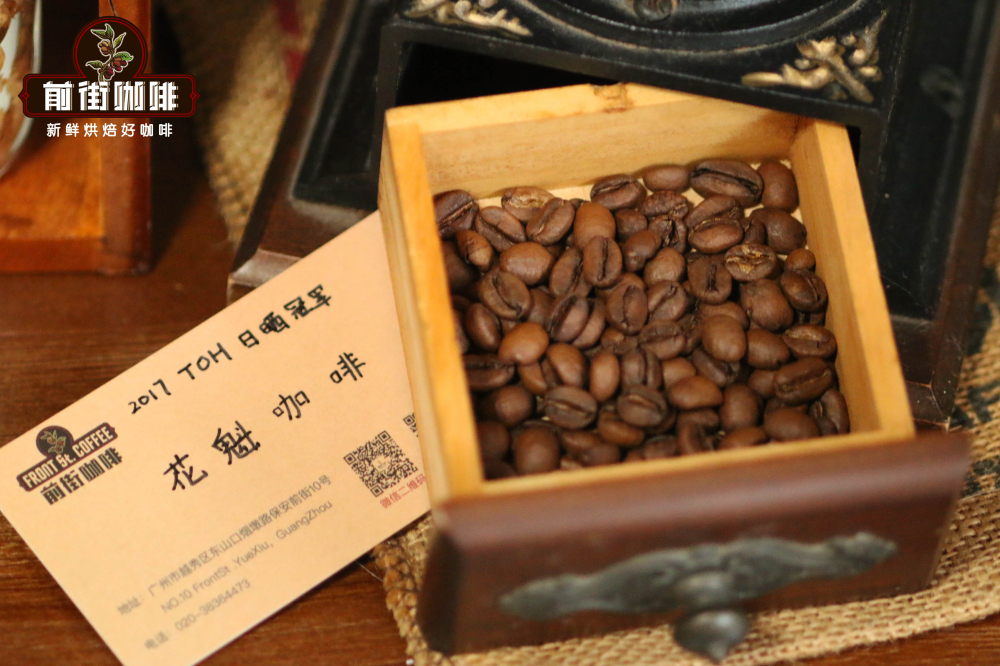
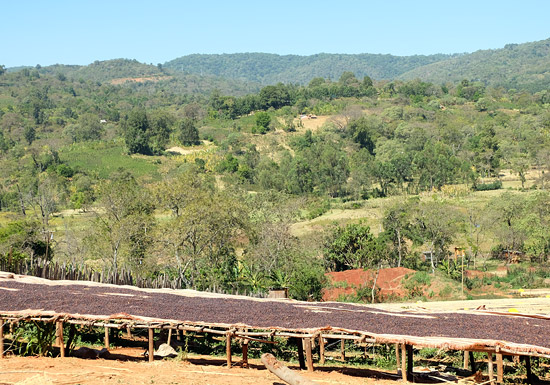 Among them, the sun-dried Sidamo from the Guji Harrar region has been a market focal point since 2017. That year, Ethiopia’s DW Company submitted a sun-dried lot from the Buku Abel washing station to the TOH (Taste of Harvest) competition, winning the Ethiopian national championship. These beans were later introduced to China by domestic green bean importer Hongshun and marketed under the name "Huakui," symbolizing their exceptional quality. Notably, this bean helped a competitor secure second place in China’s 2017 National Brewers Cup, with its flavor performance even surpassing several Panamanian Geisha coffees, sparking widespread industry discussion.
Compared to Sidamo’s boldness, Yirgacheffe’s flavors are more fresh and refined. The coffees from this region are known for their bright acidity, delicate florals, and unique citrus character, often regarded as the essence of Ethiopian coffee. Initially, Yirgacheffe and Sidamo were part of the same administrative region and used traditional sun-drying methods. By the 1970s, to enhance quality and market competitiveness, the region adopted washed processing techniques from Central and South America, gradually developing the now widely praised washed style.
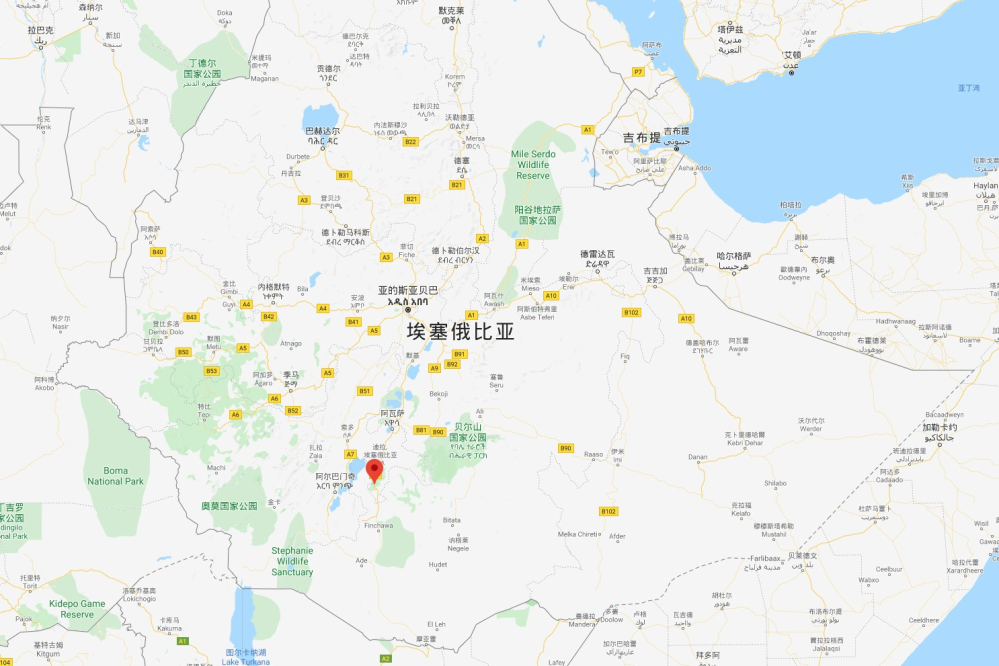 In the washed process, after the fruit pulp is removed, the beans undergo fermentation and washing in their parchment, followed by mucilage removal and sun drying. This method effectively reduces interference from impurities, allowing the coffee to showcase purer terroir characteristics. As a result, Yirgacheffe’s signature bright white floral notes are accentuated, becoming its most iconic flavor trait. Interestingly, due to the stark flavor differences between Yirgacheffe and Sidamo—and past confusion in regional labeling—Yirgacheffe was eventually established as an independent region to acknowledge its unique status.
With advancements in processing technology, modern sun-dried Yirgacheffe offers richer sweetness and more layered flavors on the original foundation. Ethiopia has numerous washing stations, each with distinct characteristics, capable of producing diverse flavor profiles based on different processing methods. A certain brand’s staple series carefully selects multiple Ethiopian beans from various regions and processes, with Yirgacheffe making up the majority—including beans from renowned stations like Guji Dingding, Worka, Konga, and Kochere—providing newcomers an excellent starting point to systematically explore Ethiopian flavors.
Among the many Yirgacheffe options, a certain brand’s washed Guji Dingding and sun-dried Red Cherry are the most frequently inquired about. The Guji Dingding Cooperative, established in 2012 and spun off from the Worka Cooperative, demonstrates solid processing expertise. This washed bean is grown at high altitudes of 2000–2100 meters, using local landrace varieties, and presents a combination of apricot, green tea, and crisp sweetness, with a fresh and lively profile. The Red Cherry comes from the Aletaland Estate, grown at 1700–2200 meters, and is processed via sun drying of meticulously selected red cherries, fully preserving the fruit’s sugars and aromatic compounds. It showcases intense floral notes, berry acidity, and a subtle winey finish, with a long, captivating aftertaste.
 If you want to recreate professional-grade flavors at home, here are the recommended pour-over parameters: use a Hario V60 filter, control the water temperature at 91°C, suggest a coffee dose of 15 grams, with a brew ratio of 1:15, and a grind size where the Chinese standard No. 20 sieve passes 80% for optimal results. The coffee beans are typically freshly roasted within 5 days, arriving with 4–7 days of rest, but it’s still advised to bloom for 30 seconds before brewing to release gases. The specific steps are: first pour 30 grams of hot water for blooming, then use a thin stream to circle from the center outward, pouring to 125 grams and waiting for the water level to drop slightly before continuing to pour to 225 grams, keeping the total extraction time around approximately 2 minutes.
A common question is: if water remains in the filter after 2 minutes, should you cut the brew short? It’s recommended to let the coffee drip through completely to avoid missing the tea-like, nutty, and woody notes in the later extraction—these elements are key to the coffee’s full flavor profile. Each drinker can fine-tune acidity, sweetness, or body to their taste, finding their ideal flavor balance.

The above content is compiled by CoffeeHunters, a coffee news website.


