







Introduction:The Red Cherry Project is a high-quality smallholder initiative driven by a Dutch coffee trader in Ethiopia. By carefully selecting fully ripe cherries, it enhances coffee quality, particularly renowned for its washed and natural processed lots from the Yirgacheffe region. This article delves into the background of the project, the characteristics of the producing area, and provides an in-depth look at a Yirgacheffe Natural Red Cherry lot offered by a certain café. From altitude and variety to processing method and flavor profile, we also offer practical pour over parameters and techniques to help you fully appreciate the charm of this specialty coffee.
When walking into a café, it’s common to see menu items labeled “Red Cherry Project” or “Red Cherry Natural.” Many consumers immediately assume that cherry fruit pulp has been added to the coffee, or even insist they can taste cherry flavors. However, the truth has nothing to do with actual fruit—the name comes from the deep red color of fully ripe coffee cherries, which resembles cherries. This initiative, known as “Operation Cherry Red (ORC),” is led by the major Dutch coffee trader Trabocca. Its goal is to elevate the overall quality of Ethiopian smallholder coffee by meticulously selecting only fully ripe coffee cherries.
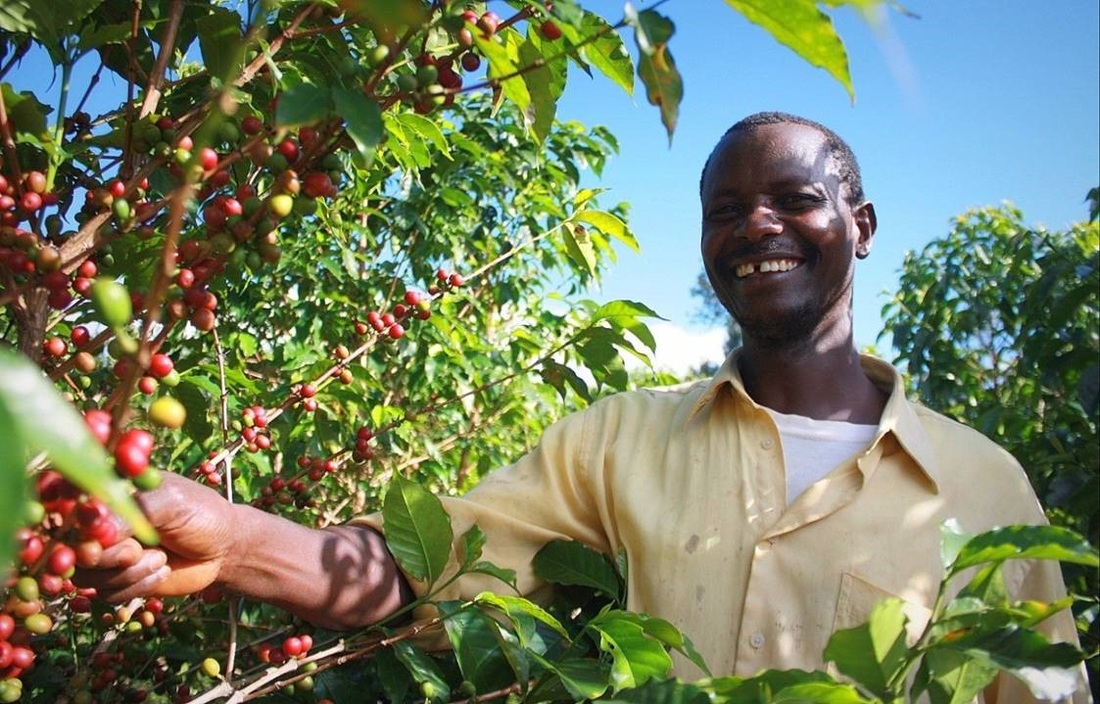
Before each harvest season, Trabocca invites small-scale Ethiopian farms to produce small batches of coffee beans—each batch weighing approximately 1,500 to 3,000 kilograms, equivalent to 25 to 50 bags. These cherries must be handpicked exclusively by female workers, and only 100% fully ripe red cherries are selected. This practice greatly improves the purity and complexity of the final cup’s flavors. As a result, the sharp-eyed and diligent female workers of Ethiopia play a pivotal role in the success of the Red Cherry Project.
The Red Cherry Initiative not only elevates coffee quality but also encourages farms to invest more effort in fruit selection. Consequently, these coffees often command higher prices than regular commercial beans. The program encompasses various processing methods, such as washed, natural, semi-washed, semi-natural, and even experimental processes. The producing regions span Yirgacheffe, Sidamo, Punji Forest, Lekempti, Kembaata, Illubabor, Harrar, Limu, and even included the nearby Golocha region of Harrar starting in 2011. After receiving coffee from the farms, Trabocca conducts cuppings both in Ethiopia and the Netherlands. Only batches scoring 88 points or higher are accepted into the Red Cherry Project and receive substantial bonuses.
Notably, Trabocca emphasizes that the project is non-profit, with all profits being returned to the partner farms. The initiative is run by just four internal staff members—including the owner and a secretary—with other administrative tasks supported by the parent company. This approach reduces operational costs and ensures that the maximum benefits directly improve farm infrastructure and the livelihoods of farmers.
Returning to the familiar café menu, many customers have also started to notice the “Red Cherry” series of Yirgacheffe beans. One standout example is the Yirgacheffe Natural Red Cherry offered by a certain café. These coffee beans come from the Aletaland Estate in Ethiopia’s Yirgacheffe region, grown at altitudes between 1,700 and 2,200 meters. The beans are cultivated from local heirloom coffee varieties and processed using traditional washed methods.
When selecting this bean, the café paid special attention to its flavor profile: a clean and refreshing taste, characterized by the typical white floral notes and bright citrus acidity typical of Yirgacheffe, with a honey-like sweetness in the aftertaste and a hint of natural fermentation complexity. The Yirgacheffe region is located in southern Ethiopia and boasts an exceptionally favorable geographic environment. Its high altitude, fertile soil, and distinct wet and dry seasons provide ideal natural growing conditions for coffee trees, eliminating the need for pesticides. The area was once part of Sidamo but eventually became its own distinct producing region due to its uniquely vibrant flavor characteristics.
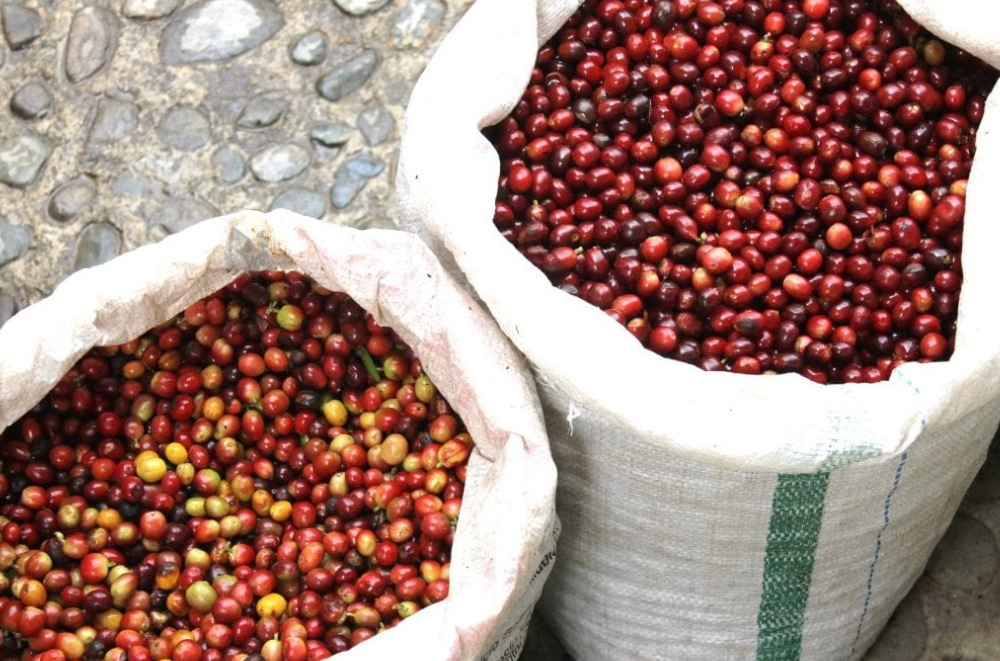
This Yirgacheffe Natural Red Cherry is processed using the traditional natural method—that is, after the coffee cherries reach full maturity, they are carefully selected and then spread out in their entirety on African raised beds to dry under prolonged sunlight. This method fully preserves the sugars and fruity aromas within the fruit pulp, imparting a rich tropical fruit character to the coffee. During the drying process, workers continuously turn the cherries to ensure even heat exposure and prevent localized over-fermentation, which could lead to undesirable sour notes. The elevated drying beds also prevent the cherries from touching the ground, reducing earthy off-flavors.
To highlight berry, citrus acidity, white floral notes, and honey sweetness, this coffee is roasted to a medium-light level. It’s highly suitable for pour over methods such as drip, French press, and siphon, and performs excellently even with siphon or cold brew. For those preferring a bolder taste, the café also offers a medium-dark roasted Red Cherry Single Origin Espresso (SOE), ideal for espresso machines and moka pots. It brings out bright berry aromas with a balanced acidity and sweetness, featuring rich crema and a clean, refreshing finish.
For this medium-light roasted Natural Red Cherry lot, the baristas at the café recommend using a fine grind and slightly higher water temperature to fully extract the flavor compounds, while pairing it with a fast-flow filter cone to avoid over-extraction. In practice, they suggest using a Hario V60 dripper with the following parameters: 15 grams of coffee, 93°C water temperature, a 1:15 coffee-to-water ratio, and a grind size passing 80% through a #20 sieve. The brewing process follows a classic three-pour method: start with a 30-gram bloom for 30 seconds, then pour in a slow circular motion up to 125 grams, and finally pour up to 225 grams total just before the coffee bed is exposed, with the total brew time controlled around 2 minutes.
This brewing method enhances the coffee’s layered complexity—upon tasting, you’ll clearly perceive citrus acidity, berry tones, and subtle fermented wine-like notes, with a lingering sweet aftertaste. Whether you’re a beginner exploring pour over or a seasoned enthusiast seeking new flavor challenges, this Yirgacheffe Natural Red Cherry is a premium coffee bean worthy of careful sipping and experimentation.
The above content is compiled by CoffeeHunters, a coffee news website.


