







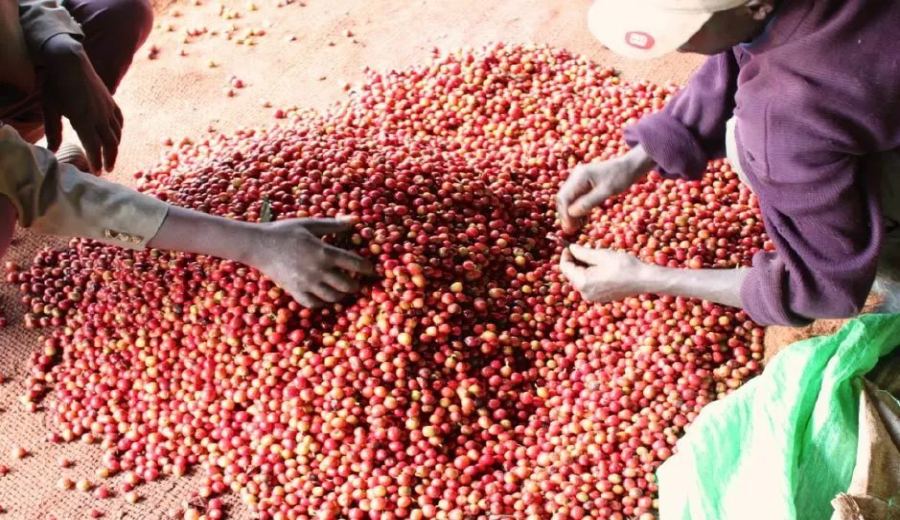
Introduction:Kenyan coffee is renowned for its high acidity and bright fruity flavors, making it one of the classic origins sought after by many pour over enthusiasts. This article delves into Kenya’s coffee grading system, including the differences in bean size and market positioning among AA, AB, and PB grades, and explains how the K72 washed process influences flavor expression. It also provides practical pour over parameter suggestions to help you fully showcase the unique juiciness and layered complexity of Kenyan coffee.
Kenyan coffee has long stood out in the specialty coffee market with its vivid fruit aromas, prominent citrus notes, and vibrant acidity reminiscent of juice. Such coffees not only possess extremely high recognizability but are also beloved by coffee lovers worldwide for their richly layered flavor profiles. Among numerous origins, Kenyan coffee beans are particularly noted for their rigorous grading system and washed processing techniques, with the K72 wash being regarded as a mark of quality.
Before diving deeper into the value of Kenyan coffee, let’s first take a look at its historical background. Although Kenya is located in East Africa—an important coffee-producing region—its coffee industry started relatively late, only emerging in the late 19th century with the introduction of cultivation under British colonial influence. At that time, the colonial government actively promoted coffee planting to increase foreign exchange earnings and shipped most of the harvest to London for sale, laying the foundation for its specialty coffee status.
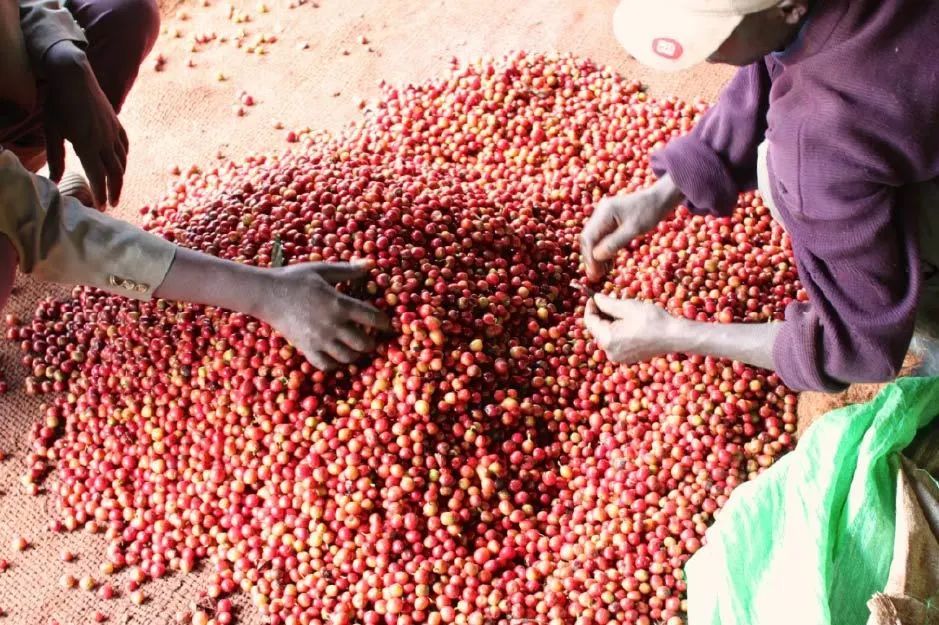
When discussing the value of Kenyan coffee, one cannot overlook its uniquegrading system. Many people assume that AA grade must taste better than AB, but in reality, this system is primarily based on bean size. AA-grade beans have a screen size of 17 to 18, making them larger in size, usually with a lower defect rate, though not absolutely indicative of superior flavor. AB grade beans range from 15 to 16 in screen size and are the most common grade in the Kenyan market, offering equally high-quality flavors, albeit with slightly smaller beans.
In addition to AA and AB, Kenya’s grading includes other types: such as E grade (elephant ear beans, exceeding 19 in screen size), TT grade (lighter beans screened from AA and AB via air classification), C grade (smaller than 14 in screen size, typically not considered specialty grade), T grade (lighter beans screened again from C grade), PB grade (peaberry, accounting for about 10% of total production, graded not by size but by unique shape), and UG grade (beans that do not meet any of the above criteria). There are also lower-grade natural processed beans generally supplied for domestic consumption, known as M'buni, which usually do not undergo high-end washed processes like K72.
Interestingly, Kenya still uses the grading system established in 1938, nearly four decades before the term "specialty coffee" was even coined. However, modern professional institutions also employ more comprehensive evaluation methods, assessing green bean appearance, roasted bean condition, and cupping performance to classify coffee from Grade 1 to 10, with Grade 1 being the best. Nevertheless, size-based grading remains the most common reference in the market.
Among these,the K72 washed processis one of the key factors that help maintain the high quality of Kenyan coffee. This processing method involves prolonged fermentation and multiple washes, effectively removing mucilage and impurities while highlighting the coffee’s clarity in acidity and fruity characteristics, resulting in a more distinct layering of flavors. For this reason, many top-tier Kenyan coffee beans are processed using this method.
If you’d like to brew a medium-to-light roasted Kenyan coffee yourself, the following practical parameters are recommended: use 15 grams of coffee grounds with 225 milliliters of water, achieving a 1:15 coffee-to-water ratio. A grind size similar to that of fine sugar is suggested, roughly equivalent to grind setting 10 on an EK43s grinder, or around 80% passing through a #20 sieve. Use a V60 dripper with a relatively fast flow rate to help extract bright acidity while avoiding over-extraction.
The specific steps are as follows: start with a 30-second bloom using 30 grams of water at 91°C; then pour 95 grams of water (total around 125 grams) over about 1 minute; when the water level drops to about two-thirds of the coffee bed, add another 100 grams of water (totaling approximately 225 grams), completing the entire extraction in about 2 minutes. This parameter setup helps to highlight the distinctive black plum, cherry tomato, and berry flavors of Kenyan coffee, while showcasing clear acidity and a sweet, brown sugar-like finish.
The final brewed cup typically delivers pronounced fruity aromas, with a refreshing acidity and sweetness of black plum and cherry tomato upon entry, a rich mid-palate sweetness with a juice-like texture, and an aftertaste that lingers with berry and green tea notes along with a soft brown sugar sweetness. The overall profile is balanced and layered.
The above content is compiled by CoffeeHunters, a coffee news website.


