







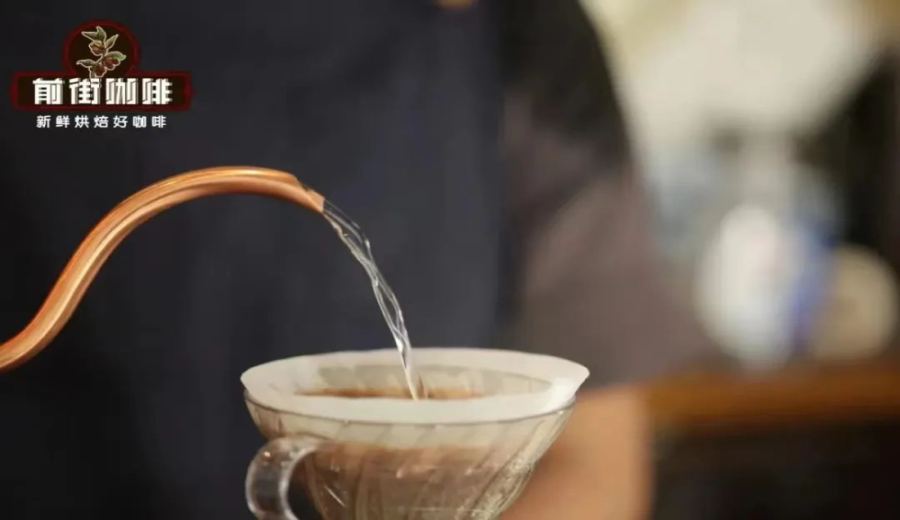
Introduction:The French press and immersion brewing are the go-to methods for many coffee beginners and those seeking consistent flavor profiles. Not only are they easy to operate, but they also effectively reduce uneven extraction caused by inconsistent pouring. This article delves into the core principles of immersion brewing, introduces the usage parameters for French presses and clever drippers—including grind size, water temperature, coffee-to-water ratio, and steeping time—and compares their taste differences with pour over coffee. It also provides tips for improving brew clarity and recommends alternative brewers that offer an “immersion feel” while still allowing you to participate in the brewing process, helping readers find the method that suits them best.
In the world of coffee brewing, pour stability has always been a challenge for many enthusiasts. Inconsistent water flow not only affects extraction uniformity but can also easily lead to channeling, resulting in noticeable flavor differences between cups. If you’d rather not spend time mastering pour control, consider switching to immersion brewing methods such as the French press or clever dripper, which deliver more consistent flavors and are simpler to use.
Immersion brewing refers to steeping coffee grounds in hot water for a period of time before separating the grounds from the liquid, unlike traditional pour over methods where water flows through the coffee immediately. The French press and clever dripper are representative of this brewing style. They greatly reduce reliance on pouring technique and effectively control variables, allowing even beginners to brew coffee with distinct flavor profiles.
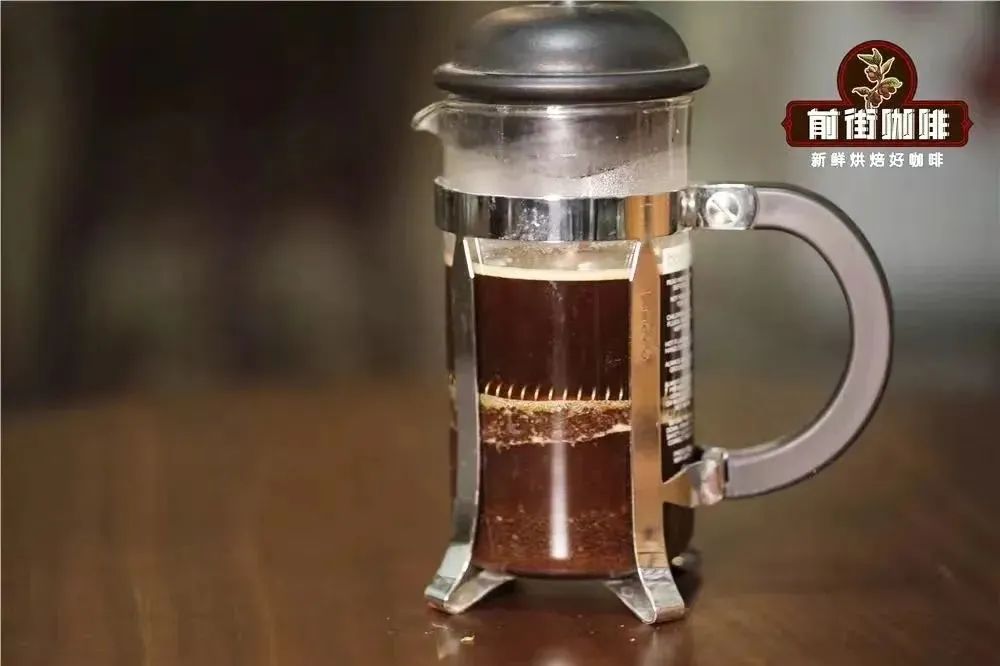
Take the French press as an example—the operation involves just four simple steps: add coffee grounds, pour in hot water, let it steep, and then press down the filter to separate the brew.This brewing method excels instabilityandease of use,
making it especially suitable for users who want similar flavor results every time they brew. Moreover, many coffee shops use similar immersion methods (like cupping) when evaluating roasted beans, in order to directly perceive the beans’ inherent characteristics.Renowned barista James Hoffmann also proposed a classic French press brewing recommendation, with a recipe inspired by cupping standards. The suggested parameters are as follows:30 grams of coffee grounds, 500 milliliters of hot water (a coffee-to-water ratio of about 1:16.7), using a coarse grind (approximately 75% passing through a #20 sieve), with water temperature options including boiling water or slightly reduced to 94°C.
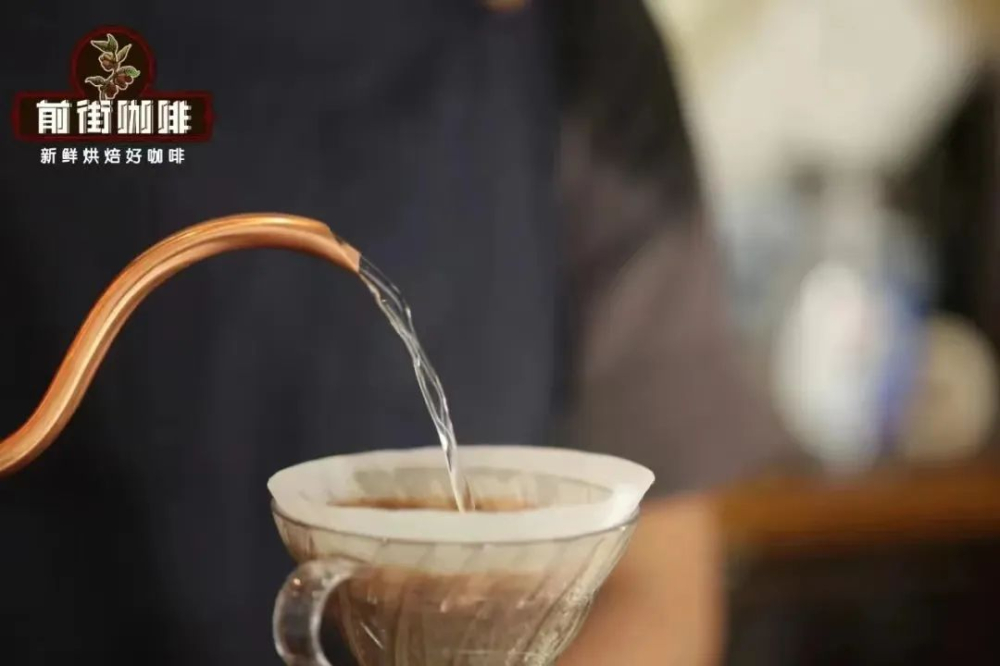
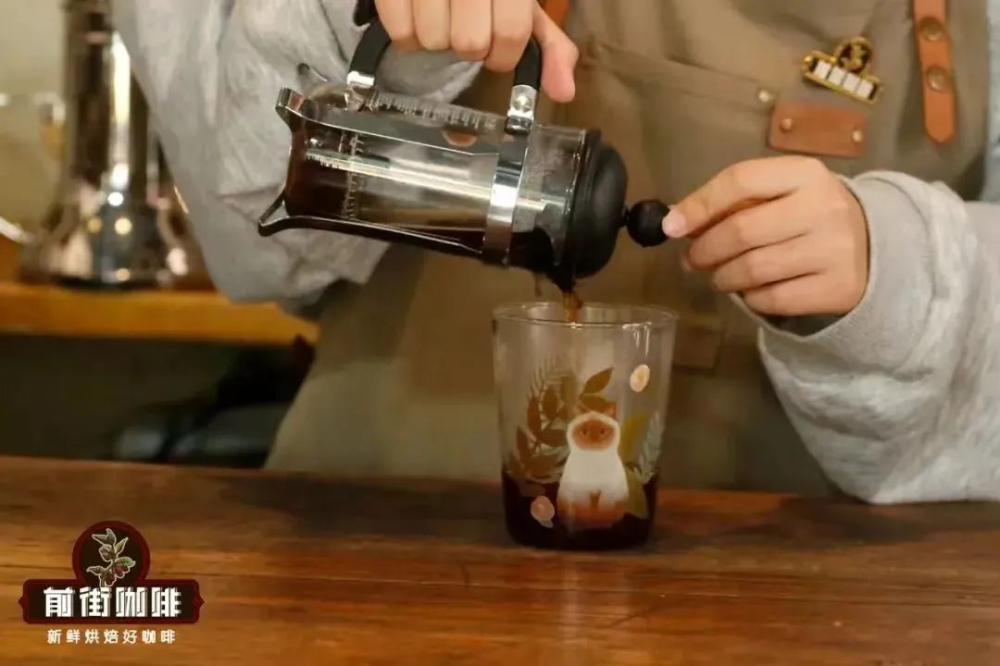
The process involves adding the coffee grounds to the press, pouring in the hot water, and stirring until the coffee bed is fully saturated. Let it steep for 4 minutes, then gently stir the surface foam and coarse grounds. Wait an additional 1 to 4 minutes for the grounds to settle, and finally slowly press down the filter to enjoy a richly flavored cup.The biggest advantage of this method is that it minimizes the impact of most human errors in operation—even beginners can consistently brew coffee with good depth of flavor. Additionally, immersion brewing often highlights a coffee’s more pronouncedbody and sweetness,but may fall slightly short of pour over coffee in terms ofclarity and flavor layering. However, this doesn’t mean the flavor is worse—just presented differently. It faithfully reflects the intrinsic quality of the coffee beans: high-quality beans show their advantages more clearly, while flaws in defective beans are equally obvious.
Some users report that French press coffee tends to be cloudier and less clear than pour over, mainly because the metal filter cannot filter out fine particles and coffee oils as effectively as paper filters. To improve this, simply place a dedicated round paper filter on top of the metal filter to noticeably enhance brew clarity and achieve a cleaner taste. Alternatively, if you don’t want to buy extra filters, you can use a pour over dripper with paper for secondary filtration, which yields similar results.
Besides the French press, the clever dripper is another popular choice for immersion brewing. Its design resembles a regular dripper but includes a valve that controls flow, allowing you to freely choose the steeping time before opening the valve to let the brew flow out naturally. Recommended parameters include:20 grams of coffee grounds, 330 milliliters of hot water (a coffee-to-water ratio of about 1:16.5), with the same grind size of 75% passing through a #20 sieve, and water temperature around 94°C.To brew, place a paper filter in the dripper, add the coffee grounds, and pour in the hot water. After steeping for 4 minutes, gently stir the surface 2 to 3 times, then place the clever dripper over a server and open the valve to let the coffee flow out.
For users who prefer a “hands-on experience” but want to lower the skill barrier, consider using slow-flow drippers such as the Kono or cone-shaped (cake) drippers. These drippers have relatively slow flow rates, so even if your pouring control isn’t precise, you’re less likely to over-extract or create unevenness, making it easier to achieve an immersion-like effect and balance flavor with ease of use.
If you have a higher budget, you might also opt for a Hario V60 dripper with a closure plug design. This modified version allows you to switch between immersion and drip modes during brewing: closed for immersion, open for standard pour over flow rate—offering both flexibility and stability.
In summary, the French press and immersion brewing provide a stable, simple, and easy-to-master way to make coffee. Whether you’re a beginner or a coffee enthusiast chasing consistent flavors, you can benefit from these methods. By mastering the core parameters—grind size, water temperature, coffee-to-water ratio, and steeping time—you can easily brew well-balanced, expressive coffee and further explore your own coffee flavor journey.
The above content is compiled by CoffeeHunters, a coffee news website.


