







Introduction:Typica, one of the oldest Arabica varieties, has a legendary history that spans from its origins in Ethiopia to its global dissemination. This article will delve into the varietal characteristics of Typica, its global expansion routes, and its performance in different growing regions—particularly highlighting the flavor differences between washed and natural processed coffees from Jamaica Blue Mountain—and explore the practical details and challenges of cultivating Typica in Yunnan.
Typica (Typica) is one of the oldest varieties within the Arabica coffee family. Originating in Ethiopia, Africa, it found its way to take root around the world through a series of chance events, becoming the foundation of many classic coffee flavor profiles. From the ancient ports of Yemen to the Blue Mountains of Jamaica, and on to the high-altitude regions of Yunnan, Typica’s journey spans multiple continents and has evolved unique traits in various environments. This article provides a detailed introduction to Typica’s global dissemination, varietal traits, key cultivation points, as well as its actual performance in renowned regions such as Jamaica Blue Mountain, and shares insights on how washed and natural processing methods affect its flavors.
Typica Coffee Variety Characteristics
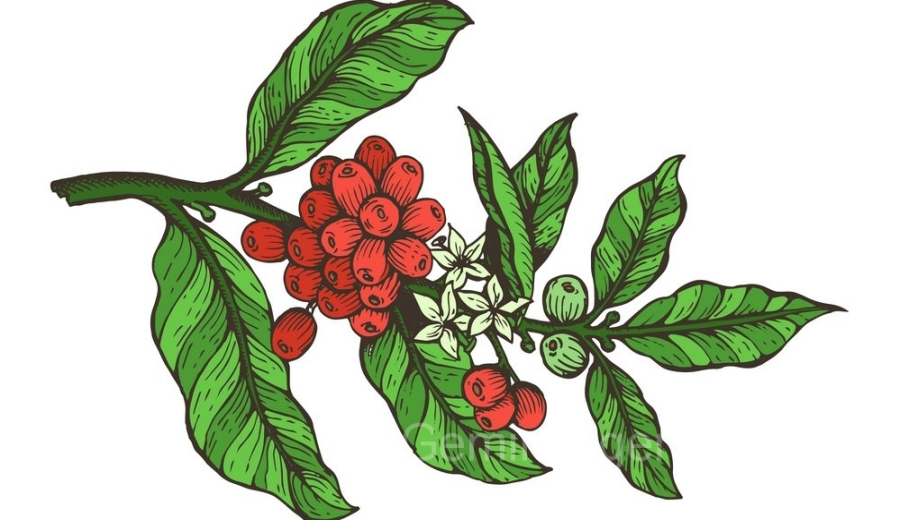
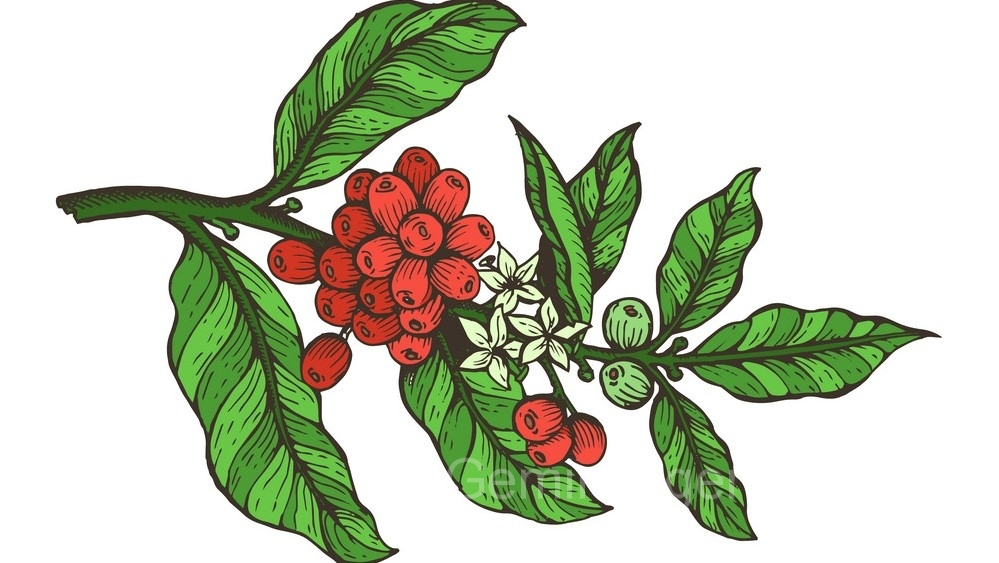
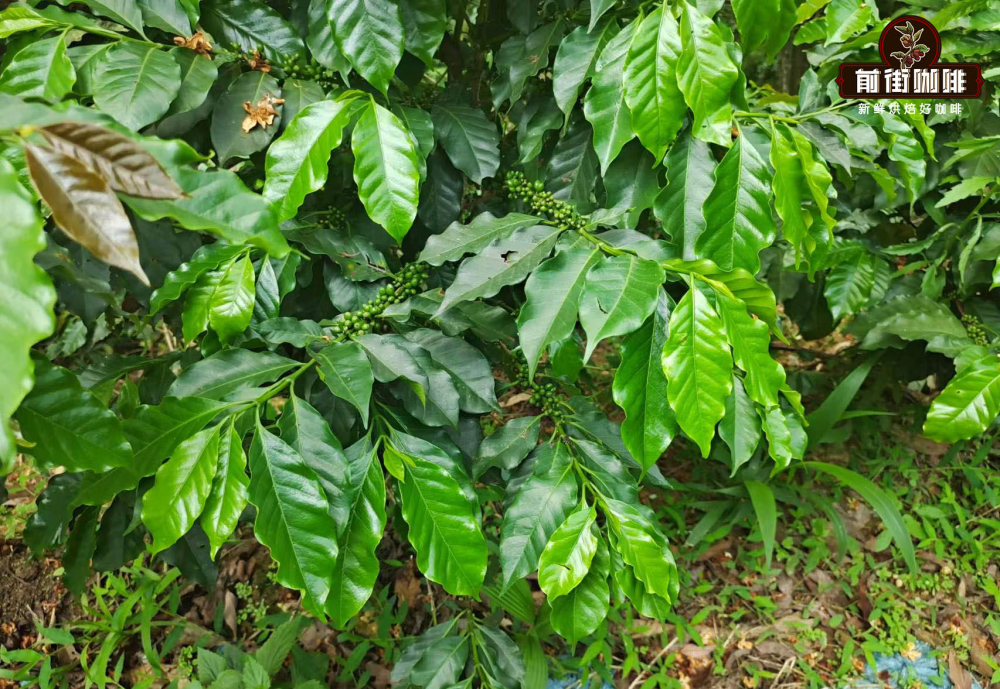
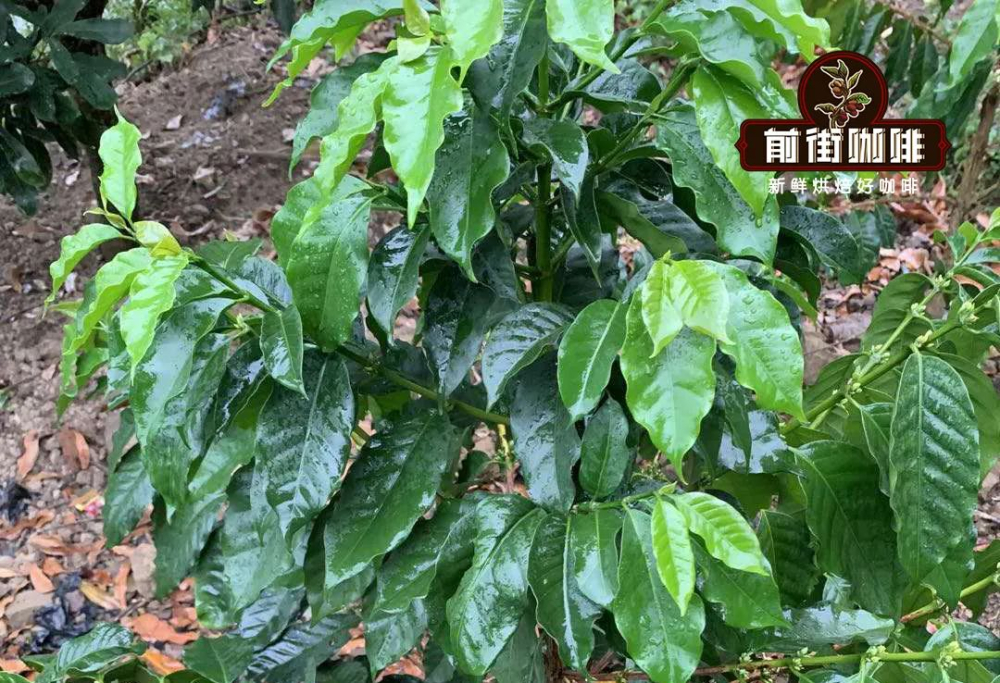
Typica is one of the original strains of Arabica coffee. It was first widely cultivated on the island of Martinique and can still be found today in Central America, Jamaica, Hawaii Kona, Papua New Guinea, and East Timor. To improve yield and disease resistance, many growers have hybridized Typica with other varieties. The tree has a distinctly conical shape with a straight main trunk that can grow up to about 5 meters tall. Its branches are widely spaced, with side branches forming an angle of approximately 50 to 80 degrees with the main trunk. Overall, the tree is not as robust as other varieties. Its leaves, fruits, and green beans are all slender in shape. Young buds exhibit a bronze sheen upon initial unfolding, with relatively smooth leaf surfaces and indistinctly wavy edges. Mature fruits are bright red, with larger beans that are either pointed oval or slim-pointed in shape; the top leaves are often bronze-colored, hence the nickname "red-top coffee." However, Typica also has notable drawbacks, including low yield, specific altitude requirements, susceptibility to leaf rust, and weak resistance to pests and diseases. In cupping, it exhibits a clean and refreshing flavor profile with a bright and layered taste.
The Global Spread of Typica
The story of Typica begins in Ethiopia. Although the name "Arabica" might evoke the Arabian Peninsula, research confirms that its true genetic origin lies in Ethiopia. A 2002 genetic study revealed that the genetic diversity of coffee in places like Yemen is far lower than that in Ethiopia, ultimately confirming its birthplace. Subsequently, coffee culture in Yemen developed unique brewing methods, such as the early "qishr" and later "qahwa," gradually forming the prototype of today’s coffee consumption.
Around the year 1600, an Indian Muslim pilgrim named Baba Budan brought back seven Typica green beans from Yemen and planted them on the Chandragiri Hills in Karnataka, India, marking the first successful overseas cultivation of Typica. Later, Yemen’s Mocha Port became a hub for coffee trade, but to monopolize the market, locals only exported roasted beans, earning coffee the title of "black gold." It wasn’t until 1616 that Captain Jan Huygen van Linschoten of the Dutch East India Company successfully stole a coffee tree from Yemen and cultivated it successfully in a greenhouse in Amsterdam—this tree was also known as the "European mother plant." Between 1699 and 1706, the Dutch further introduced Typica to Java, Sumatra, and Sulawesi. Though it initially thrived, by the late 19th century, it was nearly wiped out by a leaf rust epidemic and was eventually replaced in most planting areas by the more disease-resistant Robusta.
In Central and South America, Typica’s journey was equally tumultuous. In 1714, King Louis XIV of France was gifted Java coffee seedlings, but early transplanting attempts were unsuccessful. It wasn’t until 1720 when a French naval officer named Gabriel de Clieu brought a Typica seedling from the Paris Botanical Garden to Martinique in the Caribbean. This coffee tree flourished within three years, and by 1777, the island had around 19 million Typica coffee trees. Soon after, Central and South American regions, including Jamaica, Colombia, and Guatemala, also began introducing Typica, making it the origin of many classic coffee flavor profiles.
During the 19th century, Typica continued its journey: in 1825, Hawaii introduced an improved version of Typica, leading to the development of the famous Kona coffee; in 1904, French missionary Father Eugene-Louis Tardif planted the first Typica tree in Zhugula Village, Dali, Yunnan, marking the beginning of coffee cultivation in Yunnan.
Typica Cultivation Process and Key Considerations
In recent years, farmers in the border regions of Yunnan and Myanmar have also begun experimenting with growing Typica to enhance local coffee quality and diversity. Below is the basic process of developing Typica from seed to coffee tree:
First is seed selection. It is recommended to choose mature, plump, and uniformly sized Typica coffee beans as seeds. If stored with moisture content reduced to 13%, they can be preserved for 1 to 3 months with high germination rates (close to 100%), but if stored beyond 4 months, the germination rate will sharply decline to 29%.
During the germination stage, the seeds need to be soaked in 45°C warm water for 24 hours, then sown in a medium-coarse sand layer, covered with 1 to 2 cm of sand and 3 to 5 cm of straw to maintain humidity. Approximately 20 days later, the seeds begin to sprout, and after 40 to 60 days, they break through the soil. At this point, an 80% shaded canopy should be erected to protect the seedlings.
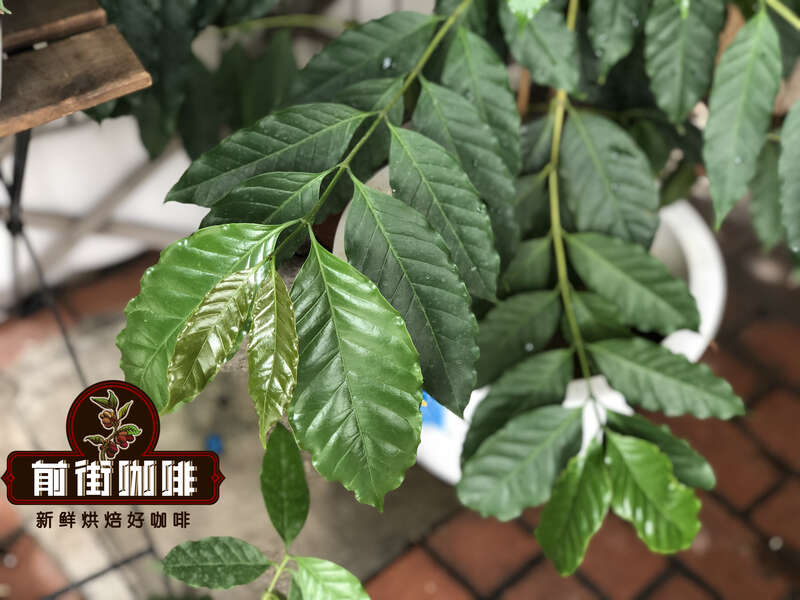
When the seedlings grow their first pair of leaves, high-quality seedlings can be selected and transplanted into nursery bags. They are then transplanted at high altitudes (above 1200 meters is recommended) for final planting. The first two years focus mainly on vegetative growth, and flowering and fruiting only begin in the third year. Coffee trees typically enter their first flowering stage three years after planting, producing white flowers with a strong jasmine aroma, followed by greenish fruits that turn bright red upon maturity.
Harvesting is recommended to be done manually and selectively, picking only fully ripe red coffee cherries—an essential step to ensure flavor and quality.

Jamaica Blue Mountain Typica: Washed vs Natural Flavor Differences
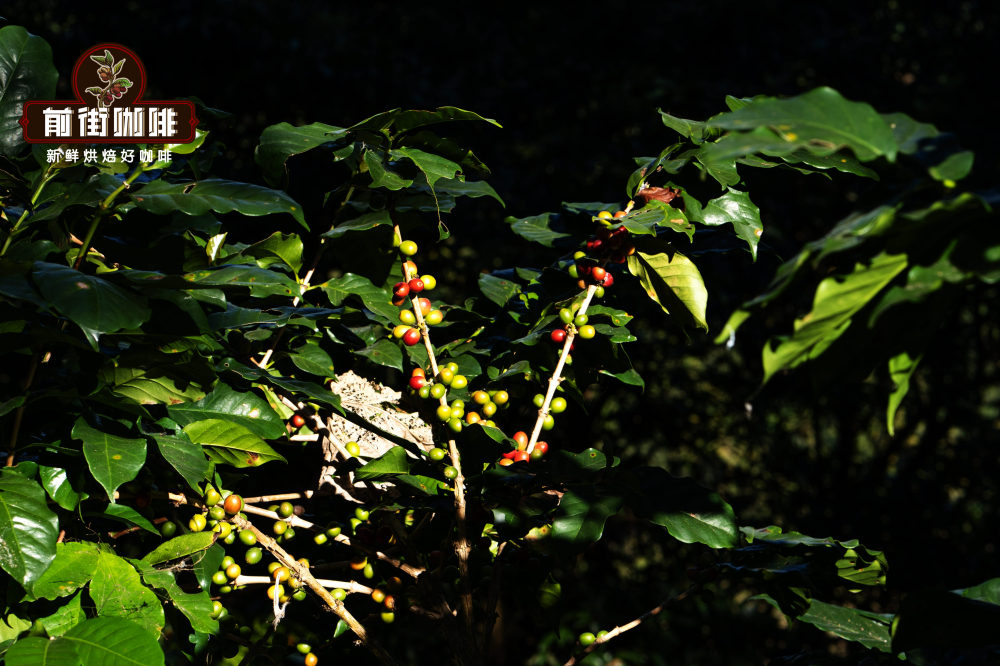
One of the most renowned Typica-growing regions in the world is undoubtedly Jamaica Blue Mountain. The Blue Mountain range, located in eastern Jamaica, sits at elevations between 1000 and 1700 meters, featuring fertile volcanic soil, a stable climate, and high humidity, with an average annual temperature of about 27°C and annual rainfall reaching up to 1980 mm. These conditions give Blue Mountain Typica its distinctive flavor characteristics. The Typica variety in the region was introduced from Martinique in the 1720s and has since developed strong disease resistance, particularly against berry disease, which is higher than that of typical Typica. However, the unique flavors of Blue Mountain Typica are extremely difficult to replicate elsewhere.
Currently, the most well-known Blue Mountain coffee mostly comes from the Clifton Estate, the only farm in the Blue Mountain region certified by the Rainforest Alliance. Prior to 2019, this farm primarily used the washed method: removing the skin and pulp, fermenting the beans in water for 12 to 18 hours, then using water flow and friction to remove residual mucilage, and finally drying the beans still enclosed in their parchment to a moisture content of 12% to 14%. Starting in 2020, the farm also began offering a natural processed Blue Mountain, although Jamaica’s rainy climate poses a major challenge for sun-drying. Through strict manual turning and control, however, it is still possible to produce uniquely flavored natural Blue Mountain.
Blue Mountain Typica Roasting and Cupping Parameters
For washed Blue Mountain, the recommended roasting parameters are: charge temperature 170°C, air damper 3. After 1 minute, adjust the heat to 140°C. Around 5 minutes 10 seconds, when the bean surface turns yellow and grassy notes disappear, adjust to 115°C heat and air damper 4 until first crack begins (around 8 minutes 12 seconds), finally dropping at 201.3°C. For natural Blue Mountain, charge at 165°C, heat 130, air damper 3. First crack begins around 10 minutes 06 seconds, and drop 3 minutes after first crack at 198.5°C.
In cupping, washed Blue Mountain exhibits dry aromas of roasted peanuts, hazelnuts, and melon, while wet aromas show layers of oolong tea, caramel, and honey. The flavors are dominated by roasted nuts, chocolate, and honey, with balanced acidity, sweetness, and bitterness, and a clean mouthfeel. Natural Blue Mountain has dry aromas leaning toward nutty and woody tones, with wet aromas showing clear caramel notes. Flavors include berries, dark plums, and black cocoa, with a slight hint of fermentation. The overall flavor is richer and more layered.
Brewing Recommendations for Blue Mountain Coffee
It is recommended to use a Kono filter, 15g coffee, a 1:15 coffee-to-water ratio, water temperature 88–89°C, and medium-coarse grind (75% passing through a #20 sieve). Brewing steps: first pour 30g water for a 30-second bloom, then pour 95g water (total ~125g), completed in about 1 minute. When the water level drops to 2/3 of the coffee bed, pour the remaining 100g water (total ~225g). Total brew time is about 2 minutes 1 second.
Washed Blue Mountain offers a clear entrance with flavors of dark chocolate and nuts, moderate body, balanced acidity and sweetness, and high clarity. Natural Blue Mountain showcases brown sugar sweetness and berry acidity, with nut and cocoa notes emerging mid-to-late, a creamy mouthfeel, and a walnut-toned aftertaste. It is richly layered with a long-lasting finish.
The above content is compiled by CoffeeHunters, a coffee news website.


