







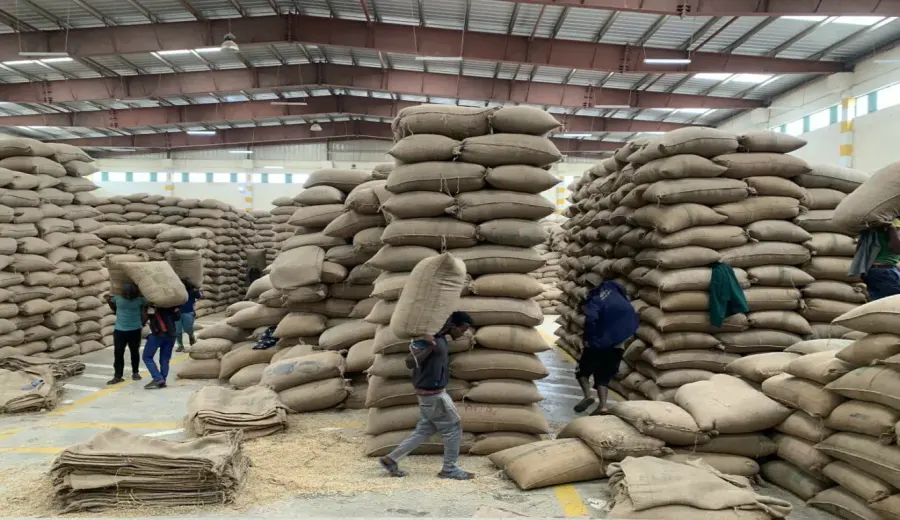
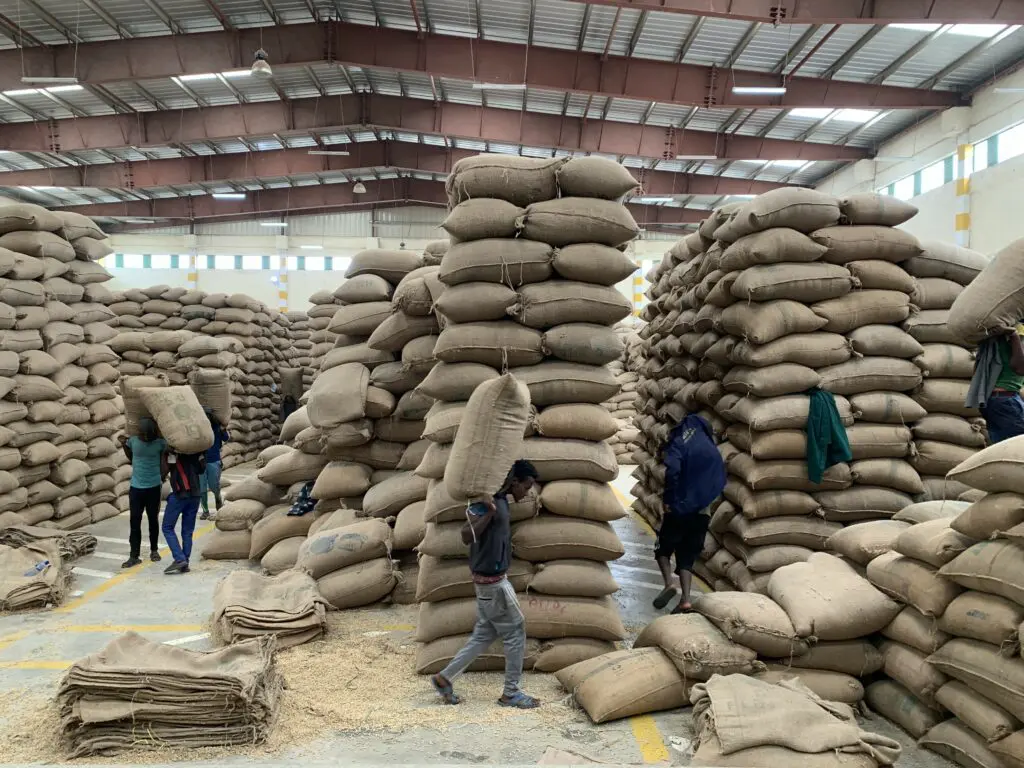
Introduction:This article provides an in-depth analysis of the Kochere sub-region in Ethiopia’s Yirgacheffe area and the washed coffee beans produced by its representative cooperative, Guji Dingding. From regional geography and processing methods to flavor profiles, it takes you through the unique charm of these high-altitude specialty coffees. Practical pour over parameters are also offered to help you fully showcase their citrus, floral, and tea-like layers.
Yirgacheffe is one of Ethiopia’s most iconic coffee-producing regions in the south, and within it, the Kochere micro-region is considered the crème de la crème. According to the classification system of the Ethiopian Commodity Exchange (ECX), Kochere has been designated as an official independent region, underscoring its significant status on the global coffee map. The coffee from this area is renowned for its distinctive citrus notes, silky mouthfeel, and distinct fruit aromas—especially when processed via washed methods, resulting in a bright and well-defined flavor profile that makes it a favorite among specialty coffee enthusiasts.
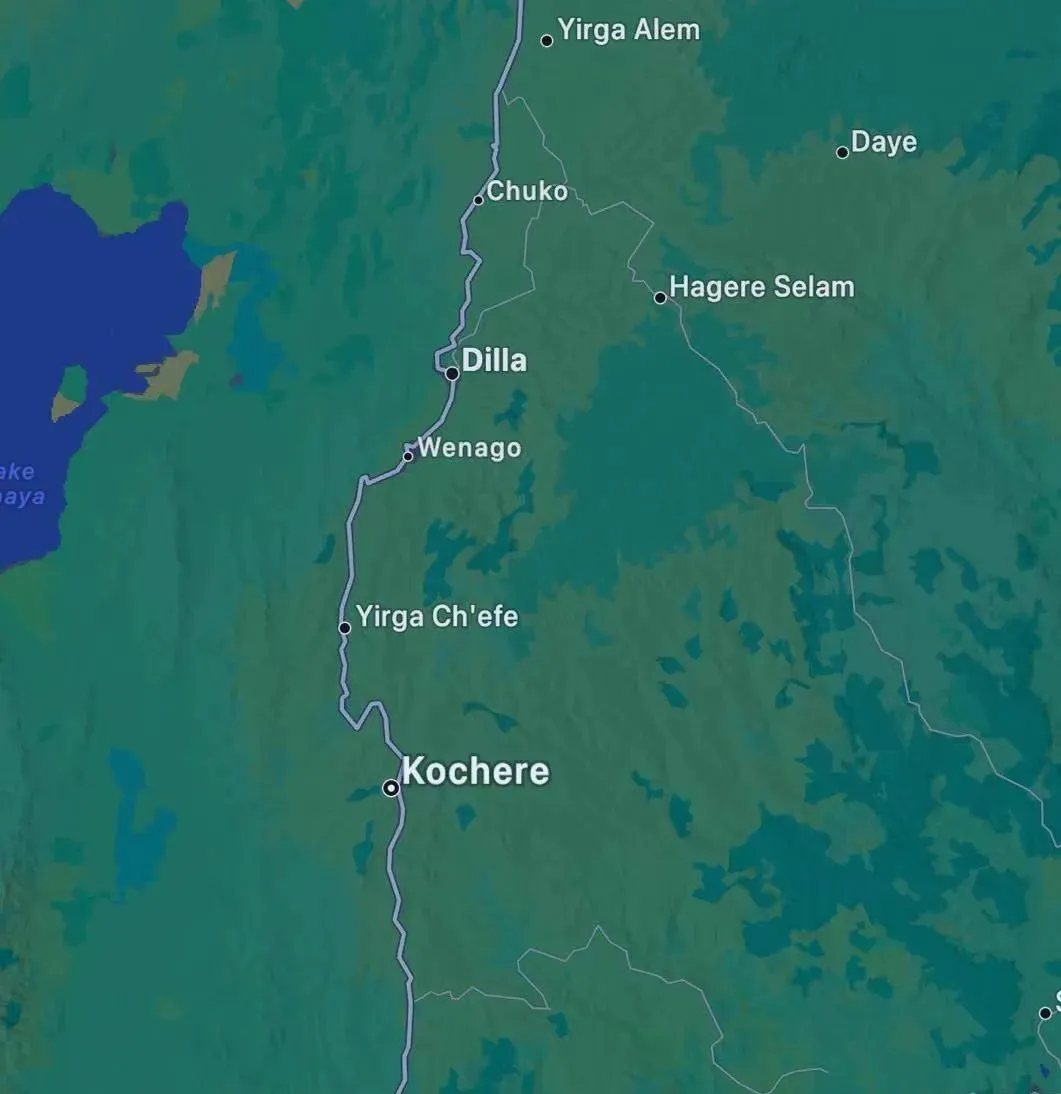
Located approximately 25 kilometers southeast of Yirgacheffe, Kochere sits at an altitude ranging from about 1650 to 1800 meters, making it a high-altitude zone with excellent microclimatic conditions. Though relatively small in size, it stands as one of the three most renowned micro-regions within Yirgacheffe. With a population of around 100,000 people, coffee cultivation and production are the main economic drivers. The region boasts relatively advanced processing facilities and infrastructure, having even received a remarkable score of 94 for its washed batches from the international review site Coffee Review, testifying to its exceptional quality.
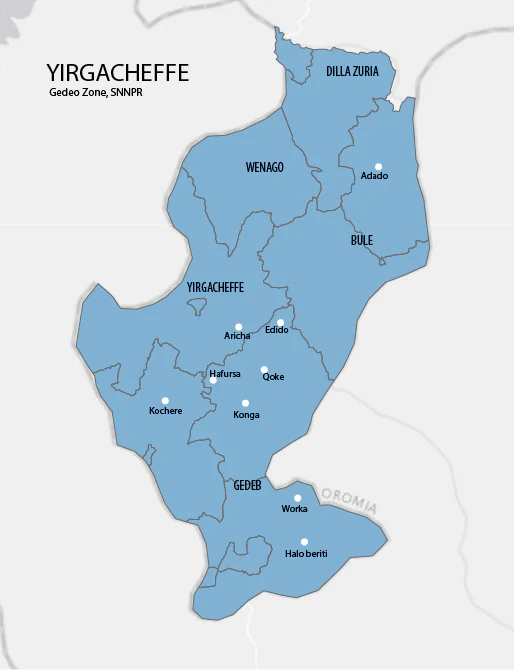
Administratively, Kochere falls under one of the Woreda districts of Ethiopia’s Southern Nations, Nationalities, and Peoples' Region (SNNPR), and is also an important part of the Gediyo block in the Yirgacheffe area. The region can be further divided into several smaller micro-blocks. Some coffee batches are even packaged with specific information such as the origin village (e.g., Chelelektu or Teklu Dembel), processing factory (such as the Alim washing station), or micro-region (like Banko Gutiti), reflecting the market's current emphasis on traceability. Generally, the higher the traceability of a batch, the more consistent and stable its flavor tends to be—and the higher its price as well.
Coffee in the Kochere area is mostly grown by local smallholder farmers, who then deliver their harvests to cooperatives for unified processing. Take Chalalacktu village as an example: with a population of around 100,000 whose livelihood mainly depends on coffee, the area enjoys better living infrastructure—such as health centers and schools—compared to other regions due to favorable economic returns. The use of advanced washed coffee processing equipment ensures that Kochere washed beans typically have a clean, bright profile with complex flavors of molasses and citrus.
A certain well-known coffee brand’s Yirgacheffe Kochere washed beans, rated as the top-grade G1, show a remarkable difference compared to regular commercial lots. Cupping often reveals intense yet refreshing lemon aromas, complemented by delicate jasmine, cantaloupe, citrus, ginger, and spiced tea notes. The mouthfeel is silky smooth, with vibrant and balanced acidity. Such high-altitude washed beans are especially suited for pour over brewing, which can fully highlight their refined fruit acids and aromatic complexity.
Another notable coffee comes from the Guji Dingding cooperative. Originally part of the Wolkite cooperative, it was later recognized for its outstanding quality and established as an independent entity. It is now jointly managed by 300 smallholder partner farmers and is known for cultivating Ethiopian heirloom varieties. The washed beans produced by Guji Dingding Cooperative are grown at even higher altitudes, ranging from 1900 to 2300 meters, representing the classic Yirgacheffe flavor profile but with an even stronger tea-like and fresh character, often described as having a bright taste reminiscent of lemon tea.
The processing method for Guji Dingding washed beans follows Ethiopia’s most traditional washed process, which includes steps such as floatation, pulp removal, fermentation to eliminate mucilage, washing, drying, and parchment removal.The washed method requires a stable water supply and specialized equipment. While not suitable for all regions, it can significantly reduce defect rates, improve green bean stability, and preserve what is called the “washed flavor”—a unique taste profile that is clean, bright, and slightly acidic.
The pour over flavor performance of this Guji Dingding Cooperative washed bean is outstanding. Common aromatic notes include citrus, green tea, prune, honey, along with subtle floral tones. For brewing, it is recommended to use a medium-fine grind, with water temperature controlled between 90–92°C, and a pulsed pouring technique to best bring out its bright acidity and soft sweetness. The dry fragrance is dominated by citrus and lemon, while the wet aroma offers floral and berry scents. Upon tasting, you’ll experience citrus paired with a creamy smoothness, and as the temperature drops, berry, black tea, and caramel sweetness gradually emerge, with a long-lasting citrus aftertaste.
In summary, both the Yirgacheffe Kochere and Guji Dingding Cooperative washed coffee beans showcase the classic characteristics of Ethiopia’s high-altitude coffees: cleanliness, brightness, lively acidity, and rich aromatic layers. Whether you’re a novice or an advanced pour over enthusiast, these two beans are highly representative choices. With the right extraction parameters, you can fully enjoy their unique citrus-tea nuances and silky textures.
The above content is compiled by CoffeeHunters, a coffee news website.


