







Introduction:Sumatra is an essential coffee origin that specialty coffee enthusiasts worldwide cannot overlook, especially Mandheling and Aceh’s Golden, renowned for their unique flavors and processing methods. This article will delve into Indonesia’s three major coffee regions—Sumatra, Sulawesi, and Java—exploring their geographical environments, varietal characteristics, and processing techniques. It will also detail the grading standards and flavor profiles of classic offerings such as Mandheling, Golden Mandheling, and Toraja, taking you from green bean to cup to fully grasp the essence of Sumatra’s specialty coffee.
Many coffee lovers, upon first encountering Sumatran coffee, are often struck by its stereotypical “heavy, herbal, smoky” profile. However, the reality is that Sumatra’s coffee world is far more diverse and nuanced. For example, “Aceh’s Golden,” produced in the Aceh region, showcases a completely different character from traditional Mandheling—clean, with pronounced sweetness, notes of cream and chocolate, and even hints of gentle acidity reminiscent of fine Central and South American coffees.
As one of the world’s major coffee-producing countries, Indonesia boasts three primary coffee regions: Java, Sulawesi, and Sumatra. Each region, due to differences in geography, climate, and processing methods, produces coffee with a distinct personality.
Coffee production on Java is mostly concentrated on large estates, primarily government-operated, utilizing modern washed processing. The main variety is S795 (locally called Jember), a high-altitude cultivated cultivar. Its flavor profile is typically refined, with low acidity, delicate aromas, and balanced mouthfeel, making it another worthwhile choice alongside Sumatran and Sulawesian coffees. Notable regions such as Blawan, Djampit, Kayumas, and Pancoer are all known for their consistent and stable quality.
Sulawesi, formerly known as Celebes, is one of Indonesia’s oldest islands, featuring volcanic soils rich in iron. The most famous producing area here is Toraja in the highlands of South Sulawesi. Toraja coffee is mostly processed using washed or semi-washed methods, exhibiting bright acidity, layered complexity, and intense caramel sweetness, yet without the heaviness typical of Mandheling, and with less earthy or woody aroma. The annual production of coffee in this region is only about 1,000 metric tons, grown on rugged slopes at around 1,200 meters altitude, yielding approximately 300 kilograms per hectare annually, making it an extremely rare and precious product. Toraja coffee is mainly managed by PT Kapal Api, CSR, and Japan’s Key Coffee subsidiary Toarco Jaya. The combined area of these three estates spans several thousand hectares, representing Sulawesi’s specialty coffee while also being rarer than typical Mandheling.
As for Sumatra, it is the most representative coffee origin in Indonesia, particularly the areas around Lintong and Lake Toba. Coffee here is mostly grown by smallholder farmers and is famed for its unique semi-washed processing method (commonly known as “wet hulling”). Coffee beans from this region are often bluish-green due to the iron-deficient soil. Among them, none is more iconic than “Mandheling.”
The term “Mandheling” originally referred to the coffee-growing region in northern Sumatra, particularly the mountainous areas around Lake Toba, cultivated by the Batak people. It’s worth noting that “Mandheling” is actually a trademark name, not a coffee variety, and its name originates from the local Mandailing ethnic group. The Lintong region sits at an altitude of about 1,200 to 1,500 meters, and its coffee is often considered the origin of “Golden Mandheling.” However, “Golden Mandheling” does not refer to the beans being golden in appearance, but rather to its undergoing a high-standard selection process, including hand-picking, semi-washed processing, sun drying, multiple hand-sortings, and cleaning, ultimately achieving exceptional cleanliness and sweetness. Notably, Golden Mandheling labeled “PWN” is produced by Indonesia’s Pawani company and has been registered locally, with its quality highly recognized in the market.
Another gem of Sumatra is the Aceh Special Region located at the northern tip of the island, known for Lake Tawar and the Gayo Mountains. At elevations of about 1,110 to 1,300 meters, coffee is mostly grown by small tenant farmers using shaded cultivation methods and wet processing. The flavors are relatively clean, with livelier acidity, sometimes featuring unique spice and floral notes, making it a specialty coffee source that has gained increasing attention in recent years. In addition, regions such as Flores, Timor, and Bali also have their own distinctive producing areas and processing methods. For example, Bali primarily uses semi-washed processing and was even once known for “Kopi Luwak (civet coffee),” although such coffee has faced scrutiny due to animal welfare concerns, it still reflects the diversity of Indonesian coffee.
In terms of varieties, Indonesia cultivates over 20 types of Arabica coffee, with common varieties including Typica, Caturra, Catimor, and Sidikalang. Among them, Typica is an original variety introduced during the Dutch colonial period and is still grown in small quantities in remote high-altitude areas. Catimor, on the other hand, is a natural hybrid of Arabica and Robusta, valued for its strong disease resistance, and has become one of the main varieties planted in Indonesia, commonly referred to as “horse-face Mandheling” or “TimTim.”
Regarding processing methods, due to Indonesia’s humid and rainy climate, traditional sun-drying and washed methods often face challenges in drying. As a result, “wet hulling” has become the mainstream. The process generally involves: first removing the coffee cherry’s skin and pulp, allowing the parchment-covered beans to undergo brief fermentation (usually 12 to 36 hours), then sun-drying them until the moisture content drops to 30%–50%, followed by using a hulling machine to remove the parchment layer, and finally continuing to dry to the target moisture level (about 12%–13%). While this method accelerates drying, it also comes with drawbacks such as increased risk of bean cracking and mold infection.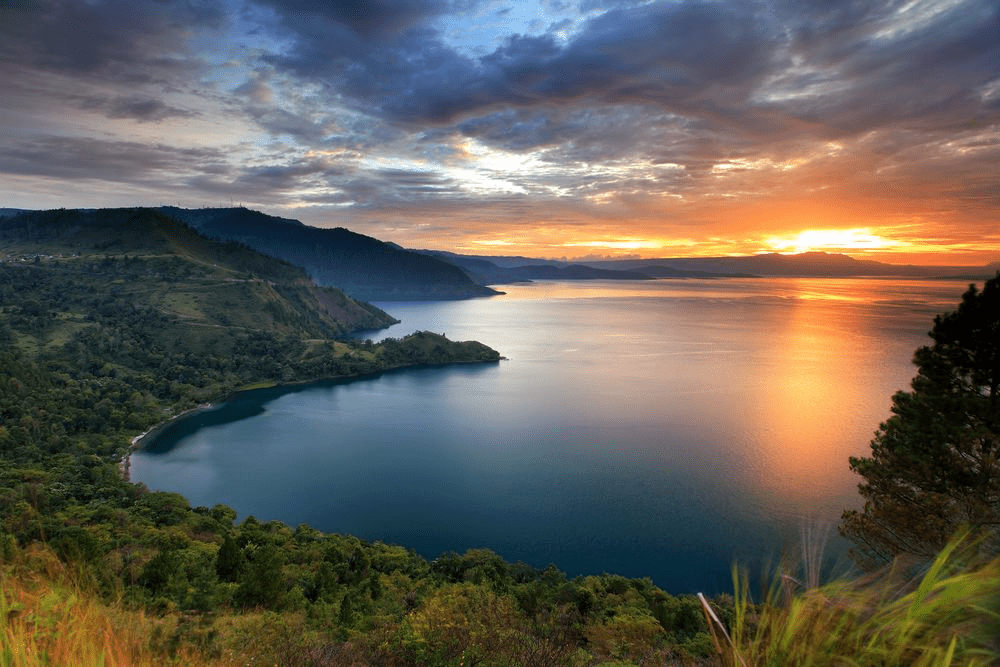
Green bean grading is primarily based on the ratio of defective beans, divided into six grades from G1 to G6. G1 is the highest grade, with fewer than 11 defects (based on a 300-gram sample), while G6 can have up to 225 or more defects. This grading system helps buyers assess green bean quality and serves as an important reference when selecting Indonesian specialty coffee.
Additionally, some Indonesian coffees undergo “aging,” where green beans are stored for 2–3 years under controlled temperature, humidity, and ventilation to reduce acidity and enhance body, resulting in a smoother, richer flavor often with lingering notes of pine, herbs, and caramel, similar to the layered profile of aged Pu-erh tea. Meanwhile, “Tiger Mandheling” features high-altitude, wet-hulled processing, showcasing a balanced flavor of cream, dark chocolate, and nuts; “West Java honey-processed” coffee, on the other hand, uses light roasting to highlight tropical fruit and plum aromas, with a clean taste and refreshing aftertaste.
In summary, the richness of Sumatran coffee is reflected not only in its diverse regions and varieties but also in its unique processing techniques and flavor expressions. Whether you’re a beginner coffee enthusiast or an advanced connoisseur seeking distinctive profiles, delving into the mysteries of Sumatra and other Indonesian origins can add depth and enjoyment to your coffee experience.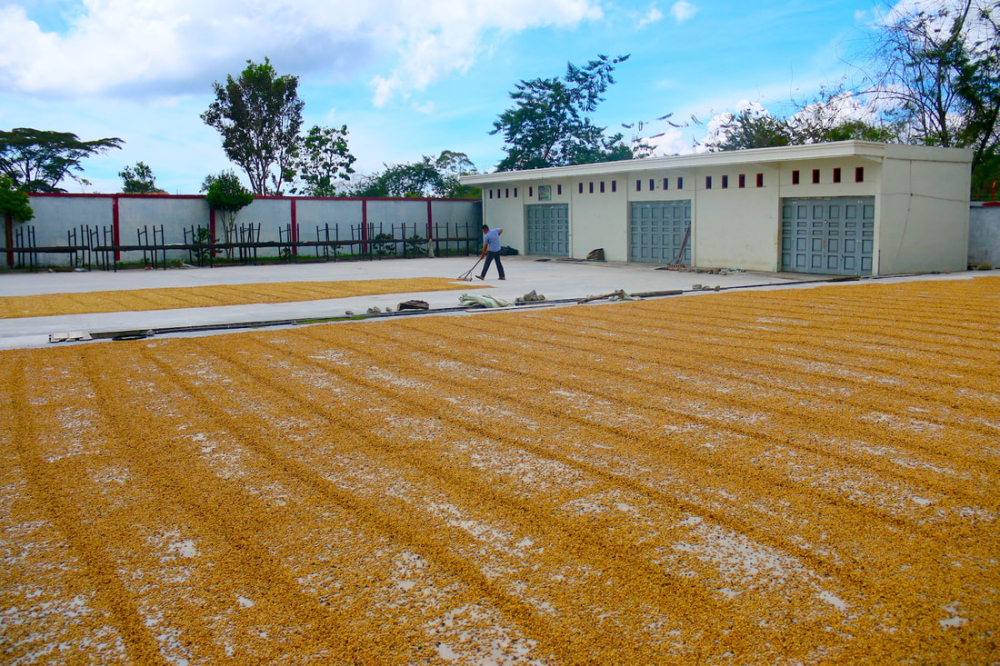
The above content is compiled by CoffeeHunters, a coffee news website.


