







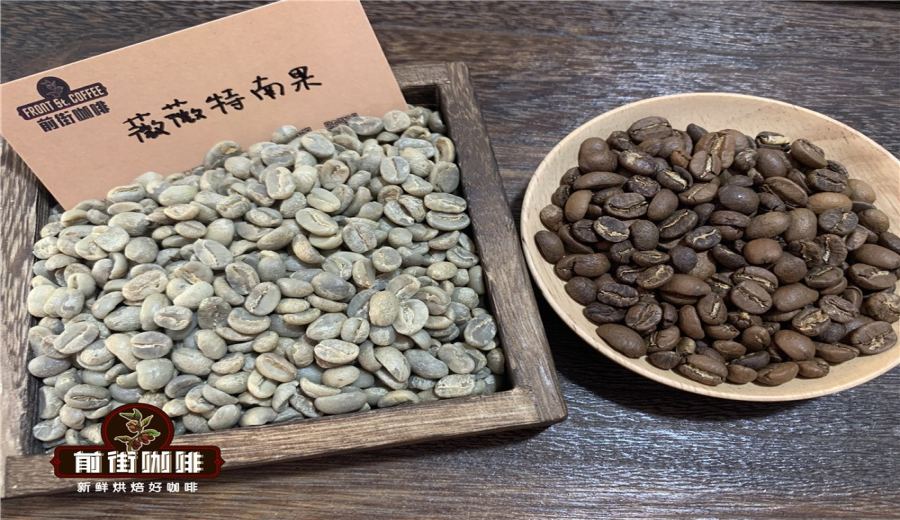
Introduction:Dive deep into two classic coffee beans — Guatemala from Central America and Mandheling from Southeast Asia’s Indonesia. Explore their differences across origin environments, processing methods, grading systems, flavor profiles, and pour over parameters. This article also offers an in-depth explanation of what the SHB grade truly means and provides professional brewing suggestions to help you discover your own coffee preferences.
Guatemalan coffee and Indonesian Mandheling represent the classic flavors of the Central and South American and Southeast Asian coffee regions respectively. The former is renowned for its bright acidity, elegant smoky finish, and balanced mouthfeel; the latter showcases a rich, full-bodied texture, low acidity, and deep notes of dark chocolate and caramel sweetness, making it a favorite among many serious coffee enthusiasts.
While their flavor profiles differ greatly, both have their loyal followings. This article will comprehensively compare the characteristics of these two coffees from aspects such as origin environment, bean variety composition, processing techniques, grade classification, roasting recommendations, and practical pour over parameters. It also addresses common questions — for example, whether Guatemalan SHB is the highest grade, and how to choose the right bean variety and brewing method based on personal taste.
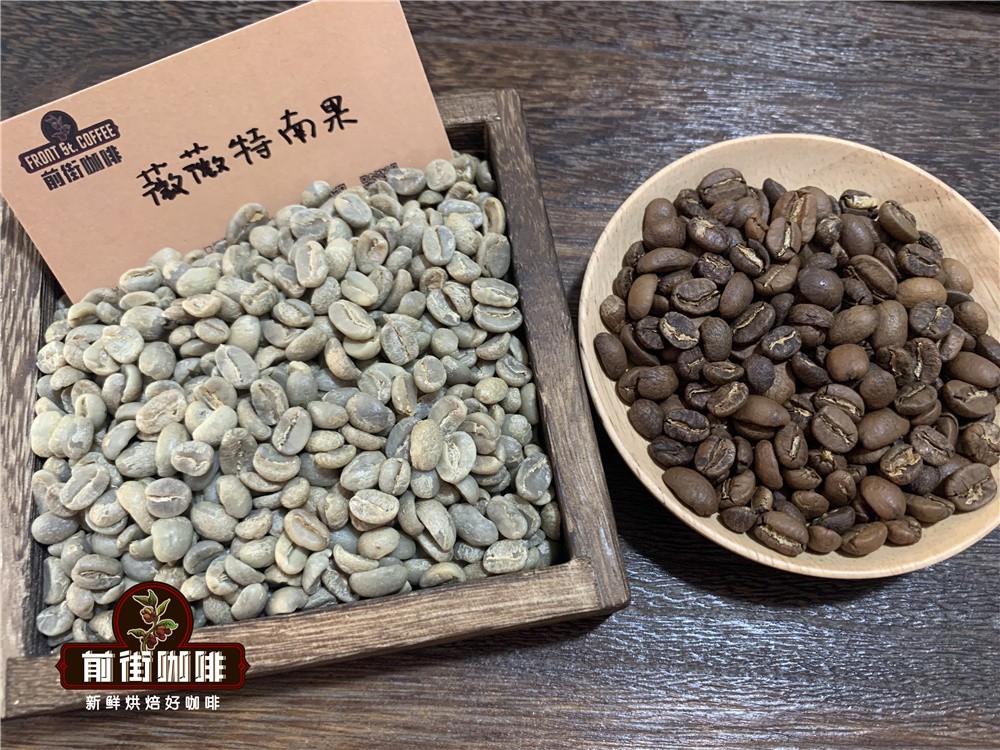
Guatemalan Coffee: Origin and Flavor Characteristics
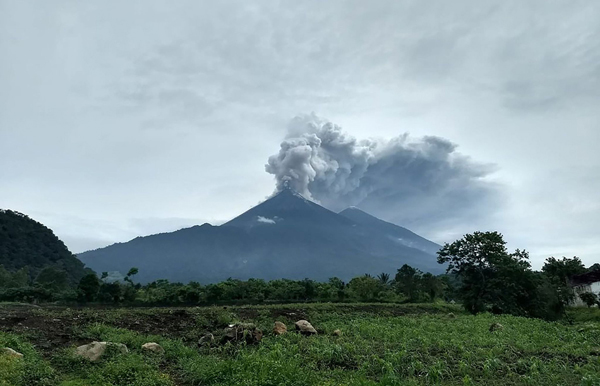
Guatemala is located in Central America, situated in a volcanic zone with a varied climate and abundant microclimates. Its coffee-growing regions are mostly at altitudes above 1,500 meters. The high elevation combined with volcanic soil gives the beans intense acidity, rich aromas, and a solid body. The country primarily processes coffee using the washed method, with about 45% reaching specialty grade. Among them, Antigua and Huehuetenango are the two most renowned growing regions.
The flavor of Guatemalan coffee is characterized by bright fruit acidity, often featuring notes of berries and citrus, with a unique smoky finish and a soft, layered sweetness. This flavor profile makes it very suitable for coffee lovers who enjoy fresh and bright taste experiences.
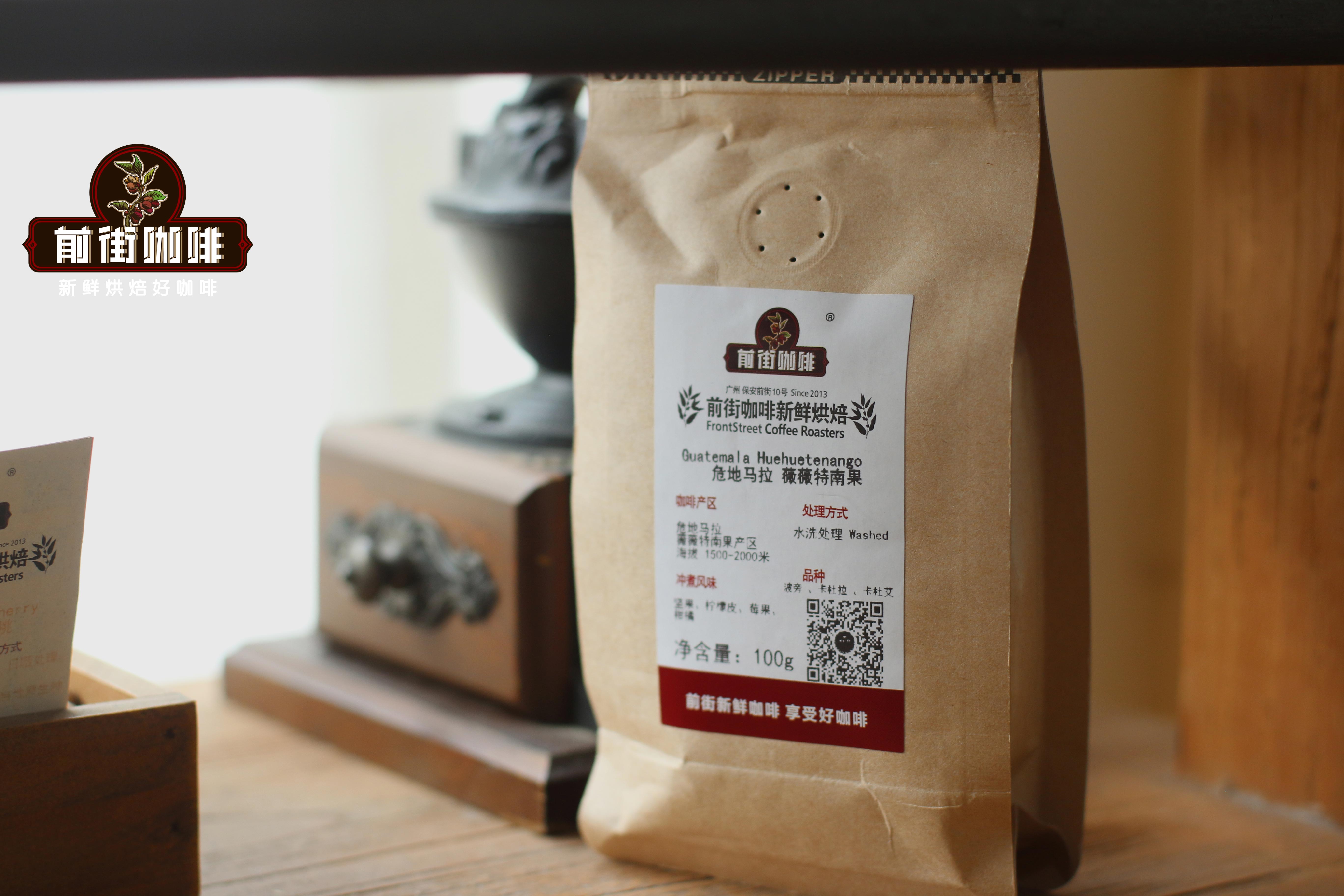
Guatemala’s Main Coffee Growing Regions and Their Features
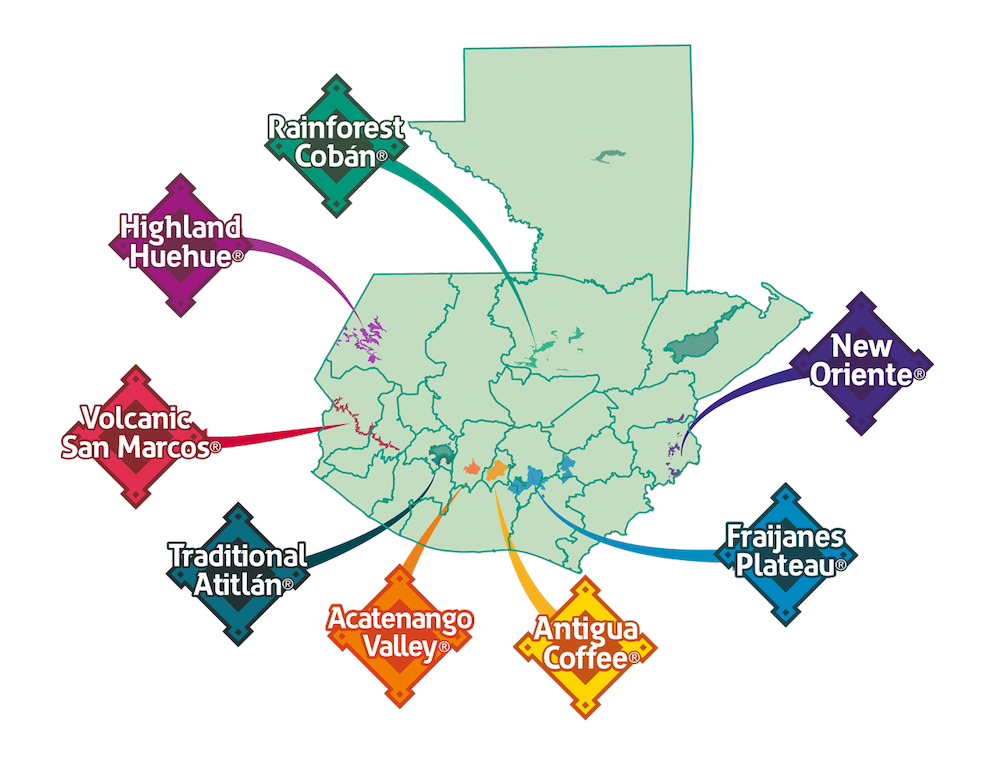
The country has eight major coffee-growing regions, five of which are volcanic, including Antigua, Acatenango, Atitlan, Volcanic San Marcos, and Fraijanes; the other three non-volcanic regions are Huehuetenango, Coban, and New Oriente.
The Antigua region is known for its rich volcanic soil, cool evening breezes, and strong sunlight, producing coffee with clear acidity, intense aroma, and a smoky aftertaste. Huehuetenango, on the other hand, due to its high altitude and dry climate, often yields coffee with rich fruity and nutty notes, which has gained increasing market attention in recent years.
Guatemalan Coffee Varieties and Processing Methods
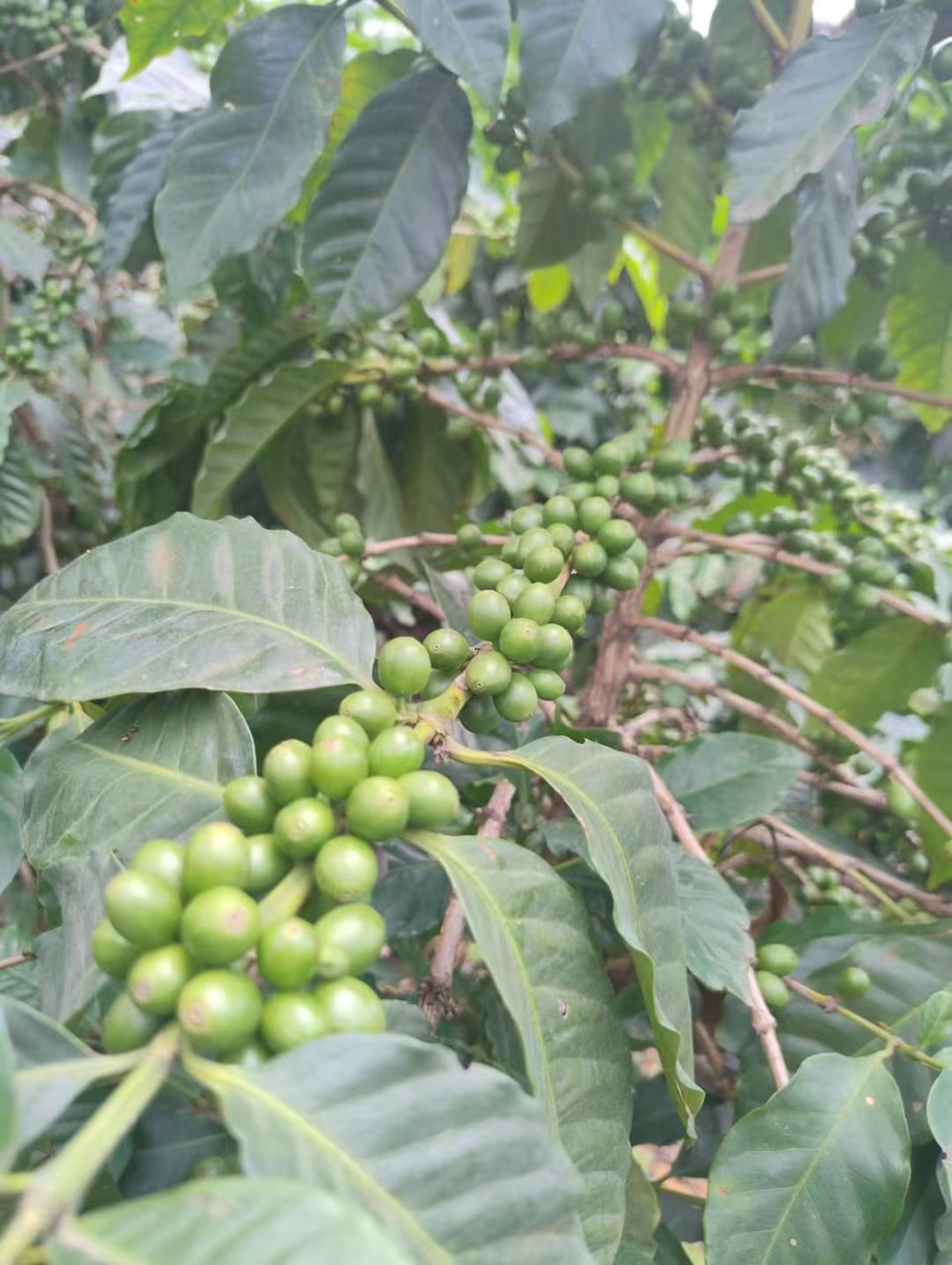
The main varieties grown include Bourbon, Typica, Catuai, Caturra, along with smaller amounts of Yellow Bourbon, Geisha, Pacamara, and the emerging variety Maracaturra. The beans from regions like Fraijanes and Huehuetenango are often of the Bourbon and Caturra varieties.
The primary processing method is washed, supplemented by natural sun-dried. Washed processing clearly highlights the basic flavors of the origin, making it suitable for beginners who want to understand the essence of coffee; natural processing adds more sweet and fermented layers, ideal for advanced enthusiasts to explore.
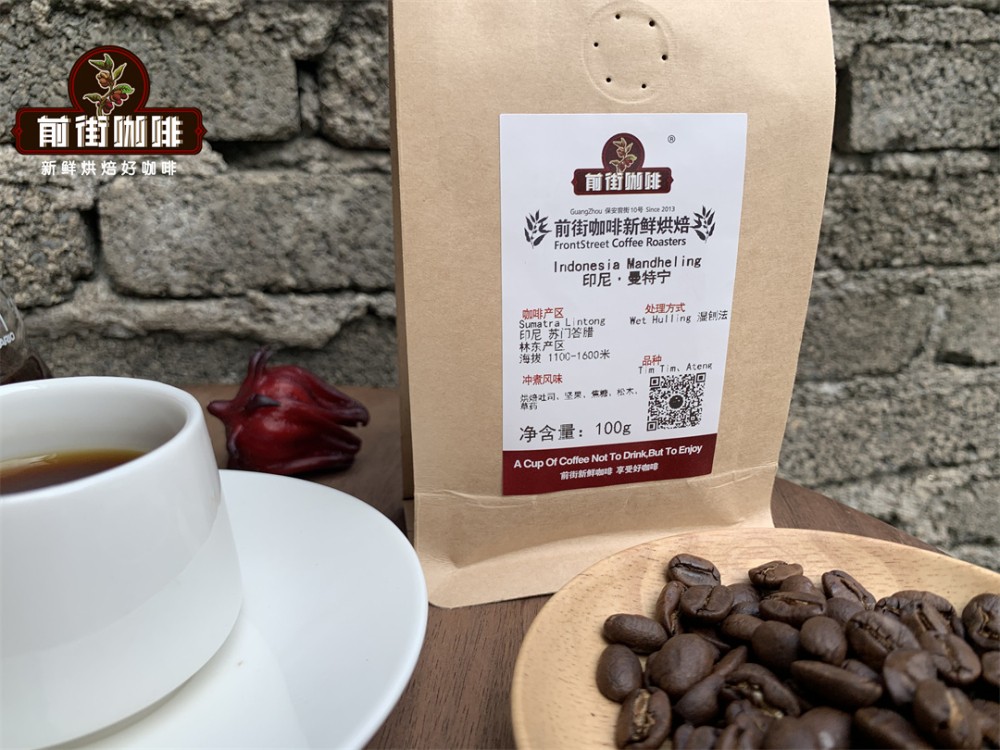
Indonesian Mandheling: Origin and Processing Features
Indonesian Mandheling mainly comes from the island of Sumatra, particularly the regions of Lintong and Aceh. Located near the equator, the area features a humid and rainy climate. Though at high altitude, the temperature remains stable, and the fertile volcanic soil contributes to its unique flavor characteristics.
The most well-known processing method for Mandheling is “Giling Basah” (wet hulling). This technique was developed in response to Sumatra’s high humidity and, although not a traditional washed or natural process, unexpectedly creates a distinctive profile that is bold, low in acidity, full-bodied, and carries earthy and herbal aromas.
Mandheling Varieties and Flavor Profile
The Arabica varieties planted in Indonesia are mostly variants of Timor and Catimor, such as the commonly used TimTim and Ateng in Lintong Mandheling. Due to the impact of leaf rust disease, the region mainly grows Robusta, with only about 10% being Arabica.
Mandheling features a bold and solid flavor, often showcasing notes of dark chocolate, caramel, nuts, and herbs. It has low acidity but a pronounced sweetness and a thick body, making it the top choice for those who prefer strong and full-bodied tastes.
What is the SHB Grade? Is It the Highest?
SHB (Strictly Hard Bean) is one of the coffee bean grades in Guatemala, referring to extremely hard beans grown at altitudes above 1,350 meters. These usually possess more intense flavors and a firmer structure. Although SHB is not the only grade, it is indeed within the high-quality range, indicating that the batch of beans has excellent green coffee potential.
In comparison, Mandheling does not have an exactly identical grading system, but rather distinguishes quality based on origin, processing method, and export standards. For instance, Golden Mandheling represents a high-end commercial-grade specialty coffee bean.
Pour Over Recommendations and Brewing Parameters
For Guatemalan coffee, it is recommended to use a medium-light roast to preserve floral and fruity aromas and clear acidity. Suggested equipment includes the V60 dripper, a water temperature of 91°C, a 1:15 coffee-to-water ratio, and a detailed three-pour technique (for example, first blooming 30 grams for 30 seconds, then pouring in stages up to 225 grams) to bring out layered flavors.
Mandheling suits a medium-dark roast to enhance its full-bodied texture. It is recommended to use a KONO dripper, a water temperature of 88°C, a 1:15 coffee-to-water ratio, and a medium-fine grind to highlight its rich nutty and dark chocolate notes.
Conclusion: How to Choose?
Guatemalan coffee is ideal for those seeking a fresh, bright cup with lively fruit acidity and a smoky aftertaste, while Mandheling appeals more to those who enjoy bold, low-acidity, and rich chocolatey flavors. Both coffees have their unique strengths — the key lies in choosing based on personal taste preferences and brewing conditions.
Regardless of which you choose, fresh roasting, proper grinding, and precise brewing parameters are essential to bringing out their best flavors. It is recommended to use the coffee within 5 days of purchase, and adjust your equipment and settings according to the suggestions above to enjoy a cup of specialty coffee tailored to you.
The above content is compiled by CoffeeHunters, a coffee news website.


