







Introduction:Jamaican Blue Mountain coffee is renowned worldwide for its delicate and balanced flavor profile, along with its unique fruity and chocolatey notes. It is the ultimate delicacy sought after by specialty coffee enthusiasts globally. This article will delve into the origin background, grading system, and meticulous washed processing method of Blue Mountain No. 1 coffee beans. It also provides detailed pour-over and drip bag brewing recommendations, including grind size, water temperature, coffee-to-water ratio, and pouring techniques, helping readers easily recreate the essence of Blue Mountain flavor at home.
What makes Blue Mountain coffee stand out as a top-tier specialty coffee? The answer lies in its exceptional terroir and stringent quality control standards. This coffee not only boasts a rich yet refreshing aroma but also exhibits an extraordinary balance and layered complexity that leaves a lasting impression. Next, we’ll start with the geography and soil of Blue Mountain, analyze its grading system and processing methods, and share practical brewing parameters for both pour-over and drip bag methods to help you master the secrets of reproducing Blue Mountain’s refined taste.
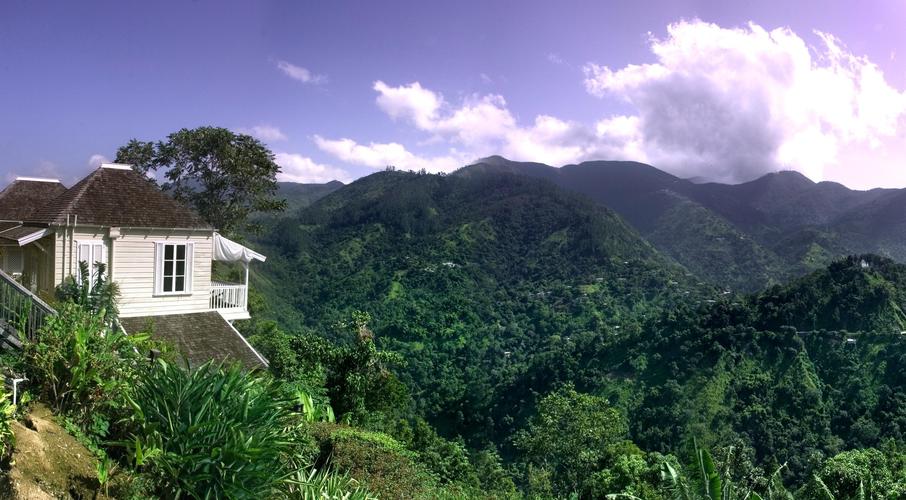
When it comes to Jamaican Blue Mountain coffee, one cannot overlook the Blue Mountains. This sacred land that nurtures top-tier coffee is located in the eastern part of Jamaica. Despite being in a tropical region, the high altitude and cool ocean breezes create a pleasantly mild climate. The Blue Mountains not only feature breathtaking scenery and unpolluted fresh air, but their soil is also mineral-rich volcanic earth. Coupled with significant day-night temperature variations, coffee cherries have more time to accumulate sugars and aromatic compounds, determining the exceptional potential of Blue Mountain coffee from the very source.
It’s worth mentioning that coffee cultivation in the Blue Mountains faces immense challenges, especially when it comes to field management and harvesting on steep slopes, which almost entirely relies on experienced local female pickers. These factors contribute to the high production costs of Blue Mountain coffee, further highlighting its precious value.
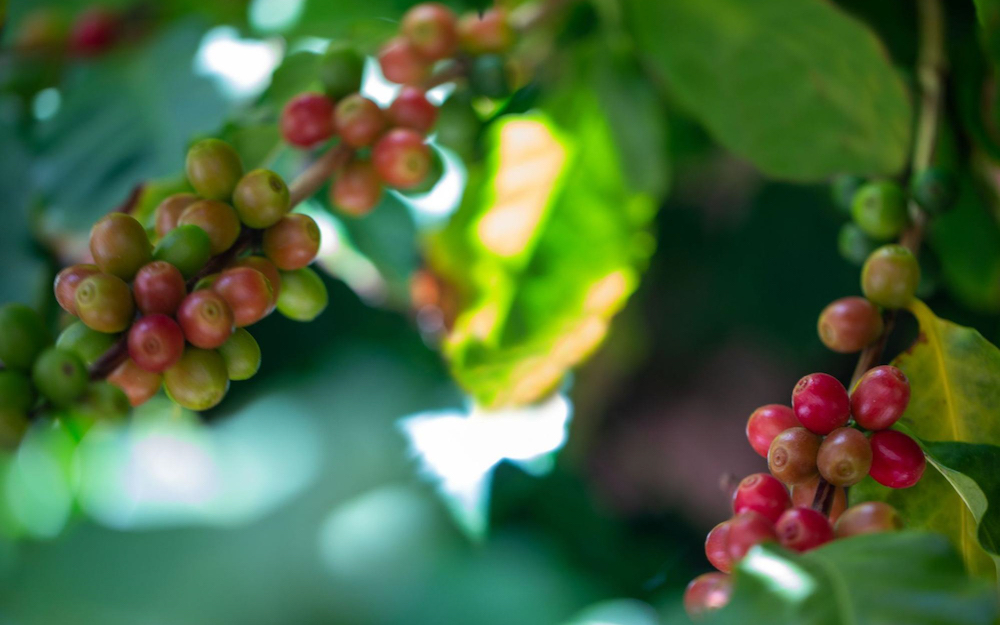
The Jamaican government has designated areas above 1,700 meters in the Blue Mountains as a nature reserve where farming is prohibited. As a result, Blue Mountain coffee is grown only below 1,700 meters. According to the regulations of the Jamaica Coffee Industry Board (CIB), only Arabica coffee planted at altitudes above 910 meters qualifies to be called “Jamaican Blue Mountain Coffee.” The rest produced in lower-altitude regions are classified as Jamaican High Mountain Coffee or Jamaican Prime Coffee. Clearly, the higher the altitude, the rarer and higher the quality of the coffee, and consequently, the price rises accordingly.
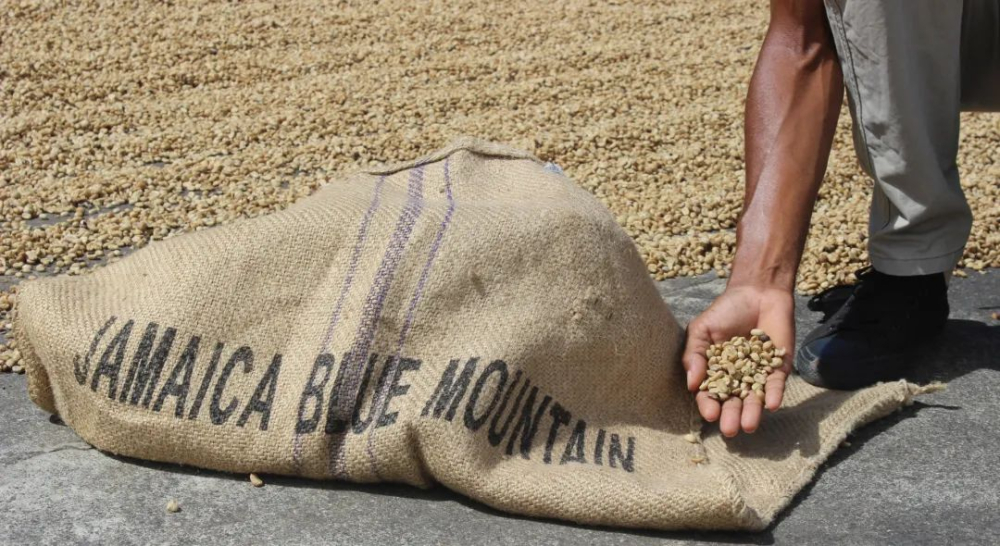
After harvesting, Blue Mountain coffee is typically processed using the washed method. First, the outer skin and pulp of the coffee cherry are mechanically removed. Then, the mucilage-covered seeds are placed in fermentation tanks for about 24 hours, during which microbial action breaks down the remaining fruit pectin. After fermentation, the seeds are repeatedly rinsed with clean water. The friction between the water flow and the beans helps smoothen and clean the seed surface. Finally, the parchment-covered green beans are evenly spread on drying beds and sun-dried for 2 to 3 weeks until the moisture content is reduced to 12%–14%. This processing method not only preserves the pure flavor of the coffee but also minimizes impurities and sourness that may result from over-fermentation.
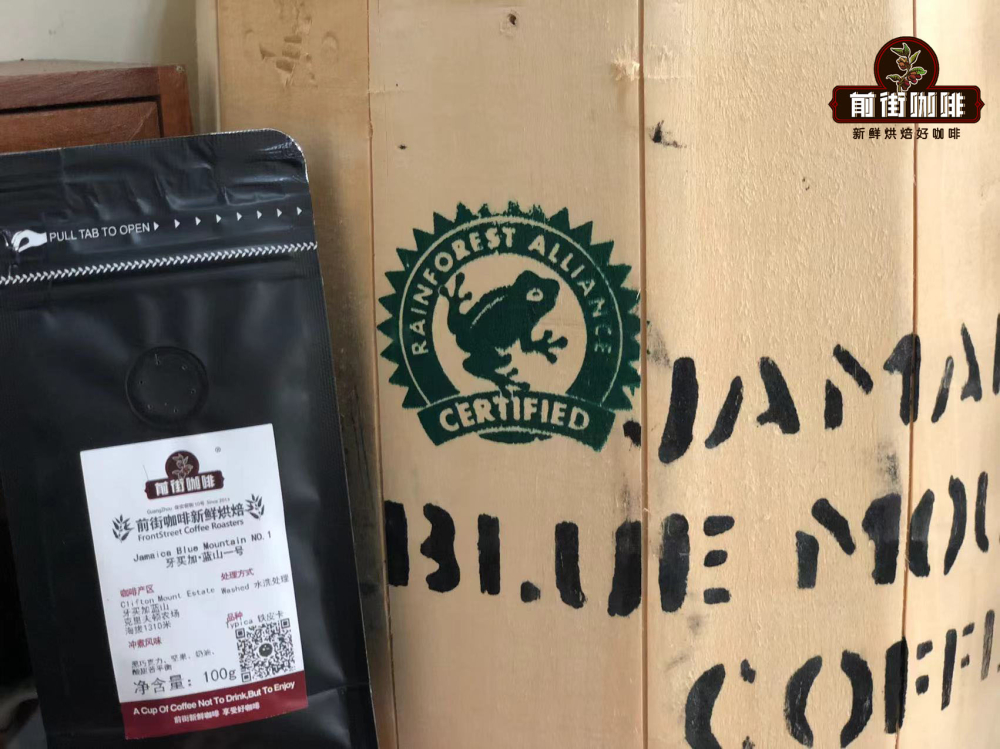
From green bean to cup, every step undergoes strict selection. Before leaving the factory, Blue Mountain coffee must pass defect rate inspections, bean size grading, and professional cupping. Only beans that pass these rigorous tests can be classified as “Blue Mountain No. 1”—the highest grade. Such coffee beans must have a screen size of 17–18, a defect rate of no more than 2%, and demonstrate an exceptional balance across aroma, acidity, sweetness, body, and aftertaste. The selected Blue Mountain No. 1 used here comes from the renowned Clifton Estate at the foothills of the Blue Mountains, making it one of the few truly representative top-tier products that embody the spirit of Blue Mountain available on the market.
If you want to brew Blue Mountain coffee at home and highlight its delicate flavors, pour-over is one of the most expressive methods. It is recommended to use a Kono dripper. This dripper has shorter ribs, allowing the filter paper to adhere closely to the dripper wall after wetting. This effectively reduces airflow exchange between layers, prolongs the blooming and water absorption time of the coffee grounds, resulting in a more even extraction and a creamier, smoother mouthfeel.
Blue Mountain No. 1 is mostly medium roasted, with a relatively loose bean structure and good water absorption. Therefore, a medium-coarse grind is recommended—about 75% passing through a standard #20 sieve—with a water temperature of 88°C. This setup fully highlights its black chocolate, nutty, and caramel aromas while avoiding the bitterness caused by over-extraction. In practice, it is suggested to use 15 grams of coffee grounds and follow a 1:15 coffee-to-water ratio with a three-stage pouring method: the first stage involves pouring 30 grams of hot water for a 30-second bloom; the second stage uses a slow circular pour to reach 125 grams, then pause; wait for the water level to drop slightly before continuing to pour up to 225 grams to finish. The total extraction time should be around 2 minutes, perfectly showcasing the silky-smooth texture and sweet lingering aftertaste of Blue Mountain No. 1.
For common issues such as over-extracted bitterness or off-flavors, they are usually caused by too fine a grind, excessively high water temperature, or overly vigorous pouring. It is recommended to use a #20 sieve to confirm grind size, maintain water temperature between 86–93°C (87–89°C is ideal for Blue Mountain No. 1), and keep a steady pouring rhythm without excessive stirring. This helps extract flavor compounds while suppressing excessive bitterness.
If you prefer a more convenient brewing method, Blue Mountain drip bags are also a great option. All you need is hot water and a cup to enjoy a Blue Mountain flavor similar to pour-over. Here’s how: place the drip bag on your cup, pour freshly boiled hot water (recommended temperature around 88–90°C), start with a small amount of water for a 10–15 second bloom; then pour in three rounds, each time filling the drip bag to about nine-tenths full. Wait for the coffee to drip through before adding a final fill to nine-tenths full to fully release the flavors. This way, you can savor a Black Blue Mountain coffee with notes of nuts, cream, walnuts, and caramel, with a soft almond-like finish. The taste is relatively mild, yet still showcases the refined characteristics of Blue Mountain No. 1.
The above content is compiled by CoffeeHunters, a coffee news website.


