







Introduction:Tanzanian coffee is represented by the Kilimanjaro region and the southern growing areas, each boasting distinctive and vibrant flavor profiles. This article will delve into the climate, coffee varieties, processing methods, and roasting strategies of these two major regions, analyzing their layered flavor profiles of citrus, nuts, and caramel. It also provides practical pour over parameters and techniques to help coffee enthusiasts select the Tanzanian beans that best suit their personal preferences.
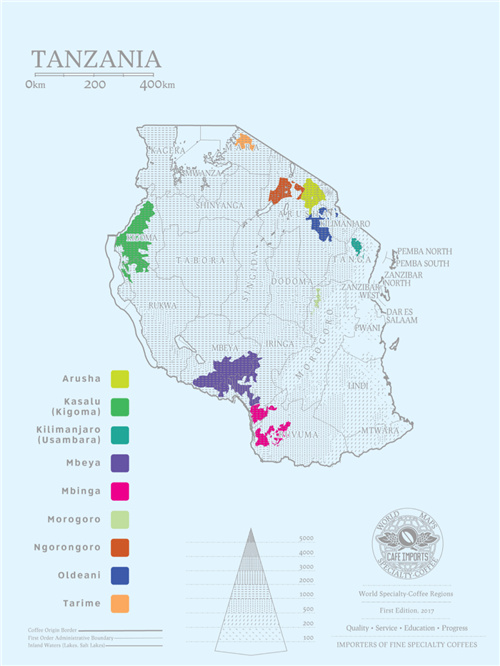
As an important specialty coffee origin in East Africa, Tanzania's primary coffee-growing regions are Mount Kilimanjaro and the southern areas. The coffee produced in these two regions differs significantly in flavor and growing conditions. Whether you prefer bright acidity or rich sweetness, gaining an in-depth understanding of the unique characteristics of these regions can help you find the coffee experience that best matches your taste.
Kilimanjaro Region: A Unique Microclimate at the Equator’s Snow Peak
Mount Kilimanjaro, the highest mountain in Africa, is located in the tropics but features a unique climate known as the "Equator’s Snow Peak" due to its high altitude, large diurnal temperature variations, and even year-round snow cover at its summit. Although the area’s average annual temperature can reach 59°C, the high-altitude mountainous regions enjoy cool temperatures and abundant rainfall, particularly on the windward slopes where annual precipitation can reach 1600 to 1800 millimeters. Such an environment is highly conducive to the accumulation of flavor compounds in coffee cherries.
The volcanic soil in the Kilimanjaro region is weakly acidic, with a loose structure and excellent drainage, which aids coffee roots in absorbing nutrients while promoting slow maturation of the coffee cherries. This results in rich aromas and complex flavors. Coffee from this region often exhibits bright acidity reminiscent of citrus and stone fruits, along with a warm, mellow finish of nuts and caramel, achieving an overall balanced profile with minimal bitterness.
Varieties, Processing Methods, and Green Bean Characteristics
Tanzanian coffee is predominantly grown from Bourbon, Typica, and Kent varieties. In the Kilimanjaro region, the common and ancient variety is Typica, known for its delicate flavor expression, though it generally has relatively low yields and is susceptible to leaf rust. Currently, most Tanzanian coffee beans available from this region belong to the Typica variety, with beans that are slightly elongated-oval, uniformly sized, and plump—similar in appearance to traditional Ethiopian Typica.
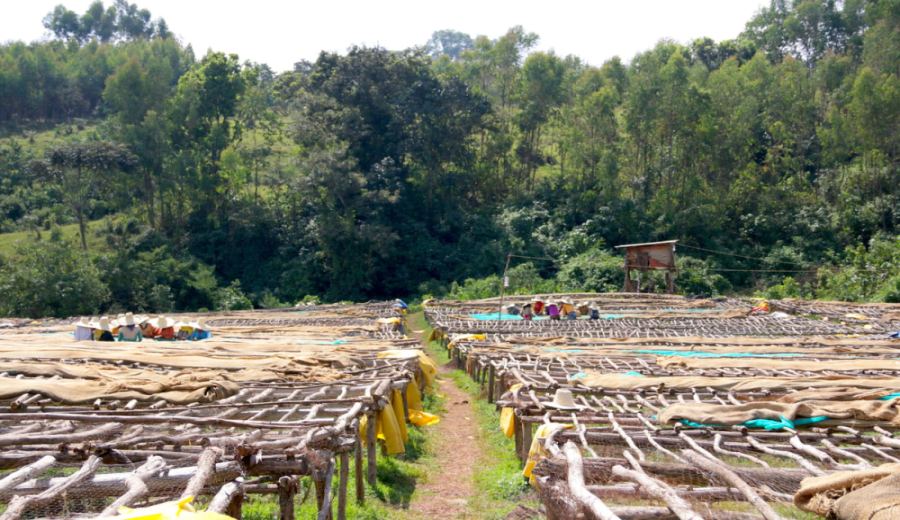
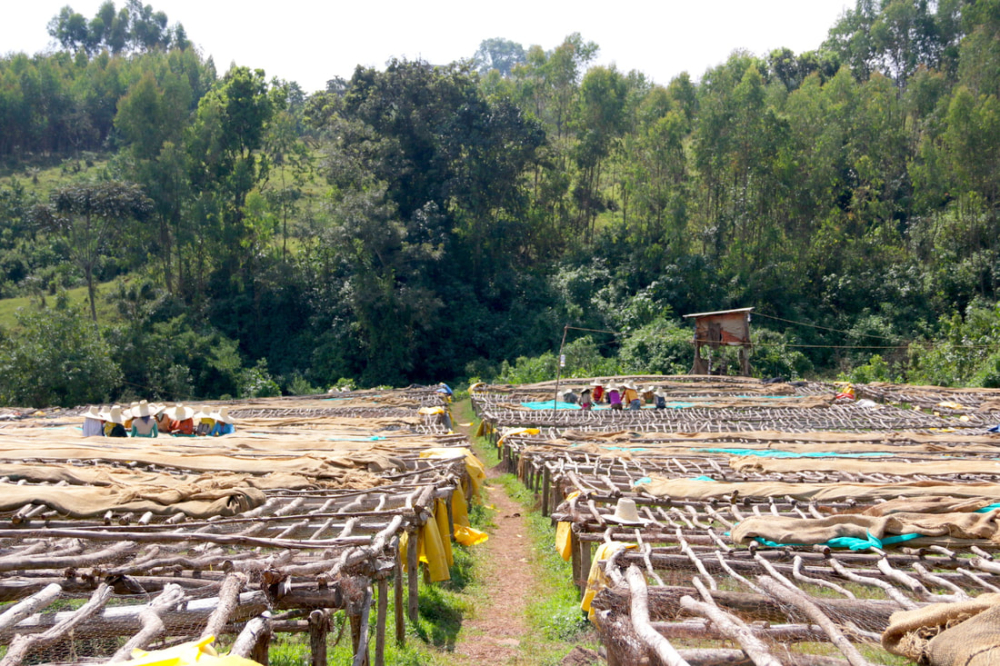
Thanks to the ample rainfall in the area, coffee farmers commonly use the washed processing method. The process includes: initial removal of impurities and pulp, followed by fermentation to remove the mucilage, and finally washing and drying until the moisture content is reduced to around 11%. This method preserves the coffee’s cleanliness and bright acidity, but care must be taken as improperly handled silver skin may affect extraction efficiency after grinding.
Roasting and Cupping Flavor Analysis
To highlight the sweetness, acidity, and floral-fruit aromas of Kilimanjaro coffee, medium-light roasting is typically employed. This level of roasting extends the caramelization reaction after the first crack, imparting a more pronounced layer of sweetness. As new-season beans have higher moisture content, it’s necessary to appropriately extend the drying phase during the roasting process to ensure even heating of both the core and surface of the beans.
During cupping, this coffee displays flavors such as citrus, nuts, and honey in its hot state, accompanied by a subtle creamy sensation. As the temperature drops, it gradually transitions to notes of acetic acid, cocoa, and a hint of spice. Overall, it offers a medium-to-high level of sweetness with good balance, though the acidity is relatively mild, and slight astringency may occasionally appear upon cooling.
Pour Over Recommendation Parameters
To fully showcase its flavor characteristics, it is recommended to use 15 grams of coffee beans with a 1:15 coffee-to-water ratio, controlling the water temperature at 90°C, and setting the grind size to BG #6M (medium-fine). Use a three-stage pouring method: begin with a 30-second bloom using 30 grams of water, then pour in a small circular motion up to 125 grams for the first pour, followed by a pause when the water level is about to uncover the coffee bed before pouring up to 225 grams. Finally, remove the filter just before it finishes draining, with a total extraction time of approximately 2 minutes. This method effectively enhances the lingering notes of citrus, nuts, and dark cocoa, while reducing astringency.
Southern Region: An Alternative Style Blending Floral and Wine-like Aromas
The coffee-growing environment in Tanzania’s southern region is distinctly different from that of Kilimanjaro. While washed processing remains the primary method, the dominant variety is Bourbon, which offers more prominent sweetness, brighter acidity, and relatively higher yields, though like Typica, it is also susceptible to leaf rust.
Coffee from this region exhibits dry aromas of berries and fermented notes during cupping, along with wet aromas interweaving berries and floral scents. Upon tasting, it presents a well-defined and layered flavor profile combining citrus, caramel, nuts, and subtle fermented notes.
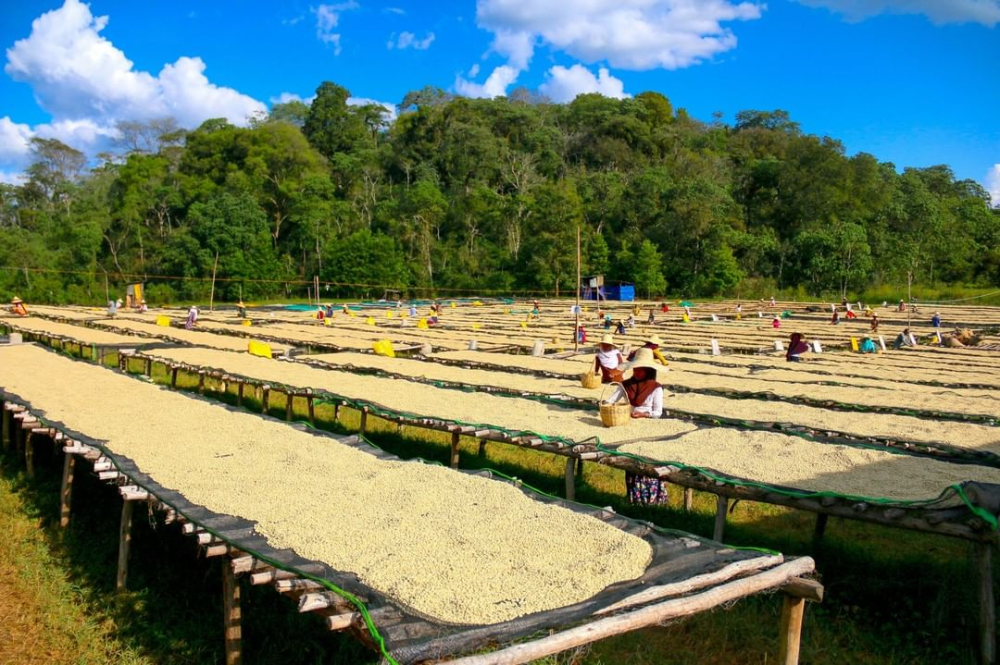
Employing the same medium-light roasting strategy accentuates its fruity tones and balanced acidity-sweetness profile. When using similar pour over parameters, it shows intense floral notes along with lively acidity of berries and citrus, followed by a soft finish of nuts and subtle wine-like aromas.
Flavor Comparison and Selection Tips Between the Two Regions
In short, coffee from the Kilimanjaro region is characterized by bright fruit acidity, nutty aromas, and mineral-like sweetness, making it ideal for those who enjoy refreshing and vibrant flavors. In contrast, the southern region features softer acidity, rich floral notes, and wine-like aromas, delivering a smoother and more enchanting taste experience. Europe once referred to Tanzanian coffee as the “gentleman of coffees,” a tribute to its rich texture and elegant flavors.

Whether you are a newcomer exploring African coffee or a seasoned enthusiast seeking new inspiration, gaining a deeper understanding of the unique personalities of the Kilimanjaro and southern regions will allow you to enjoy a richer sensory experience and make more informed choices when tasting Tanzanian coffee.
The above content is compiled by CoffeeHunters, a coffee news website.


