








Introduction:Although freshly roasted coffee beans have an enticing aroma, improper storage can cause their flavors to dissipate quickly. This article delves into the four major enemies of coffee beans after opening: moisture, oxygen, light, and high temperatures, and offers practical storage methods—such as a comparison of the pros and cons of one-way valve bags, airtight jars, and vacuum-sealed containers—to ensure that every cup of pour over coffee you brew showcases the most distinct regional characteristics and layered flavors.
Many people assume that freshly ground coffee equals freshness, but in reality, a coffee bean’s flavor is closely tied to its roast date. Freshly roasted coffee beans will experience a significant decline in aroma about 50 days after roasting. However, during the first day or two after roasting, due to the large release of carbon dioxide and unstable flavors, the regional characteristics also cannot be fully expressed. Therefore, an appropriate “resting period” of about three to four days is key to bringing the beans to their optimal extraction state.
However, once coffee beans are opened and exposed to air, oxidation begins, and their aroma and complexity will start to change. Knowing how to maintain the freshness of coffee beans after opening is a skill every coffee enthusiast should master. This article will guide you through the four main factors that affect coffee bean flavor and share practical storage strategies to help your pour over coffee consistently deliver captivating taste.
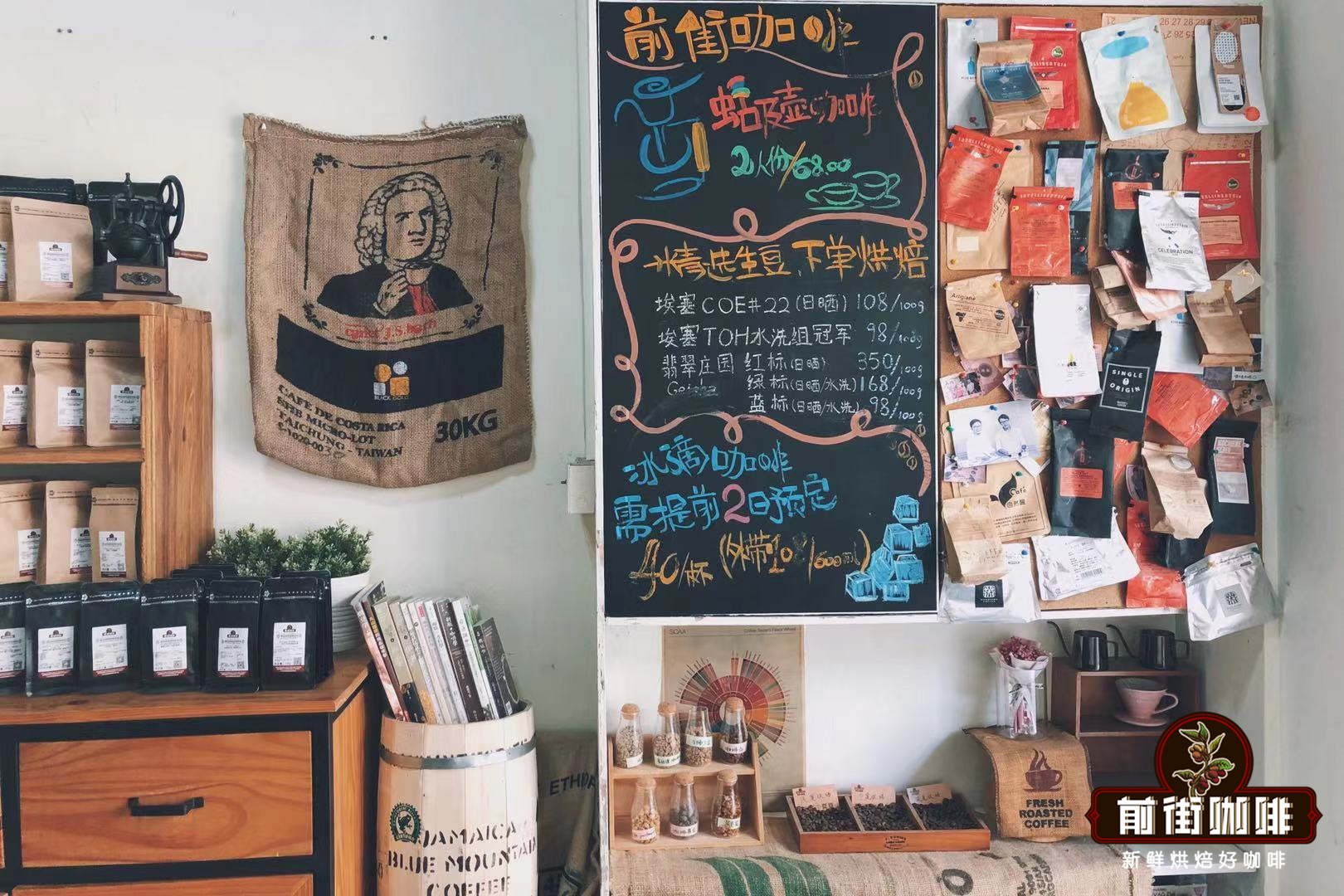
First,Moistureis a major enemy of coffee bean storage. Coffee beans are hygroscopic, meaning they easily absorb moisture and odors from the environment, leading to flavor deterioration. Especially in hot and humid conditions, issues such as rancid or moldy aromas can more easily occur. Therefore, it is not recommended to store coffee beans in the refrigerator. Fluctuating temperatures can cause condensation on the surface of the bean bag, which not only fails to preserve freshness but actually accelerates flavor loss. The optimal storage environment is a stable, dry indoor area with consistent temperature.
Second,Oxygenpromotes the oxidation of the oils and aromatic compounds in coffee beans, leading to flavor degradation. Many coffee packages are equipped with one-way degassing valves that allow internal carbon dioxide to escape while preventing external oxygen from entering. However, once the package is opened, oxygen begins to interact with the beans. Therefore, after opening, it is essential to press the sealing strip tightly or transfer the beans to an airtight container to minimize oxygen exposure.
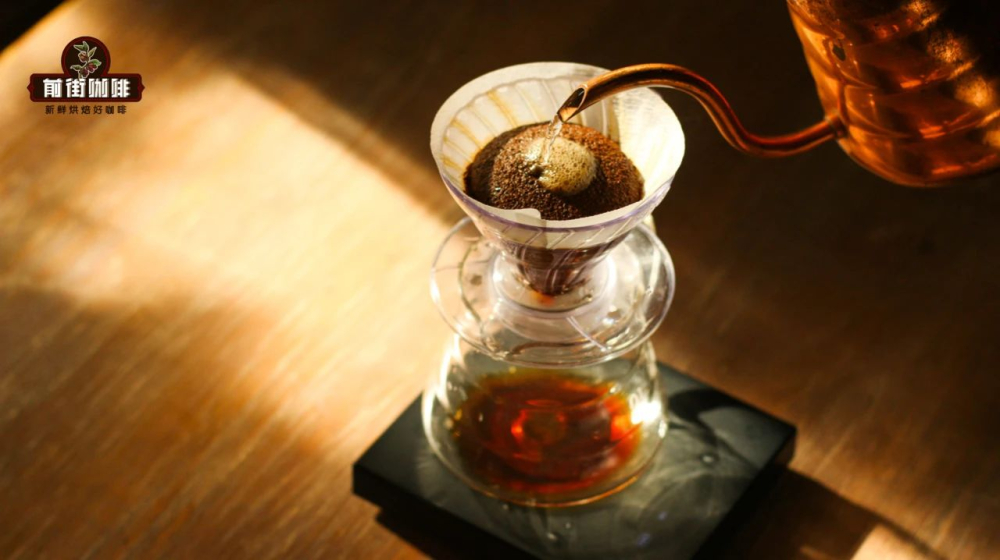
Third,LightandHeat sourcesalso accelerate the oxidation and evaporation of aromas in coffee beans. Direct sunlight or placement near stoves, appliances, or other heat-emitting objects can raise the temperature and promote chemical reactions, causing the beans to lose their original flavors more quickly. Therefore, containers for storing coffee beans should avoid transparent materials and should be kept away from heat sources and direct sunlight.
For post-opening storage methods, the following common options are available on the market:
【One-way valve bags】are the packaging used by many roasters for shipping. Their design allows coffee beans to release internal carbon dioxide while preventing external oxygen from entering. After each use, it is recommended to seal the bag opening tightly and expel as much excess air as possible from the bag, which helps reduce oxygen concentration and slow down oxidation.
【Airtight jars】are commonly used storage tools in many households. They effectively block external air, but most are made of transparent material and are thus susceptible to light exposure. Additionally, each time the jar is opened or closed, air enters and exits, so it is advised not to store too many beans at once and to try to use them up within a short period.
【Vacuum-sealed containers】work by extracting air from the container to lower oxygen concentration, which theoretically aids preservation. However, since most are also transparent and the pressure difference after air removal may cause aromatic compounds to dissipate faster, the actual effect may not meet expectations. Moreover, the vacuum state might also affect the internal structure of the beans, so use with caution.
Overall, the simplest and most effective method is still to use the original one-way valve bag packaging, store it in a cool, dry, and light-proof location, and ensure it is properly sealed after each use. If you purchase large-capacity packaging, you can divide it into smaller portions based on your daily usage to reduce the number of times the bag is opened and minimize air exposure.
Finally, a reminder: once coffee beans are ground into powder, the surface area exposed to air increases significantly, and the rate of oxidation accelerates markedly. Therefore, it is recommended to grind beans as needed for each brew. If you’ve already ground the beans, try to consume them within two weeks to enjoy the best possible flavor. Master these storage tips, and you’ll be able to fully experience the purest aroma and layered complexity of your coffee beans during each pour over session.
The above content is compiled by CoffeeHunters, a coffee news website.


