







Introduction:Although the Moka pot is not a mainstream brewing method today, it remains a highly cost-effective tool for many households to produce espresso-style coffee. This article delves into the working principles of the Moka pot, explores why it has regained popularity among coffee enthusiasts, and provides a detailed guide on how to brew coffee with a rich crema layer using it—further enabling the creation of milk-based drinks and latte art. It also highlights essential safety precautions and recommends medium-to-dark roasted beans suitable for stable extraction, helping you achieve a rich and aromatic coffee experience.
In today’s era dominated by pour over, siphon, and high-end espresso machines, the Moka pot is often regarded as an old-fashioned and somewhat tricky home brewing device. However, this simple coffee tool is capable of producing espresso that rivals six to seven out of ten in performance compared to professional espresso machines. Starting from its fundamental principles, this article discusses how the Moka pot has regained attention in recent years, and will walk you step-by-step through brewing ideal coffee with it—even incorporating milk and latte art to enhance your home coffee enjoyment—while not overlooking key safety details.
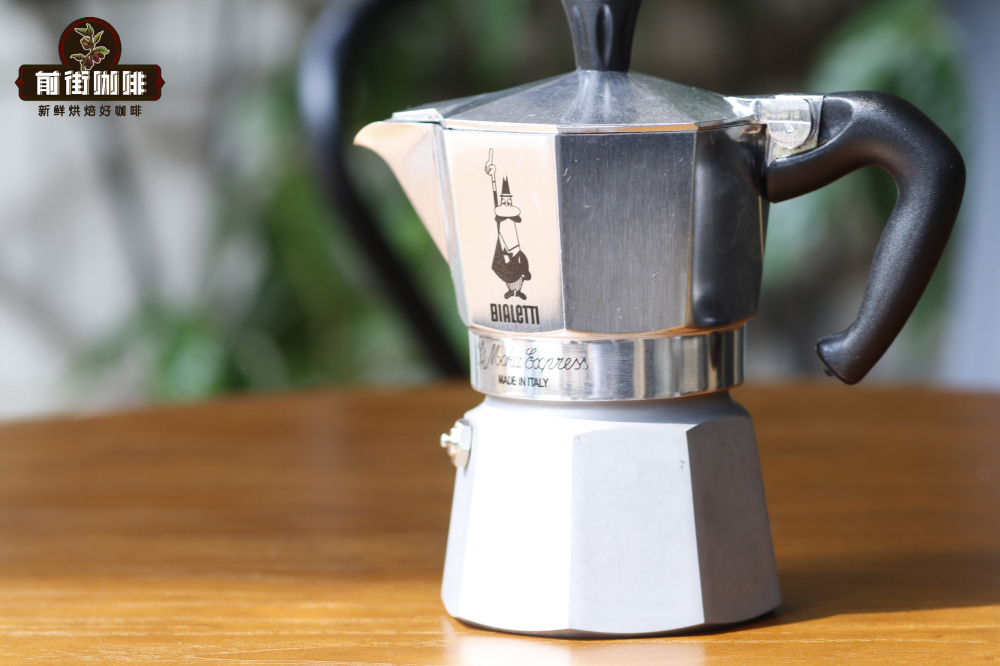
The basic structure of the Moka pot is quite intuitive: water goes in the lower chamber, ground coffee is placed in the middle filter basket, and the upper chamber collects the brewed coffee. When the lower chamber is heated, the water boils and generates steam pressure, which forces the hot water up through a central metal tube, passing through the coffee grounds, and then dripping into the upper chamber to form espresso. This process doesn’t require expensive equipment but can deliver a pressurized extraction effect similar to commercial machines.
It’s worth noting that coffee directly brewed from a Moka pot is usually quite strong in concentration. Drinking it straight may result in an overly intense taste, and the aroma may not fully develop. It’s recommended to dilute the coffee with an appropriate amount of hot water or fresh milk to make a “Moka pot Americano” or “Moka pot latte.” This not only reduces the harshness but also allows for a clearer appreciation of the coffee bean’s layers and sweetness.
In the past, the Moka pot was not widely popular, mainly because it lacked the professionalism of traditional espresso machines, and coffee culture had not yet deeply rooted locally. Early coffee drinkers were mostly from more affluent backgrounds who preferred investing in high-end equipment. However, as more home users emerged—and considering the high cost of espresso machines (professional-grade ones often exceed tens of thousands, while entry-level models still cost several thousand yuan)—the Moka pot, which costs only a few hundred yuan and can deliver around 60–70% of the espresso experience, naturally became the preferred choice for many home coffee enthusiasts.
More importantly, the Moka pot can also brew coffee with crema. With the right beans and techniques, it performs exceptionally well for making milk coffee or even attempting simple latte art.
If you want to use a Moka pot to make a milk-based coffee, the steps are actually not complicated: First, fill the lower chamber with cold water (it’s recommended to avoid using hot water to prevent scalding), place the filter basket into the lower chamber, secure it by hand, and then add an appropriate amount of ground coffee. When filling the coffee, you can create a slight mound in the center with slightly higher grounds, and then tamp down the surrounding areas to fill any gaps. After that, attach the upper chamber and tighten it securely.
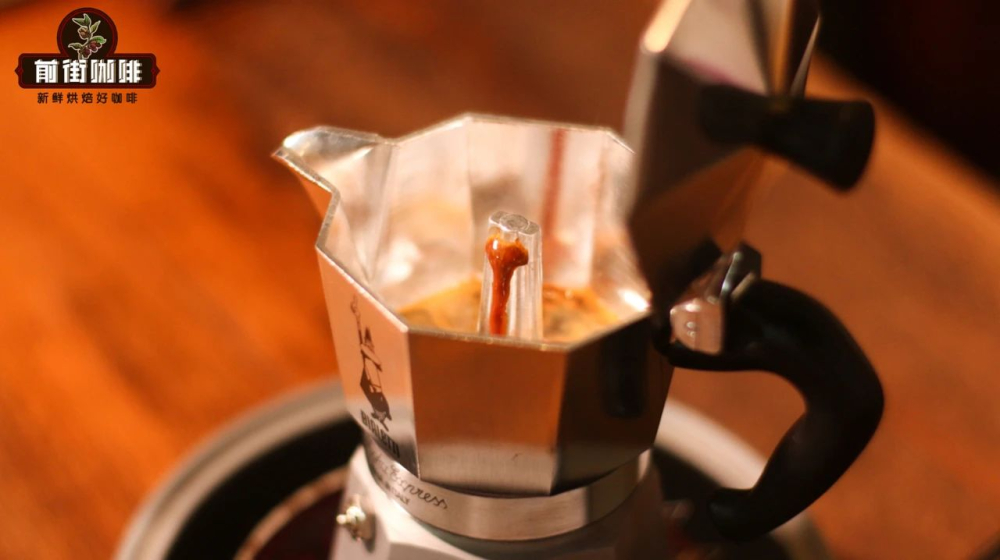
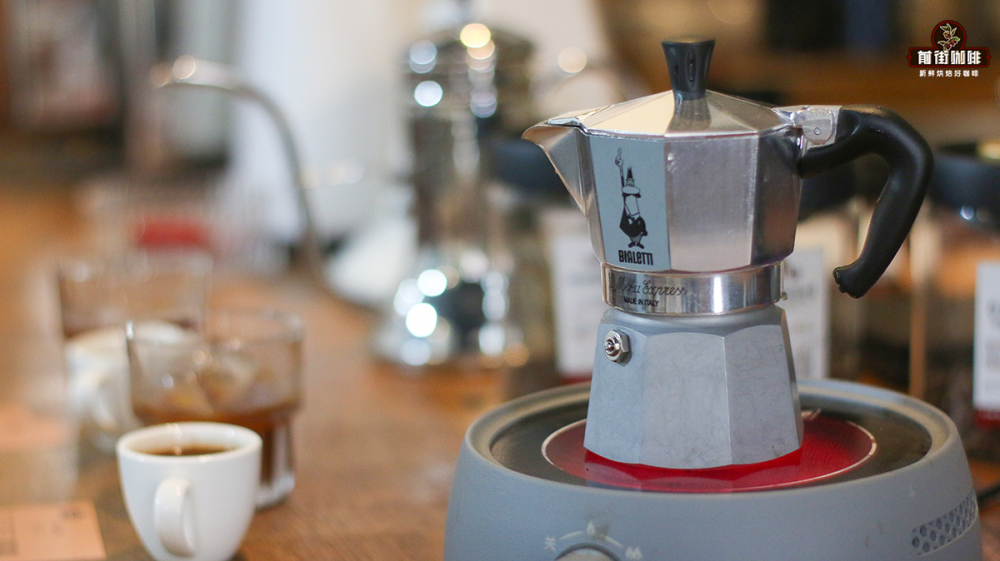
Next, place the assembled Moka pot on an electric stove or gas burner to heat. When you hear a sound similar to “woo woo,” it indicates that the coffee liquid has begun to rise. At this point, you should immediately turn off the heat and wait for the liquid to naturally flow into the upper chamber. The entire process doesn’t require strict timing; generally, when the coffee in the upper chamber reaches about two-thirds of the pot’s capacity—usually around 60 to 100 milliliters—it means the brewing is complete.
The freshly brewed Moka pot coffee will have a layer of golden crema on the surface, but this crema layer often dissipates quickly. It’s recommended to mix it with milk as soon as possible. You can use a French press to heat about 200 milliliters of fresh milk and create fine microfoam, then blend it evenly with the coffee to make a Moka pot latte. It’s important to note that the texture of the milk foam has a greater impact on latte art than the espresso itself. Coffee with crema provides a more stable surface, which is beneficial for creating complex patterns. On the other hand, when the crema is insufficient—such as when attempting detailed patterns like etched designs—it becomes more difficult to achieve.
Although the Moka pot is not difficult to operate, there are still several safety and technical details to pay attention to. For example, the bottom of the lower chamber usually has a pressure relief valve. When adding water, the water level must never exceed the position of the valve, otherwise it will affect the safe pressure release function and increase the risk of the pot exploding. Additionally, observing the flow rate of the coffee liquid can also help determine whether the heat is appropriate: if the liquid sprays out, it usually means the heating is too intense or the water temperature is too high; if the flow is too slow or even stops, it may indicate insufficient heat, so it’s recommended to adjust gradually and maintain a stable heat source.
Moreover, the Moka pot can only brew one serving of coffee at a time, and the actual weight of the brewed liquid is also difficult to control precisely. Therefore, it’s recommended that users focus on the operation and avoid distractions that could lead to over-extraction, resulting in noticeable bitterness in the coffee.
If you want the brewed coffee to have a rich crema layer, choosing freshly roasted medium-to-dark roast beans is key. As the roast level deepens, caramelization reactions occur inside the coffee beans, producing a large amount of gas. These gases are released during the pressurized extraction process, helping to form the coffee crema. It’s worth mentioning that once coffee beans are ground, the gases dissipate quickly over time. Therefore, it’s recommended to use beans that are no more than 5 days post-roast to fully experience the best flavor profile.
The above content is compiled by CoffeeHunters, a coffee news website.


