








Introduction:Understanding the journey of how a cup of coffee is born—from the processing of coffee cherries, the extraction of coffee beans, to the production techniques of instant coffee—each step influences the final flavor. This article provides a detailed breakdown of the three traditional processing methods: washed, natural, and honey process, as well as the three mainstream extraction techniques: drip, pressure, and cold brew. It also delves into the differences between regular instant coffee and freeze-dried coffee, helping you build a comprehensive coffee knowledge system and enhance your tasting experience.
Behind a cup of coffee lies a complete processing chain from coffee fruit to coffee bean, and then to the final beverage. This process can be mainly divided into three parts: first is the method of extracting coffee beans from the coffee fruit, second is the extraction technique that turns coffee beans into liquid coffee, and finally the industrial process that transforms liquid coffee into instant coffee powder. Each stage profoundly affects the flavor expression and taste profile of the coffee.
The common coffee bean processing methods mainly include washed, natural, and honey process. These methods not only vary by region and climate but also directly shape the final aroma and flavor profile of the coffee beans.
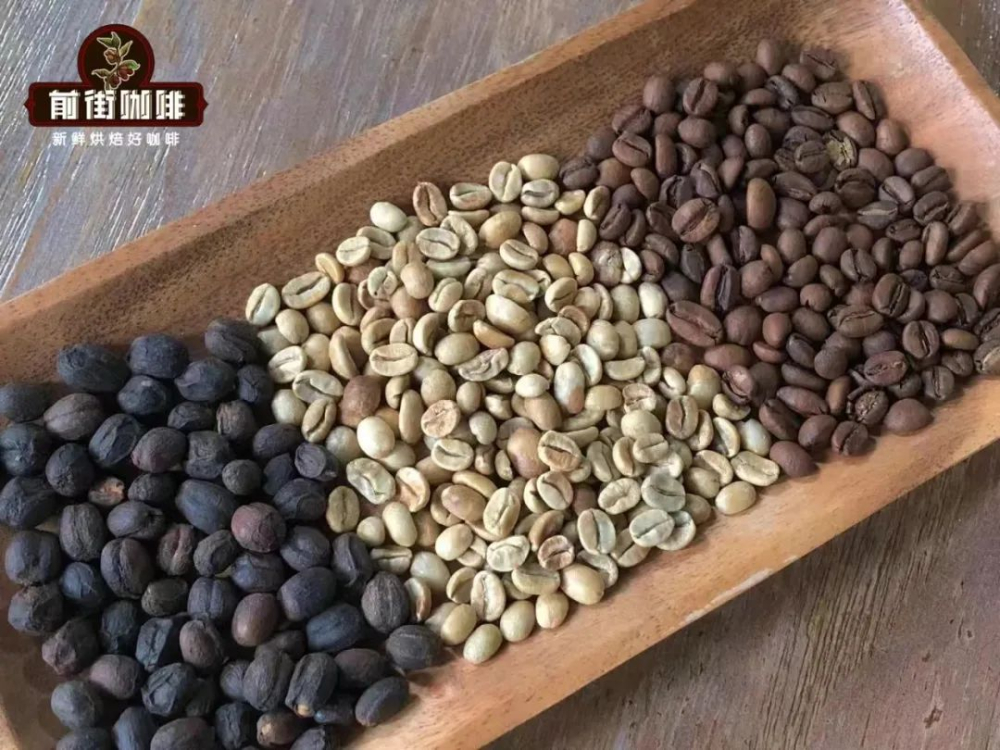
The so-called coffee bean processing method refers to the removal of the outer skin, pulp, and mucilage of the coffee fruit, leaving only the inner seed, which is what we call the coffee bean. There are three widely used traditional processing methods: washed process, natural process, and honey process.
Different regions will choose the most suitable processing method based on local climate conditions, processing equipment, and the characteristics of the coffee variety. Each processing method imparts distinctly different flavor characteristics to the coffee beans, thereby influencing the performance after brewing.
The washed process involves first removing the skin and pulp of the coffee cherry, then placing the mucilage-covered parchment beans into a water tank for fermentation. Fermentation helps break down the mucilage, after which the beans are thoroughly rinsed with clean water. At this point, a clean layer of parchment (i.e., the inner fruit skin) remains on the surface of the coffee bean, which is then sun-dried. Coffee beans processed in this way typically have bright acidity and a clean mouthfeel, clearly expressing the characteristics of the growing region, and are also an important basis for evaluating the original quality of the coffee beans.
In contrast, the natural process involves directly sun-drying the entire coffee fruit. During this process, the sugars in the pulp and mucilage gradually ferment and seep into the bean, imparting a richer sweetness and fuller aroma to the coffee. If the sun-drying process is well controlled, the coffee will exhibit gentle fermentation aromas and distinct sweetness, with a smoother and fuller mouthfeel.
The honey process falls between the washed and natural methods. Its characteristic is that after removing the skin, some or all of the pulp and mucilage are retained before sun-drying. The more mucilage retained, the sweeter and fruitier the final coffee will be, but it also requires stricter control of the drying process to avoid over-fermentation of the sugars, which can lead to defective flavors. Properly executed honey processing can bring out intense fruity notes, with rich flavor layers and a full-bodied mouthfeel.
After understanding the processing methods, the next key step is the transformation of coffee beans into a beverage—extraction. Coffee extraction refers to the process of using water as a solvent to extract the flavor substances from the coffee grounds. The mainstream extraction methods can be divided into three major categories: drip, pressure, and cold brew.
Drip extraction, also known as pour over coffee, involves placing a filter paper into a filter cone and manually pouring hot water to evenly saturate the coffee grounds. This method emphasizes water flow control and coffee-to-water ratio, and can fully showcase the coffee’s balance, with clear flavors and balanced acidity and sweetness. It is the entry choice for many coffee enthusiasts.
Pressure extraction is represented by espresso, which uses high pressure to force hot water through a compact puck of finely ground coffee, extracting a highly concentrated coffee liquid in a short time. This method produces coffee that is bold and rich in crema, often serving as the base for drinks like lattes and cappuccinos. When consumed on its own, it displays strong richness.
Cold brew extraction, also known as cold drip coffee, involves steeping coffee grounds in room temperature or cold water for an extended period, usually refrigerated for 12 to 18 hours. This low-temperature extraction method effectively reduces the release of bitter substances, resulting in a smoother and cleaner coffee taste, suitable for those who prefer a refreshing flavor. However, due to the higher time investment, brewing time needs to be planned in advance.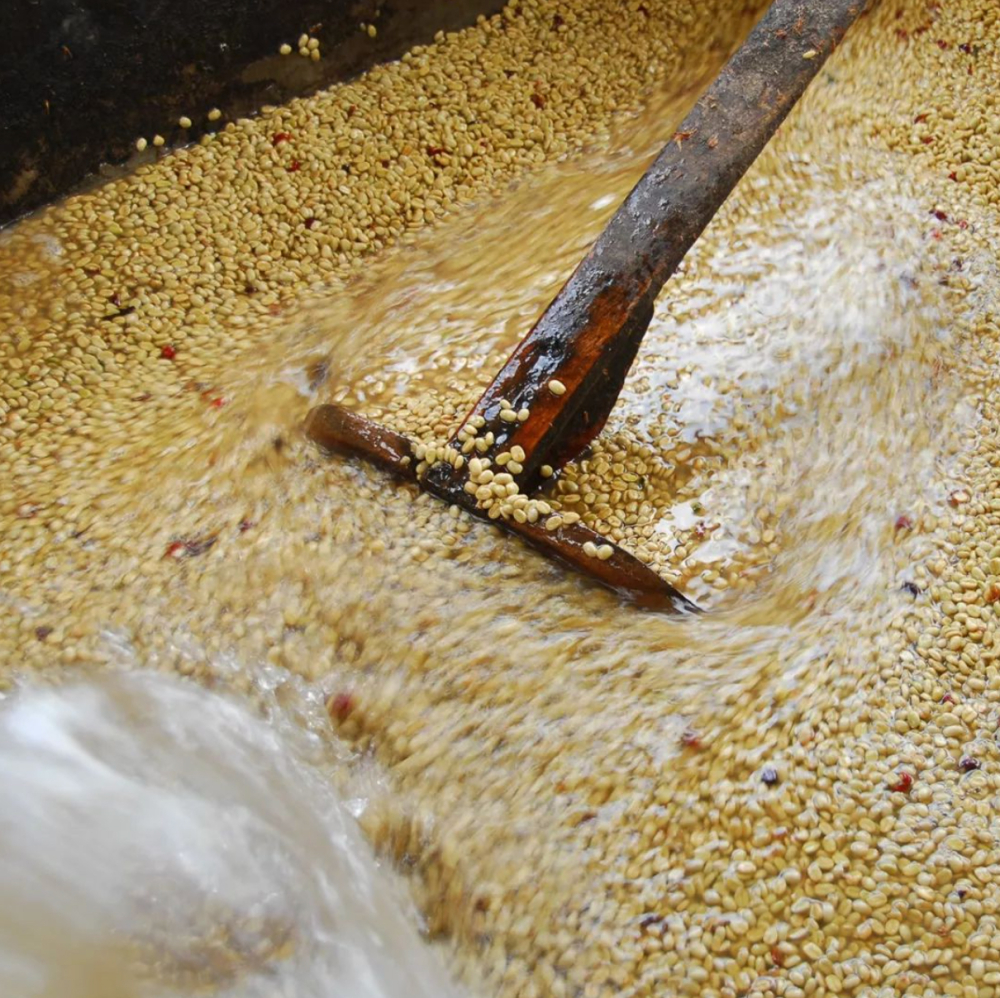
Finally, let’s talk about the industrial process of turning liquid coffee into instant coffee. The commonly available instant coffee on the market can be divided into two main types: traditional hot-air dried instant coffee and freeze-dried coffee, which differ significantly in production process and flavor preservation.
Regular instant coffee is made by evaporating the moisture from the coffee extract, leaving behind dried coffee solids. This form of coffee dissolves quickly, is convenient to carry and store, but has a relatively flat flavor.
Freeze-dried coffee, on the other hand, involves first freezing the concentrated coffee liquid, then using sublimation technology to remove the ice crystals, ultimately forming porous instant coffee granules. This process preserves the original aroma of the coffee more completely, and due to its loose structure, it dissolves quickly in both cold and hot water, allowing for easy control of concentration. It is a balanced choice for those seeking both flavor and convenience.
The above content is compiled by CoffeeHunters, a coffee news website.


