







Introduction:This article selects the representative coffees from the world’s ten most popular specialty coffee regions, including Panamanian Geisha, Jamaican Blue Mountain, and Ethiopian Yirgacheffe. It details the terroir characteristics and flavor profiles of each region. Combining professional pour over experience, it offers recommendations on grind size, water temperature, coffee-to-water ratio, and pouring rhythm tailored to different roast levels, helping coffee enthusiasts accurately reproduce the unique aromatic layers and taste expressions of each bean.
In recent years, Panamanian Geisha and Ethiopian heirloom coffee have continued to gain popularity in the international market. Their bright acidity and complex layers align with the preferences of younger consumers for fresh, light to medium roast styles. Meanwhile, Jamaican Blue Mountain and Sumatran Mandheling maintain their classic status with their rich, full-bodied profiles. This article systematically reviews ten highly sought-after specialty coffee beans, covering benchmark products from representative regions such as Emerald Estate Red Label Geisha, Blue Mountain No.1, and Golden Mandheling. Based on professional pour over practices, it analyzes key parameters such as grind fineness, water temperature control, coffee-to-water ratio, and pouring techniques, helping you consistently highlight the flavor essence of each bean.
The ten most popular coffee regions among global specialty coffee enthusiasts currently include: Panamanian Emerald Estate Red Label Geisha, Jamaican Blue Mountain No.1 from Clifton Estate, Indonesian Sumatra PWN Golden Mandheling, Ethiopian Yirgacheffe Kochere G1 from Guji Cooperative, Sidamo Buku Able washing station’s Huila, Kenyan AA Grade 72-hour washed from Thika’s Assalia Factory, Costa Rican Tarrazú Mirasol Strawberry Sugar, Yunnan Baoshan Red Cherry Natural Catimor, Brazilian Mogiana Queen Estate Yellow Bourbon, and Papua New Guinea Paradise Bird Estate Typica. These beans each possess distinct regional characteristics, showcasing the diverse possibilities of coffee flavors—from tropical fruit notes to nutty and chocolatey aftertastes.
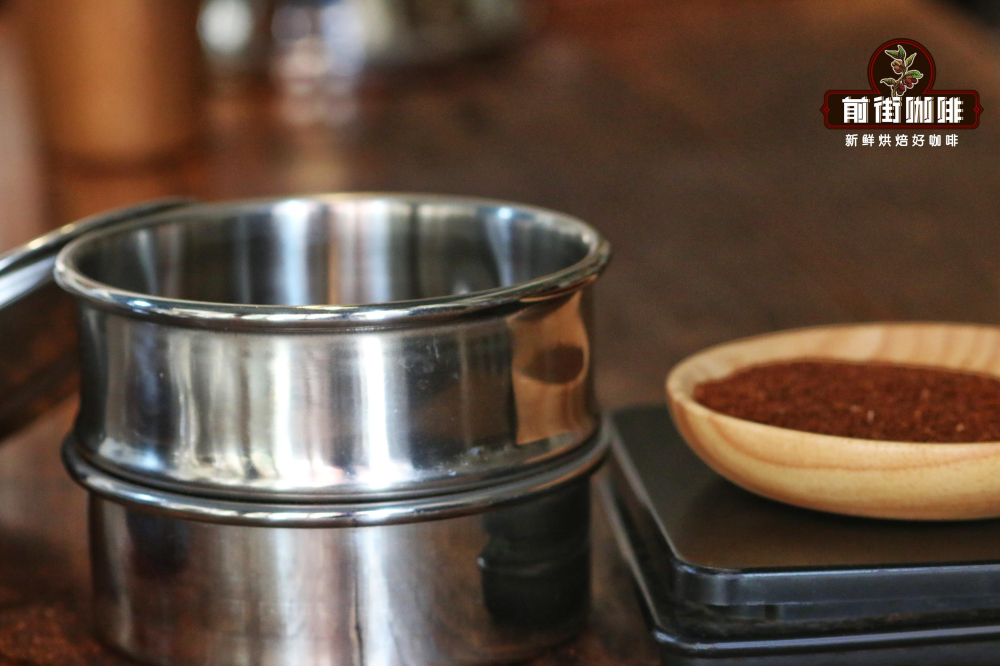
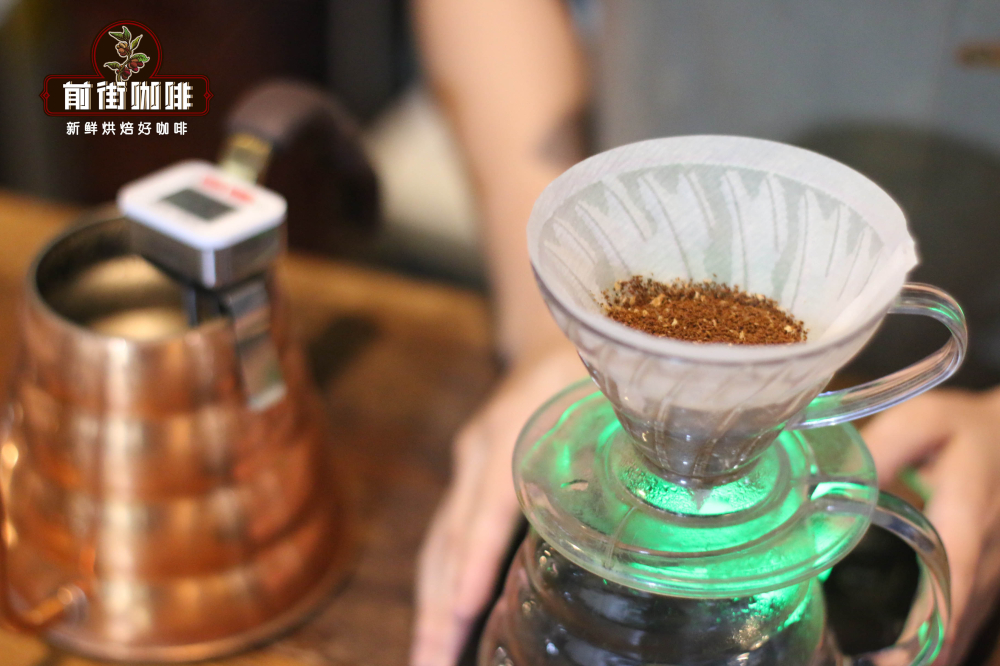
Professional pour over should match the roast characteristics of the beans: For light to medium roasts (such as Geisha and Yirgacheffe), a medium-fine grind (similar to fine sugar granules, 75%-80% passing through a #20 sieve) is recommended, with water temperature controlled at 90-91°C to fully bring out floral and fruity acidity. For medium-dark to dark roasts (such as Mandheling and Brazilian Yellow Bourbon), a medium-coarse grind (close to coarse sugar, 65%-70% passing through a #20 sieve) is suitable, with water temperature reduced to 88-89°C to avoid bitterness caused by over-extraction. The ribbed design of the filter cone effectively guides water to evenly penetrate the coffee bed. It is recommended to pre-wet a fan-shaped filter paper to reduce paper taste interference.
Standard pour over recommendation: Use 15 grams of freshly roasted coffee grounds (recommended for use within 5 days post-roast), and pour approximately 225 grams of water at around 90°C at a 1:15 coffee-to-water ratio. The pouring rhythm is divided into three stages—first, pour 30 grams of water for a 30-second bloom to awaken the aroma; second, pour 95 grams in a circular motion (totaling about 125 grams) by around the 1-minute mark; when the water level drops to two-thirds of the coffee bed, pour the remaining 100 grams (totaling 225 grams) until 1 minute and 35 seconds; the total dripping time should be controlled between 2 minutes 00 seconds and 2 minutes 10 seconds. This parameter is suitable for most single-origin beans and can be slightly adjusted in grind size or water temperature based on actual flavor feedback.
The following is a detailed breakdown of representative regional beans:
Panamanian Emerald Estate Red Label Geisha is grown in the Jaramillo Mario plot in the Boquete region, at an altitude of 1700 meters. The natural processing gives it a complex juice-like profile—bright citrus acidity jumps on the palate, accompanied by rose floral notes and honey sweetness, with a tea-like soft finish.
Jamaican Blue Mountain No.1 comes from the Clifton Estate in the Blue Mountains, grown at an altitude of 1310 meters (note: the original 13100m is likely a typo). The washed Typica variety exhibits a classic balanced style: gentle citrus acidity intertwines with black chocolate aroma, featuring a smooth and easy-drinking nutty-creamy texture.
Indonesian PWN Golden Mandheling is produced in Aceh, Sumatra, at an altitude of 1100-1600 meters. G1 grade beans undergo triple hand-picking to ensure cleanliness. The wet-hulled process creates a unique herbal-spicy foundation, with black chocolate and caramel aromas underpinned by a warm nutty tone.
Ethiopian Yirgacheffe Kochere G1 from the Guji Cooperative is planted at an altitude of 2000-2100 meters. Washed processing highlights the traits of the heirloom variety: vibrant citrus acidity, distinct berry sweetness, and layered green tea aftertaste.
Sidamo Huila from the Buku Able washing station in the Guji region is grown at an altitude of 2250-2350 meters. Natural processing releases intense berry fermentation aromas, with a vivid combination of strawberry sweetness and jackfruit notes, forming a distinctive tropical flavor profile.
Kenyan AA Grade 72-hour washed beans come from the Assalia washing station in the Thika region, at an altitude of 1550-1750 meters. The SL28 and SL34 varieties, processed with a special fermentation method, exhibit bright tomato and dark plum acidity, paired with prominent brown sugar sweetness.
Costa Rican Strawberry Sugar is a masterpiece of the Mirasol honey process from the Mirasol Estate in the Tarrazú region, grown at an altitude of 1700 meters. It delivers bright strawberry hard candy aromas from the Geisha hybrid, with layered raisin fermentation notes interwoven with rose floral tones.
Yunnan Baoshan small-bean lot uses the whole red cherry natural Catimor variety, grown at an altitude of 1450-1550 meters, resulting in a balance of red berry tartness and sweetness with rich black chocolate, enhanced by roasted nuts and caramel notes for added complexity.
Brazilian Queen Estate Yellow Bourbon is cultivated in the Mogiana region at an altitude of 1400-1950 meters. Semi-washed processing highlights a nutty-creamy foundation, with a silky peanut butter-like texture accompanied by fermented fruit aftertaste.
Papua New Guinea Paradise Bird is a washed Typica representative from the Paradise Bird Estate, grown at an altitude of 1500 meters. It presents clean citrus acidity, with toasted bread aroma and sugarcane sweetness culminating in a subtle white tea-like aftertaste.
By mastering the correspondence between regional characteristics and brewing parameters, and using freshly roasted beans (recommended for consumption within 7-21 days post-roast), you can explore the subtle differences in global coffee terroirs through the pour over method.
The above content is compiled by CoffeeHunters, a coffee news website.


