







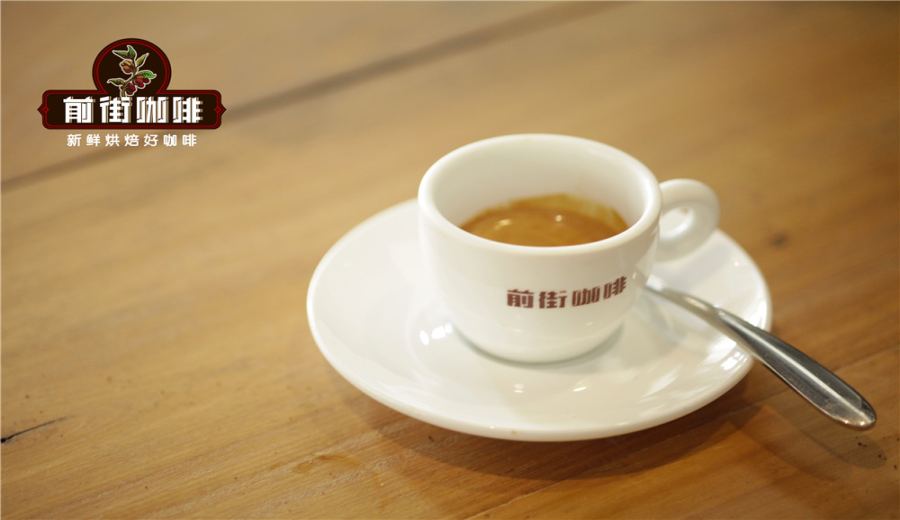
Introduction:Americano is not just espresso with water added—its preparation methods are diverse, ranging from drip black coffee to espresso diluted with water, and practices vary across regions. This article delves into the origins of Americano, common brewing methods, how different roast levels influence flavor, and provides practical brewing parameters for both hot and iced Americano to help you find the cup that best suits your taste.
Though seemingly simple, Americano actually embodies a rich coffee culture and brewing technique. It can be a pure black coffee extracted by a drip coffee machine or made by mixing espresso with hot or cold water. From the historical anecdote of American soldiers diluting espresso with warm water during World War II to today’s global popularity driven by international chains like Starbucks, Americano has become an important benchmark for evaluating a barista’s extraction skills. This article will detail the definition, historical background, and subtle differences in regional practices of Americano, along with practical parameters and recommendations. Whether you prefer the bright fruity notes of a light roast, the balanced body of a medium roast, or the bold chocolate tones of a dark roast, you’ll find guidance here.
Origins and Definition: More Than Just Adding Water
Americano (English: Americano, Italian: Caffè Americano) is not a single method but a category of coffee drinks prepared in various ways. The most common is adding hot water to espresso, creating a beverage with a ratio of about 1:6 to 1:8; it can also be presented as black coffee brewed directly with a drip coffee machine. Due to the longer brewing time, its flavor is usually lighter, but the caffeine content is relatively higher, making its energizing effect more pronounced.

Historical Background: From Battlefield to Global Popularity
The legend of Americano’s origin is closely tied to World War II. At the time, American soldiers stationed in Southern Europe found strong espresso hard to drink, so they added warm water to dilute it, creating a coffee beverage closer to the flavors they were used to back home. This drinking method gradually spread and was named “Americano” because of the American soldiers. In addition, traditional American households commonly used drip coffee machines, which also indirectly contributed to drip-brewed black coffee being regarded as another representative form of Americano. It wasn’t until the rise of brands like Starbucks that this water-added brewing style truly went global.
Regional Differences: Unique Drinking Styles Around the World
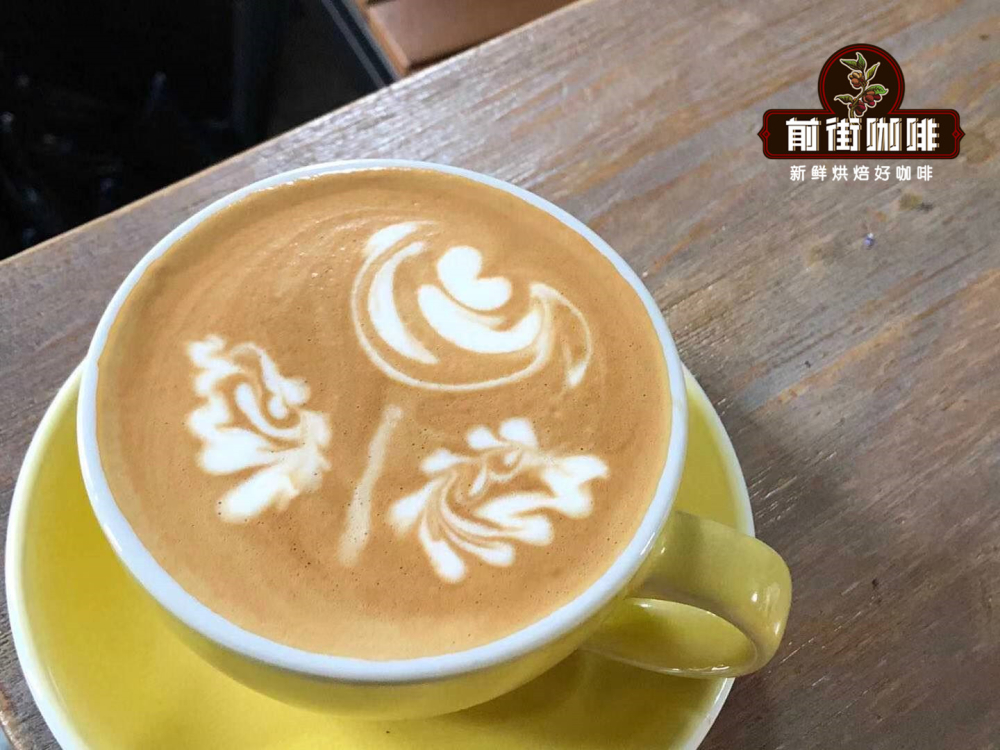
In Italy, Caffè Americano refers to coffee made by adding hot water to espresso; whereas in New Zealand and Australia, a similar preparation is called “Long Black,” where hot water is poured first, followed by espresso, thereby preserving more of the crema layer. These subtle differences reflect varying local drinking habits and cultures, reminding us that coffee under the same name may carry entirely different brewing philosophies.
Composition and Technique: Simplicity with Substance
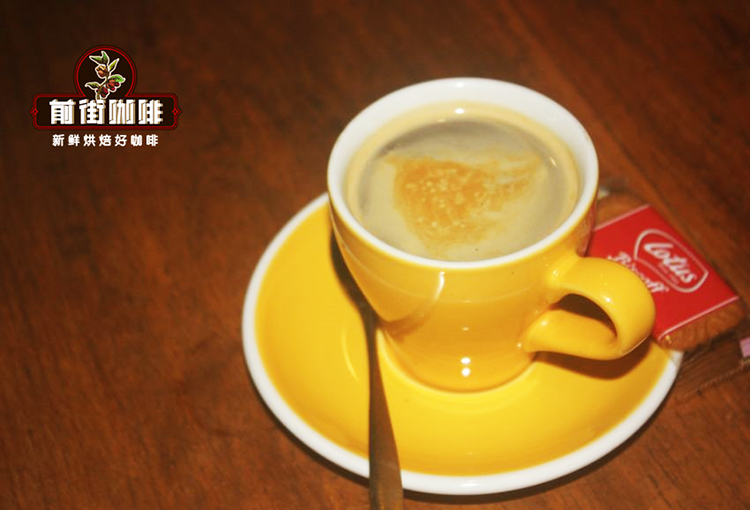
The basic components of Americano are simply two: espresso and water; iced Americano additionally includes ice cubes. However, this seemingly simple combination is highly demanding on a barista’s extraction skills. Compared to milk-based coffees like lattes, Americano more directly reflects the inherent flavor characteristics of the coffee beans, making it an excellent medium for evaluating bean quality and roast level. For consumers seeking pure flavor, ordering an Americano is often a quick way to judge the standard of a café.
Roast Flavor: Each Roast Level Has Its Own Charm
The flavor profile of Americano is greatly influenced by the roast level of the coffee beans used. Light roasts typically feature prominent floral and fruity aromas, such as the fresh notes of strawberry, citrus, or passion fruit; medium roasts emphasize balance, often showcasing nuttiness, cocoa, and soft floral tones; dark roasts are dominated by intense chocolate and caramel notes, catering to those who enjoy a bold, rich mouthfeel. The currently popular SOE (Single Origin Espresso) Americano also allows consumers to focus more on the unique flavor expressions of specific growing regions.
Practical Parameters: Brewing Recommendations for Hot and Iced Americano
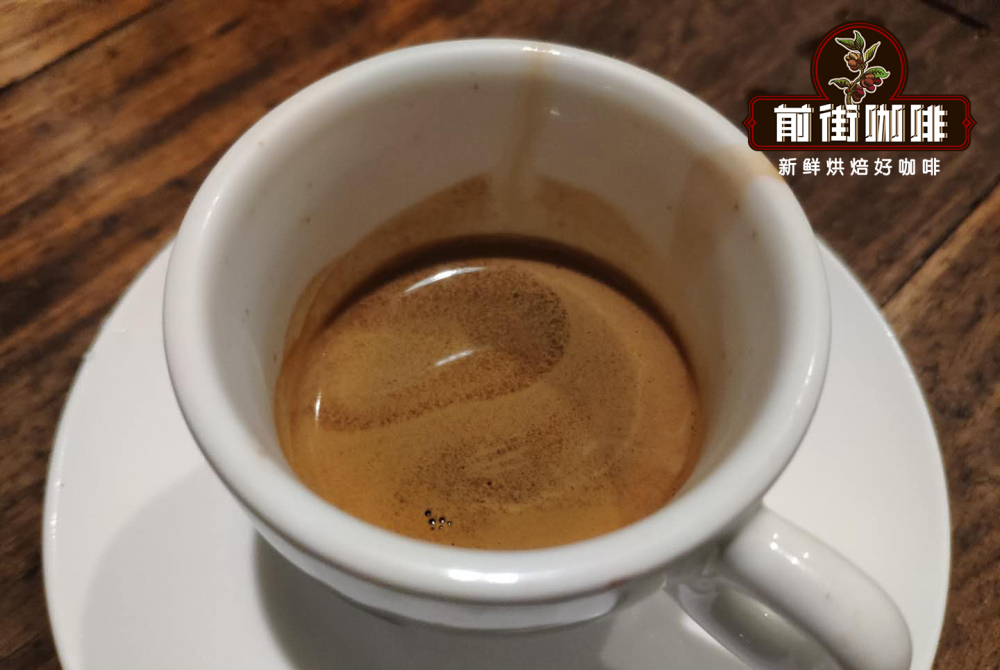
In practice, the brewing ratio and steps for Americano are crucial. Taking the Warm Sun Blend as an example, it is recommended to use 20 grams of coffee beans to extract 40 grams of espresso, with a time control between 27 to 28 seconds to fully bring out the flavor layers. When making hot Americano, the ratio is usually set at 1:6, meaning 40 grams of coffee liquid to 240 grams of hot water, which can be slightly adjusted according to personal taste. As for iced Americano, a 1:7 ratio is suggested, mixing 40 grams of coffee liquid with 280 grams of iced water (including about 180 grams of ice and 100 grams of cold water) to maintain optimal taste and flavor balance.

Tips: Freshness and Storage Recommendations
Whether brewing Americano or other types of coffee, the freshness of the beans is key. It is recommended to choose coffee beans roasted within 5 days, and allow the beans to rest for 4 to 7 days after opening to complete the degassing period, when the flavors are most vibrant. If grinding is necessary, grind just before brewing to avoid oxidation affecting the flavor. Once coffee is ground, the rate of flavor loss accelerates significantly, so it is best to use it as soon as possible for the optimal experience.
The above content is compiled by CoffeeHunters, a coffee news website.


