








Introduction:True coffee appreciation is not just about drinking, but engaging your sense of smell, taste, and touch to deeply experience the multi-layered flavors of a cup of coffee. This article systematically introduces the complete tasting process—from aroma sniffing and slurping to temperature changes—and refers to international cupping standards to analyze the judgment and description methods of eight key dimensions: aroma, cleanliness, sweetness, acidity, mouthfeel, flavor, aftertaste, and balance. It helps beginners build a systematic mindset and advanced enthusiasts improve their expressive and appreciative abilities.
Drinking coffee and appreciating coffee are fundamentally different experiences. If you want to go beyond simply drinking and advance to being able to delicately discern and describe the unique qualities of a cup of coffee, you must learn to engage your entire sensory system. Professional tasting is not just about "drinking it down," but comprehensively grasping the three-dimensional profile of the coffee—from the dry aroma released after grinding, the wet aroma that emerges after pouring water, to the changes in aroma and taste at high and low temperatures.
Tasting a cup of coffee can be divided into two core aspects: the specific tasting process and the dimensions from which to analyze it. Many people mistakenly think that "flavor" is the same as "taste," but in fact, flavor encompasses three aspects: smell, taste, and touch. Therefore, tasting is not just the work of the taste buds, but also involves the overall sensations in the nasal cavity and mouth.
First comes the dry aroma stage, which is the scent emitted by coffee grounds before water is poured. At this point, bringing your nose close to freshly ground coffee allows you to capture a wealth of volatile aromatic compounds. These dry aromas often differ from the final flavors after brewing, so once the coffee liquid has been extracted and poured into the cup, you should smell it again—this is called the wet aroma, and it’s an important step in understanding the aroma profile of a cup of coffee.
When entering the actual tasting phase, many seasoned coffee enthusiasts adopt the “slurping” method, which involves drawing a small amount of coffee liquid into the mouth to aerosolize it and make contact with the palate and the olfactory receptors at the back of the nasal cavity, thus capturing more detailed flavor nuances. It is recommended to taste the same cup of coffee at different temperatures—flavors are usually more vivid at high temperatures, while lower temperatures may highlight changes in sweetness or acidity. A full tasting session often takes more than ten minutes to observe the overall performance changes of the coffee as it cools.
To describe a coffee’s characteristics more precisely, you can refer to the internationally recognized COE (Cup of Excellence) cupping scoring system, which evaluates based on eight main dimensions: aroma, cleanliness, sweetness, acidity, mouthfeel, flavor, aftertaste, and balance.
Aroma is the first impression a cup of coffee gives, and it’s also a major reason many people are drawn into the world of coffee. Aroma is divided into dry aroma and wet aroma—the former comes from freshly ground coffee, and the latter is the scent released after brewing. Some coffees from specific regions or processed by particular methods have highly distinctive aromatic features. For example, certain Geisha varieties exhibit delicate floral notes, while some naturally processed beans may emit rich berry or fermentation aromas.
Cleanliness refers to whether the coffee has any off-flavors or unpleasant characteristics. A coffee with high cleanliness should not exhibit negative attributes such as earthiness, medicinal notes, rubberiness, onion-like flavors, or fishiness. If these tastes appear, it often indicates issues in the coffee's cultivation, processing, or storage.
Sweetness is a dimension that many coffee lovers pay special attention to and is also an important factor influencing overall scores. Good sweetness not only enhances smoothness but also harmonizes acidity and bitterness. Sweetness can be further categorized into fruit sweetness, honey sweetness, caramel sweetness, etc. Its intensity and texture are influenced by a combination of factors including variety, processing method, roast level, and brewing technique.
Acidity is not just about "how sour" it is, but also includes the quality, brightness, and persistence of the acid. For example, some Ethiopian coffees may display a bright citrus acidity, while Kenyan beans often showcase vibrant berry acidity. It’s worth noting that not all acids are good—sharp acetic or fermented sourness is generally considered negative.
Mouthfeel belongs to the tactile aspect and describes the “weight” or “body” of the coffee in the mouth, often referred to simply as body. This is different from concentration, which refers to the amount of dissolved solids in the water. Body is the texture sensation brought by oils, fibers, and other suspended particles in the coffee liquid. You can use the differences in smoothness and richness between water, whole milk, and light cream as analogies.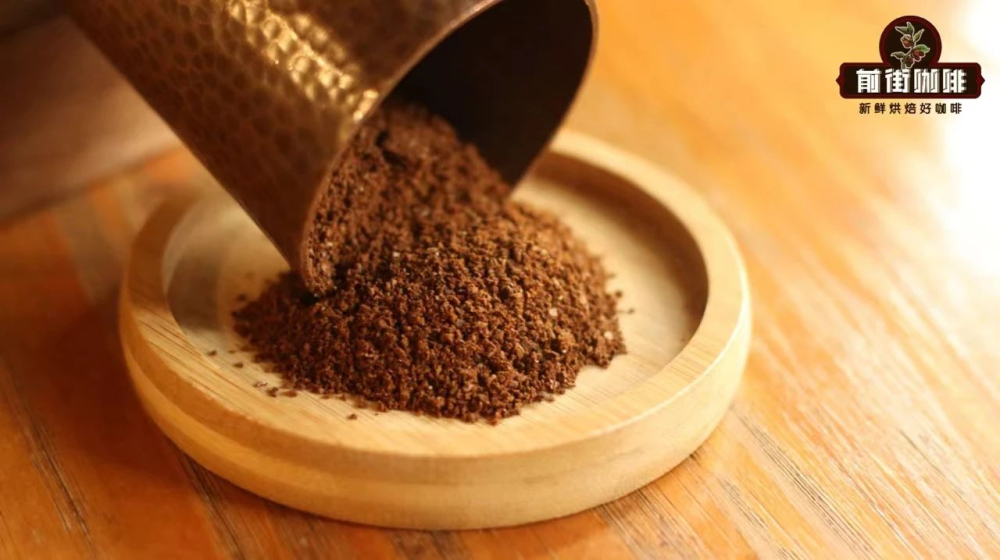
Flavor is the overall sensation resulting from the combination of smell and taste, and it is the core of describing a coffee’s character and uniqueness. Common descriptors such as lemon (bright and zesty), cocoa (rich and slightly bitter), and caramel (sweet and warm) are methods to reinforce flavor memory through association. It’s recommended to try beans from different regions and with different processing methods to build a flavor map and enhance identification and expression skills.
Aftertaste refers to the lingering aromas and tastes that remain in the mouth after swallowing or spitting out the coffee. High-quality coffee often has a long-lasting positive aftertaste, such as delicate floral notes, fresh tea-like sensations, or gentle sweetness. If the aftertaste is short-lived or has unpleasant qualities, it may negatively impact the overall evaluation.
Finally,Balance is the key to determining whether a cup of coffee is harmonious. The ideal coffee should avoid overemphasizing any single trait, such as being overly acidic, bitter, or thin. A balanced coffee achieves good harmony among sweetness, acidity, bitterness, aroma, and body, delivering a smooth and layered drinking experience.
The above content is compiled by CoffeeHunters, a coffee news website.


