







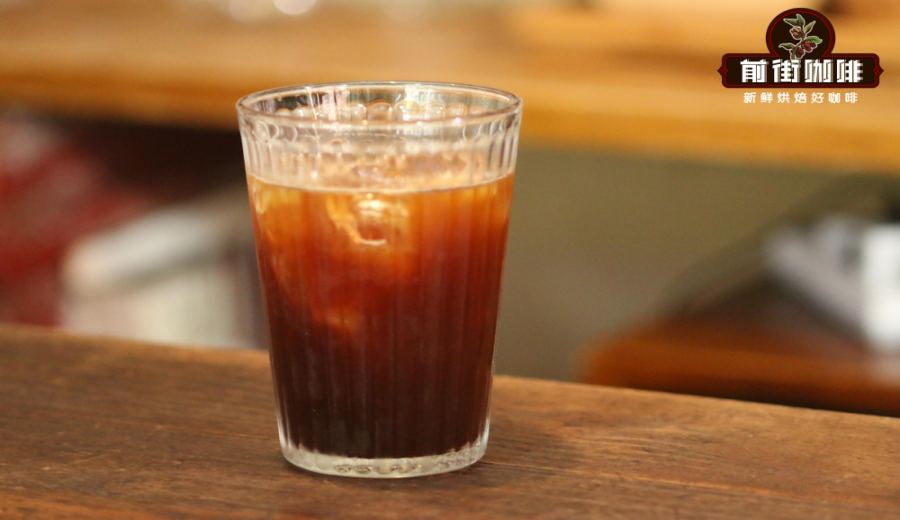
Introduction:Many office workers are accustomed to relying on an iced Americano each day to stay alert, which may lead to concerns about developing a dependence or even addiction to caffeine. This article delves into whether drinking Americanos can truly lead to addiction, analyzes the safe daily caffeine intake range, and details the standard brewing process and flavor adjustment techniques for Americanos—helping you enjoy this classic black coffee more scientifically and comfortably.
In the fast-paced modern lifestyle, many office workers or students start their day with an iced Americano. Over time, if they skip it one day and feel mentally sluggish, they might wonder: am I addicted to coffee? In reality, most people’s reliance on coffee is largely psychological—a sense of wakefulness and satisfaction derived from caffeine and daily ritual—rather than a true physiological addiction.
True caffeine addiction typically triggers noticeable withdrawal symptoms after extended periods without intake, including severe headaches, low mood, stomach discomfort, difficulty concentrating, and other physical and mental reactions. If you only drink one or two cups a day regularly, it generally won’t lead to serious dependence, but it’s still recommended to moderate intake to avoid long-term overconsumption.
So, does drinking Americanos every day really lead to addiction? According to medical research, if daily caffeine intake is kept below400 milligrams, it generally won’t cause addiction issues in the long run. It’s important to note that caffeine isn’t found only in coffee—it’s also present in tea, cola, energy drinks, and certain chocolates, especially some functional energy beverages, which may contain quite high levels of caffeine.
Taking the typical Americano served at most coffee shops as an example, it uses an espresso base extracted from about19 grams of Arabica coffee beans, then diluted with hot water. Each cup contains approximatelyaround 130 milligrams of caffeine. In other words, drinking one or two cups a day usually remains within the safe intake range and is unlikely to easily trigger addictive reactions.
Next, let’s take a deeper look at how Americanos are made. The basic definition of an Americano is diluting a shot of espresso with hot water, making it a black coffee whose strength can be adjusted according to personal taste. This method retains the aroma and core flavors of espresso while reducing overall intensity through dilution, making it more suitable for daily consumption.
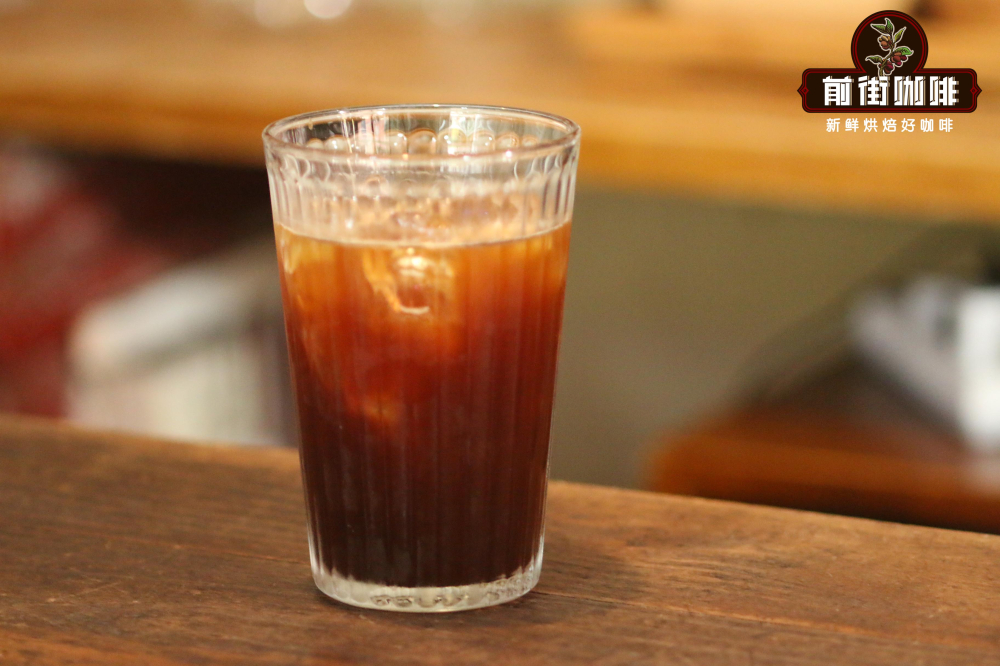
In specialty coffee shops, Americanos are usually made with medium-dark roasted blends, aiming to deliver a rich and balanced flavor profile under high-temperature, fast extraction, and to maintain a full-bodied base even after dilution. Blending beans from different regions also helps ensure more consistent and stable flavor expression in each cup.

For example, some shops use their own house-blended beans, such as combining70% Honduran Sherry coffee beanswith30% Ethiopian Yirgacheffe Natural Red Cherry. The former contributes a full body and dark berry notes, while the latter adds bright citrus acidity and floral aromas, enriching the overall flavor layers. For extraction, it’s generally recommended to use20 grams of coffee groundsto produce40 grams of espresso, with total extraction time controlled between28 to 32 secondsto achieve a balanced and intense coffee base.
This blend usually exhibits whiskey-like winey notes, soft berry acidity, vanilla cream sweetness, and delicate nutty and caramel undertones. The overall flavor is not overly intense, so shops often use a1:6 coffee-to-water ratiofor dilution—adding roughly 120 milliliters of hot water to one shot of espresso—resulting in a final Americano volume of about240 milliliters, ideal for sipping throughout the day.
Overall, enjoying Americanos in moderation not only boosts energy but also allows you to savor the coffee’s multi-layered flavors. As long as your daily caffeine intake stays under 400 milligrams and you adjust based on your individual response, you can healthily and happily enjoy this classic beverage. If you find yourself strongly dependent on caffeine or experiencing withdrawal discomfort, it’s advisable to adjust gradually and seek professional advice if necessary—rather than quitting abruptly, which could worsen physical discomfort.
The above content is compiled by CoffeeHunters, a coffee news website.


