







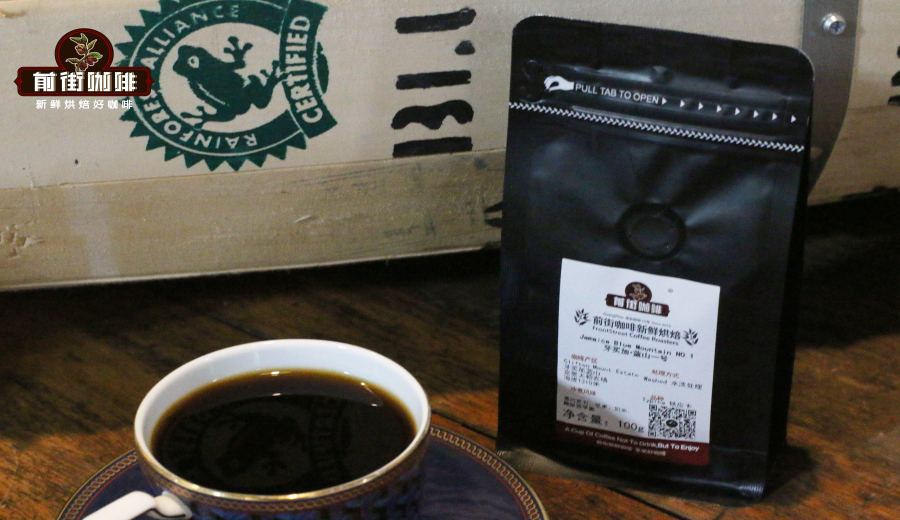
Introduction:Jamaican Blue Mountain coffee is hailed as the pinnacle of the coffee world for its rich and balanced flavor, yet genuine beans are rare and the market is flooded with imitations. This article delves into the key points for identifying Blue Mountain No. 1, explores its green bean characteristics and roast flavors, and provides expert-level pour-over recommendations—including grind size, water temperature, filter choice, and brewing techniques—to help you fully showcase the chocolate, hazelnut, and creamy aromas of Blue Mountain coffee.
Jamaican Blue Mountain coffee is a legend among coffee lovers worldwide, renowned for its perfect harmony of acidity, sweetness, bitterness, and body. However, the actual coffee beans grown in the Blue Mountains of Jamaica have an annual production of only about 900 tons, making them extremely precious and leading to numerous products on the market that claim to be “Blue Mountain” but fall far short. This article will start with identifying Blue Mountain No. 1, then deeply analyze its green bean features and roast profiles, and provide a detailed introduction to key extraction parameters during the pour-over process—including grind coarseness, water temperature control, filter selection, and pouring techniques. Whether you’re tasting it for the first time or aiming to improve your pour-over skills, you’ll find practical guidance here.
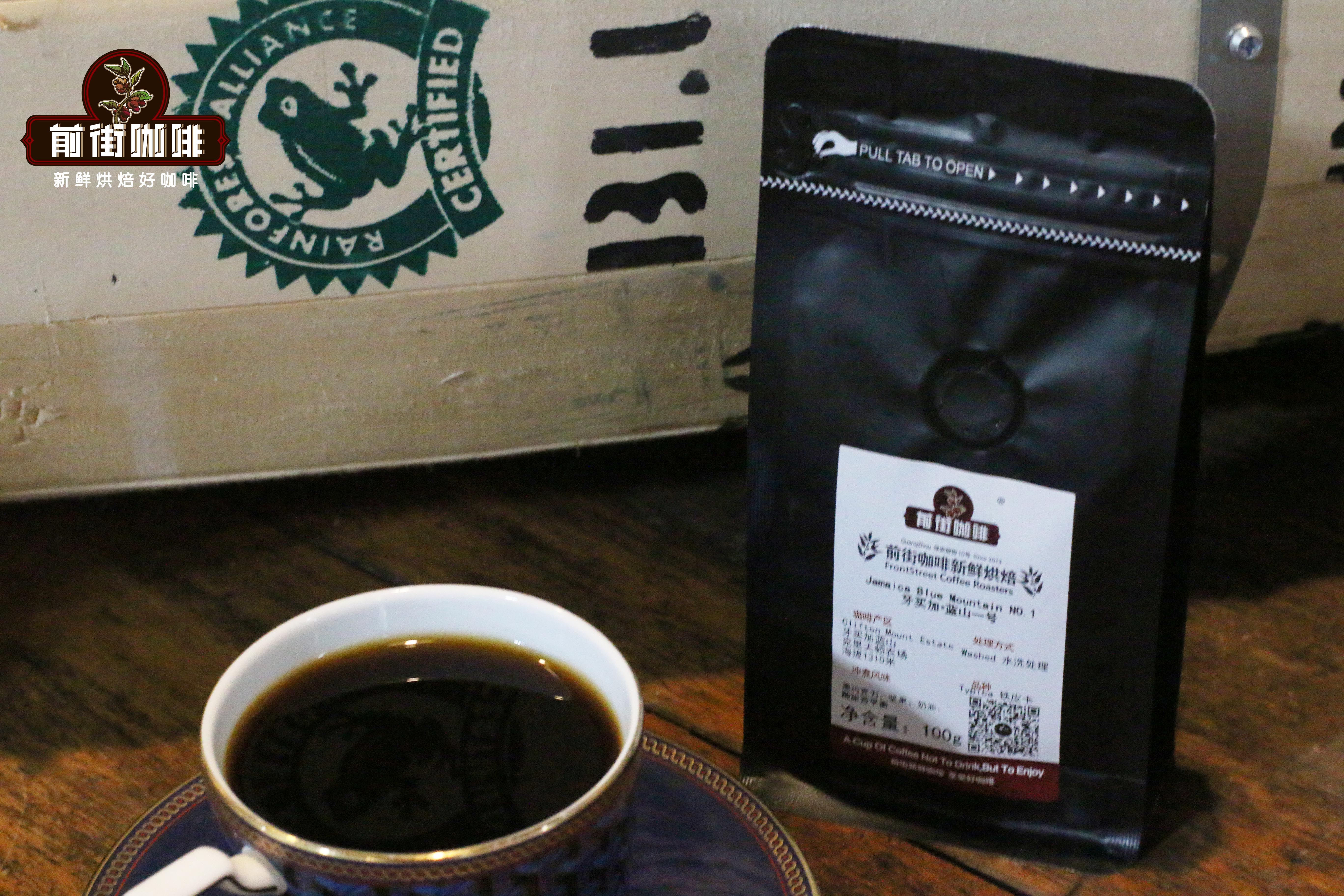 The fame of Blue Mountain coffee was established long before the rise of specialty coffee trends, and even those who rarely drink coffee have likely heard of it. Authentic Jamaican Blue Mountain No. 1 combines a rich mouthfeel, captivating aroma, moderate acidity, and soft aftertaste into a single cup, with delicate and layered flavors. Faced with such high-quality coffee, how can you fully present its unique characteristics through pour-over? We’ll start from the source of the beans and break down the extraction secrets step by step.
First and foremost, selecting genuine Jamaican Blue Mountain coffee is crucial. Many consumers’ biggest concern when purchasing is buying counterfeit products, and this worry is entirely reasonable. True Blue Mountain coffee is grown only in the highlands of the Jamaican Blue Mountains at elevations between 910 and 1,700 meters. Due to the rugged terrain and high labor costs, its annual production is extremely limited, and even more scarce after global distribution, which keeps prices high. The so-called “Blue Mountain blends” or “Blue Mountain-flavored” coffees commonly found on e-commerce platforms are mostly just marketing terms and have nothing to do with authentic Blue Mountain. If you encounter “Blue Mountain beans” priced too low—just a few dozen yuan per pack—they are almost certainly not genuine. As a market reference, a 100-gram pack of Blue Mountain No. 1 is typically sold at a legitimate price of 158 yuan.
According to Jamaica’s Coffee Industry Regulation Act, only coffee grown in designated areas of the Blue Mountain range, at the specified elevations, and cultivated from the Typica variety can be called “Jamaica Blue Mountain (Jamaica Blue Mountain).” Additionally, the Jamaica Coffee Industry Board (CIB) has a strict grading system that categorizes Blue Mountain coffee into four grades: No. 1, No. 2, No. 3, and Peaberry. Among these, Blue Mountain No. 1 is the highest grade, requiring its green beans to have a screen size of 18 or above, a defect rate no higher than 2%, a moisture content maintained between 10% and 12.5%, and to demonstrate a well-balanced harmony of acidity, sweetness, bitterness, body, and aroma in cupping. These stringent criteria make qualifying Blue Mountain No. 1 extremely rare.
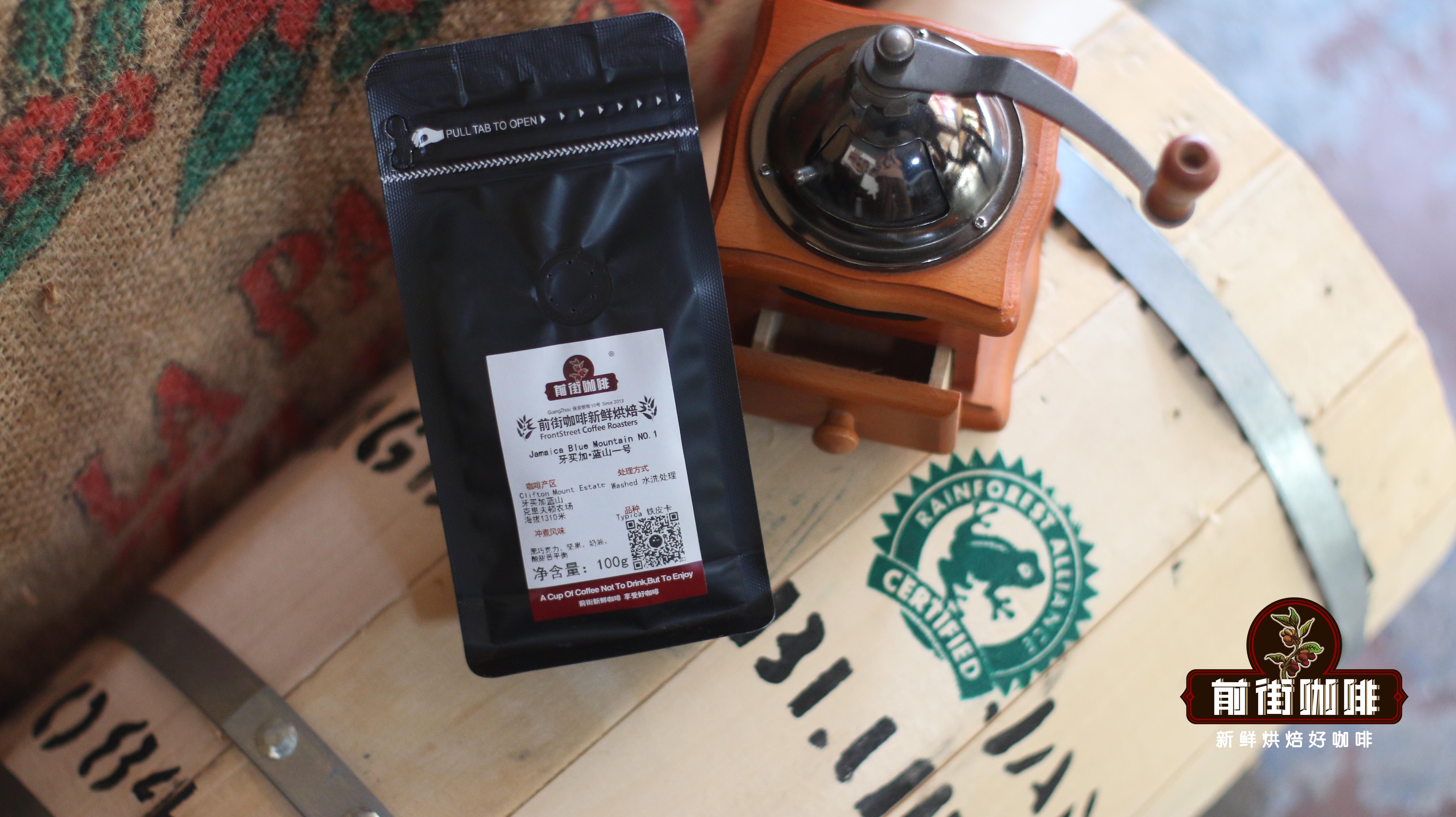 The Blue Mountain No. 1 green beans used here are packaged in traditional wooden barrels, a stark contrast to the burlap sacks commonly used in other coffee-growing regions. Wooden barrels effectively regulate internal and external humidity, prevent aroma loss, and help maintain stable bean moisture content, further ensuring consistent roasting performance. Upon opening the barrel, you’re greeted by a rich and robust aroma of chocolate and roasted hazelnuts, far surpassing that of ordinary dark roast blends. In terms of flavor, Blue Mountain No. 1 exhibits an exceptional balance between acidity, sweetness, bitterness, body, and aroma, with no single characteristic dominating, resulting in a full-bodied mouthfeel with a moderate touch of sweetness.
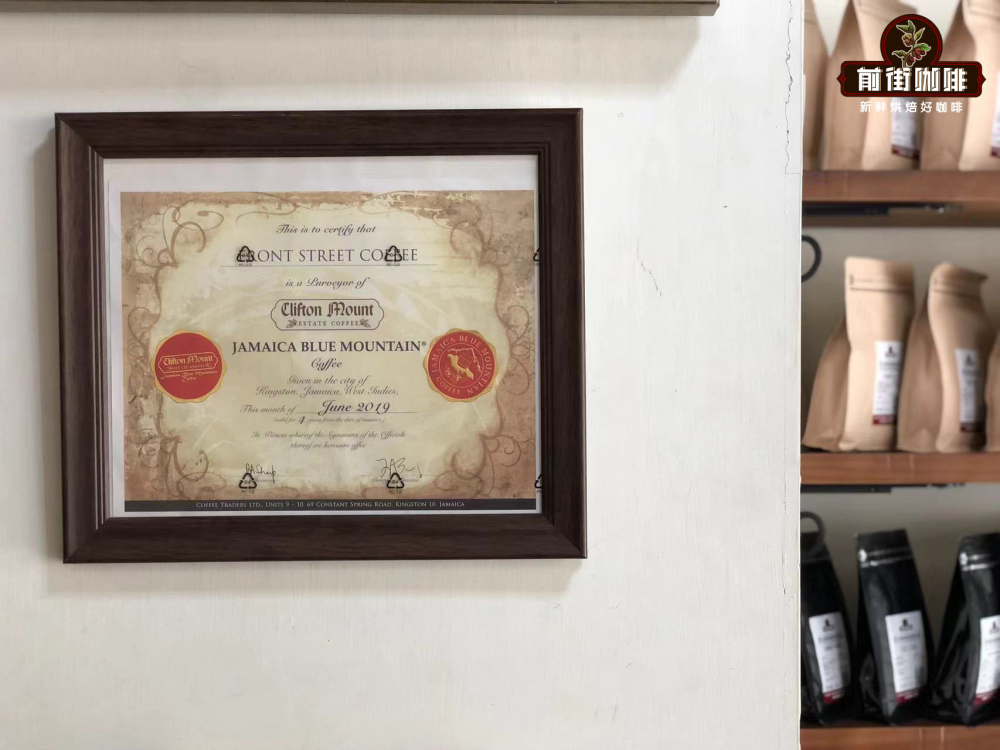
If the above characteristics still leave you unconvinced, it’s recommended to request relevant certificates and the original wooden barrels from the seller. In fact, Jamaican Blue Mountain is the only producing region in the world that ships green beans in wooden barrels. Authentic Blue Mountain No. 1 comes with a quality certificate issued by the Jamaica Coffee Board, an authorized sales certificate from the producer, and a certificate of origin, all of which are physically displayed in-store. This particular Blue Mountain No. 1 is sourced from the Clifton Estate and processed using the washed method—the most common and effective way to preserve the original flavors of Blue Mountain coffee.
Handpicked Blue Mountain coffee cherries are first subjected to floatation to remove unripe fruits and impurities, followed by the removal of the skin and pulp. The beans are then placed in water tanks for fermentation for 12 to 18 hours. After fermentation, they are rinsed with clean water, and the surface is smoothed through friction between the beans and the flow of water. They are then spread out in the sun to dry until the moisture content drops to 12–14%, at which point they are packaged for export. The washed processing method not only effectively reduces the defect rate but also more purely restores the aromatic qualities of Blue Mountain coffee, resulting in a cleaner and crisper taste.
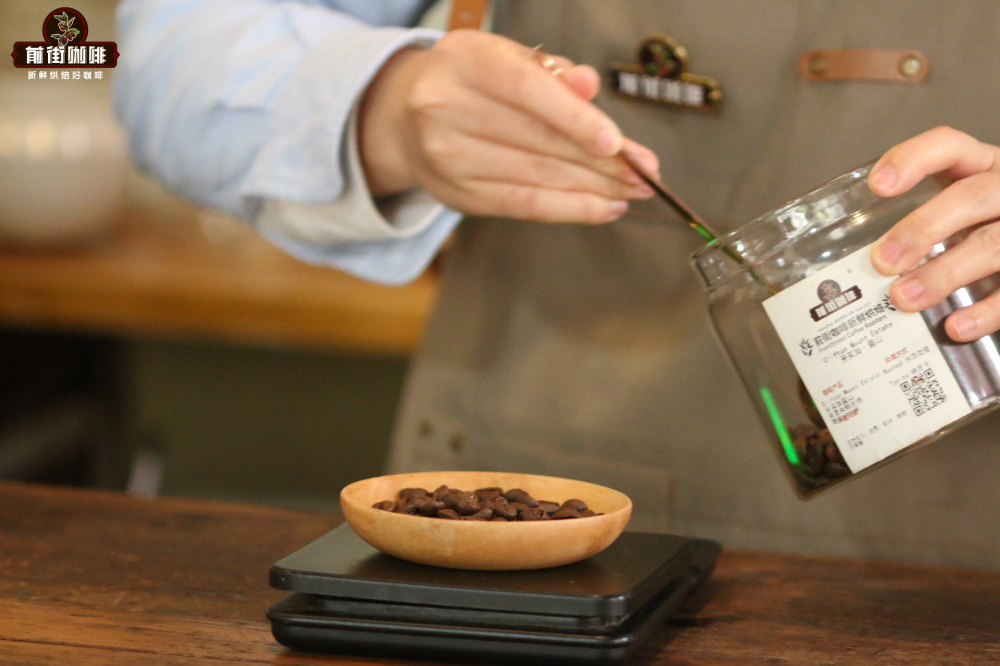 The received Blue Mountain No. 1 green beans are plump and uniform, with a translucent blue-green hue. After medium-dark roasting, they showcase the distinctive chocolate and nutty aromas of Blue Mountain coffee while retaining a soft acidity and sweetness, achieving an optimal balance of flavors. Freshly roasted Blue Mountain No. 1 emits a dry fragrance with layers of nuts, melon, and chocolate, while the brewed cup releases a complex aroma of oolong tea, caramel, honey, and dark chocolate. On the palate, you can enjoy rich flavors of dark chocolate, roasted hazelnuts, cream, and black sugar, with a full-bodied and velvety mouthfeel and lingering, long-lasting aromas. To ensure consumers enjoy it at its peak, all Blue Mountain No. 1 offered here are guaranteed to be shipped within five days of roasting.
Regarding pour-over extraction, here are some key parameters and recommendations. First is the grind size. It is recommended to use a Chinese No. 20 standard sieve (0.85mm) with a sieve pass rate controlled at around 75%. Medium-dark roasted Blue Mountain beans have a relatively loose internal structure, which easily releases large molecular compounds. Grinding too finely can lead to over-extraction and produce unpleasant bitterness. It’s suggested to weigh 10 grams of beans, grind them, and then sieve them. Weigh the coffee powder that passes through the sieve, divide by 10 to get the sieve pass rate, and adjust the grind coarseness accordingly.
For water temperature, medium-dark roasted coffee beans are recommended to be brewed at 87–88°C, slightly lower than the 91–93°C for light roasts, to avoid extracting excessive burnt and bitter flavors. The filter is recommended to be a KONO filter, whose unique structure extends the contact time between water and coffee grounds, improving extraction efficiency and resulting in a richer and more full-bodied coffee taste.
For pouring technique, it’s suggested to use a three-stage pouring method with a total powder-to-water ratio of 1:15. Taking 15 grams of coffee beans as an example, the total water volume is 225 grams. The first stage involves pouring 30 grams of water for a 30-second bloom. The second stage pours water up to 125 grams with even circular pouring, and when the liquid level drops to half, the third stage pours water up to 225 grams. The total extraction time is about two minutes. This way, at higher temperatures, you can experience intense dark chocolate and almond aftertastes, and as the temperature slightly cools, you’ll taste the soft sweetness of roasted hazelnuts, cream, and caramel, with flavors that linger enchantingly.
The above content is compiled by CoffeeHunters, a coffee news website.


