







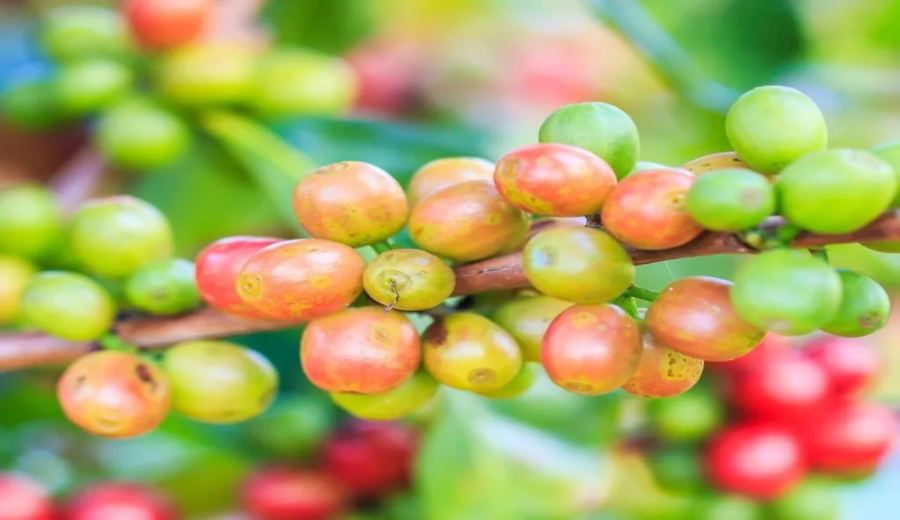
Introduction:Want to understand why specialty coffee favors Arabica? This article takes an in-depth look at the classic varieties within the Arabica family, including Typica, Geisha, Bourbon, Caturra, and Ethiopian Heirloom. It covers their historical origins, growth characteristics, flavor profiles, and recommended brewing methods, complemented by visuals to illustrate the unique traits of each variety. A must-read guide for pour over enthusiasts and coffee beginners alike.
When it comes to coffee, many people first think of the two major varieties: Arabica and Robusta. In countless cafés, Arabica is almost the default choice, thanks to its delicate taste and rich aroma, which have made it synonymous with specialty coffee. But do you know the fundamental differences between Arabica and Robusta? Why does the specialty coffee community favor the former? This article will break down the main varieties under the Arabica umbrella—from the most iconic Typica to the uniquely flavored Geisha, and from the widely planted Bourbon and Caturra to Ethiopia’s distinctive Heirloom varieties—guiding you through the terroir stories behind each cup.
First, Arabica is a type of small-bean coffee, originating from Ethiopia in Africa, and currently accounts for about 70% to 75% of global coffee production. It is extremely particular about its growing environment, typically requiring high-altitude regions between 800 to 2,200 meters. The large day-night temperature variations help accumulate flavor compounds, resulting in its characteristic intense aromas, bright acidity, and complex layers. In contrast, Robusta is a medium-bean variety originating from the Congo in Africa, making up about 30% of global production. It is known for its fast growth, strong disease resistance, and ability to thrive in low-altitude and hot regions. However, its flavor often features noticeable bitterness with nutty and grainy notes, and it has a higher caffeine content, commonly used in instant coffee or commercial blends.
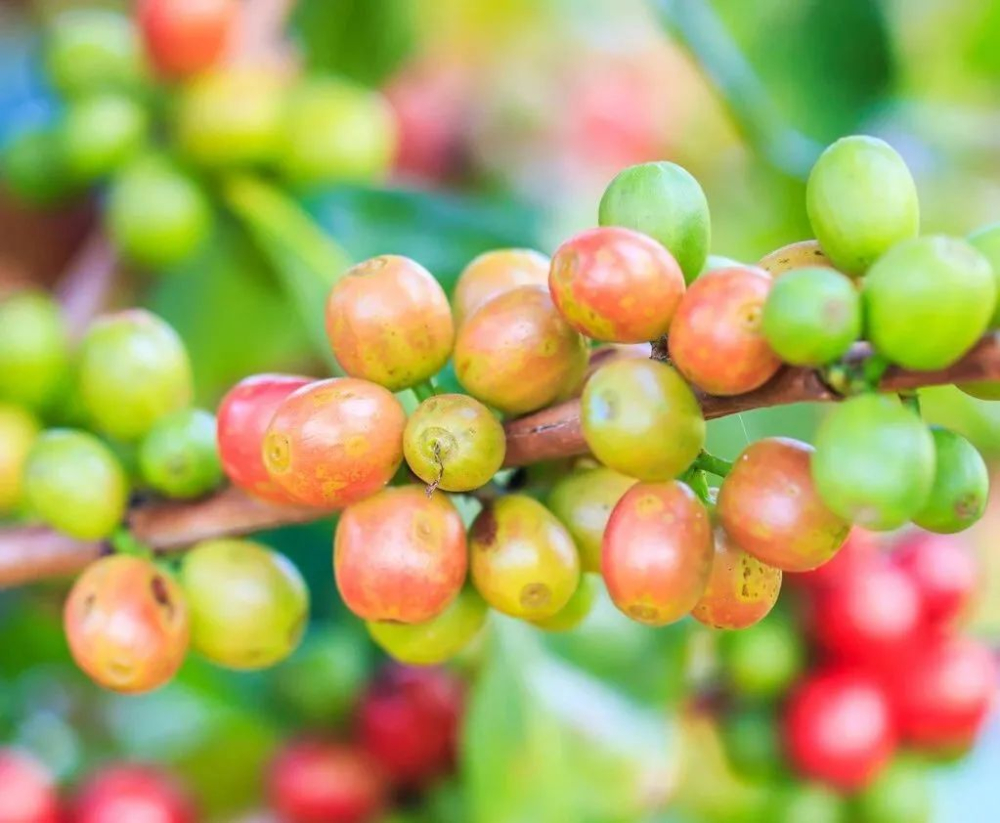
In terms of flavor, Arabica generally has lower caffeine levels but higher sugar and fat content, resulting in a sweeter, softer taste accompanied by distinct fruity acidity and floral notes. This is why, in today’s rising specialty coffee culture, more consumers are gravitating toward Arabica beans with their diverse and nuanced flavor profiles. While Robusta is less favored, high-quality examples such as India’s “Coffee Royale” can also deliver a rich yet clean cup—though such beans remain relatively rare.
The Arabica family includes numerous varieties, many of which have evolved over time or through mutation. Take Typica, for example—it is one of the oldest native varieties in Ethiopia, discovered as early as the 15th to 16th century. Typica coffee trees are tall, with bronze-colored leaves, and the beans are long and slender with pointed ends, resembling eggs. Its flavor profile is dominated by citrusy acidity, with a sweet finish, delivering a clean and elegant overall impression. However, it suffers from low yields and susceptibility to leaf rust, leading many farmers to gradually switch to more robust varieties.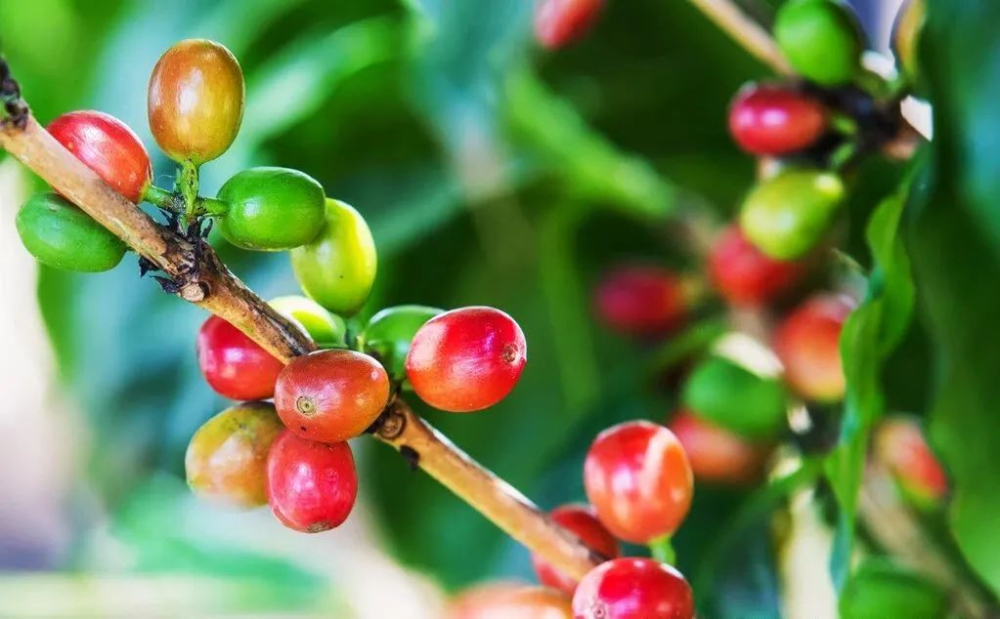
A classic example is the Typica grown in Jamaica Blue Mountain. Introduced to Jamaica by Sir Nicholas Lawes in the 18th century, it has thrived in the Blue Mountains for over two centuries. The island’s unique tropical rainforest climate and high altitude have enabled Typica to develop stronger disease resistance, particularly against coffee berry disease, outperforming most other varieties. When medium-dark roasted, Blue Mountain Typica showcases rich chocolate and nutty aromas while retaining gentle acidity and sweetness, achieving an overall balanced and refined flavor—it stands as one of the finest examples of the Typica variety.
Another highly regarded variety is Panama Geisha, also originating from Ethiopia and a descendant of Typica. Geisha is extremely particular about its growing conditions, requiring high altitudes, frequent cloud cover, shaded environments, and slow growth with very low yields. Its foliage system is delicate, and its root system is fragile, making nutrient and water absorption less efficient—yet this contributes to its exceptionally complex and refined flavors. Geisha coffee often exhibits aromas of rose, citrus, berries, and honey, with a layered and distinct taste upon drinking, making it one of the representative beans of contemporary specialty coffee.
In Brazil, Red Bourbon is an extremely representative variety. Bourbon naturally mutated from Typica, featuring rounder beans. It was first discovered on Bourbon Island off the eastern coast of Africa before being introduced to Brazil. Compared to Typica, Bourbon offers better resistance to rust and, in high-altitude environments, can express more aromatic complexity and softer acidity. Red Bourbon is characterized by its deep red fruit when ripe, and its flavor profile often includes notes of nuts, chocolate, and caramel, making it ideal for coffee lovers who prefer smooth, balanced cups.
Caturra from Colombia is a natural mutation of Bourbon, first discovered in Brazil in 1937. This variety has a shorter tree structure, higher yields, and is suitable for dense planting. In terms of flavor, it shines with bright acidity and fruity characteristics, and when medium-dark roasted, it often develops chocolate and nut aromas. It is a common variety in many competition coffees. Caturra frequently appears in Colombian house blends, where washed processing ensures high clarity, and medium-dark roasting highlights its captivating nutty, dark chocolate, and caramel flavors.
Finally, we must mention Ethiopia’s Heirloom varieties. In Ethiopia’s pristine forests, there exists a vast and genetically diverse array of coffee varieties. Due to the difficulty of identifying each one individually—and the local government’s efforts to protect these precious resources—they are collectively referred to as “Heirloom.” These varieties often feature delicate floral and fruity notes, forming the foundation of many renowned regions such as Yirgacheffe, Huika, and the Guji Dingding Cooperative. Many Ethiopian coffees use Heirloom beans, and cupping often reveals unique regional characteristics, making them an excellent choice for exploring the original flavors of coffee.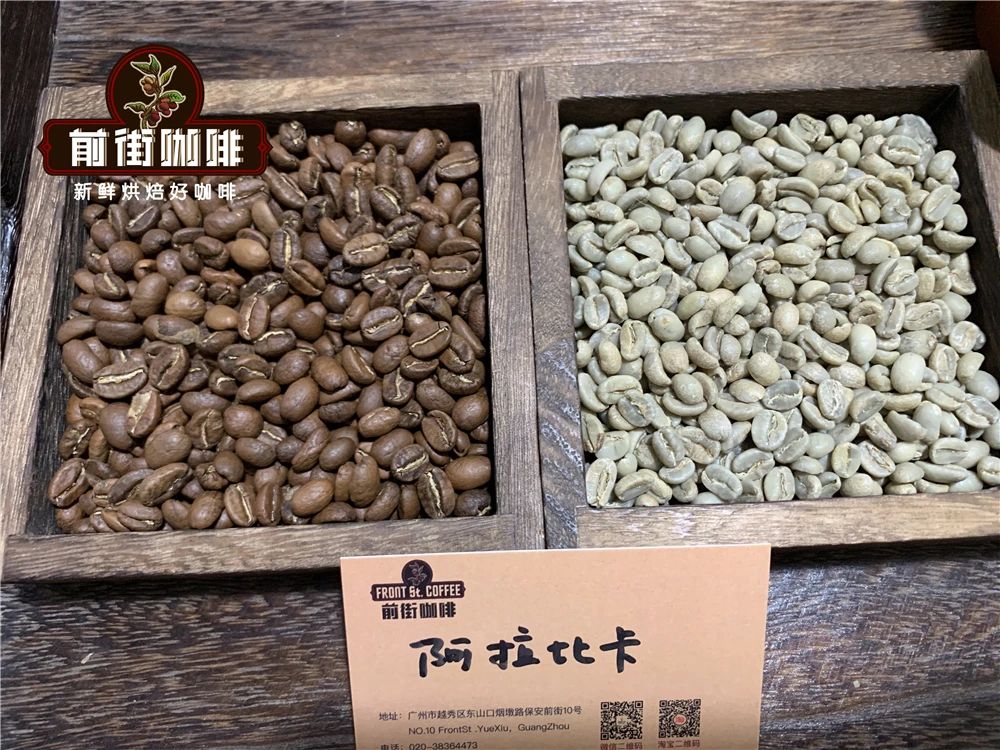
The above content is compiled by CoffeeHunters, a coffee news website.


