







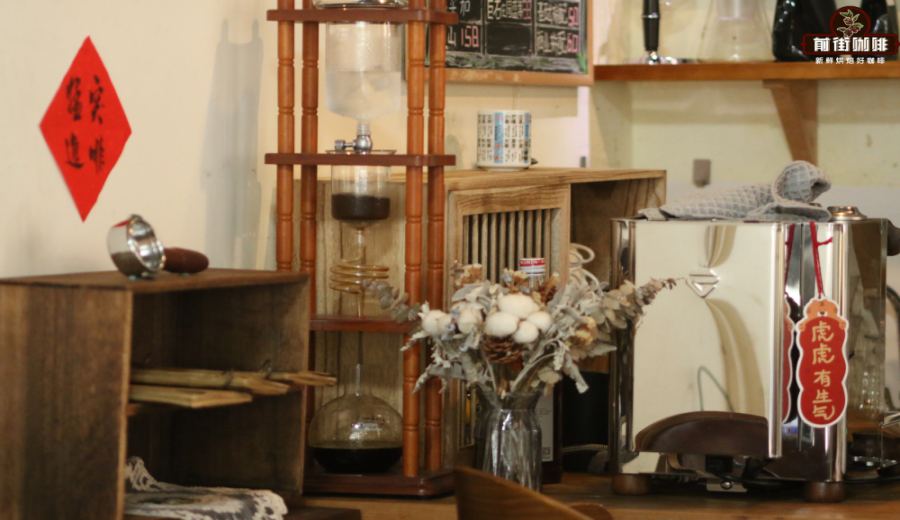
Introduction:Drip coffee, known for its low-temperature slow extraction process, delivers a rich, full-bodied flavor without bitterness, making it a favorite among many coffee enthusiasts in recent years. This article delves into the history and brewing principles of drip coffee, covering everything from the structure of the equipment, the brewing process, to recommended coffee bean varieties for different flavor profiles. Whether you're a seasoned enthusiast or just starting out, you'll learn how to master the essentials of extraction and bean pairing, and easily brew a captivating cup of drip coffee at home.
One of the charms of drip coffee lies in its low-temperature, slow, and continuous extraction method. This brewing technique typically takes six to eight hours, with melted ice water dripping drop by drop through the coffee grounds, slowly releasing a wealth of aromatic compounds while minimizing the extraction of bitter components. As a result, the flavor is rich yet refreshing. Many first-timers are often captivated by the sight of the slow-dripping coffee within the drip tower—not just a beverage, but also a highly visual experience.
When discussing the origins of drip coffee, one must mention the early 18th century in the Netherlands. At that time, Dutch merchants transported coffee beans from their colonies in Indonesia to Europe. Ships lacked hot water and brewing facilities, so to enjoy coffee, they tried soaking ground coffee in cold water. After several hours of steeping, they discovered that the resulting coffee was unexpectedly sweet and smooth, with almost no bitterness. This method of long-term cold-water immersion extraction later came to be known as Dutch Coffee. Although the approach did not gain widespread popularity in the Netherlands, it was preserved in Japan and gradually evolved into what we now recognize as drip coffee (Cold Drip Coffee).
Many people often confuse drip coffee, cold brew coffee (Cold Brew Coffee), and Dutch coffee. In reality, all three fall under the category of low-temperature extraction. Cold brew coffee usually involves combining coffee grounds with cold water in a container, letting it steep for 12 to 24 hours, and then filtering it—resulting in a flavor often characterized by mild acidity and subtle sweetness. Drip coffee, on the other hand, uses melting ice water that drips from above, extracting aromatic compounds with more precise control. Despite slight differences in name and equipment, their common trait is preserving the original flavors of coffee through low-temperature methods, while reducing the release of bitterness and impurities.
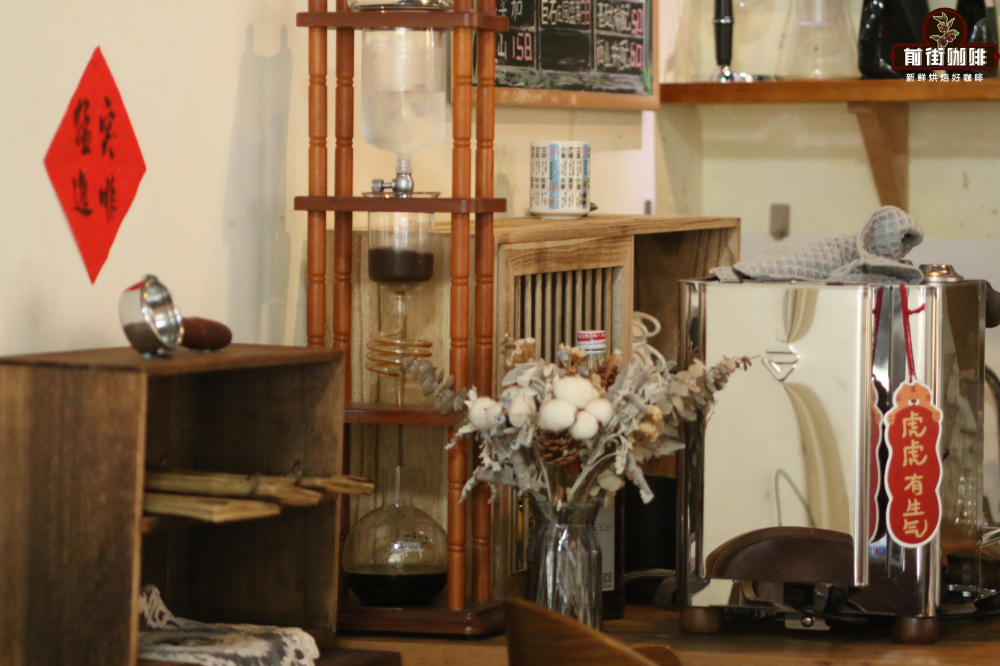
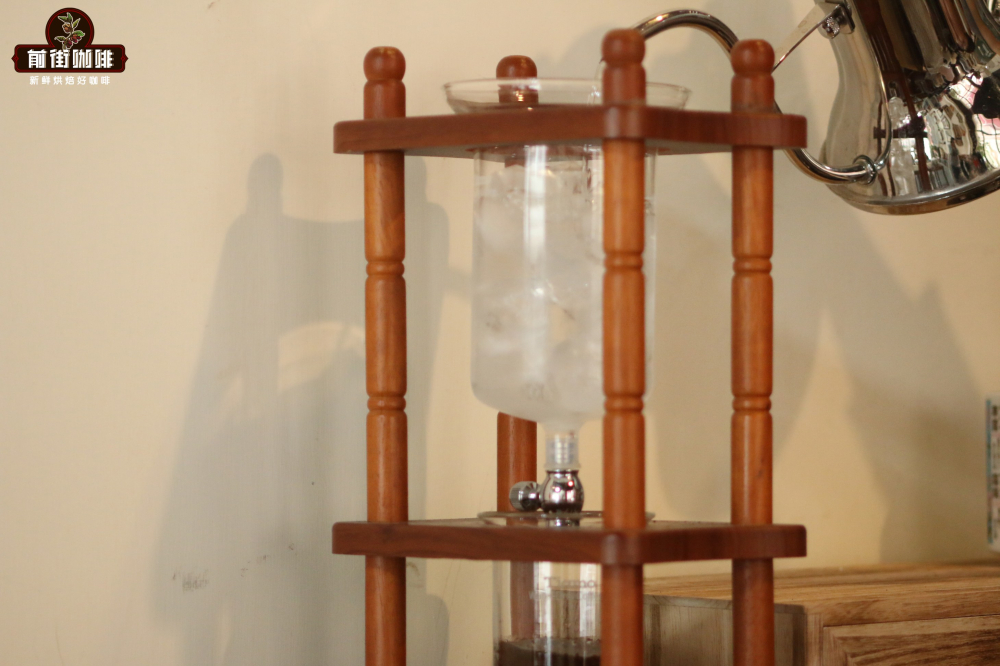
Although drip coffee equipment comes in a variety of styles, the basic structure is largely similar, typically consisting of four main parts: the upper chamber, the valve, the coffee grounds chamber, and the lower collection chamber. The upper chamber holds the ice water mixture, with a flow-rate-adjustable valve in the middle that controls the dripping speed to ensure even distribution of the ice water. The middle coffee grounds chamber holds the ground coffee, with a filter at the bottom that allows the extracted coffee liquid to drip into the lower chamber for collection. This simple yet ingenious layered design ensures a stable extraction process.
Take a well-regarded Costa Rican Mozart coffee bean as an example—this bean undergoes a raisin anaerobic honey process and boasts intense flavors of raisin, osmanthus, and fruity fermentation aromas, making it highly suitable for drip brewing. For grind size, it's recommended to use a medium-fine grind similar to that for ice pour over, roughly 85% passing through a Chinese No. 20 sieve, or a 9-setting on an ek-43s grinder. This grind size helps improve extraction efficiency in a low-temperature environment without being too coarse, which could lead to under-extracted flavors.
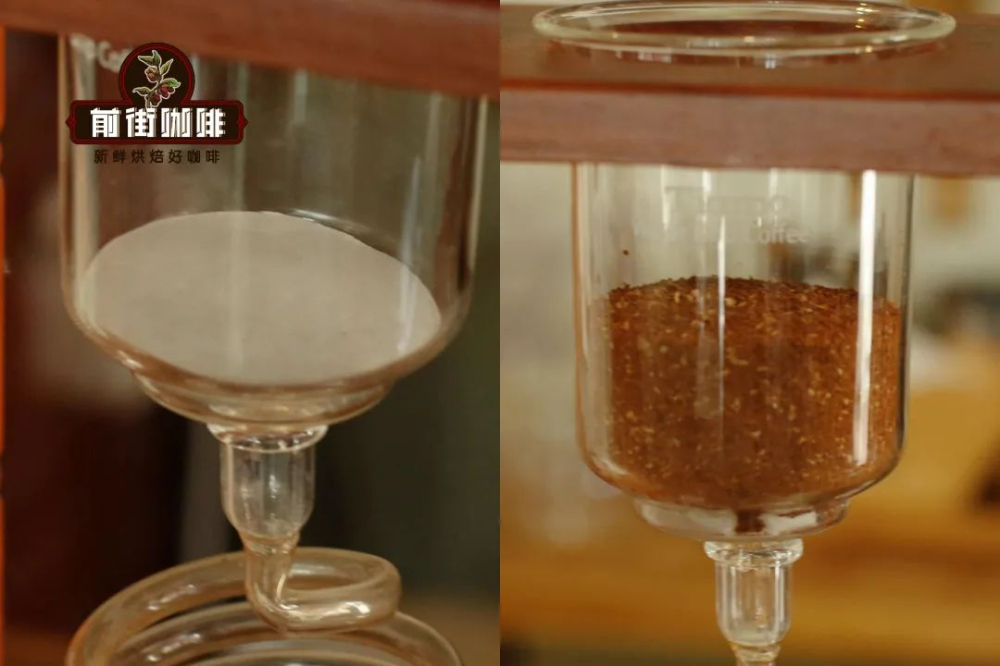
During actual brewing, it is recommended to use a 1:10 coffee-to-water ratio—for example, 60 grams of coffee grounds to 600 grams of ice water. The ice-to-water ratio should ideally be maintained at 1:1, with the valve flow rate controlled to about 7 drops per 10 seconds, and the overall extraction time around 6 to 8 hours. Pre-wetting the coffee grounds layer with a small amount of cold water helps with even expansion and initial extraction, preventing channeling. Placing a round filter paper on both the top and bottom of the coffee grounds layer not only aids in filtering impurities but also ensures even distribution of the water droplets, improving the stability of the overall extraction.

Once the drip process is complete, the extracted liquid can be poured into a sealed container and refrigerated for at least 12 hours to allow the flavors to further meld. It’s best enjoyed the next day. This step enhances the fruit acidity and fermentation notes of the drip coffee, resulting in a taste akin to a slightly intoxicating fruit wine—balanced between acidity and sweetness, with distinct layers. Especially when served over ice, it highlights the bright acidity and sweetness of tropical fruits such as berries and pineapple, making it an ideal iced coffee for summer.
As for choosing coffee beans, drip coffee’s long-duration low-temperature extraction allows the inherent flavor characteristics of the beans to fully shine. It’s generally recommended to select beans with clear and distinctive flavor profiles. For example, tropical fruit varieties with pronounced fermented wine notes and berry-like acidity and sweetness—such as strawberry candy, Sidamo, Bahia, or Dado beans—can exhibit more complex layers during the drip process.
If you prefer a cleaner and crisper taste, opt for washed-process beans with bright acidity and a clean profile, such as Small Tomato AA, Flower Butterfly, or Ethiopian Washed Guji Dingding Cooperative beans. Drip coffee made from these beans carries a refreshing acidity reminiscent of cherry tomatoes or grapefruit, ideal for those who enjoy pure and clean flavors—especially refreshing during hot seasons.
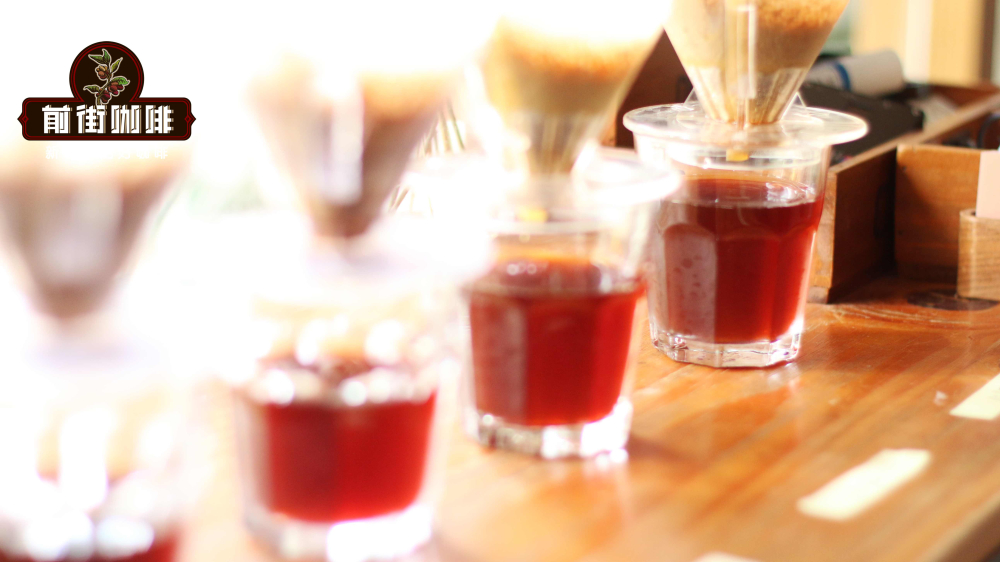
For those who favor a sweeter profile, consider trying dark-roasted beans such as Indonesian Golden Mandheling, Brazilian Queen Estate, or Huila coffee beans. These beans often feature warm notes like chocolate, nuts, and caramel. Even with low-temperature extraction, they still deliver a rich sweetness and smooth mouthfeel. Served over ice, they become even silkier—an excellent choice for those who love bold, mellow flavors.
Additionally, drip coffee is great for experimenting with blends. Mixing two or more single-origin beans with complementary flavors—for instance, combining Litchi & Orange Blossom with Musician Beethoven—can simultaneously bring out brandy-like aromas, honey sweetness, and fruity acidity, resulting in a drip coffee with more complexity and personal character. The blend ratio and bean selection can be freely adjusted according to personal taste, adding another layer of enjoyment to drip coffee brewing.
No matter which type you choose, it’s recommended to use freshly roasted coffee beans, ideally within 1 to 2 weeks post-roast. Fresh beans not only have more vibrant flavors but can also fully express their potential under low-temperature extraction. As long as you get the grind size, coffee-to-water ratio, and extraction time right, even beginners can easily enjoy a personalized cup of drip coffee at home.
The above content is compiled by CoffeeHunters, a coffee news website.


