







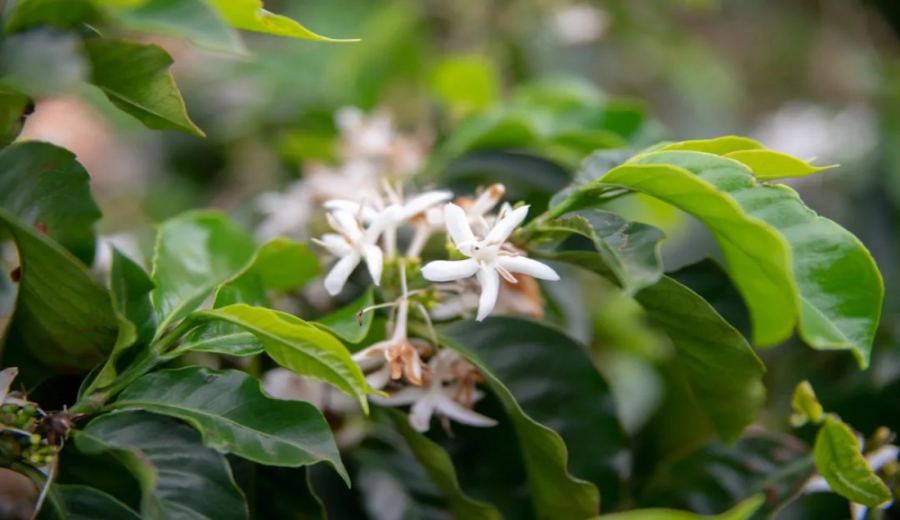
Introduction:Want to know how the Geisha coffee from Panama’s La Esmeralda Estate differs from that of Ethiopia’s Gesha Village? This article takes you through the origins, growing environments, processing methods, cupping characteristics, and practical pour over recommendations to help you fully understand the key differences between these two major Geisha-producing regions. It also provides expert-level flavor analysis and brewing parameters to assist you in appreciating the unique personalities of Geisha from both areas.
Geisha coffee, a variety renowned in the specialty coffee world for its distinctive aromas and delicate flavors, has long been a dream bean for many coffee enthusiasts. But did you know it originally comes from wild coffee trees in Ethiopia? From the jungles of southwestern Ethiopia to the high-altitude terraces of Panama’s La Esmeralda Estate, Geisha has undergone an intercontinental legendary journey to become the coffee treasure it is today.
So why do the Geisha coffees from Panama’s La Esmeralda Estate and Ethiopia’s Gesha Village exhibit such notable differences in aroma, acidity, and sweetness, despite sharing the same origin variety? This article will deeply analyze the red label Geisha from two renowned regions—Panama La Esmeralda and Ethiopia Gesha Village Coffee Estate—comparing them across aspects such as growing altitude, processing methods, cupping profiles, and actual pour over recommendations. This will help you better distinguish and appreciate the unique charm of Geisha from both regions.
The Origins of Geisha: From Ethiopian Wild Varieties to Panama’s Stunning Transformation
Geisha coffee was first discovered in the jungles of southern Ethiopia, belonging to a local wild coffee variety. In 1963, Don Pachi Serracin introduced the Geisha variety to Panama from Costa Rica, but due to its low yield and unremarkable appearance, it was long used only as a windbreak and went unnoticed. It wasn’t until 2004 that Daniel Peterson, the owner of Panama’s La Esmeralda Estate, noticed that the Geisha trees located at high altitudes on his farm—originally planted as windbreaks—produced coffee beans with rare citrus and floral notes, completely breaking the typical flavor profile of coffee. These beans were later selected separately and entered that year’s Panama Cup Tasting Competition, where they astonishingly won the championship, thus beginning the global specialty coffee myth of Geisha.
Since then, Geisha has not only topped cupping competitions in Panama for multiple consecutive years, but has also become one of the most expensive coffees in global auctions. Meanwhile, Ethiopia, the birthplace of Geisha, has in recent years reintroduced this native variety to the world through the meticulous cultivation of Gesha Village, earning market attention with its more regionally distinctive flavor expressions.
Panama La Esmeralda Red Label Geisha: Citrus & Floral Notes Nurtured by Highland Mist
The Geisha at La Esmeralda is grown at altitudes above 1400 meters, with the best-performing Geisha coming from the smaller sub-regions of Jaramillo and Canas Verdes, at elevations of 1600–1800 meters. These areas are often shrouded in mist and feature fertile volcanic soils, which contribute to the unique aroma and acidity profiles of the Geisha beans.
The estate classifies its Geisha into three grades based on growing altitude and cupping scores: Red Label (Special Selection), Green Label (Private Collection), and Blue Label (Geisha 1500). The Red Label is the auction-grade Geisha, typically scoring above 90 points in cupping, and is processed using either natural or washed methods, delivering the most outstanding flavor profiles. The purchased Red Label Geisha comes from the Finca El Velo parcel, at an altitude of about 1700–1900 meters, and is processed naturally. When brewed, it reveals bright rose-like floral notes, citrus tones, along with layered fruit aromas such as rice, berries, and apricots, plus a honey-like sweetness. The overall mouthfeel is rich and layered.
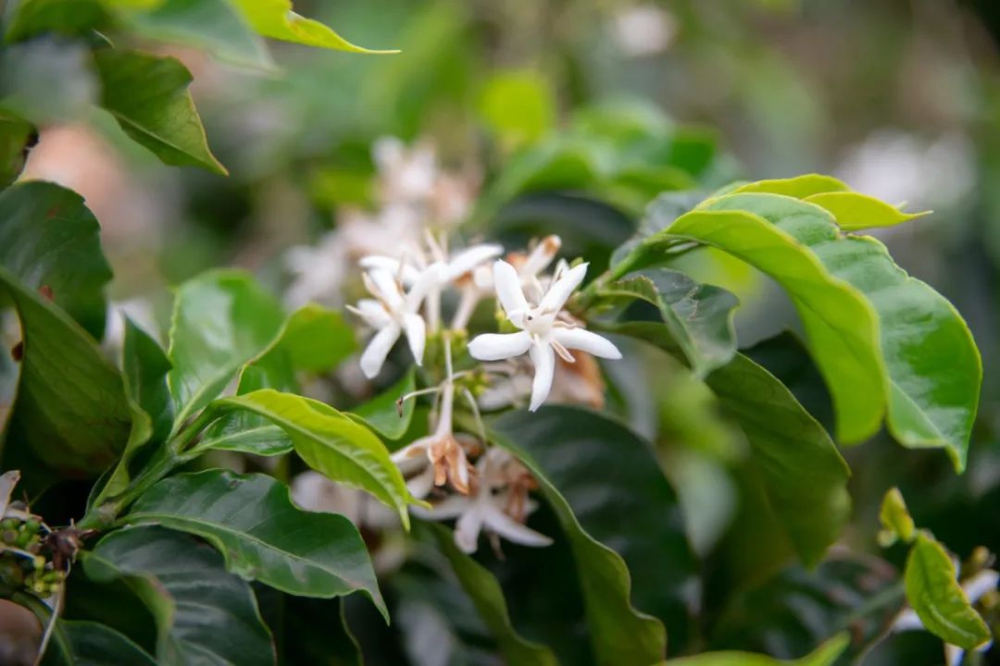
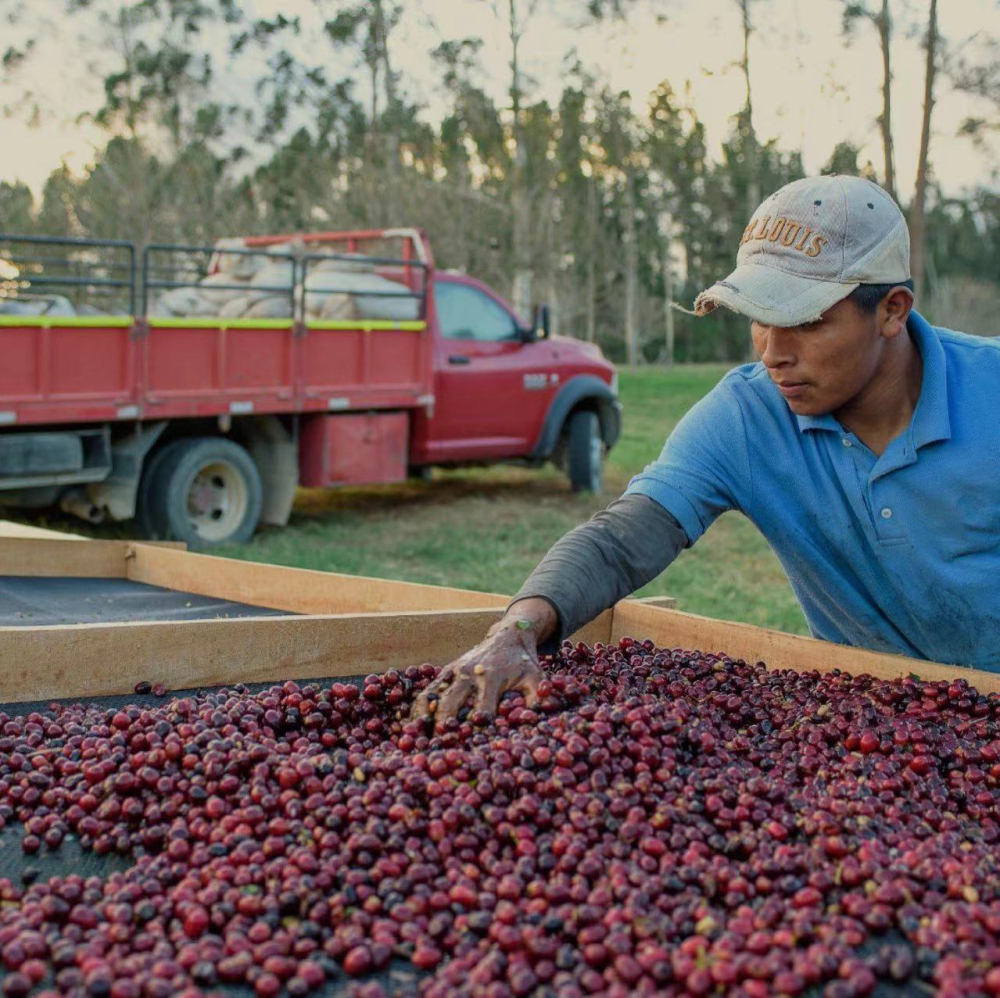
La Esmeralda’s natural processing method is quite meticulous. After harvest, the coffee cherries are evenly spread out on patios or cement platforms and sun-dried for 3–5 days (approximately 8 hours per day) depending on weather conditions, then transferred to a Guardiola rotary dryer for 72 hours to ensure stable moisture content and avoid over-fermentation. After drying, the beans rest for 30–45 days in a “ripening” (reposo) period to further stabilize their flavors.
Ethiopia Gesha Village Red Label Geisha: Stone Fruit Character from Native Forests
The establishment of Ethiopia’s Gesha Village originated from a documentary filming trip. In 2007, director Adam Overton and photographer Rachel Samuel discovered the Gori Gesha forest in Ethiopia’s Bench Maji region during filming, which might be the origin of the original Geisha variety. In 2009, with the help of coffee expert Willem Boot, they officially founded the Gesha Village estate here and cultivated the Ethiopian Geisha variety from seeds selected from native Geisha trees.
Gesha Village currently grows three main varieties: Gori Gesha (GG), Gesha 1931 (G31), and Illubabor Forest 1974 (IF). The Red Label Geisha mainly uses the Gori Gesha variety, grown at high altitudes of 1909–2069 meters, also processed naturally, showcasing intense stone fruit aromas such as apricot and plum. Its floral notes are relatively subtle, but the sweetness and body are notably prominent.
During the natural processing, the coffee cherries are first floated to remove impurities, then spread in thin layers on elevated drying beds covered with protective nets to prevent foreign matter from falling in. They are dried for 18–30 days with regular turning and sorting to ensure consistent quality. The dried beans also undergo a resting period to stabilize their flavor expression.
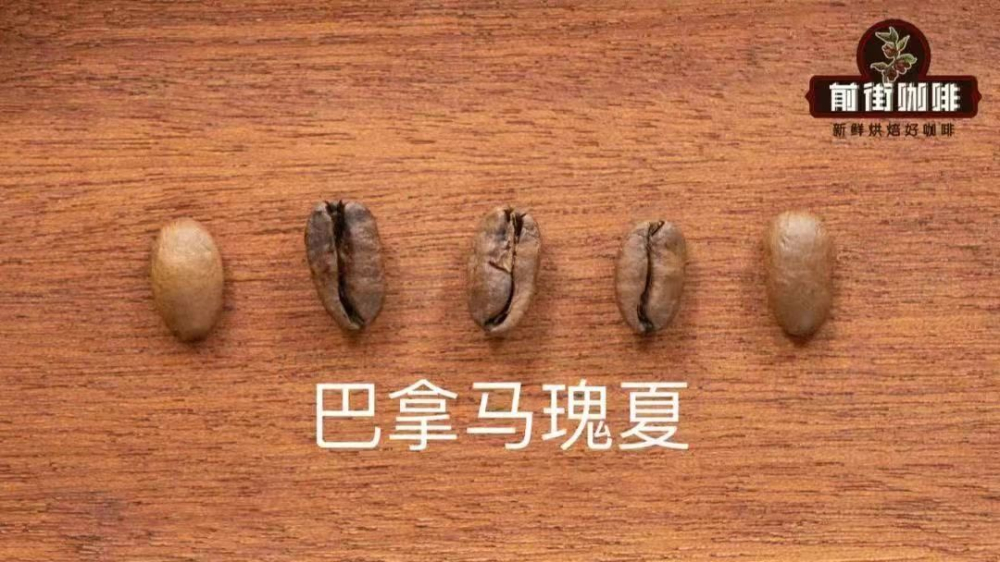
Flavor Comparison and Cupping Performance
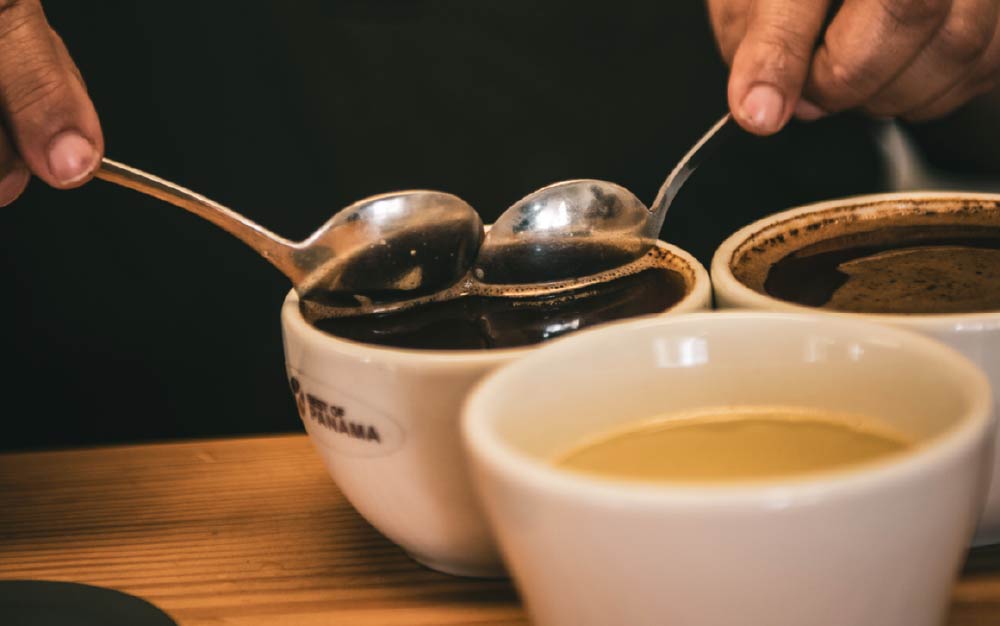
In terms of cupping performance, Panama’s Red Label Geisha features bright citrus and rose-like floral notes, paired with berries, honey, and tea-like sensations, resulting in a refreshing and layered flavor profile. In contrast, Ethiopia’s Red Label Geisha presents a richer stone fruit character, such as apricot and plum, with more restrained floral notes but more pronounced sweetness and body. Each has its own merits—the former being fresh and vibrant, the latter smooth and mellow—suiting the preferences of different coffee enthusiasts.
Pour Over Recommendations and Brewing Parameters
When brewing Geisha, it is recommended to use a medium-fine grind (e.g., about 78% passing through a #20 sieve), with water temperature controlled around 91°C and a brew ratio of 1:16. Using a V60 dripper as an example: start with a 30-second bloom using 30 grams of water, then pour in a small circular motion up to 125 grams for the first pour. After the water level drops, continue pouring up to 240 grams. The total brew time should be approximately 1 minute 55 seconds to 2 minutes 05 seconds. These parameters work well for both Red Label Geishas, fully highlighting their delicate aromas and balanced acidity-sweetness.
In summary, although Geisha from Panama and Ethiopia share the same origin, their distinct geographic environments, processing methods, and microclimates result in markedly different flavor personalities. Whether you prefer fresh fruity-floral notes or rich stone fruit sweetness, you can find your own coffee enjoyment in these two top-tier Geishas.
The above content is compiled by CoffeeHunters, a coffee news website.


