








Introduction:As an important Arabica coffee-producing country in East Africa, Tanzania is renowned for its soft acidity, rich body, and captivating sweetness. Its coffee-growing regions span the volcanic landscapes of Mount Kilimanjaro and the southern highlands, with washed processing methods highlighting its clean and distinct flavors. This article provides a detailed breakdown of Tanzania’s coffee grading system (AA, AB, PB), the characteristics of its main producing regions, as well as the flavor differences between Kilimanjaro and southern beans. It also offers practical pour over parameters and cupping references to help coffee enthusiasts fully grasp the unique charm of this “coffee gentleman” from origin to cup.
Tanzania is one of the most representative Arabica coffee-producing countries in East Africa. Its coffee is celebrated for its smooth and palatable acidity, intense sweetness, and full-bodied richness, earning it the title of “coffee gentleman.” This East African nation not only boasts a rich history of coffee cultivation but also, thanks to its geographical and climatic conditions, produces a variety of distinctive specialty coffee beans. From the volcanic regions of northern Mount Kilimanjaro to the southern highlands of Ruvuma and Mbeya, Tanzania’s coffee-growing areas each have their own unique traits. Among them, coffee from the Kilimanjaro region is a classic that global coffee enthusiasts simply must not miss.

The history of Tanzanian coffee dates back to 1898, when Catholic missionaries introduced Bourbon coffee varieties to the Kilimanjaro area. Later, in the 1920s, the Kent variety was also brought in. To this day, these two varieties remain the mainstays of Tanzanian coffee. The Bourbon variety is known for its intense fruity aroma, bright acidity, and high sweetness, while Kent is widely cultivated due to its strong disease resistance and stable yields. Although Tanzania is often compared with its neighbor Kenya, its coffee tends to be softer and more mellow, lacking the sharp acidity commonly found in Kenyan beans, yet offering layered sweetness and a subtle hint of red wine. This has earned it the international reputation of being a “coffee gentleman,” and it stands alongside Blue Mountain and Mocha as one of the representatives of specialty coffee.
Tanzania’s main coffee-producing regions include Kilimanjaro in the north, and Ruvuma and Mbeya in the south. Kilimanjaro is the oldest and most internationally renowned coffee region in Tanzania, known for its volcanic soil environment at altitudes of 1,300 to 2,000 meters. The coffee beans grown here benefit from the high elevation and volcanic ash, usually exhibiting intense flavors and a well-defined balance of acidity and sweetness. The harvest season runs from July to December each year. Ruvuma is located in the southernmost part of Tanzania, near the Ruvuma River, with production concentrated in the Mbingo area. Though less frequently mentioned, it is considered to have the potential to produce high-quality coffee. The altitude ranges between 1,200 and 1,800 meters, with the harvest season from June to October. Mbeya is situated on the southern highlands of Tanzania and is a hub for high-value crops such as coffee, tea, cocoa, and spices. In recent years, thanks to the involvement of international organizations, the quality of its coffee has gradually improved. The altitude ranges from 1,200 to 2,000 meters, and the harvest season also falls between June and October.
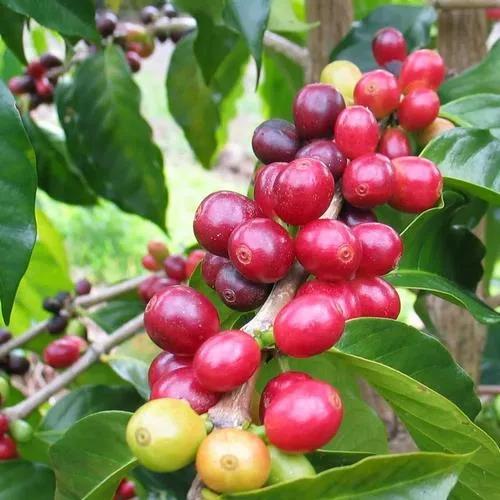
Tanzania’s coffee bean grading system is similar to Kenya’s, primarily categorizing beans by screen size after green bean sorting—the higher the screen number, the larger the bean. AA grade is the highest, with screen sizes of 17–18 (approximately 7.20mm), indicating large beans and typically the best quality. AB grade is the next level, with screen sizes of 15–16 (approximately 6.8mm–6.2mm), representing mid-to-high-tier beans commonly seen in the market. PB grade consists of peaberry beans, which make up about 10% of the yield and are highly valued for their unique shape and rarity. C grade beans are smaller, with screen sizes of 12–14 (approximately 4.8mm–5.6mm), generally used for commercial-grade or blended coffee. This grading method helps consumers choose beans of different grades according to their preferences, with AA and PB grades being the most favored in the specialty coffee market.
Tanzanian coffee is commonly processed using the washed method, which highlights the coffee’s cleanliness and layered flavors. The process includes: first removing impurities, then stripping the pulp and outer skin, followed by fermenting the mucilage-covered beans to remove the sticky layer, and finally washing and drying them either in the sun or by machine. Washed processing helps preserve a bright and clear acidity along with delicate sweetness, making it especially suitable for showcasing the unique flavor characteristics of Kilimanjaro and southern highland beans.
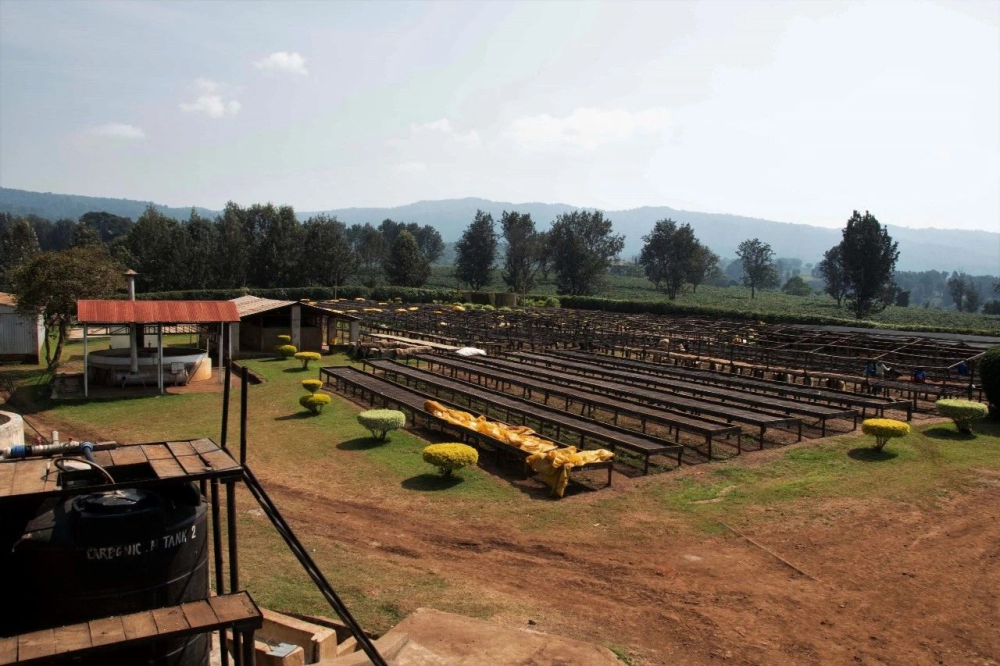
Taking the northern Tanzanian Kilimanjaro region as an example, coffee from this area is mostly grown from Bourbon varieties in volcanic soil environments at altitudes of 1,300 to 2,000 meters. The green beans, after washed processing, are usually classified as AA grade. Roasting profiles from a well-known coffee brand show that Kilimanjaro AA beans are large in size with a grayish-green appearance. With a medium-light roast, they can express sweetness and moderate acidity, making them ideal for pour over enthusiasts to explore further. The recommended roasting parameters are an inlet bean temperature of 170°C, yellowing point at 150.8°C (6 minutes 30 seconds), first crack starting at 182.7°C (10 minutes 16 seconds), and dropping the beans at 193°C after about 1 minute and 45 seconds of first crack development. These parameters balance acidity, sweetness, and body, catering to those who prefer clear fruit acids and a tea-like mouthfeel.
Cupping results indicate that Kilimanjaro coffee features pronounced caramel dry fragrance and berry-type wet aroma. Upon tasting, the dominant notes are citrus, berries, and a tea-like body, delivering an overall refreshing and layered profile.Pour Over Parameter Suggestions: Use a V60 filter, with a coffee-to-water ratio of 1:15, water temperature at 91°C, and grind size similar to superfine sugar (80% passing through a #20 sieve). The specific steps are: 30g bloom for 30 seconds, then circle pouring to 125g, wait for the water level to drop halfway, then pour another 225g. Total extraction time is around 2 minutes, effectively highlighting the balanced flavors of citrus, berries, and tea notes.
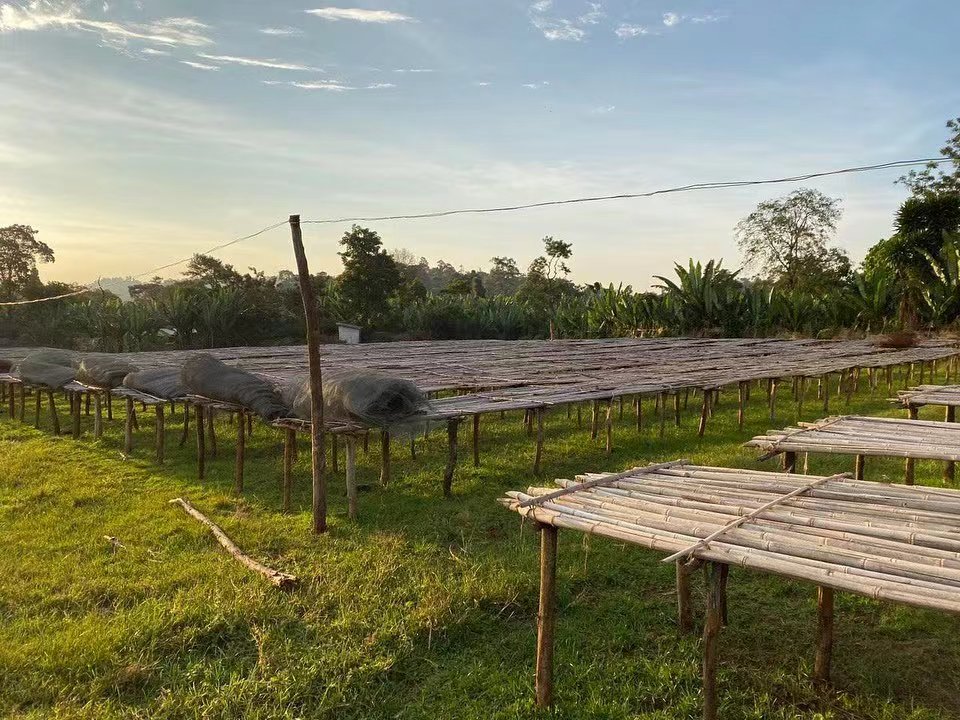
Compared to the northern Kilimanjaro beans, coffee from southern Tanzanian regions such as Ruvuma and Mbeya also undergoes washed processing and medium-light roasting, but the flavor profile leans more toward richness and nuttiness. The altitude range is 1,200 to 2,100 meters, with the Bourbon variety being most common. Though the processing method is the same, microclimate and soil differences result in relatively softer acidity and often leave a distinct nutty and caramel aftertaste upon cooling. A well-known coffee brand’s roasting curve for southern beans sets the inlet temperature at 170°C, yellowing point at 150.8°C (6 minutes 15 seconds), first crack starting at 182.7°C (10 minutes 03 seconds), and dropping the beans at 194°C after 1 minute and 50 seconds of first crack development—ideal for highlighting its berry, floral, and fermentation aromas.
In cupping, southern coffee exhibits berry and fermentation aromas, with tasting notes of citrus, caramel, and nuts. The overall mouthfeel is rounded, with a long-lasting aftertaste.Pour Over Suggestions: Also use a V60 filter, with a coffee-to-water ratio of 1:15, water temperature at 91°C, and grind size akin to superfine sugar (80% passing through a #20 sieve). The operation involves a 30g bloom for 30 seconds, followed by pouring to 125g and waiting for the water level to drop halfway, then adding another 225g. Total time is kept within 2 minutes, helping to bring out its delicate berry and nutty notes.
In summary, Tanzanian coffee holds a solid position in the specialty coffee market with its diverse regional flavor profiles and consistent washed processing quality. Kilimanjaro beans, with their bright acidity, citrus, and berry notes, are a favorite among pour over enthusiasts, while the southern regions’ nutty and rich characteristics appeal to those who prefer lower acidity and pronounced sweetness. Regardless of the region, Tanzanian coffee showcases the unique charm of East African coffee, making it worthy of careful appreciation by every coffee lover.

The above content is compiled by CoffeeHunters, a coffee news website.


