







Introduction:Dive into ten premium single-origin coffee beans from renowned regions such as Panama, Ethiopia, and Kenya. Explore their altitude, processing methods, and unique flavor profiles in detail, along with the brewing methods each bean is best suited for. Whether you're a beginner or an advanced coffee enthusiast, this guide will help you find your ideal single-origin beans and master key extraction parameters.
The first step in appreciating specialty coffee is understanding how beans from different regions develop unique flavors based on climate, soil, and processing techniques. This article features ten single-origin beans from globally acclaimed coffee-growing regions—including Panama, Ethiopia, Kenya, Costa Rica, Yunnan, Brazil, and even Jamaica Blue Mountain—offering comprehensive insights into origin details, cultivation altitude, processing methods, and flavor profiles to help you choose the beans that best suit your preferences.
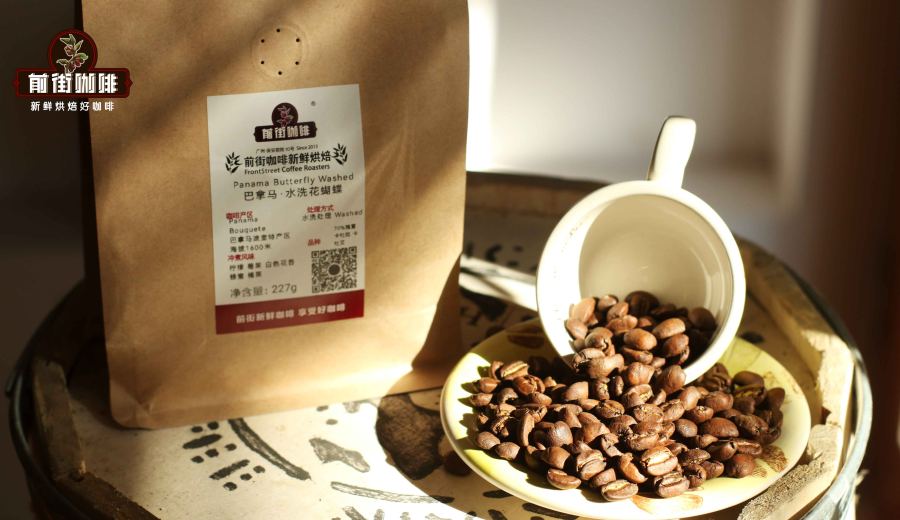
First up is the "Butterfly Flower" coffee bean from Boquete, Panama, grown at an altitude of about 1600 meters. It’s a blend of varieties including Geisha, Catuai, and Caturra, processed using the washed method. This bean is known for its clean, bright floral notes, citrus tones, and berry aromas, with a pronounced tea-like body. It’s ideal for brewing via pour over, cold brew, or iced coffee, delivering a refreshing floral and fruity tea-like taste.
The PWN Golden Mandheling from Aceh, Sumatra, Indonesia, is produced by the renowned local PWN company. Grown at altitudes between 1100 and 1600 meters, it’s classified as G1 grade and undergoes triple hand-picking, using the wet-hulled (Giling Basah) processing method, with the Ateng variety as the main cultivar. Its flavor profile is dominated by rich herbal and spicy aromas, complemented by notes of dark chocolate, caramel, and nuts. With a full-bodied mouthfeel and almost no acidity, it’s perfect for those who enjoy intense dark roast flavors and makes a classic gift choice for coffee lovers.
The Yirgacheffe Guddina Cooperative coffee beans from Ethiopia are grown at high altitudes of 2000 to 2100 meters and produced by a local cooperative. Processed via the washed method, they showcase the unique charm of Ethiopia’s native varieties. These beans are celebrated for their bright citrus acidity, balanced berry sweetness, and honey-like sweetness, with a lingering green tea-like aftertaste. Ideal for pour over, cold brew, or siphon brewing, they offer a refreshing yet layered taste experience.
Also from Ethiopia’s Sidamo Guji region, the Huakui coffee beans are produced by the Buku Able processing station. Grown at elevations of 2250 to 2350 meters and processed using the natural (sun-dried) method, these beans are of Ethiopia’s native variety. They exhibit a rich array of complex berry aromas, featuring unique fruit fermentation notes, with the sweet-tartness of strawberries interwoven with the tropical sweetness of jackfruit. Perfect for those who love intense fruity profiles, they also make an excellent gift for fruit-flavor enthusiasts.
The Kenyan Little Tomato coffee beans come from the Thika region and are produced by the Assalia processing station. Grown at altitudes between 1550 and 1750 meters and processed using a unique 72-hour washed method, these beans are of the famed SL28 and SL34 varieties. Their most distinctive feature is a unique aroma reminiscent of small tomatoes, paired with the acidity of plums and dark plums, along with a brown sugar-like sweetness. The flavors are vivid and layered, making them ideal for coffee drinkers who enjoy a pronounced juiciness.
The Strawberry Candy coffee beans, a cross-regional collaboration between Costa Rica and Panama, are grown at around 1700 meters. They combine raisin honey processing with washed techniques and feature a diverse range of varieties, including Geisha, SL28, ET47, and Maico. These beans are characterized by their intense strawberry hard candy aroma and fermented grape dried fruit notes, accented by strawberry tartness and rose floral scents. With a sweet and complex flavor profile, they’re suitable for brewing via mocha pot, SOE, pour over, or American drip, making them a great choice for floral aroma lovers.
The 2013 Small Red Caturra coffee beans from Baoshan, Yunnan, are grown at altitudes between 1450 and 1550 meters and processed using a fully red fruit sun-dried method. The variety is Catimor. These beans showcase the tart-sweet qualities of red berries, paired with the richness of dark chocolate and the aroma of roasted nuts, finishing with a caramel-like sweetness. The overall flavor is balanced and layered, making them ideal for those who prefer a smooth mouthfeel, and a good choice for gifting to fans of balanced profiles.
The Brazilian Queen Estate coffee beans hail from the Mogiana region, grown across a wide range of altitudes from 1400 to 1950 meters. Carefully cultivated by the Queen Estate and processed using the semi-washed (pulped natural) method, these beans are of the Yellow Bourbon variety. With roasted nut aromas as their base, they offer a silky peanut buttery texture and a lingering hint of fermented fruit, resulting in a mild and smooth mouthfeel. Ideal for nut flavor enthusiasts, they’re versatile for use in pour over, mocha pot, or Italian SOE brewing methods.

The Birds of Paradise coffee beans from Papua New Guinea come from the renowned Birds of Paradise Estate, grown at around 1500 meters and processed using the washed method. The variety is Typica. These beans exhibit bright acidity reminiscent of citrus fruits, paired with the aroma of toasted bread and a sugarcane-like sweetness, finishing with a white tea-like refreshing aftertaste. The overall flavor is balanced and refreshing, ideal for brewing via pour over or drip bags, making them an elegant everyday drinking choice.
Finally, the Jamaican Blue Mountain No.1 coffee beans from the Blue Mountains of Jamaica are produced at the Clifton Estate, grown at an altitude of up to 13,100 feet (approximately 3990 meters), and processed using the traditional washed method. The variety is Typica. This classic Blue Mountain coffee is renowned for its balanced acidity, sweetness, and bitterness, featuring soft citrus acidity, rich dark chocolate aroma, and a silky, nutty-creamy mouthfeel. It’s considered the pinnacle among coffee connoisseurs worldwide and makes an excellent gift for those pursuing the ultimate in coffee quality.
The above content is compiled by CoffeeHunters, a coffee news website.


